












DGCE SIG Seminar
Diffuse Gas in Cosmic Ecosystems Science Interest Group
DATE
June 27, 2024
TIME
4:00 pm EST
COMMUNITY
DGCE SIG
TYPE
Seminar
Circumgalactic Chemistry: the Missing Physical Link Between Galaxies and Their Halo Gas
Fakhri Zahedy, University of North Texas
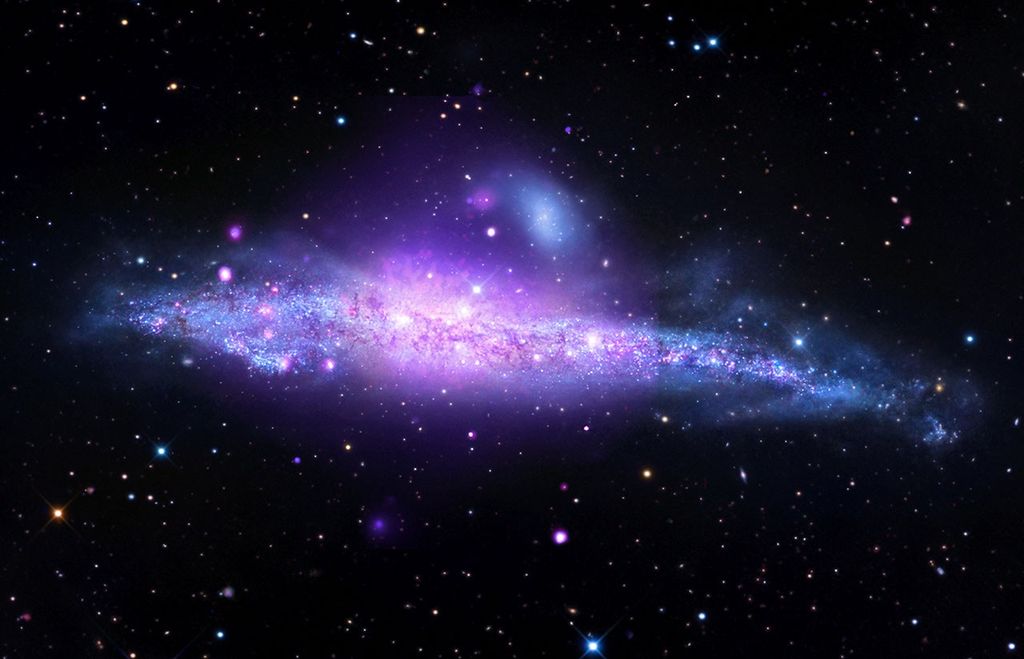
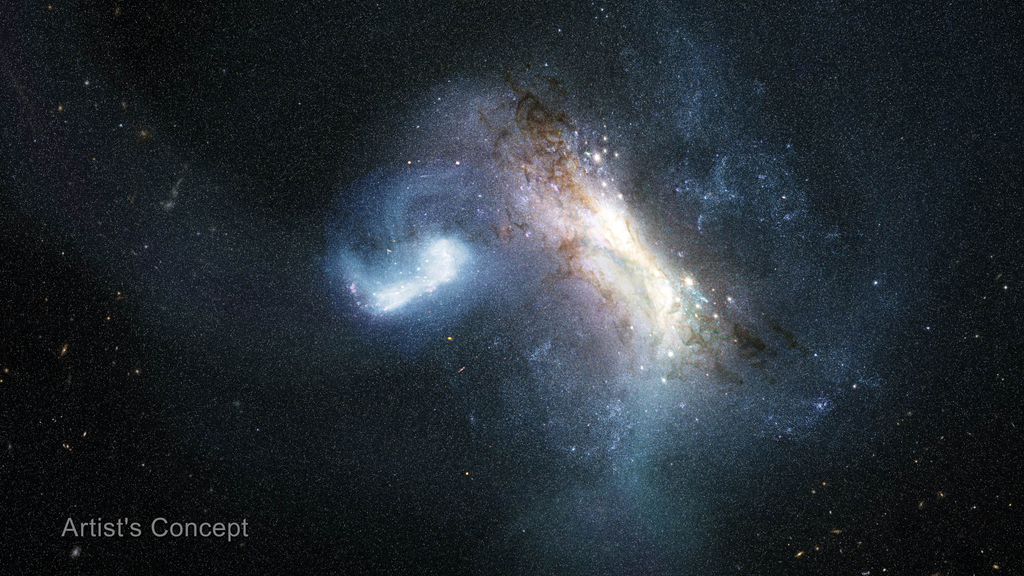
We now know that the typical galaxy is surrounded by a spatially extended circumgalactic medium (CGM) that serves as both its long-term fuel reservoir and garbage dump. While great progress has been made in understanding how galaxies grow and change, a self-consistent explanation for the physical origin of the CGM remains elusive. Understanding the physical conditions and chemistry of circumgalactic gas is essential in order to identify its origin and eventual fate. Using high-quality and high-resolution spectroscopy from space and ground, we can figure out the detailed chemical makeup of the CGM of individu-al galaxies. I will discuss the evidence for multitude physical origins of the CGM in different galaxy populations. I will end by discussing the prospects for future discoveries enabled by studying circumgalactic chemistry, using spatially resolved observations of the CGM ob-tained with the next generation of space and ground-based telescopes.
News Straight to Your Inbox
Subscribe to your community email news list
We will never share your email address.
