











Galaxies SIG Seminar
Galaxies Science Interest Group
DATE
Nov 07, 2023
TIME
1:00pm
COMMUNITY
Galaxies SIG
TYPE
Seminar
Near, far, wherever you are: Connecting local and high-z dwarf galaxy populations with HWO
Mia de los Reyes (Amherst College)
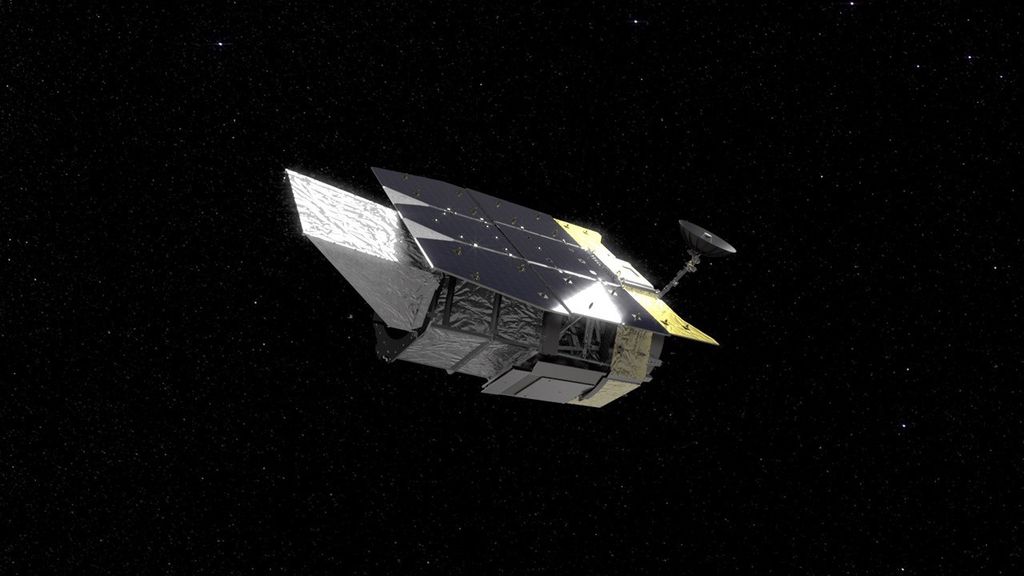
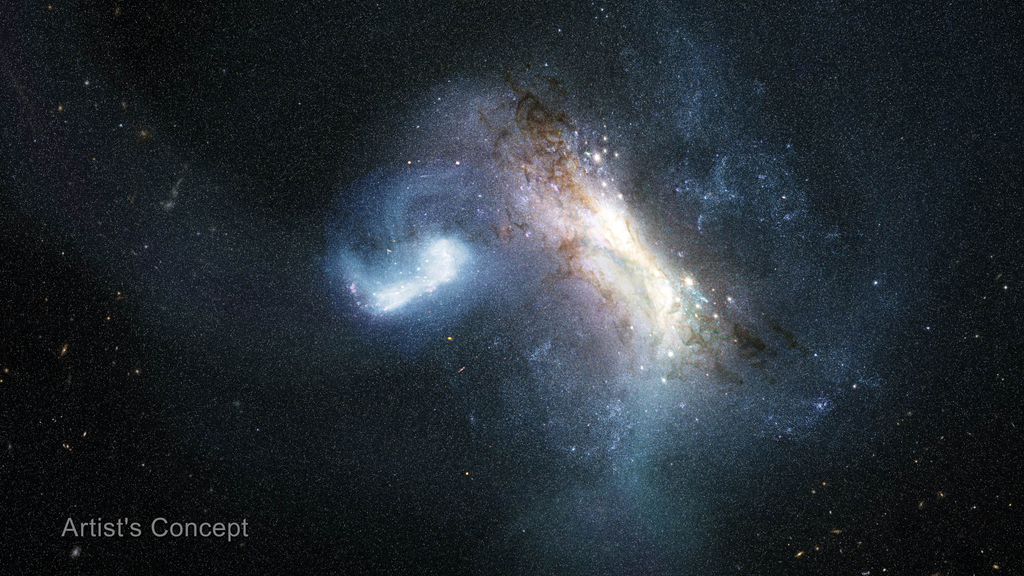
Although we are entering a new era of high-redshift science, we still don’t fully understand the systematic effects that impact our observations of high-redshift galaxies. At the same time, although we have begun mapping our own galaxy and its closest satellites in unprecedented detail, this level of detail has largely been limited to our Milky Way’s immediate surroundings. The Habitable Worlds Observatory (HWO) provides an incredible opportunity to connect these two disparate regimes using low-mass dwarf galaxies. Not only will HWO be able to identify some of the least massive galaxies in the early universe (including the progenitors of today’s Milky Way galaxies), it will also be able to observe dwarf galaxies as resolved stellar systems out to previously inaccessible distances, allowing us to bridge the gap between the different techniques used to measure galaxy properties. In this talk, I will discuss ongoing work towards this goal, and what this could mean for HWO.
News Straight to Your Inbox
Subscribe to your community email news list
We will never share your email address.
