
























Science Interest Group
Galaxies
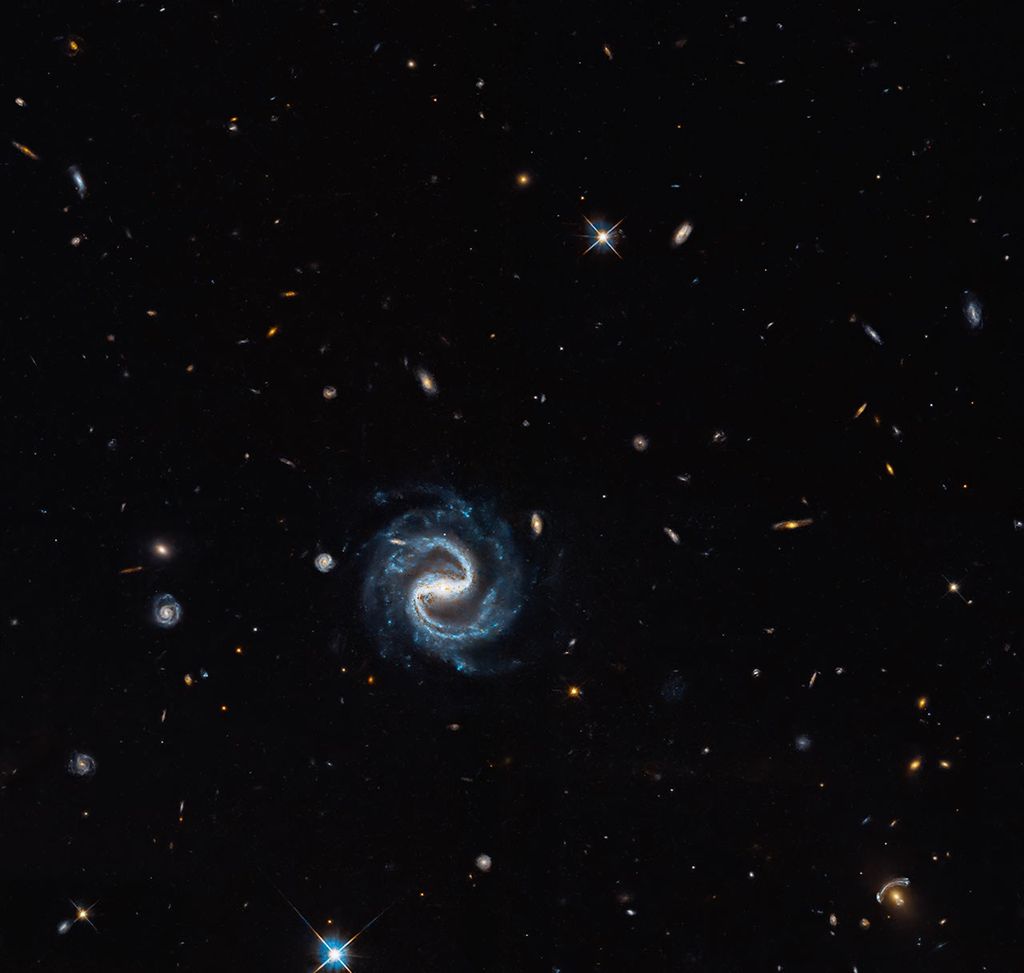
The Galaxies Science Interest Group (Galaxies SIG) offers an opportunity for researchers across all career stages studying galaxies.
About Galaxies SIG
Exploring Galaxies Throughout the Universe
The Cosmic Origins program is forming a science interest group (SIG) that will help NASA understand and implement recommendations from the upcoming decadal survey in the area of galaxies. This group will also sponsor discussions, research seminars, and periodic meetings.
Participating in a science interest group is an opportunity to meet people and make professional connections. It is an opportunity to learn about NASA astrophysics and share in the joy of creative science. It is also an opportunity to help others and give back to the astronomical community.

Stay Connected
Subscribe to the Galaxies SIG Email List
To join the list, send an email to Galaxies-SIG-join@lists.nasa.gov with Subject="join"
To unsubscribe, Send an email to Galaxies-SIG-leave@lists.nasa.gov with Subject="leave"
Your email address will be used only for the purpose of subscription to the selected email distribution list. For further information, read the NASA Web Privacy Policy.
News & Events
Meetings, seminars, workshops, conferences, and other SIG news and events

Roman eXtreme Deep Field (RXDF): What it is and What it Will Do. Speaker: Haojing Yan
A Galaxy Doesn’t Forget: Why You Should Trust Your Resolved SFHs from Photometric Observations. Speaker: Charlotte Olsen (CUNY City Tech)
Learning to See Sharper: Deep Learning for Astronomical Data Enhancement. Speaker: Shoubaneh Hemmati
Lights Out: Physical Views of Galaxy Quenching. Speaker: Lori Porter. 1:00pm ET
New Mission Concepts for the ASTRA Initiative. Speaker: Peter Kurczynski (Chief Scientist, Cosmic Origins Program Office)
Advancements in Exploring the Early Universe: Unlocking the Mysteries of Galaxies During the First Billion Years. Speaker: Rebecca Larson (STScI). 1:00pm ET
Leadership Council
| Name | Affiliation & Email |
|---|---|
| Lead: Benne Holwerda | |
| Co-Lead: Aaron Yung | |
| Caryl Gronwall | |
| Gregory Mosby | |
| David Sobral | |
| Shobita Satyapal | |
| Rupali Chandar |
News Straight to Your Inbox
Subscribe to your community email news list
We will never share your email address.
