


















Habitable Worlds Observatory Detector System Development Study Request for Proposals
12 June 2026
Due by July 7th, 2026
Dear Colleagues,
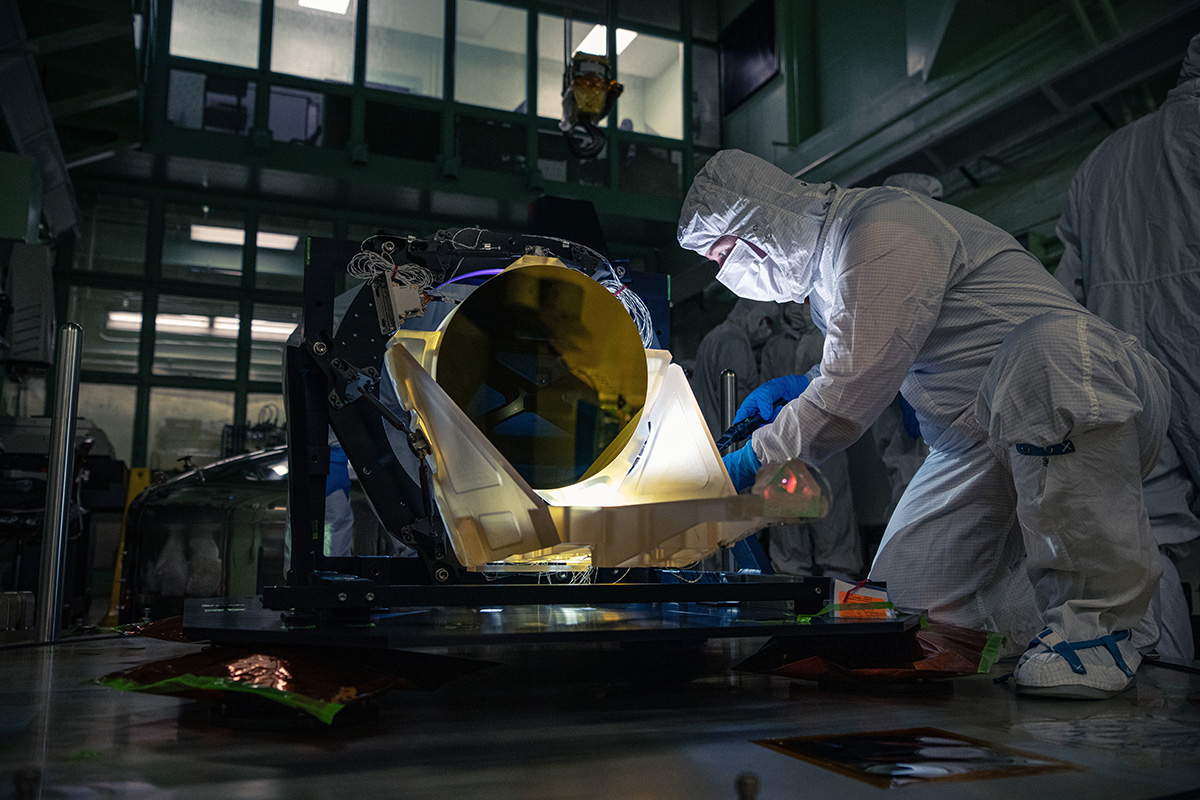
The Habitable Worlds Observatory Technology Maturation Project Office and Columbus Technologies are excited to invite you to participate in a Detector System Development Study focused on developing critical detector technologies for the Habitable Worlds Observatory. This request for proposals seeks information from qualified organizations capable of supporting detector technology maturation studies to advance candidate technologies toward Technology Readiness Level 5. Specifically, we are seeking responses to address one or more of the following detectors categories: photon-counting detectors for visible and near-infrared coronagraph applications, far-ultraviolet detectors, and large-format detectors for near-ultraviolet and visible applications. Details regarding the call for proposals, eligibility, required deliverables, and study phases are available at the Columbus Technologies website here: https://columbususa.com/opportunities/hwo-detector-rfp/
Respondents located at Government agencies including the Jet Propulsion Laboratory or NASA Centers (e.g., Goddard Space Flight Center, Ames Research Center, etc.) should submit their responses directly to Daniel Kelly (daniel.p.kelly@nasa.gov).
Note: Responses are due by July 7, 2026.
News Straight to Your Inbox
Subscribe to your community email news list
We will never share your email address.