









Habitable Worlds Observatory Virtual Town Hall 5 May 2023
4 May 2023
NASA is creating a Science, Technology, Architecture Review Team (START) to determine the science scope and needed observatory capabilities for the Habitable Worlds Observatory (HWO).
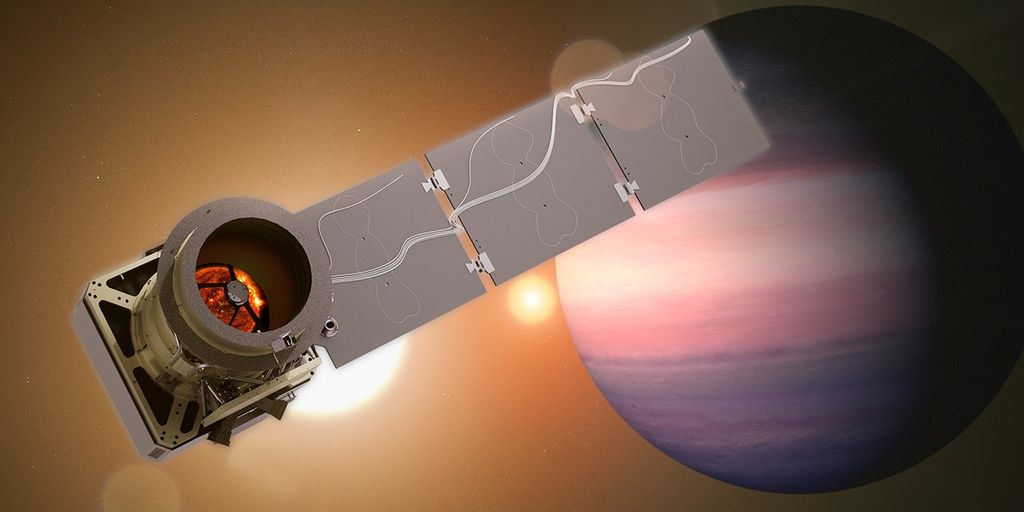
HWO was prioritized by the 2020 Astrophysics Decadal Survey and is slated to be the NASA Astrophysics flagship mission that will follow the Nancy Grace Roman Space Telescope. HWO will directly image and characterize exoplanets and conduct a wide range of groundbreaking astrophysics observations in the ultraviolet-visible-near infrared wavelength range.
NASA will host a Virtual Town Hall meeting on Friday, May 5, 2023, 11:30 AM – 12:30 PM (Eastern Time) to answer questions from the community. To connect to the town hall meeting, users with Microsoft Teams click here or follow this link: https://tinyurl.com/HWOSTART. Users without Teams can follow the link and choose the join with their browser.
Meeting ID: 284 516 069 792
Passcode: oCEbCt
Download Teams
The Dear Colleague Letter and detailed Terms of Reference can be found on the NASA Astrophysics Great Observatories Maturation Program (GOMAP) webpage.
News Straight to Your Inbox
Subscribe to your community email news list
We will never share your email address.