







IR STIG Webinar
Infrared Science and Technology Integration Group
DATE
Feb 01, 2022
TIME
3:00 pm EST
COMMUNITY
IR STIG
TYPE
Webinar
SOFIA Soaring Forward
Dr. Margaret Meixner (USRA / SOFIA Science Center)
The current and future science of SOFIA is exciting and compelling. SOFIA is the only far-infrared observatory in the world for the next decade and its necessary to prepare the astronomical community for Astro2020’s ambitious future. SOFIA advances Astro2020 science by directly addressing fully one half of the decadal science priorities in all three science themes: Cosmic Ecosystems, Worlds and Suns in Context, and New Messengers and New Physics. These three themes parallel NASA’s Astrophysics themes: How did we get here?, Are we alone?, and How does the Universe work?
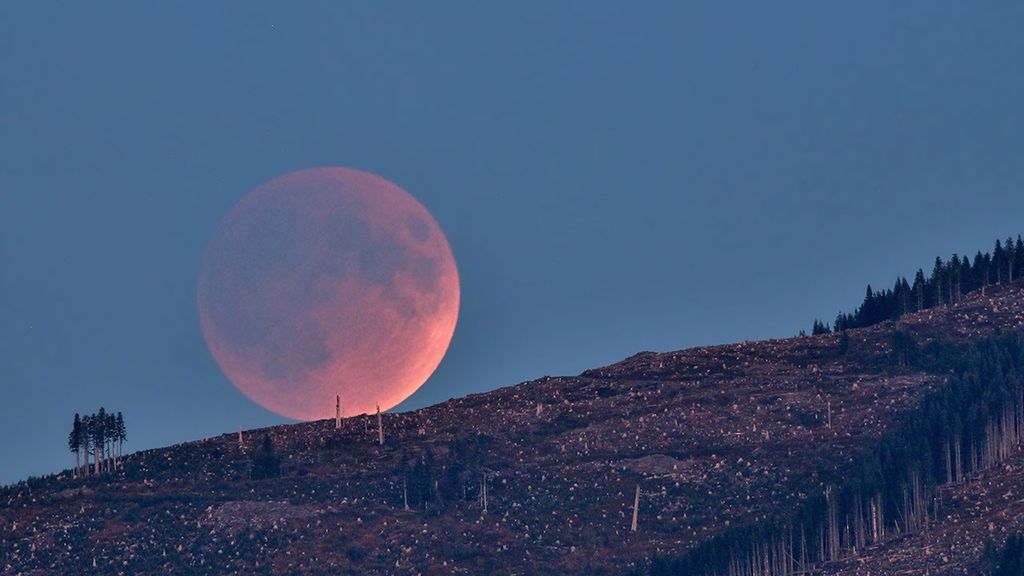
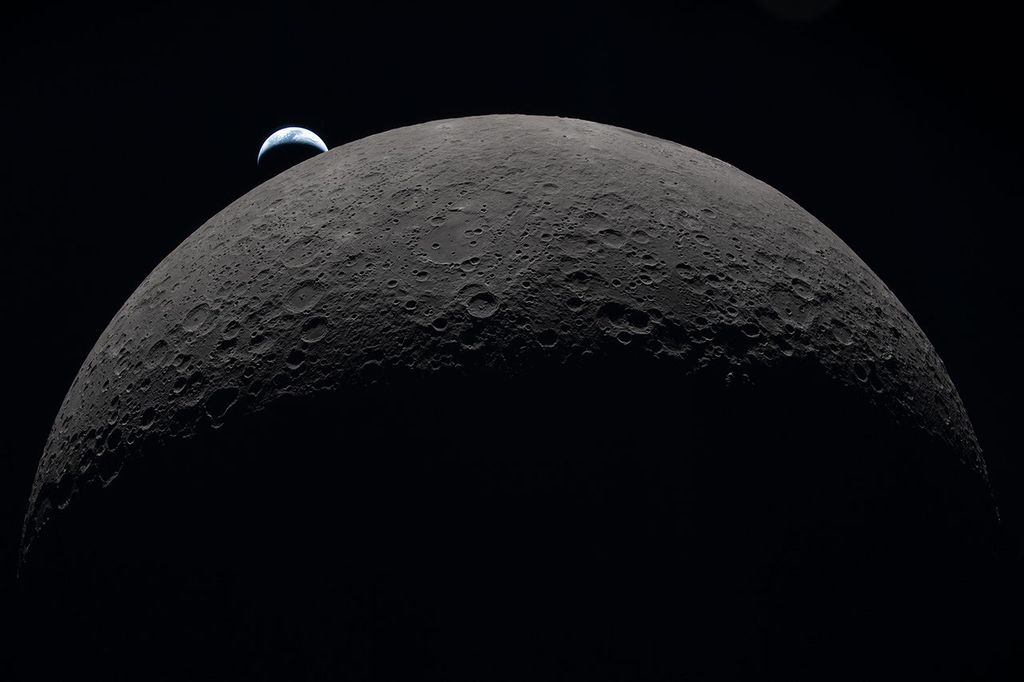
SOFIA’s efficiency and science productivity are on the right trajectory for SOFIA to achieve its full scientific potential. SOFIA’s observing time is increasing. Cycle 10 has 50% more time than Cycle 6 and twice the amount of time in the southern hemisphere. All the recommendations from the Flagship Mission Review (NASA’s 2019 review of SOFIA) have been addressed. Annual science publication rates for SOFIA have doubled over the past 3 years with a number of textbook changing results, such as discovery of water on the sunlit surface of the Moon. SOFIA is projected to double its annual publication rates in the next 3 years. NASA’s Astrophysics Advisory Committee (APAC) applauded recent efforts to improve the scientific productivity of SOFIA in their letter for the March 2021 meeting. The SOFIA user community is over 2000 investigators and authors strong and growing through its community engagement events. This talk will provide an overview of SOFIA science capabilities and opportunities.
Short Bio: Dr. Margaret Meixner is currently the Director of SOFIA Science Mission Operations. She previously served as a community co-chair for the Origins Space Telescope Study. Before SOFIA, she worked on the JWST project at STScI in a variety of capacities from instrument scientist, to Instruments Division Deputy and JWST project scientist. She is a member of the JWST/MIRI science team.
News Straight to Your Inbox
Subscribe to your community email news list
We will never share your email address.
