

















IR STIG Webinar
Infrared Science and Technology Integration Group
DATE
Nov 7, 2022
TIME
3:00 pm EST
COMMUNITY
IR STIG
TYPE
Webinar
Phosphine in the Atmosphere of Venus — A Sensitive Upper Limit using SOFIA GREAT
Dr. Martin Cordiner (NASA GSFC, Catholic University of America)
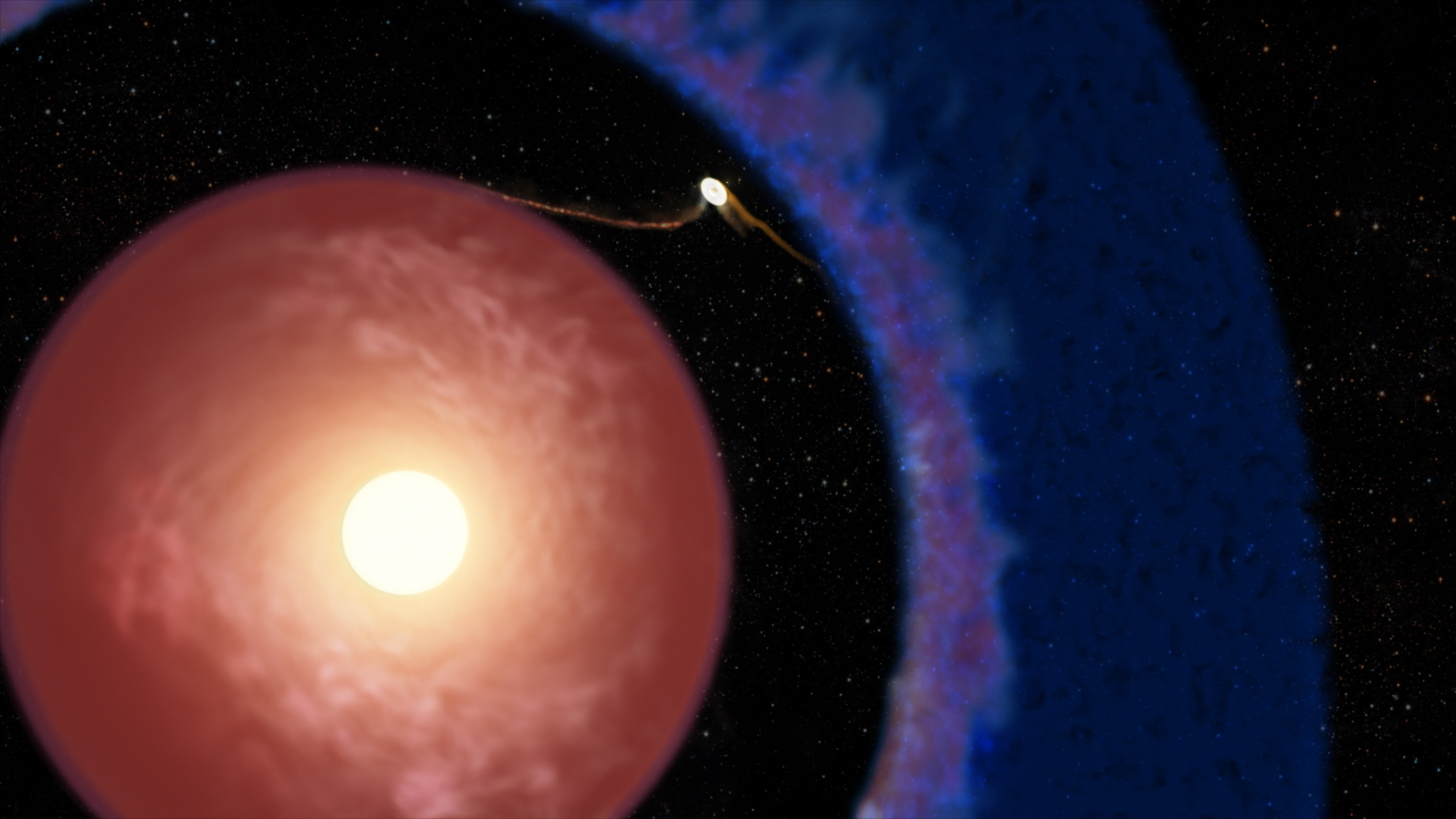
The presence of phosphine (PH3) in the atmosphere of Venus was reported by Greaves et al. (2021), based on spectroscopy of the J=1-0 transition using the Atacama Large Millimeter/submillimeter Array (ALMA) and the James Clerk Maxwell Telescope (JCMT). This unexpected discovery presents a challenge for our understanding of Venus's atmosphere, and has led to a reappraisal of the possible sources and sinks of PH3, for example, from photochemical, geochemical, meteorological and even biological processes. The claimed detection of PH3, however, was contested by several subsequent, independent analyses of the ALMA and JCMT data, and searches for infrared signatures of PH3 using other ground and space-based instruments have resulted in non-detections. Phosphine on Venus remains a serious topic for discussion in the planetary science community due to its potentially profound implications, and the fact that Pioneer Venus mass spectrometry is also consistent with the presence of PH3. In this talk, I will examine the previous ALMA and JCMT detections, and present new results on a sensitive search for PH3 on Venus based on observations made using the GREAT instrument onboard the SOFIA aircraft, over three flights in November 2021. I will also present preliminary results from new ALMA observations, searching for compounds related to phosphorous photochemistry on Venus.
AGN Feedback on the Star-Forming ISM in NGC 7469 with JWST
Dr. Thomas Lai (Caltech / IPAC)
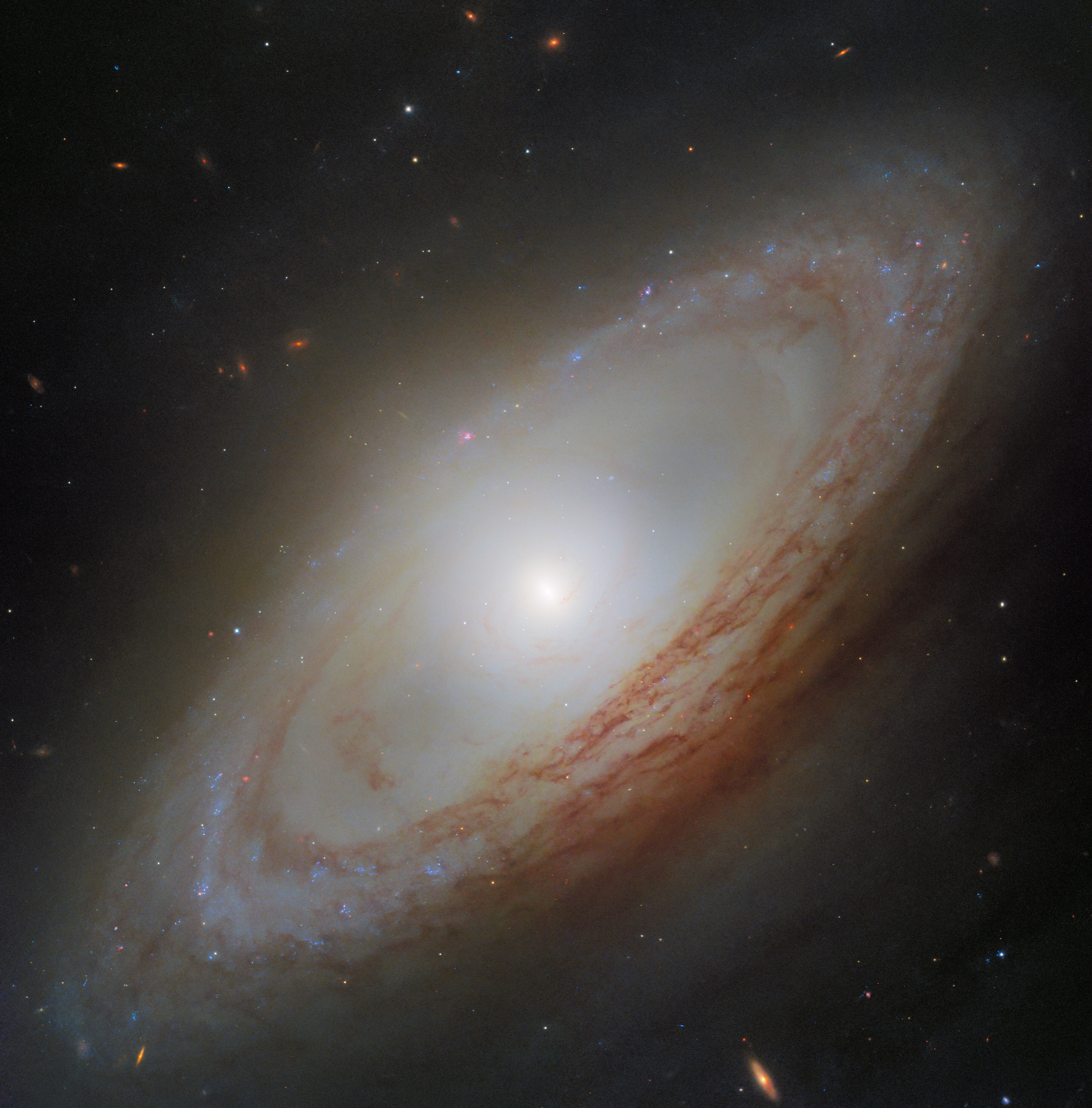
AGN feedback plays an important role in regulating star formation activity and nearby interstellar medium (ISM) through outflowing winds and ionizing radiation. This impact from the central supermassive black hole however has not been well studied in the past due to the lack of high spatial resolution in the infrared, which prevents us from taking a close look at the star-forming ISM in the vicinity of an AGN. However, the integral-field observations offered by JWST have opened up an enormous opportunity for studying the starburst-AGN connection in the sub-kpc scale. In this talk, I will present the MIRI IFU observation of a type 1 Seyfert galaxy NGC7469, which is a luminous infrared galaxy (LIRG) within the JWST Early Release Science (ERS) program “A JWST Study of the Starburst-AGN Connection in Merging LIRGs.” This galaxy hosts both a rapidly accreting black hole and a circumnuclear starburst ring with a radius of 500 pc. Dust and warm molecular gas can be studied on a ~100 pc scale as we take the advantage of the high spatial/spectral resolution of MIRI to isolate the starbursting event surrounding the AGN. We find the starburst ring exhibits prominent Polycyclic Aromatic Hydrocarbon (PAH) emission, with grain sizes and ionization states varying by only ∼30%. A suite of H2 pure rotational lines is also detected throughout the ring, enabling us to estimate the warm molecular gas mass and temperature. Our study demonstrates that with JWST the resolved properties of the near nuclear ISM can be finally studied in detail, in even the dustiest galaxies, on the scales of individual star-forming regions.
News Straight to Your Inbox
Subscribe to your community email news list
We will never share your email address.
