







NASA Postdoctoral Program Deadline: March 1st, 2026
23 January 2026
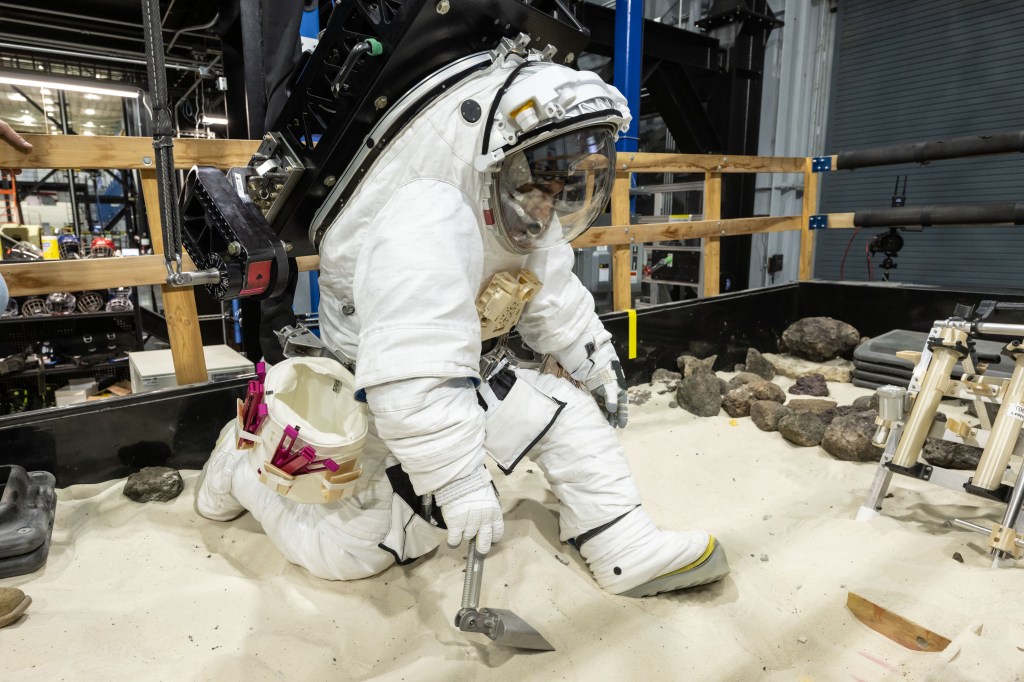
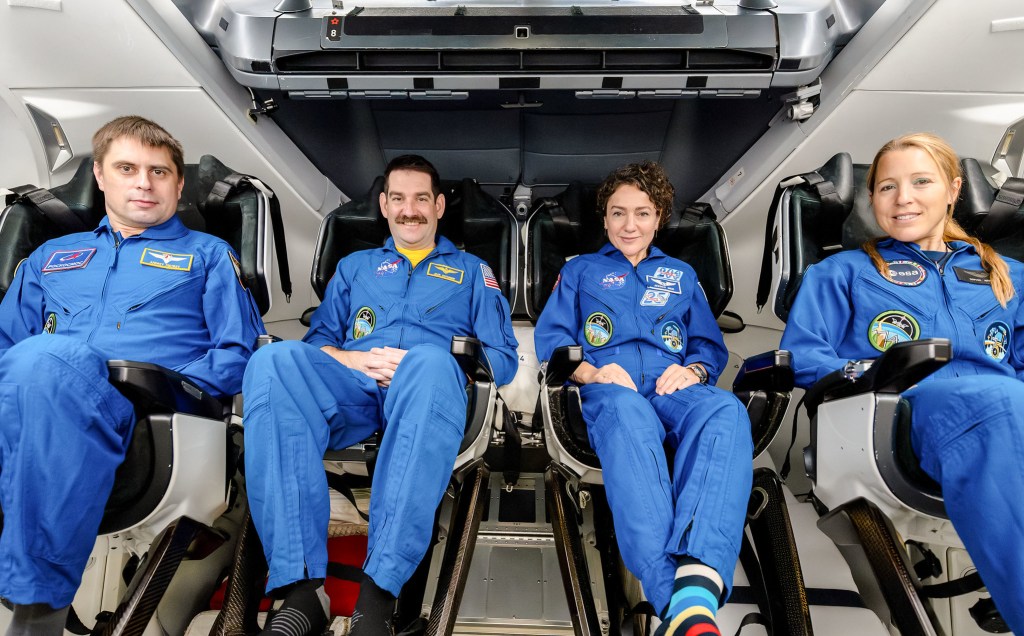
The NASA Postdoctoral Program (NPP) offers US and international scientists the opportunity to advance their research while contributing to NASA’s scientific goals. The NPP supports fundamental science; explores the undiscovered; promotes intellectual growth; and encourages scientific connections.
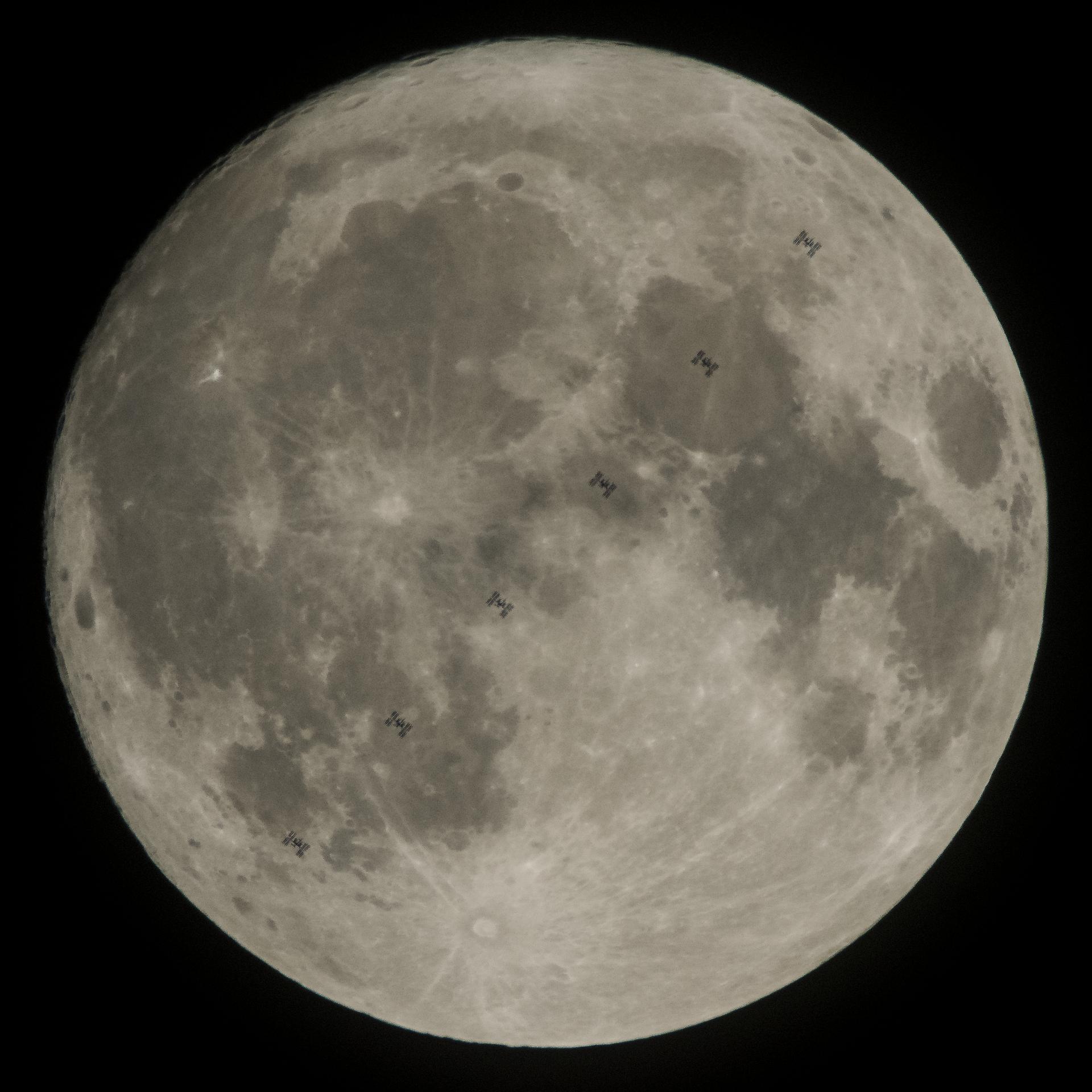
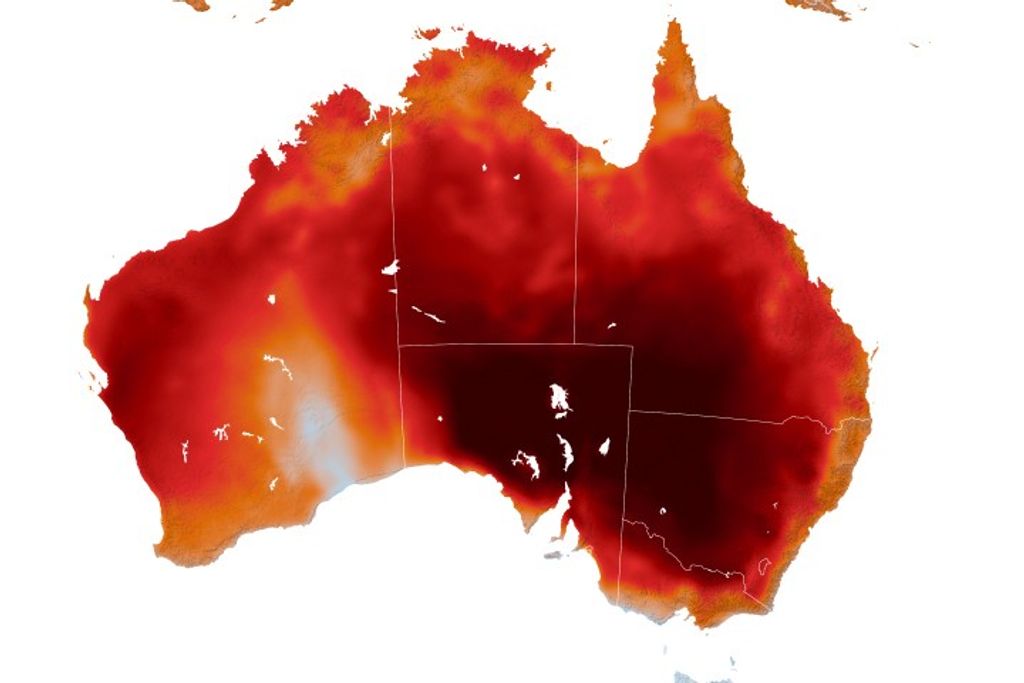
Selected by a competitive peer-review process, NPP Fellows complete one- to three-year Fellowship appointments that advance NASA’s missions in Earth science, planetary science, heliophysics, astrophysics, biological and physical science, aeronautics and engineering, human exploration systems, space operations, space technology, and astrobiology. Search for NPP research opportunities here: NPP Research Opportunities.
Applicants must have a Ph.D. or equivalent degree in hand before beginning the fellowship, but may apply while completing the degree requirements. Please see current eligibility requirements. Stipends start at $70,000 per year, with supplements for higher cost-of-living areas and for certain academic specialties. Financial assistance is available for relocation and health insurance, and $10,000 per year is provided for travel and professional development.
Applications are accepted three times each year. The next deadline is 1 March 2026. For further information and to apply, visit the applications web page. Please direct questions about NPP to npp@orau.org.
Please see the How to Apply page for application instructions and be sure to check out the Application Tips.
News Straight to Your Inbox
Subscribe to your community email news list
We will never share your email address.