













UV STIG Seminar
UV Science and Technology Interest Group : Quorum for Ultraviolet Exploration of Science and Technology (QUEST) Seminar 5
DATE
Sep 30, 2021
TIME
3:00 pm EST
COMMUNITY
UV STIG
TYPE
Seminar
QUEST Seminar 5
Aspera: Revealing the Diffuse Universe
Carlos Vargas & Haeun Chung, University Arizona
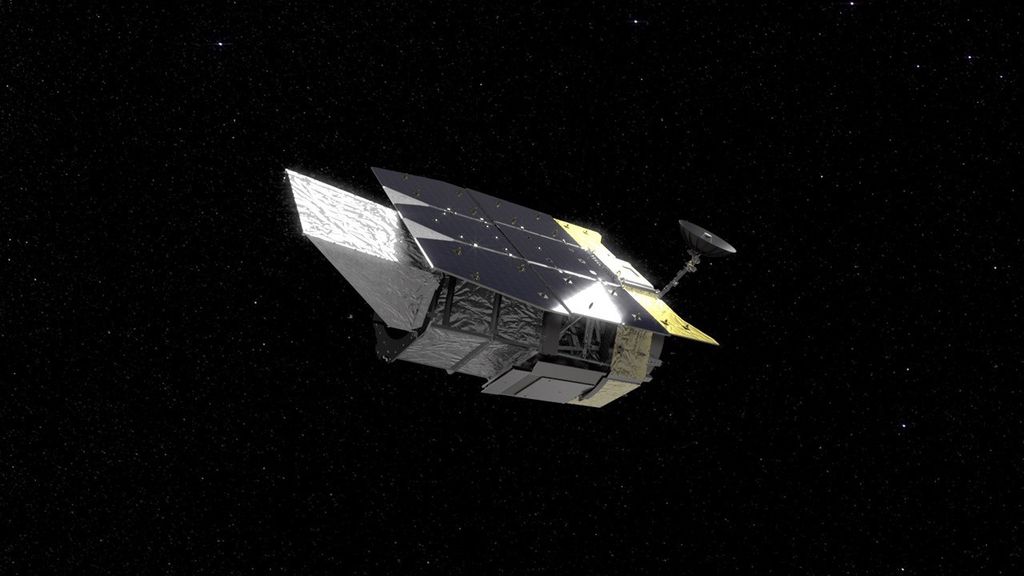
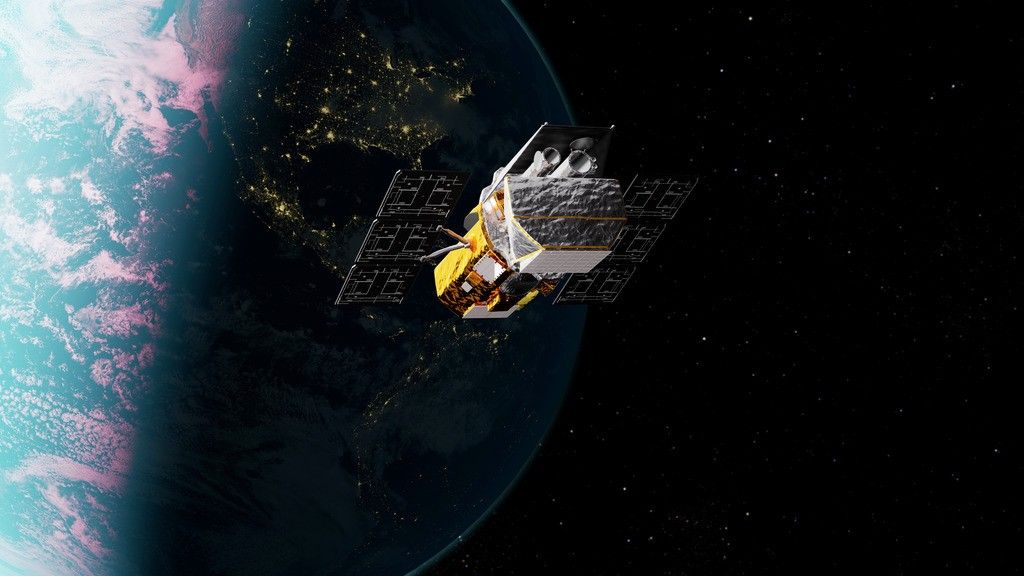
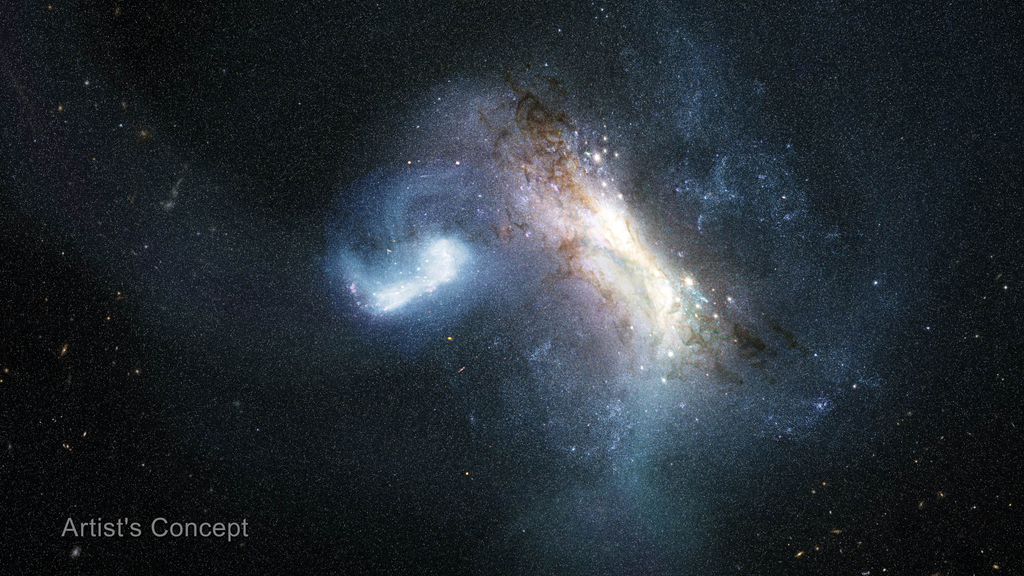
Aspera is a far ultraviolet (FUV) SmallSat Mission designed to map and characterize warm-hot coronal gas extending into the circumgalactic medium (CGM) from nearby galaxy halos for the first time. This novel investigation is crucial to understanding how galaxies evolve through time. Warm-hot phase coronal gas in galaxy halos accounts for more mass than the stars within the parent galaxy, yet this phase of gas is entirely un-mapped in the nearby universe despite its importance to galaxy evolution. Morphological characteristics of the coronal gas phase, such as the prevalence, extent, and motion, or even as basic a question as if the gas is primarily filamentary or volume-filling cloud-like structures, are impossible to determine through pencil-beam absorption line studies. The evolution of galaxies relies heavily on the properties of gaseous halos, indicating an urgent need to map and measure these understudied regions. With Aspera, we will be able to constrain spatially resolved physical and morphological properties of the warm-hot CGM for the first time.
Aspera observes warm-hot phase gas via the OVI transition doublet from highly ionized oxygen, occurring at 1032,1038 Angstrom rest frame. This transition is extremely temperature-sensitive, and is the strongest line transition that traces warm-hot gas. FUV observations must be done outside of Earth’s atmosphere, which requires a space-based telescope. Aspera’s instrument has a simple 2 surface optical design, inspired by the FUSE mission Rowland-circle spectrograph, and uses an advanced UV MCP detector with high spaceflight heritage to optimize throughput and sensitivity. Due to technology improvements, the Aspera instrument, despite being on a SmallSat platform, has a grasp (A*Omega) significantly larger than that of the FUSE Explorer-class telescope from 20 years ago. Aspera was selected for funding in the inaugural 2020 NASA Astrophysics Pioneers Program, and has a planned launch date in mid-2025.
News Straight to Your Inbox
Subscribe to your community email news list
We will never share your email address.
