Suggested Searches

Gamma Ray SIG Events

Seminars, Meetings, Conferences, Workshops, and other SIG Events

Gamma-Ray Burst Found to be Most Energetic Event in Universe

Gamma Ray SIG Seminar

Friday, 16 May 2025

Telescope image of stars, gas, and dust

Gamma Ray SIG Seminar

Friday, 18 April 2025

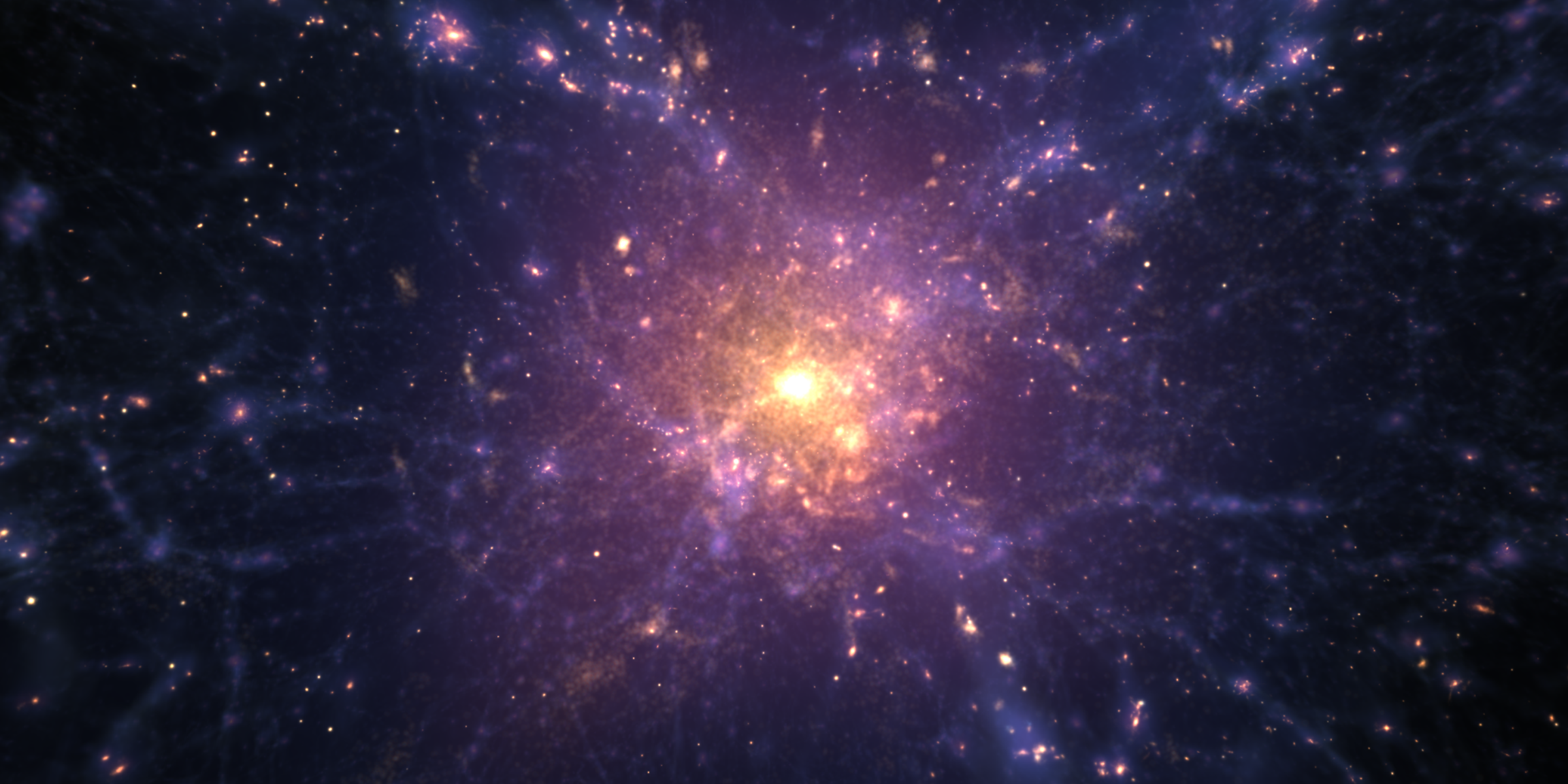
Artist’s concept of a scene during the Era of Reionization: Scattered across the black background are many small points of orange-yellow light. In the center is the largest orange-yellow orb, with its brightness illuminating its close surroundings. Purple clumpy material stretches across the scene, resembling a tangled spiderweb. It is densest surrounding the central orange-yellow light and becomes sparser toward the edges of the frame.

12 – 16 January 2025
National Harbor, Maryland

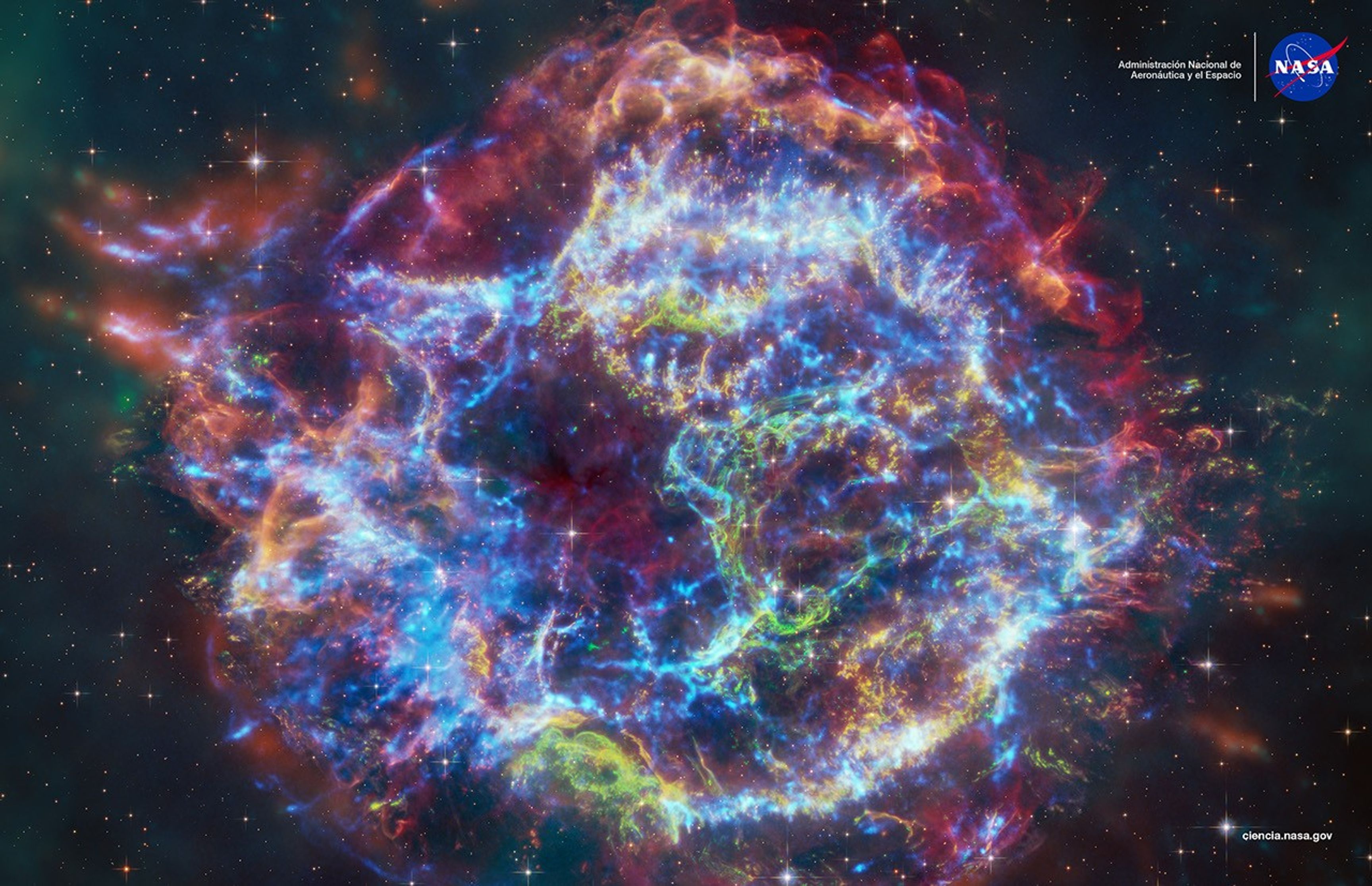
A colorful composite image of the Cassiopeia A supernova remnant. This image contains X-rays from the Chandra Observatory (blue), infrared data from the Webb Space Telescope (red, green, blue), and optical data from the Hubble Space Telescope (red and white). The outer parts of the image also include infrared data from NASA's Spitzer Space Telescope (red, green, and blue).

Gamma Ray SIG Seminar

Friday, 20 September 2024

Anatomy of a Black Hole's Surroundings Revealed: Major Study Includes Observations with NASA's Hubble Space Telescope

Technology Gaps Seminar

Friday, 17 May 2024

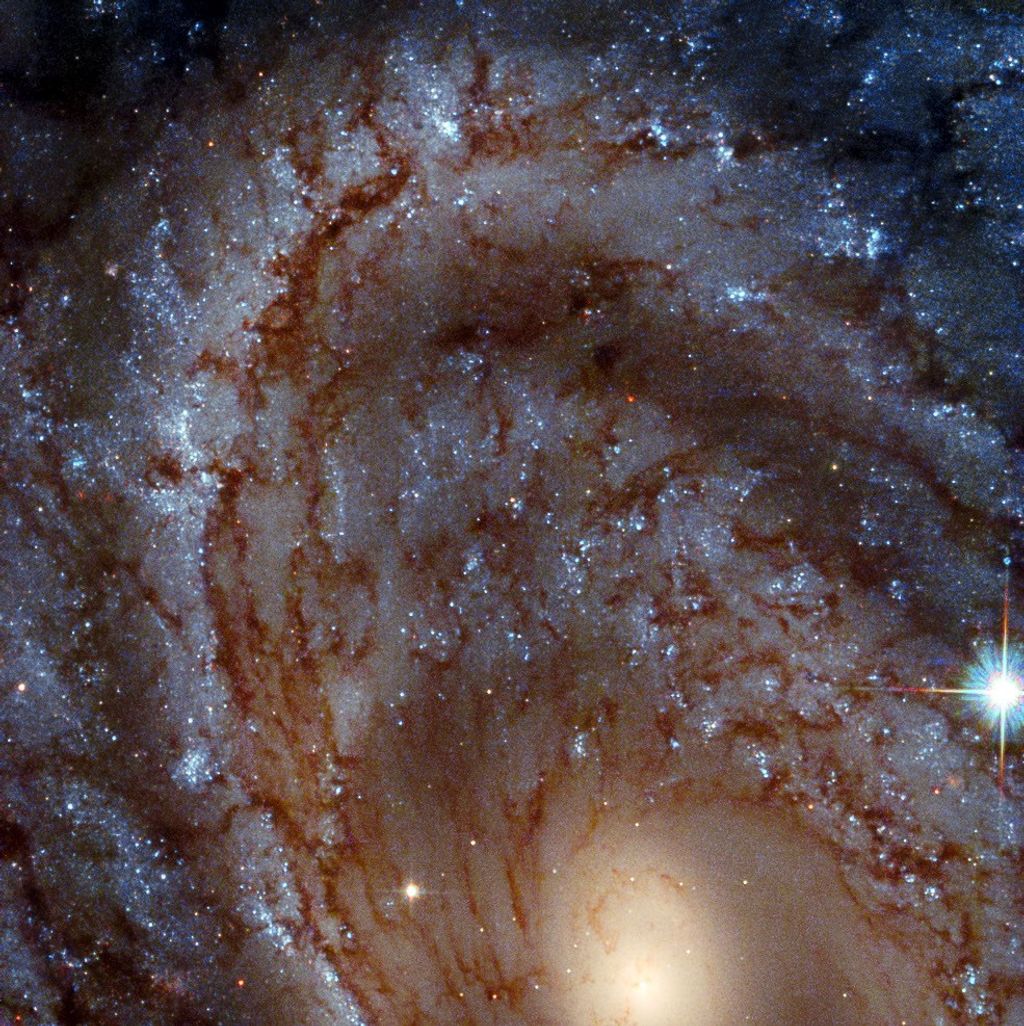
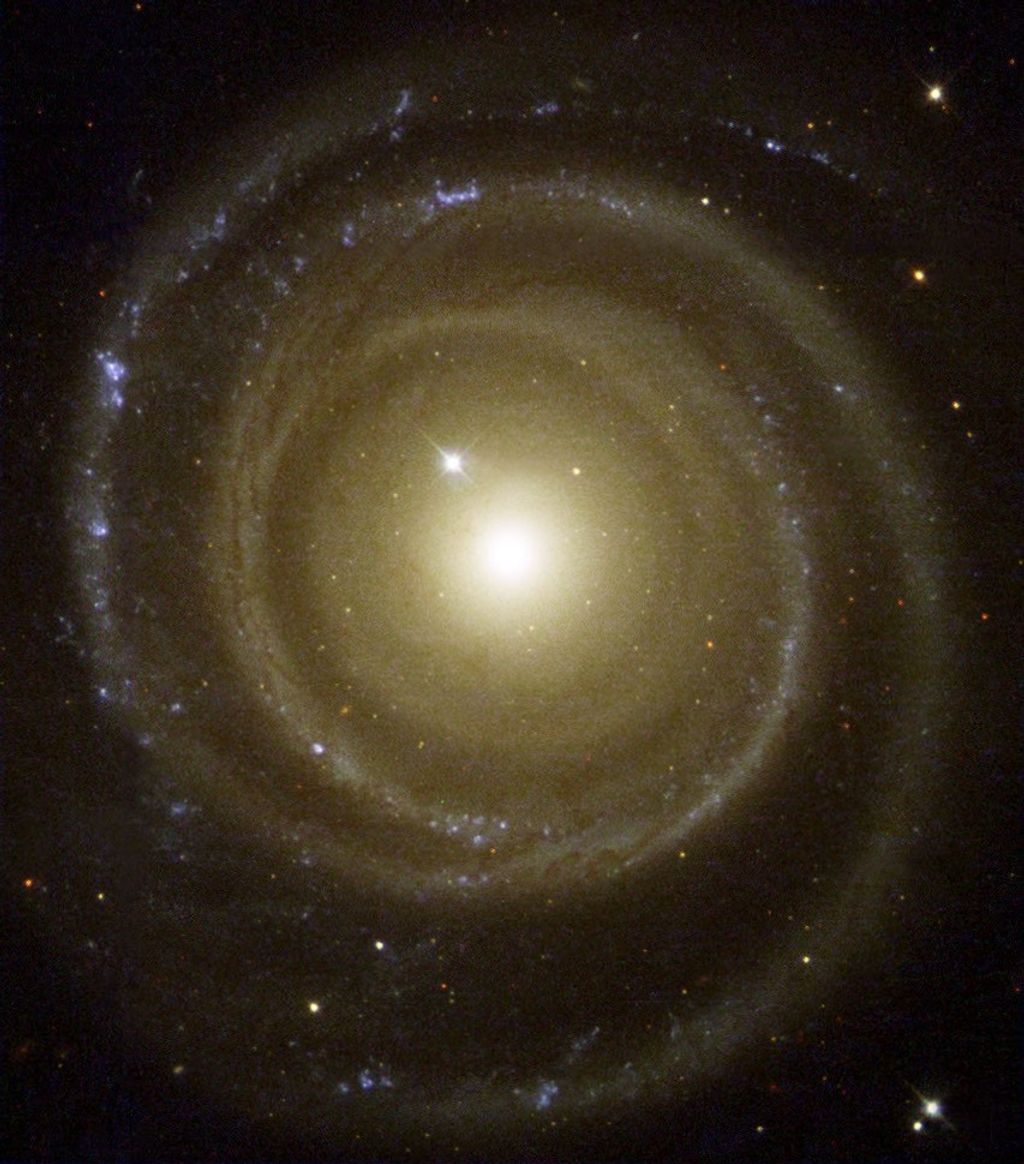
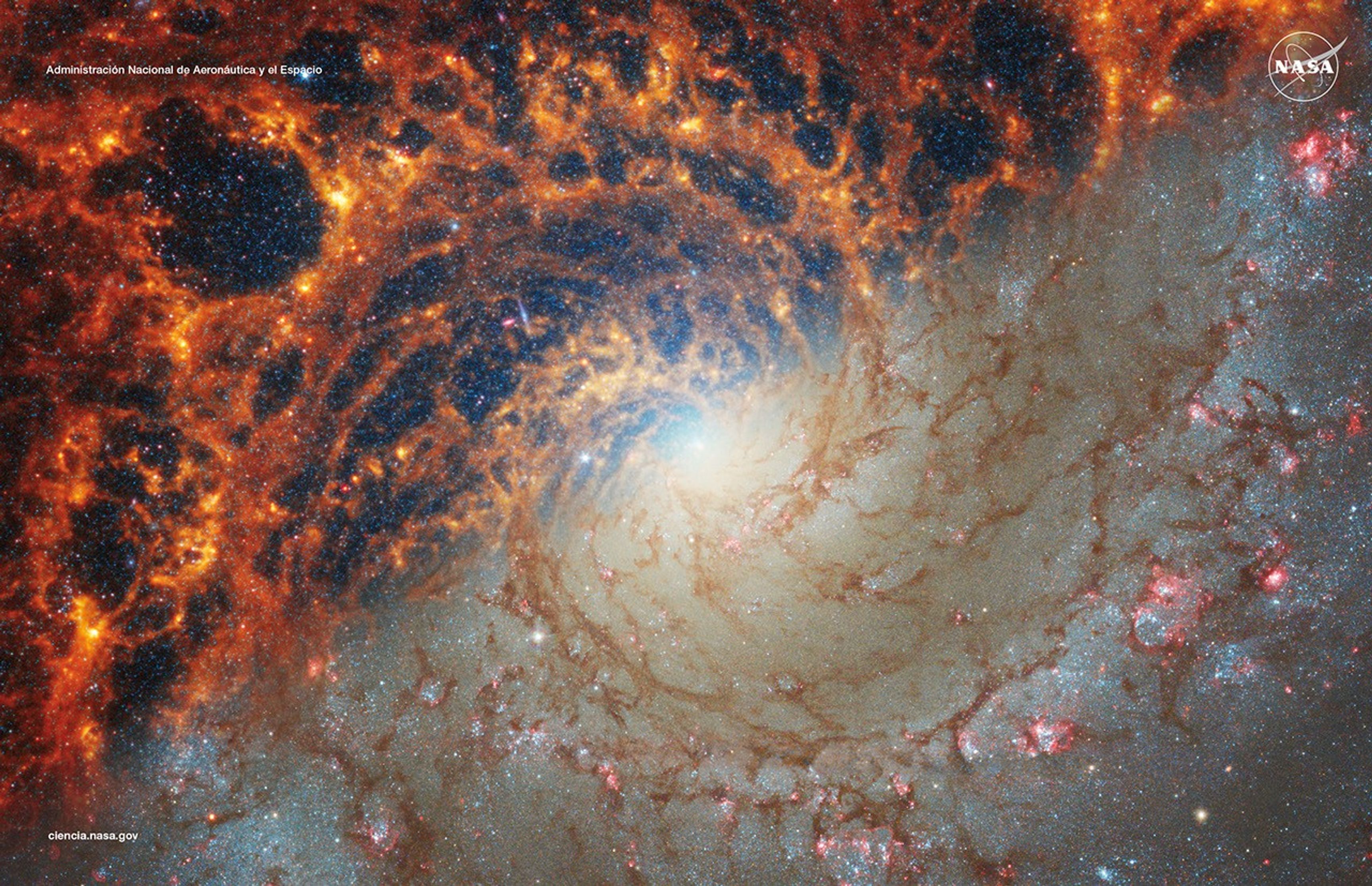
A spiral galaxy’s whirling arms fill the image. The yellow galactic core is visible at the bottom center of the image, with arms arcing upward. Dark-brown dust and bright-blue stars lace through the spiral’s arms. A foreground star with diffraction spikes shines at the lower-right side of the image.

Joint PAG Seminar on Technology Gaps

Tuesday, 14 May 2024

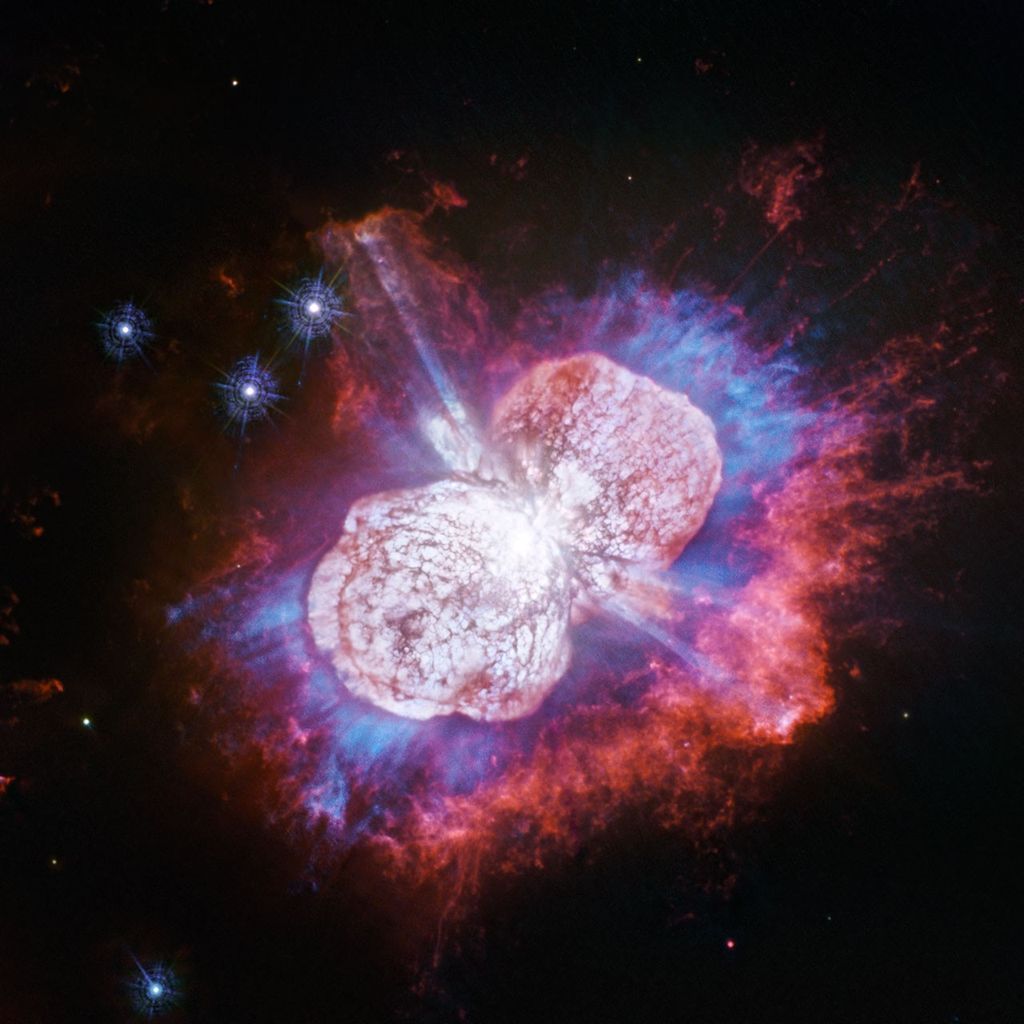
Eta Carinae: Observations in UV Light Uncover Magnesium Embedded in Warm Gas

7 – 12 April 2024
Horseshoe Bay, Texas.

Illustration of the "Fermi Bubbles," gamma-ray emitting lobes above and below the plane of the Milky Way.Credit: NASA's Goddard Space Flight Center

Gamma Ray SIG Seminar

Friday, 16 February 2024

A field filled with stars and galaxies against a black background. A small pinkish circle at image center denotes the host galaxy of a gamma-ray burst.

7 – 11 January 2024
New Orleans, Louisiana

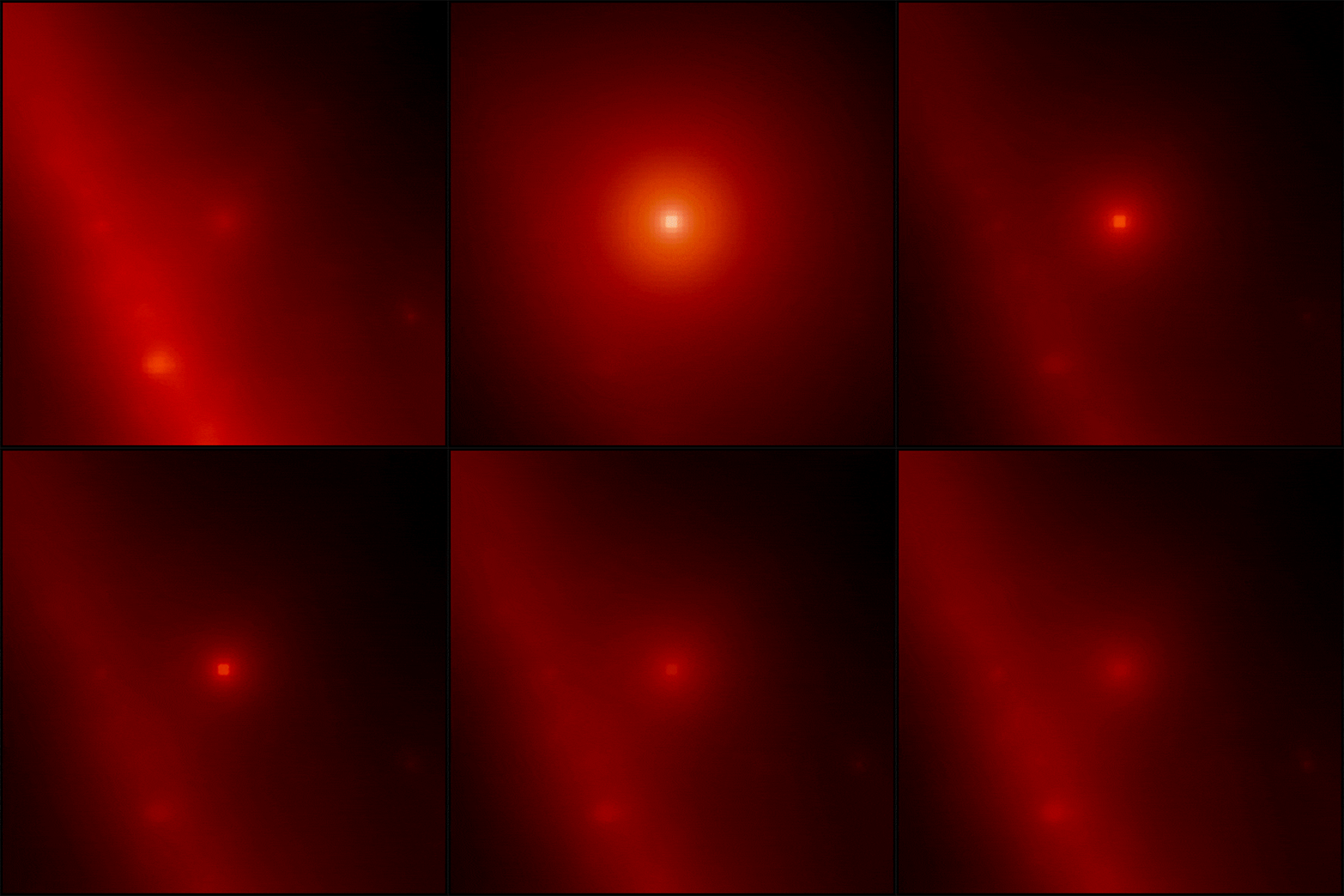
This sequence constructed from Fermi Large Area Telescope data reveals the sky in gamma rays centered on the location of GRB 221009A. Each frame shows gamma rays with energies greater than 100 million electron volts (MeV), where brighter colors indicate a stronger gamma-ray signal. In total, they represent more than 10 hours of observations. The glow from the midplane of our Milky Way galaxy appears as a wide diagonal band. The image is about 20 degrees across.Credit: NASA/DOE/Fermi LAT Collaboration

Gamma Ray SIG Seminar

Friday, 17 November 2023

Artist's concept of gamma ray sky with dipole marked in magenta

Gamma Ray SIG Seminar

Friday, 22 September 2023

Arist's concept of the COSI spacecraft

Gamma Ray SIG Seminar

Friday, 16 June 2023

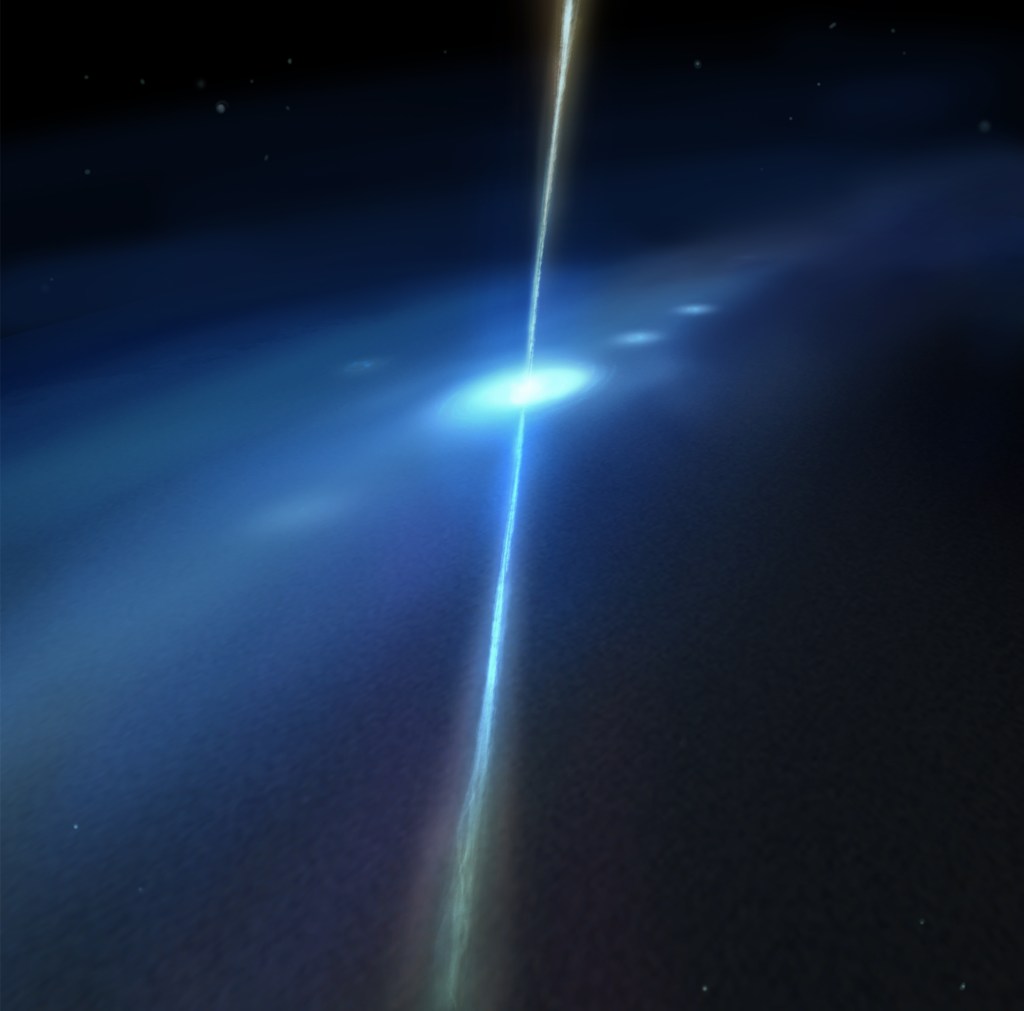
Illustration of a particle jet emerging from a dying star

Gamma Ray SIG Seminar

Friday, 12 May 2023

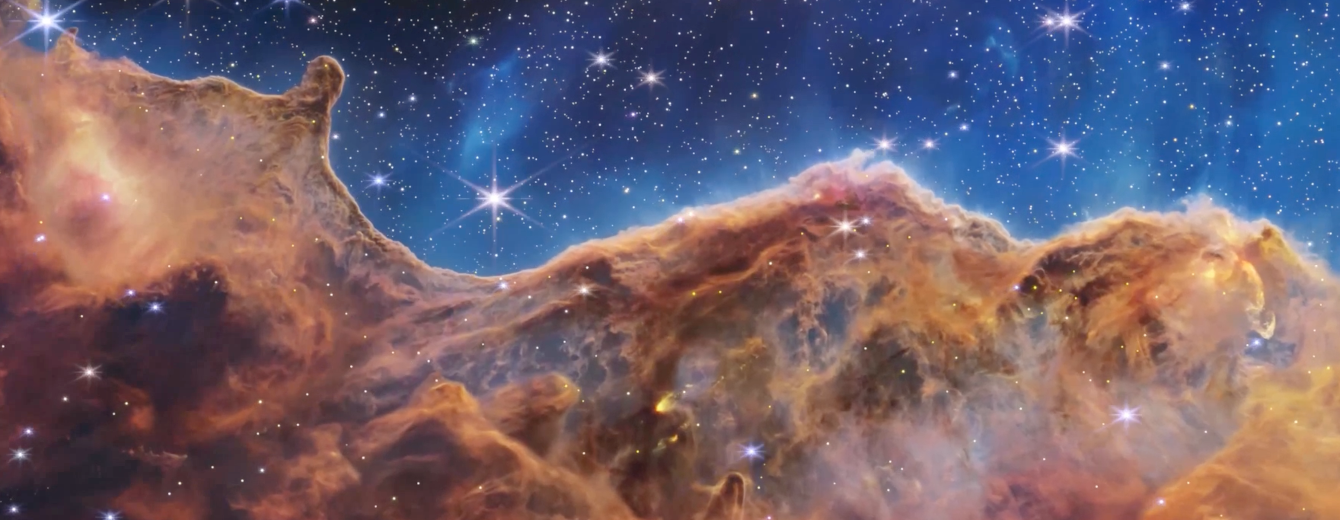
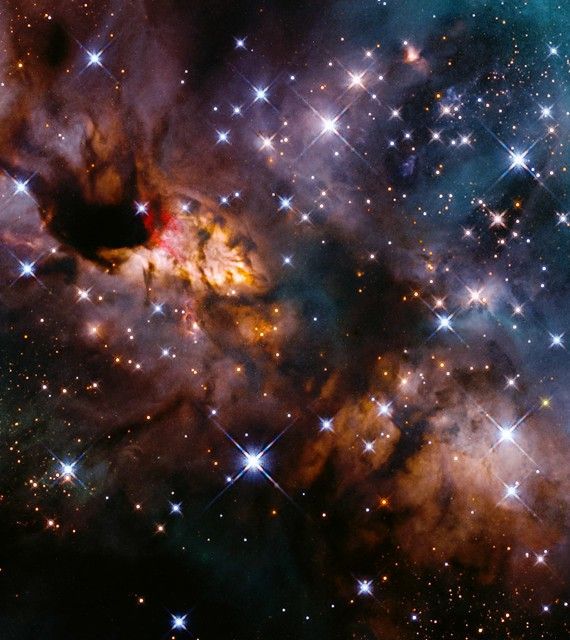
The image is divided horizontally by an undulating line between a brown cloudscape forming a nebula along the bottom and a comparatively clear upper portion in blue. Speckled across both portions is a starfield, showing innumerable stars of many sizes. The upper blue portion has wispy translucent cloud-like streaks rising from the nebula below. The orange and brown cloudy formation in the bottom half varies in density and ranges from translucent to opaque. The nebula contains ridges, peaks, and valleys—an appearance similar to a mountain range. In the bottom left corner, a clearer area free of gas and dust appears black with speckled stars.

HEAD 19 Meeting

13 – 17 March 2022

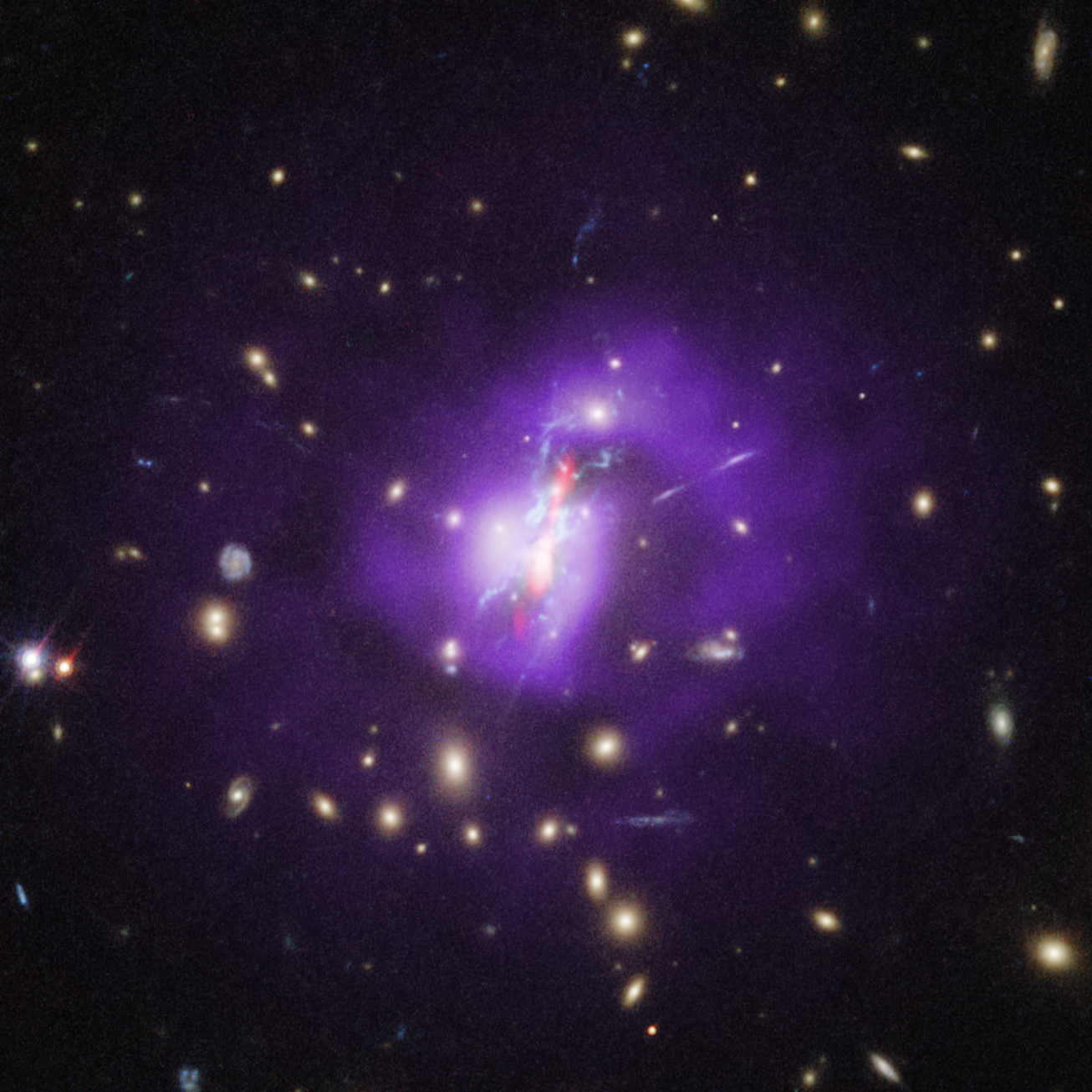
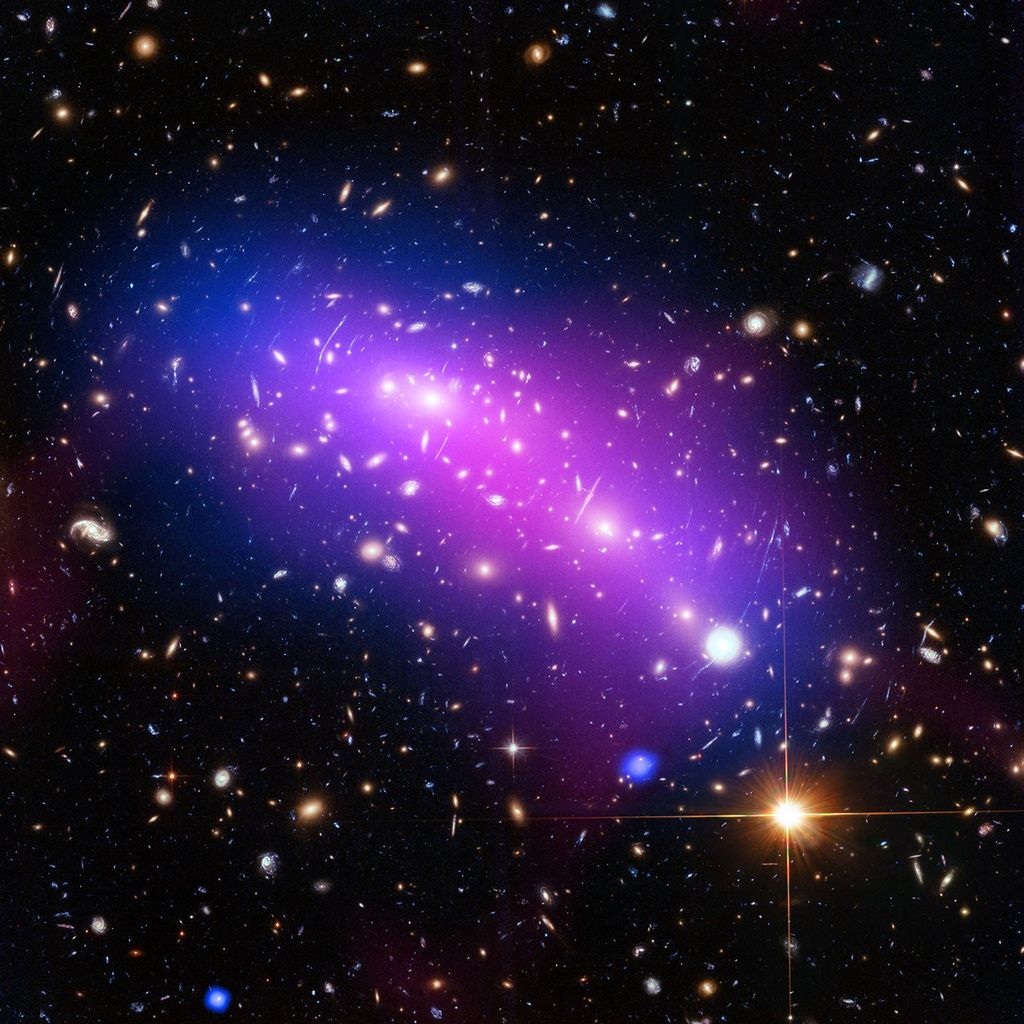
A galaxy cluster. The center of the cluster is bright white with short red jets that point toward the top right and bottom left, and several blue filaments that spread throughout the center. Outside the bright center is purple gas that is bright toward the center and dimmer further from the center. Yellow galaxies of various shapes and sizes are spread throughout the image.

17– 21 March 2019
Monterey, California

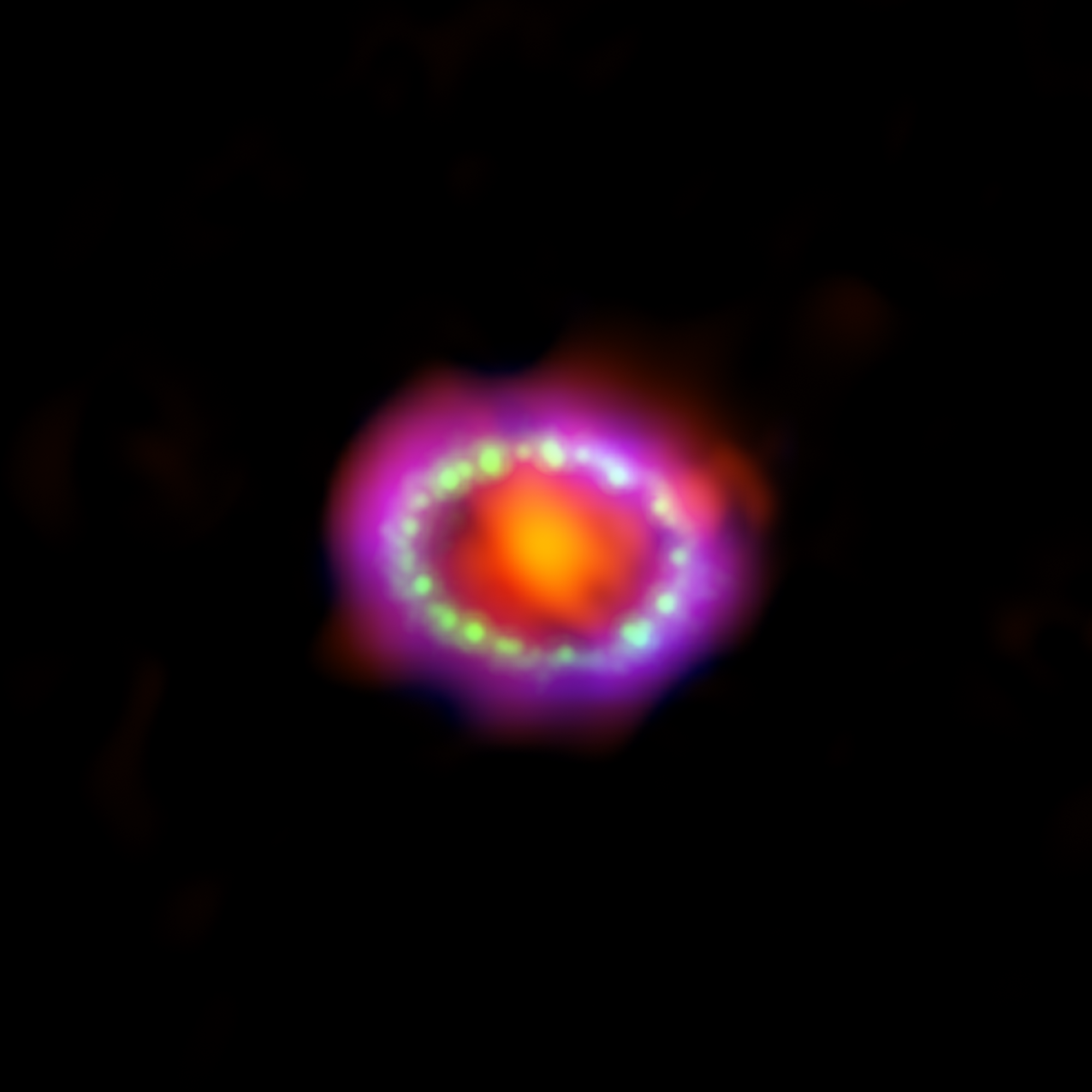
An orange central region surrounded by a necklace-like ring of green and blue-green beads within a wider purple ring.

6 – 10 January 2019

Gamma Ray SIG Workshop

Monday, 1 October 2018

The Veil Nebula, NGC 696

Decadal Survey Planning Telecon

1 August 2018

Explore the challenges in detecting gamma rays from far away sources like galaxy PKS 1441+25 in this video.

Gamma Ray SIG Workshop

Decadal Survey Science White Papers
23–24 May 2018

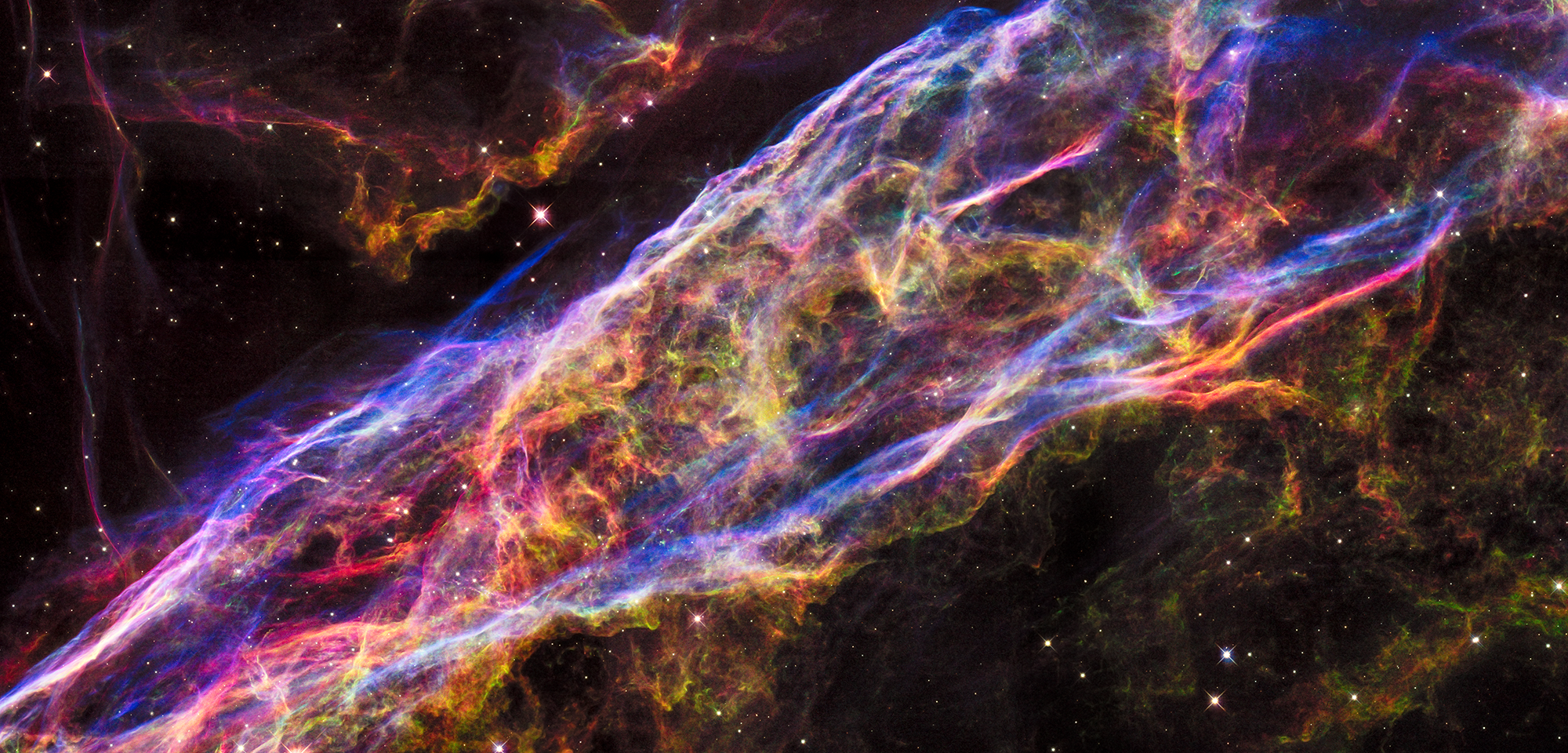
A colorful, glowing nebula that reaches beyond the top and bottom of the image. This translucent cloud of gas holds wispy and thin filaments with hard edges in some places, and puffy and opaque in others. Blue, red, and yellow colors mix together, showing light emitted by different types of atoms in the hot gas. Scattered across the colorful nebula are bright and point-like foreground and background stars. The background is black.

20 – 24 August 2017

Colorful image of a bright cloud of gas, dust, and stars.

3–7 April 2016
Naples, Florida

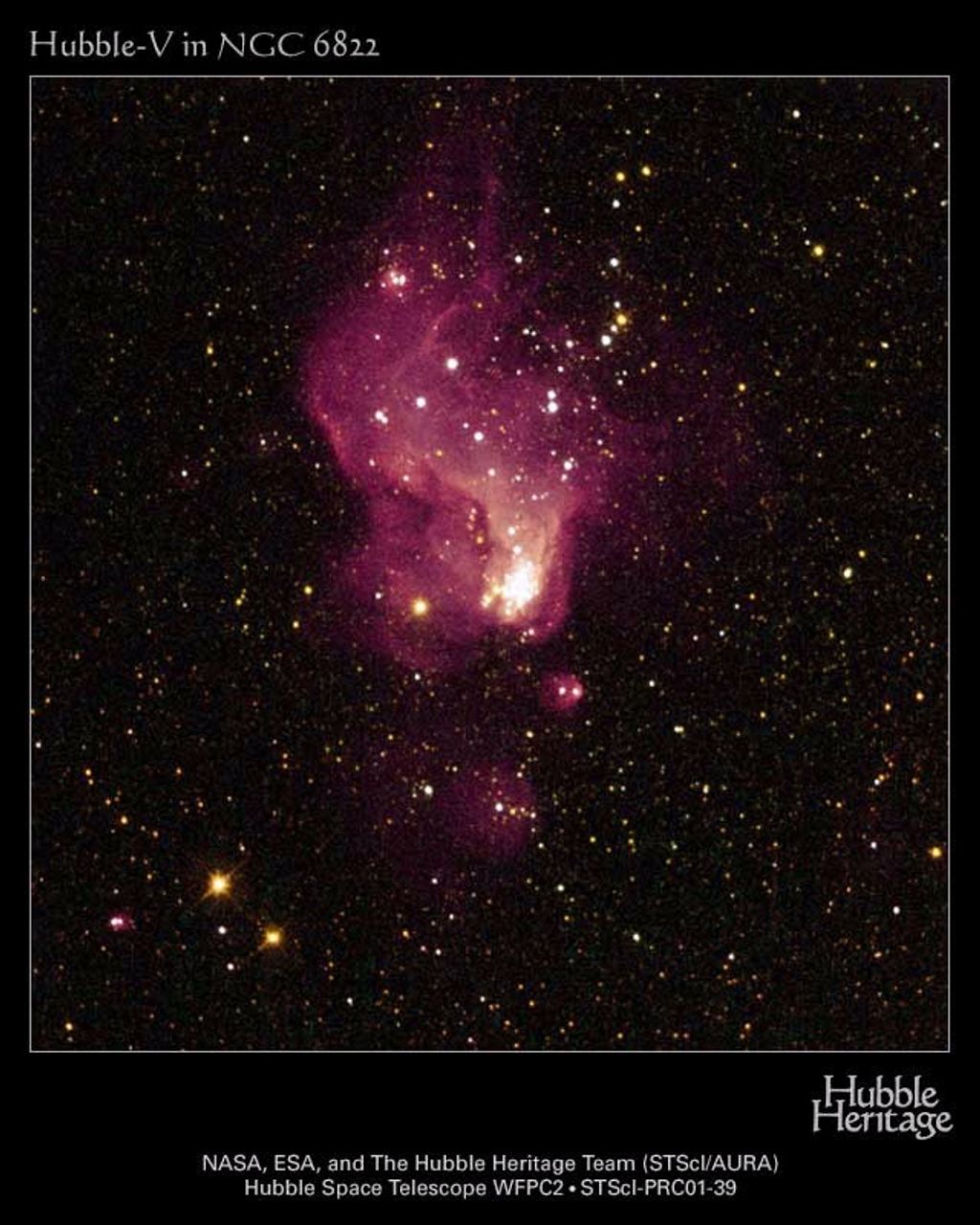
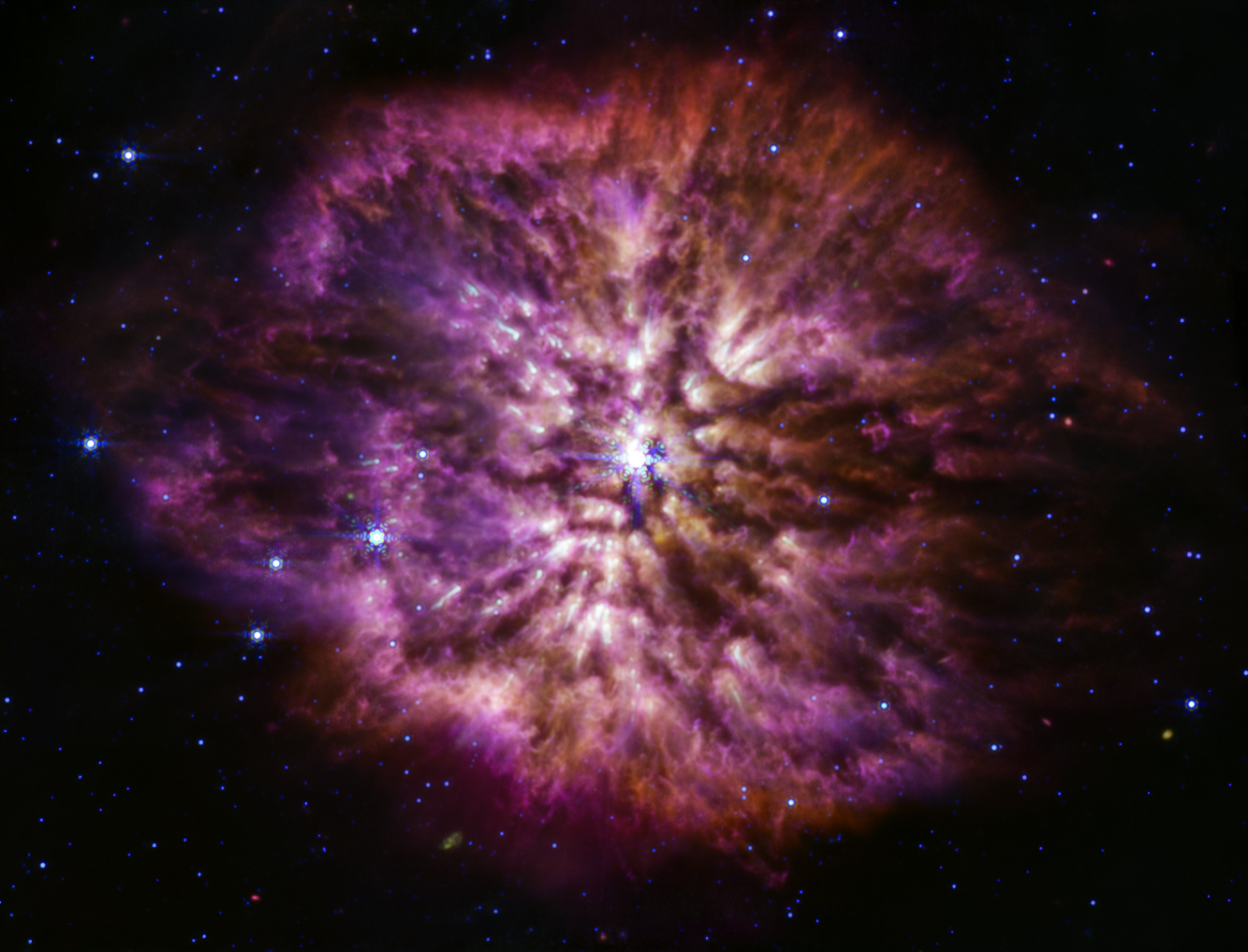
A large, bright star shines from the center with smaller stars scattered throughout the image. A clumpy cloud of material surrounds the central star, with more material above and below than on the sides, in some places allowing background stars to peek through. The cloud material is yellow closer to the star, and turns purple at its outer edges.

4–8 January 2016
Kissimee, Florida

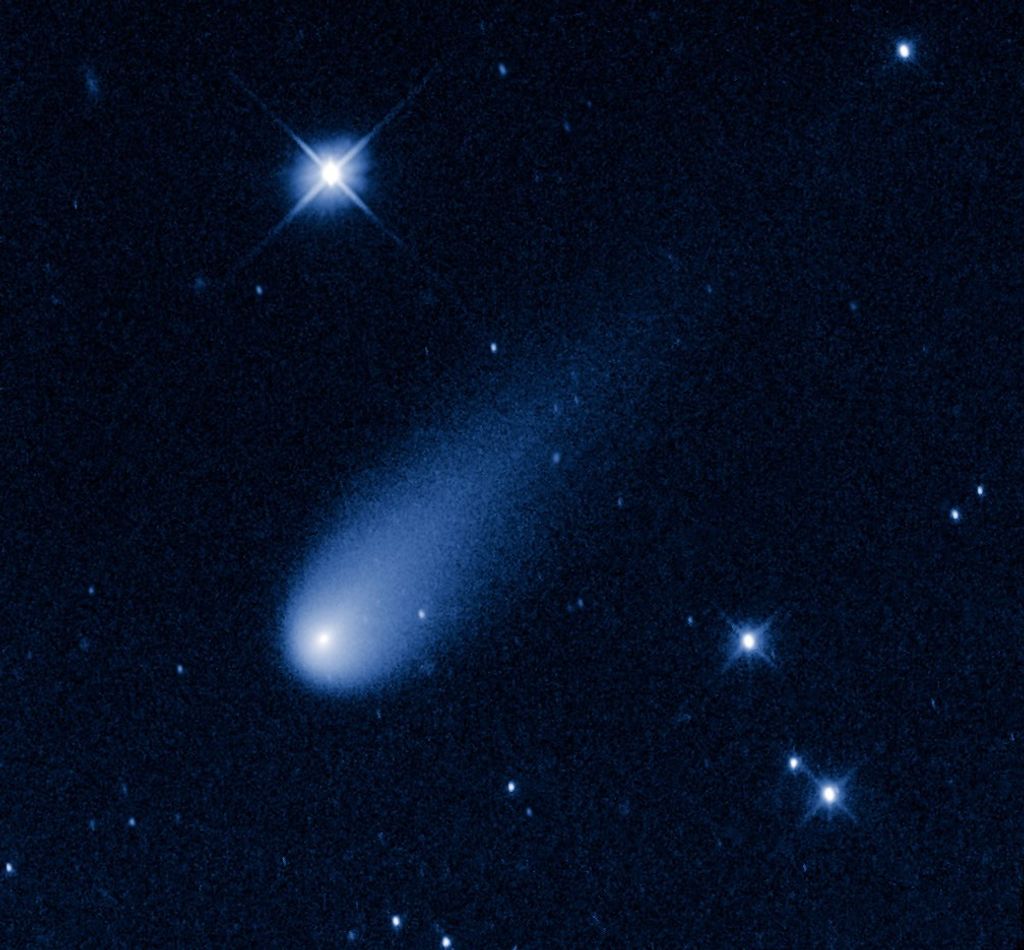
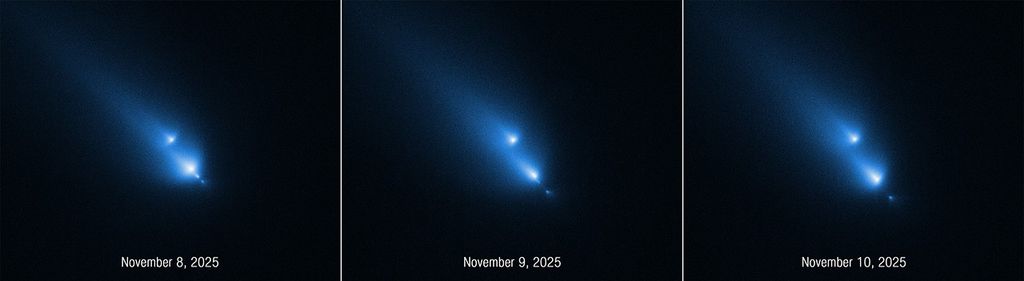
Image of a blue and white comet on a dark star-covered background.

9–13 November 2015
Arlington, Virginia

Swift’s X-Ray Telescope captured the afterglow of GRB 221009A about an hour after it was first detected. The bright rings form as a result of X-rays scattered by otherwise unobservable dust layers within our galaxy that lie in the direction of the burst. The dark vertical line is an artifact of the imaging system.Credit: NASA/Swift/A. Beardmore (University of Leicester)

29 June – 1 July 2015

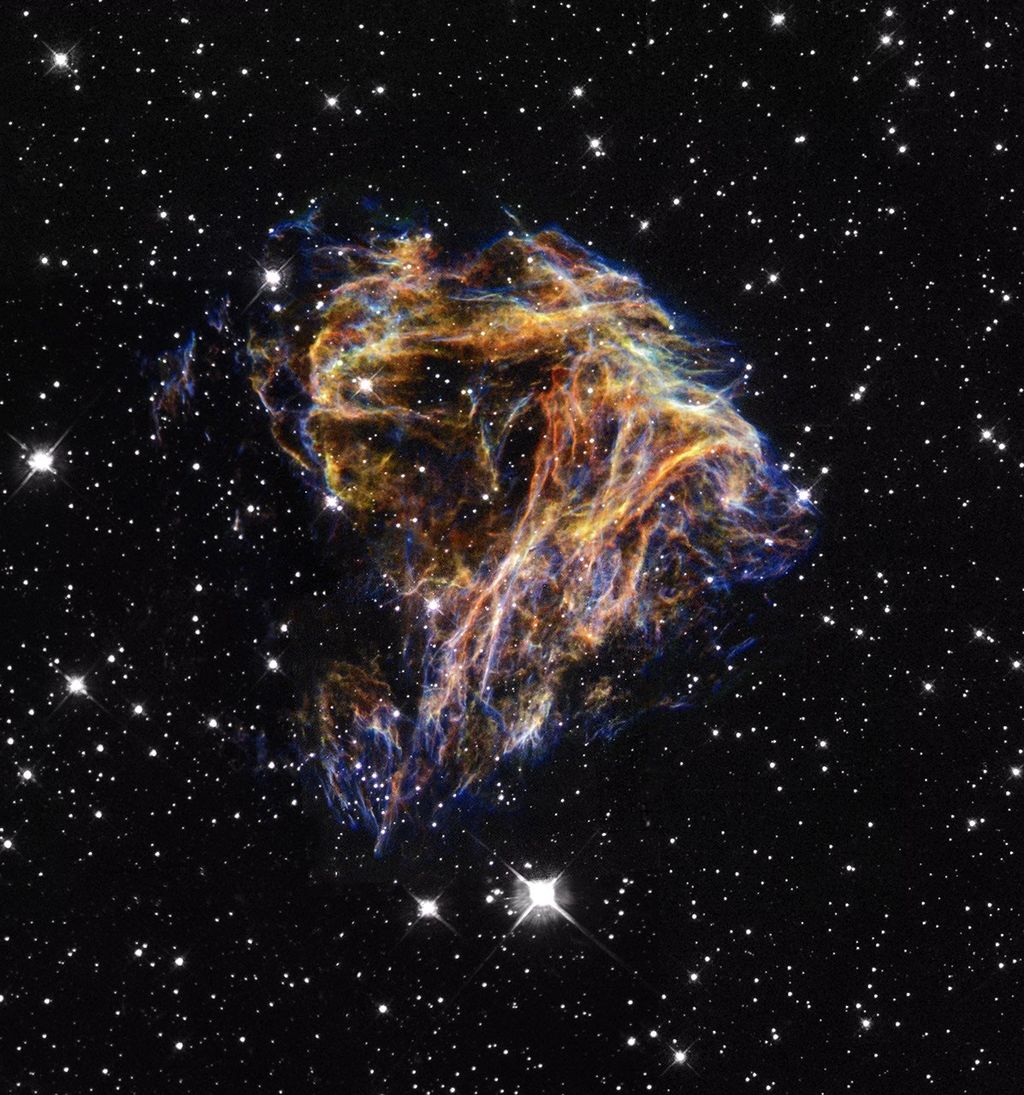
Filaments of yellow, green, and blue spread out over the center like a backward “P.”

11–14 April 2015
Baltimore, Maryland

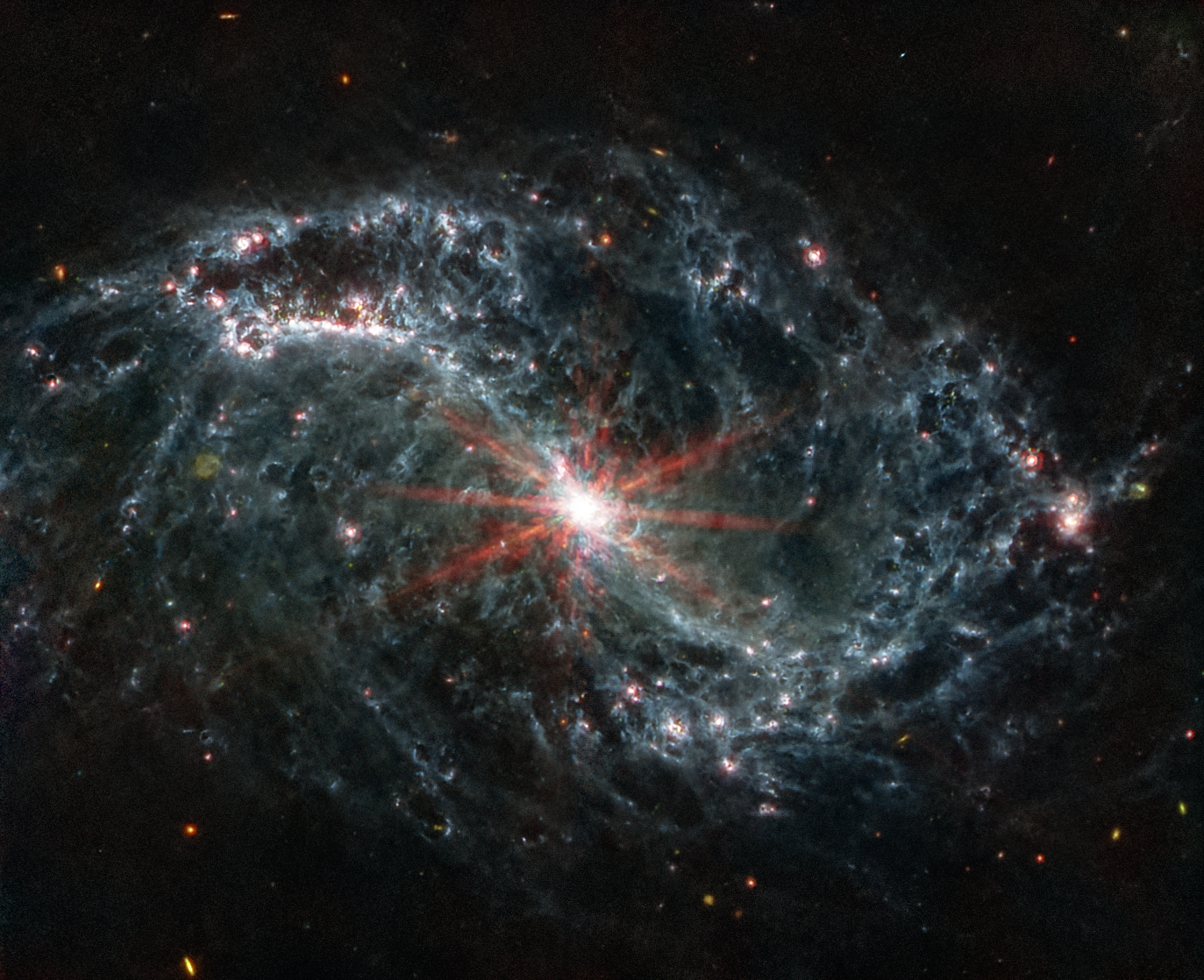
A large galaxy takes up the entirety of the image. The image is mostly black, with a bright, glowing circular core at the center. Six reddish diffraction spikes extend from the core. The spiral arms of the galaxy outstretch to the upper left and the lower right. There is black space between the core and the main spiral arms of the galaxy. Those arms are wispy and highlight filaments of dust around cavernous black bubbles. That dust in the outer rings contains diffuse dots that are navy blue, pinkish, reddish, and white. Throughout, there is also a smattering of background galaxies seen as small red and greenish dots.

4– 8 January 2015
Seattle, Washington

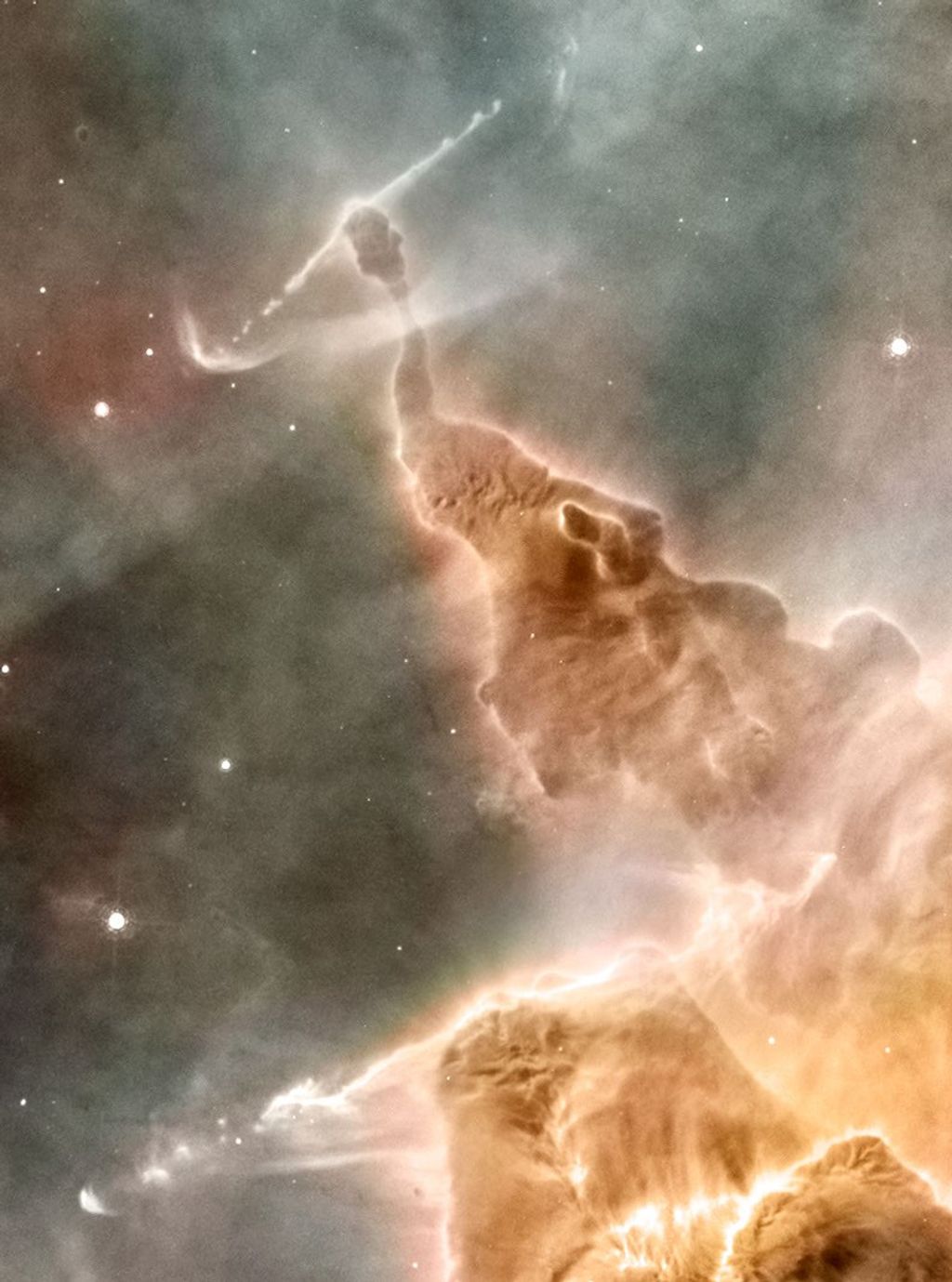
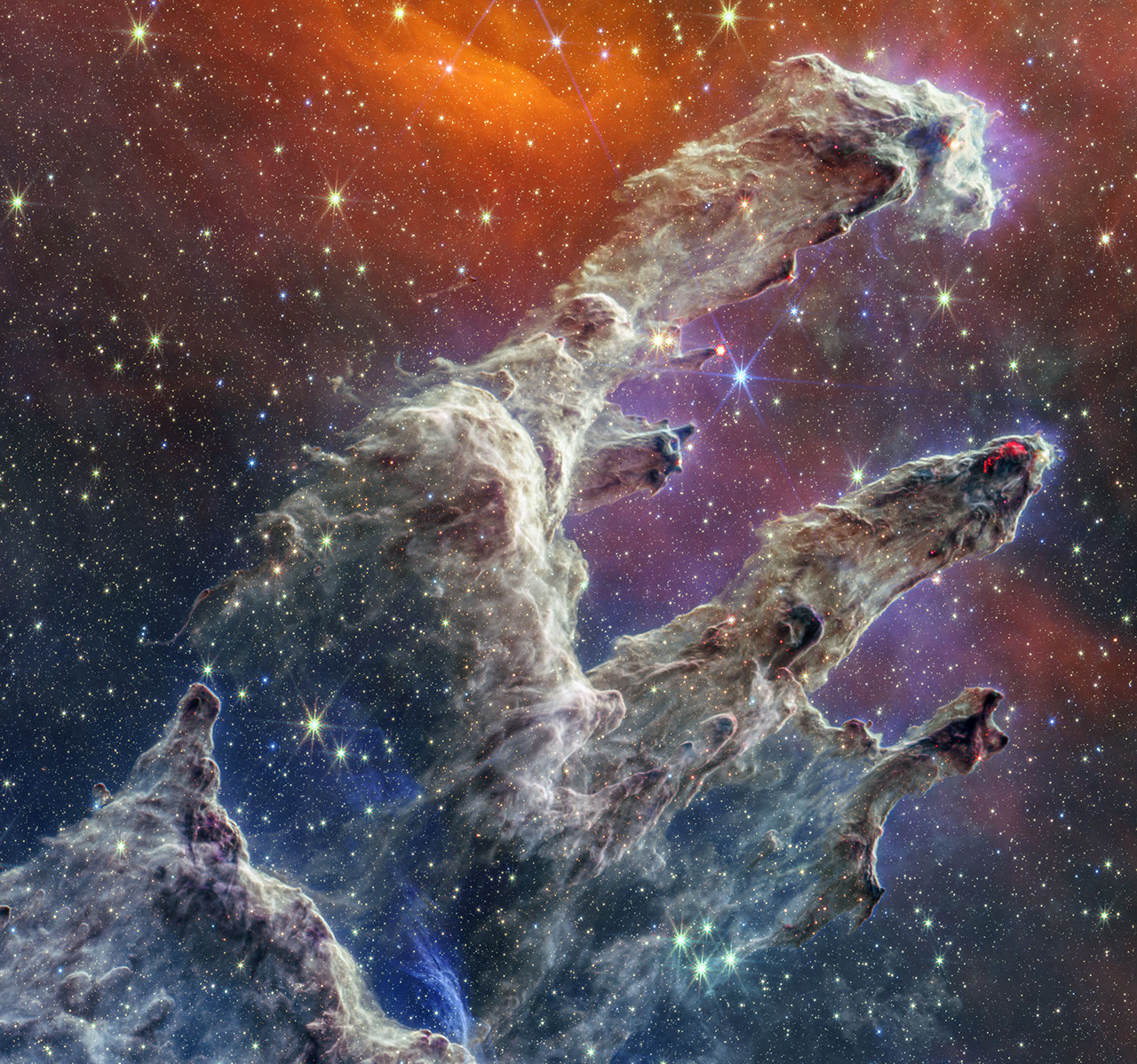
Layers of semi-opaque brown- and purple-colored gas and dust that starts at the bottom left and goes toward the top right. There are three prominent pillars rising toward the top right. The top pillar is the largest and widest. The peaks of the second and third pillars are set off in darker shades of brown and have red areas.

7 – 11 April 2013

News Straight to Your Inbox

Subscribe to your community email news list

We will never share your email address.
Sign Up