



















Time Domain and Multimessenger Initiative
Recommended by the Astro2020 Decadal Report
About TDAMM Initiative
The Highest Priority Sustaining Activity in Space
The Astro2020 Decadal Report recommended time-domain and multimessenger (TDAMM) astrophysics as the highest-priority sustaining activity in space.
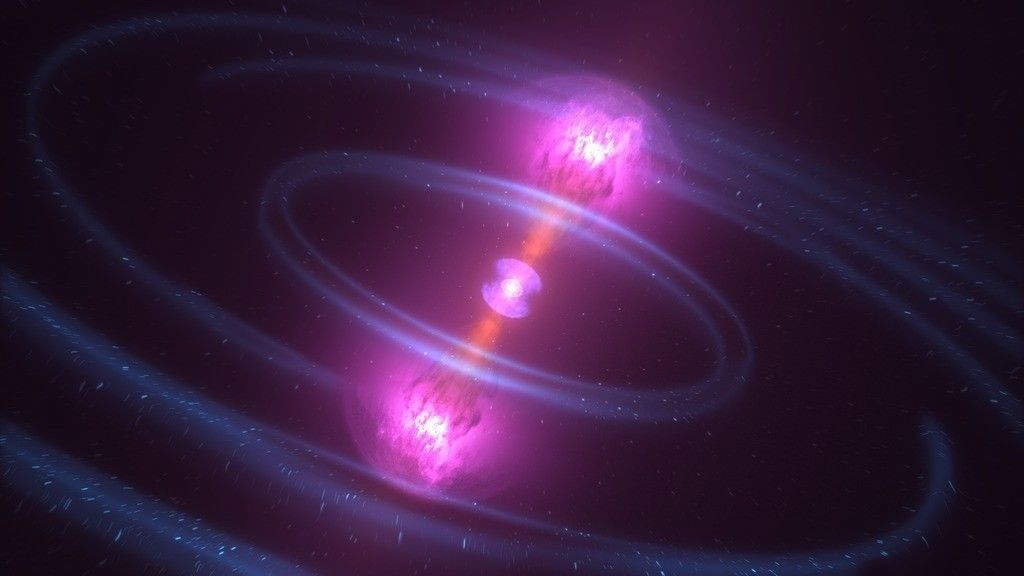
In response to this strong support, the NASA Astrophysics Division directed the Physics of the Cosmos Program Office to undertake a number of tasks. Physics of the Cosmos will
- Organize or support TDAMM workshops at regular intervals,
- Coordinate with the relevant community-driven Science Interest Groups and Science Analysis Groups,
- Conduct a three-phase TDAMM study investigating ways to improve coordination within the NASA fleet (Phase 1), with U.S. ground-based observatories (Phase 2), and internationally (Phase 3), and
- Recommend implementation strategies for enabling TDAMM science.
The Astrophysics Cross-Observatory Science Support (ACROSS) pilot is an outcome of the TDAMM Study that identified needs for
- A web portal providing access to open-source software and data systems that facilitate cross-observatory workflows,
- A help desk to provide subject-matter expertise and facilitate coordination, and
- An open science community grant program to incentivize innovation.
The PhysCOS TDAMM Initiative will execute the above tasks on behalf of the Astrophysics Division and will lead the implementation of the ACROSS pilot.
TDAMM Workshops
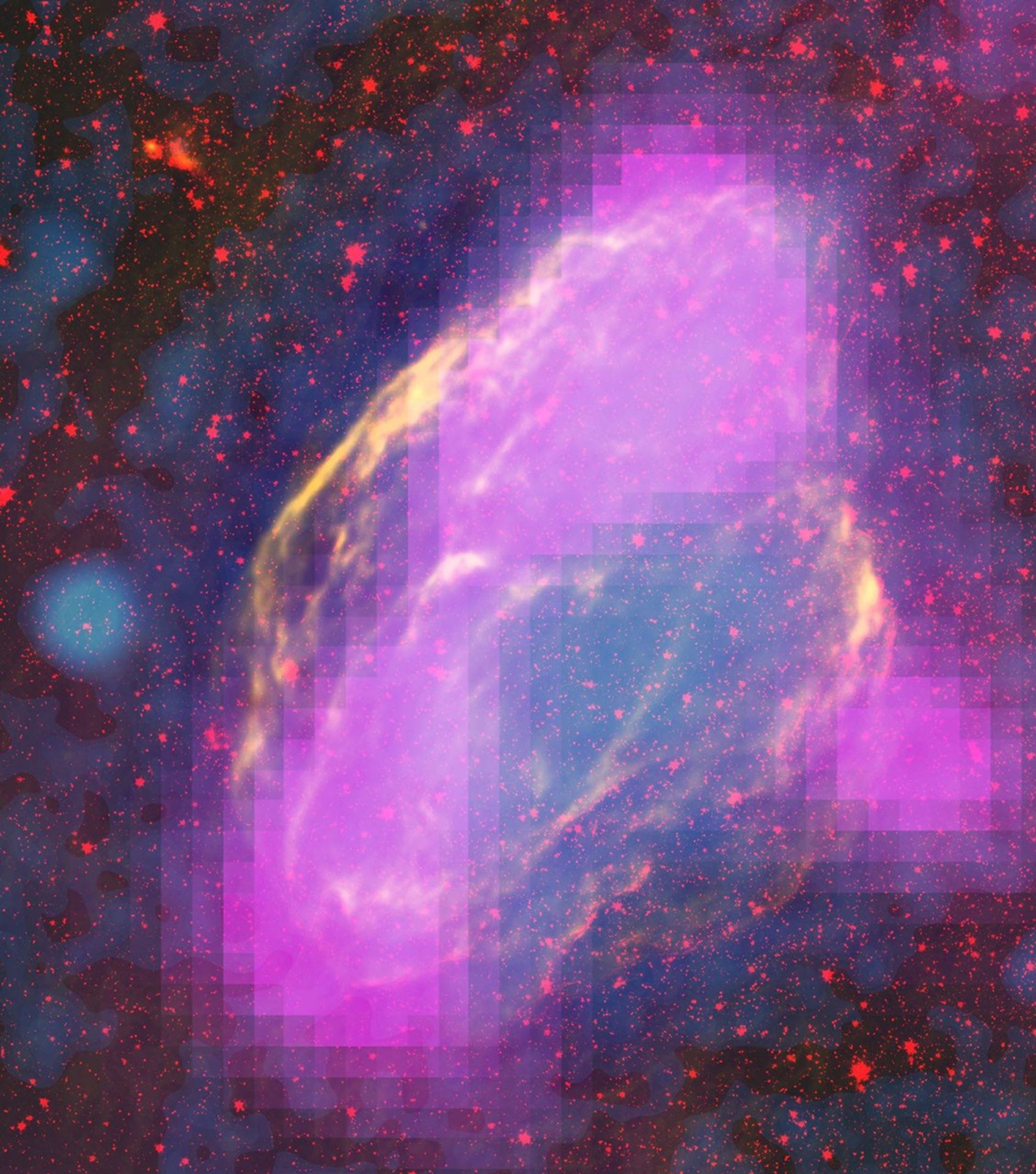
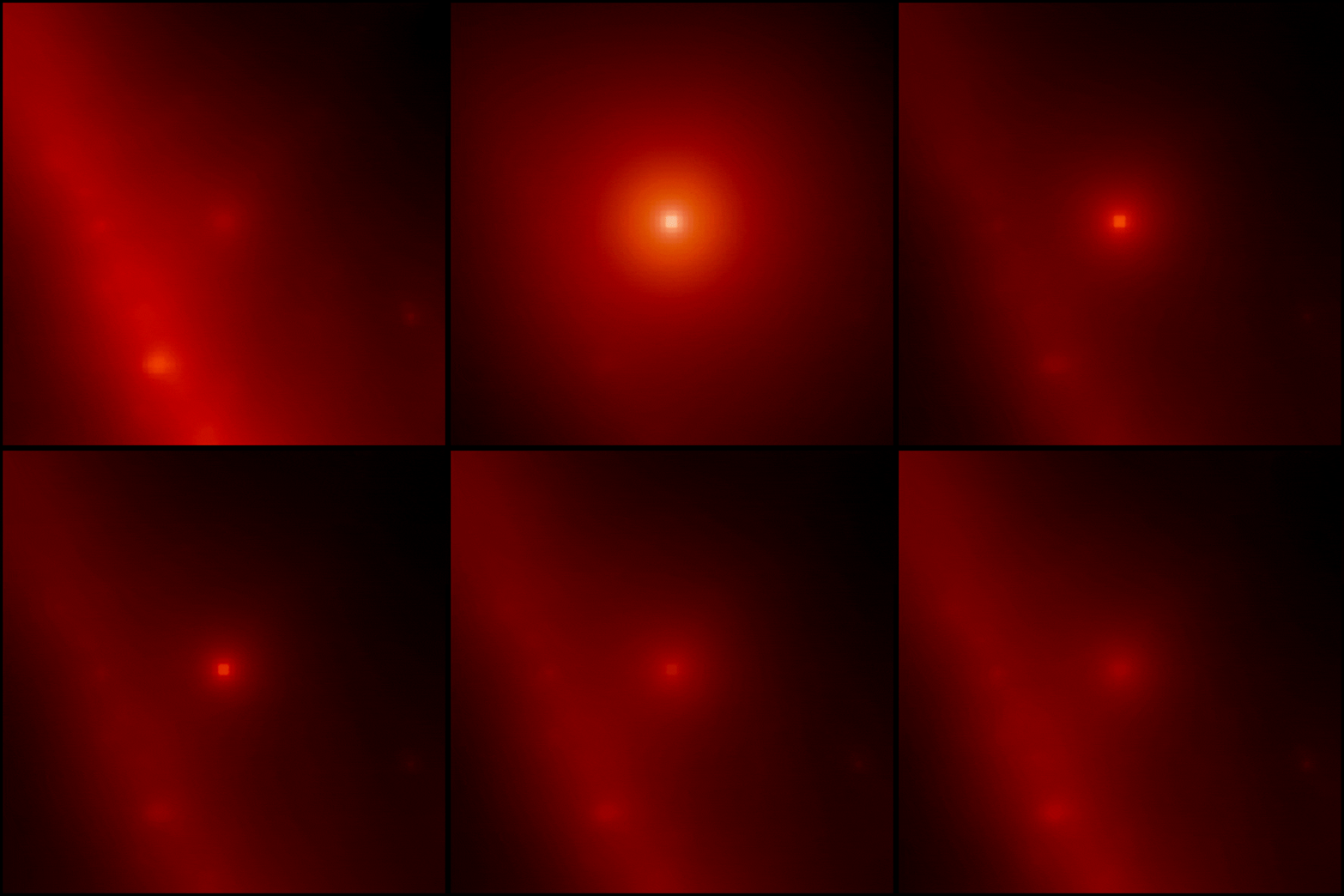
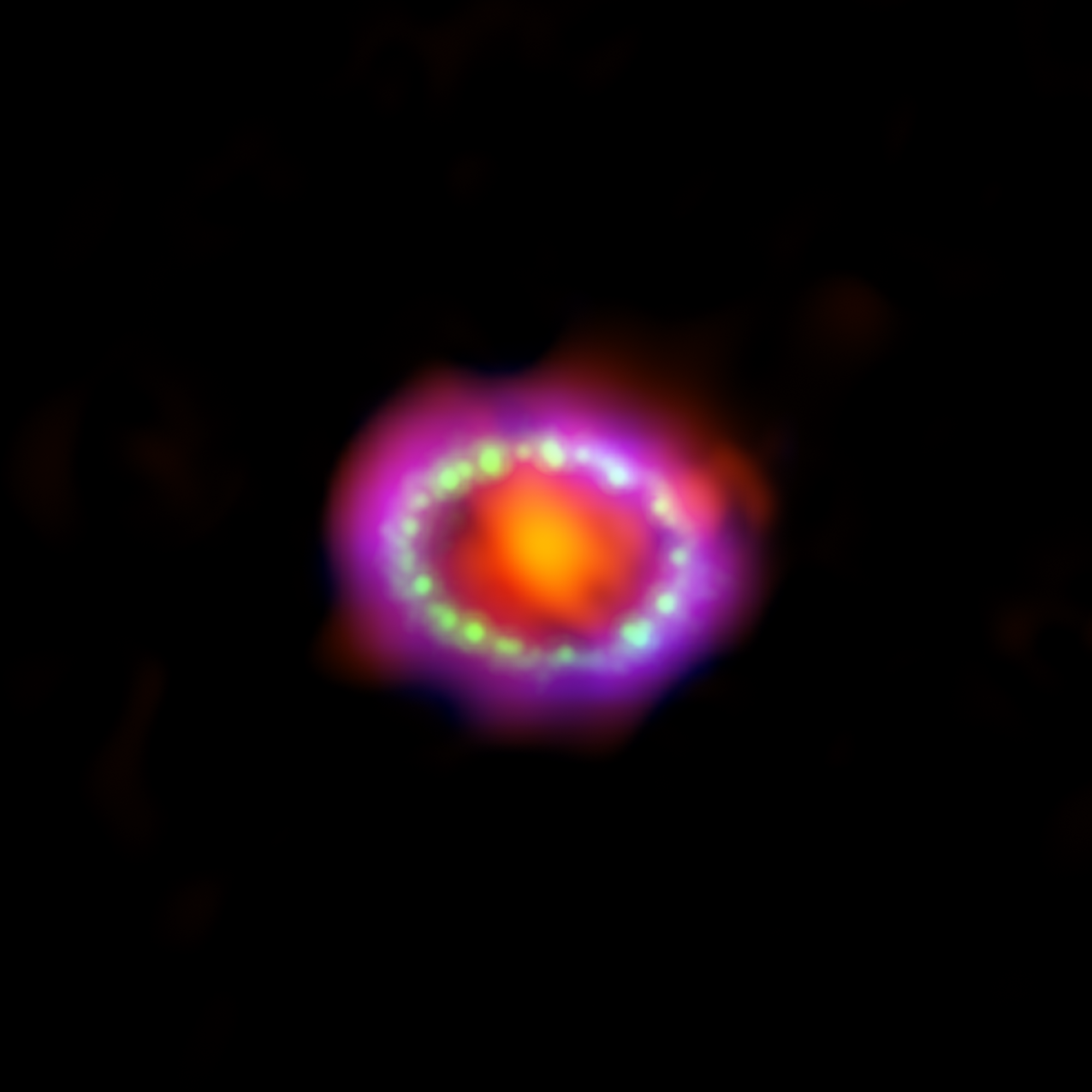
TDAMM Workshops are intended to provide a forum for sharing the latest scientific and technical information, incubating new ideas and improvements to the status quo, developing skills, and connecting the diverse TDAMM community. Participants produce a white paper summarizing the outcomes following each workshop.
PhysCOS TDAMM Study
The PhysCOS TDAMM Study is investigating organizational, programmatic, and technical means to maximize the scientific return from NASA’s contributions to the diverse, global, and evolving TDAMM ecosystem.
The TDAMM Study scope is decomposed into three sequential yearlong phases. Phase 1 focused on defining an implementation plan to deliver an initial set of NASA TDAMM science support capabilities by October 2025. Results of the Phase 1 study were published in a special issue of Frontiers in Astronomy and Space Sciences. Subsequent study phases are examining means for improving coordination with U.S. ground-based observatories and institutions (Phase 2), and internationally (Phase 3).
Points of Contact
| Name | Position | Institution |
|---|---|---|
| Dr. Christopher J. Roberts | TDAMM Initiative Manager | NASA Goddard Space Flight Center |
| Dr. Brian Humensky | TDAMM Study Scientist | NASA Goddard Space Flight Center |
Related Information
Multimessenger Astrophysics Science Analysis Group
The Multi-Messenger Astrophysics Science Analysis Group analyzed the potential scientific benefits of multi-messenger observations made possible by NASA observatories in the 2020 decade and beyond, working in conjunction with each other or with other ground and space-based instruments.
Gravitational Wave-Electromagnetic Counterpoint Task Force
NASA Headquarters Astrophysics Division announced creation of a task force to assess NASA's role in Gravitational Wave Electromagnetic Counterpart (GW-EM) astrophysics, particularly EM observations of LIGO sources, and the optimization thereof for present and planned missions.
News Straight to Your Inbox
Subscribe to your community email news list
We will never share your email address.