
























Hello, World! NASA Shares New Home for Roman Space Telescope Updates
We’re kicking off the inaugural Roman blog post with a launch update: NASA’s Nancy Grace Roman Space Telescope is officially slated to launch Aug. 30, eight months ahead of schedule and even earlier than previously targeted.
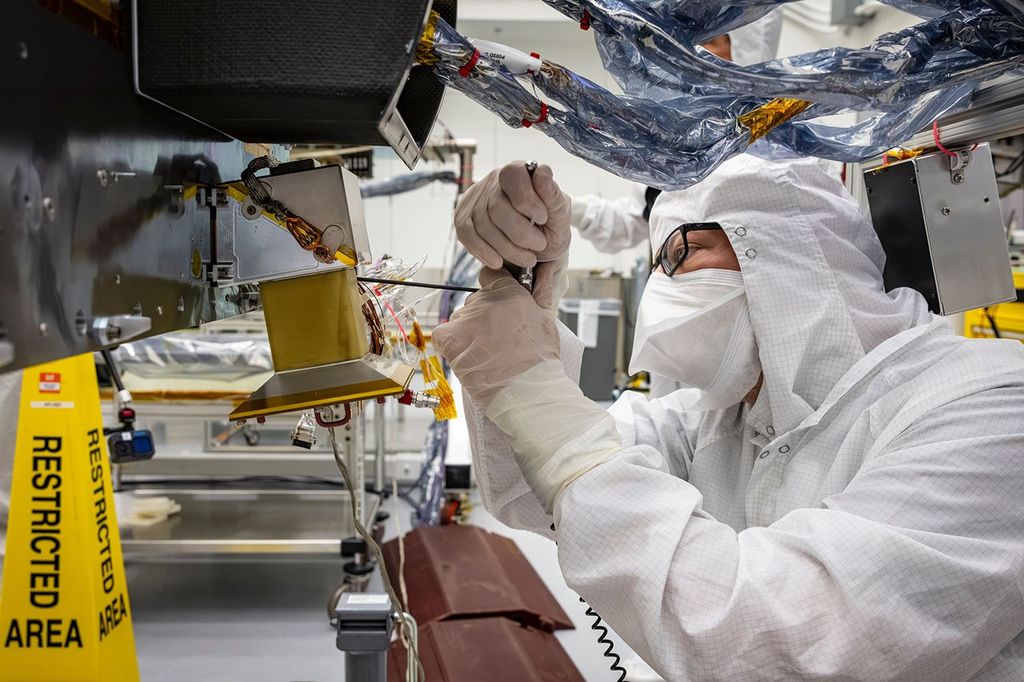
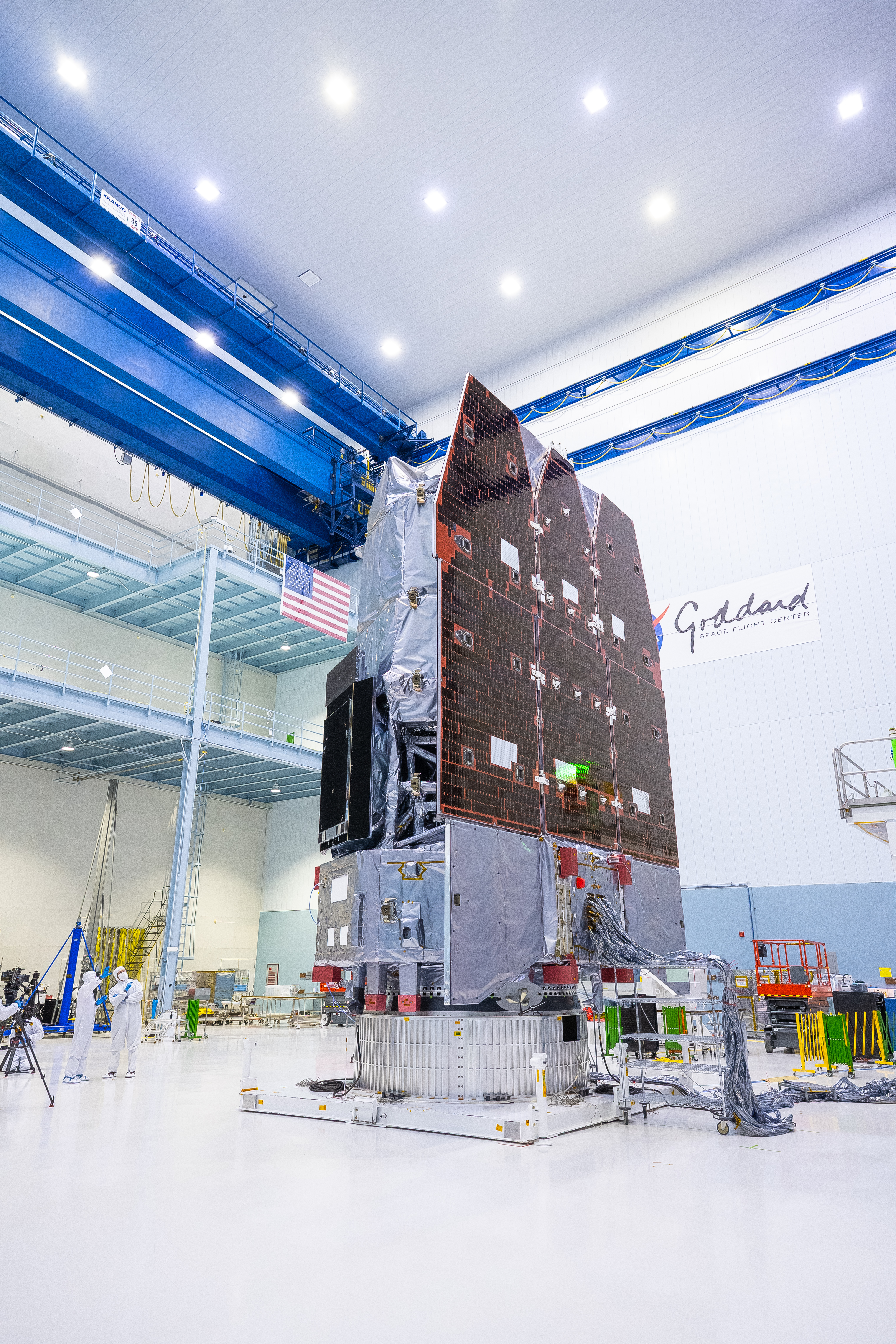
With less than three months to go, the Roman team now is finishing up final tasks. Engineers are currently packing Roman up for a voyage from NASA’s Goddard Space Flight Center in Greenbelt, Maryland, down to the agency’s Kennedy Space Center in Florida later this month.
Once at Kennedy, Roman will move into the Payload Hazardous Servicing Facility, where it will undergo a thorough inspection to verify all the observatory’s components traveled well. In the weeks leading up to launch, engineers will perform powered testing and launch rehearsals, load about 290 gallons (roughly 1,100 liters) of hydrazine fuel into the tanks, and install the observatory on the adapter for the SpaceX Falcon Heavy Rocket that will propel it to its destination in space: the second Sun-Earth Lagrange point, or L2, which is about four times farther away than the Moon is from Earth.
Next, Roman will be encapsulated in a protective fairing, or nose cone, which will shield the telescope during liftoff and its journey through the atmosphere. Roman will then move to a hangar for integration with a SpaceX Falcon Heavy rocket before rolling out to Launch Pad 39A at NASA Kennedy.
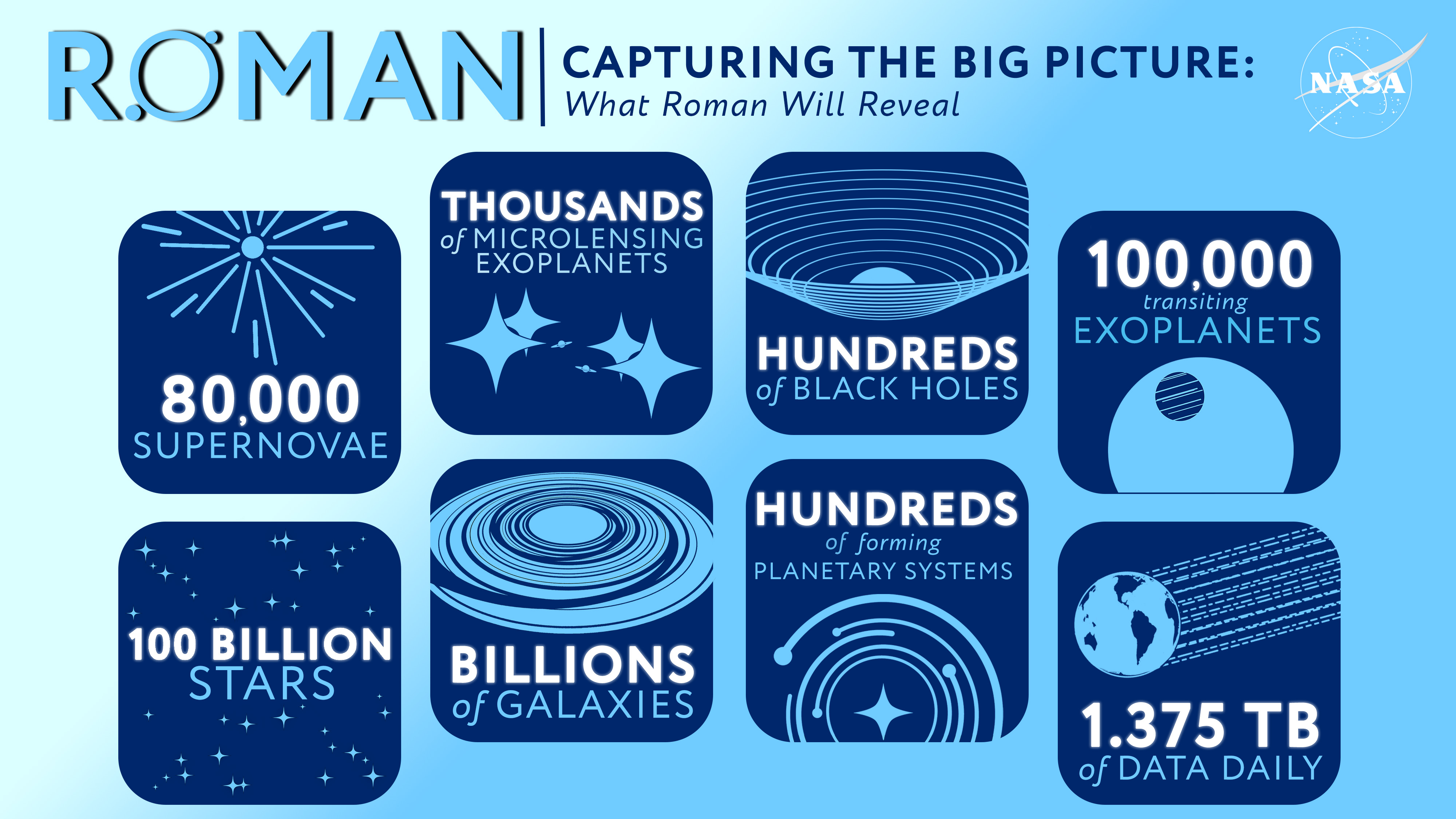
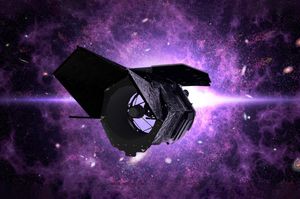
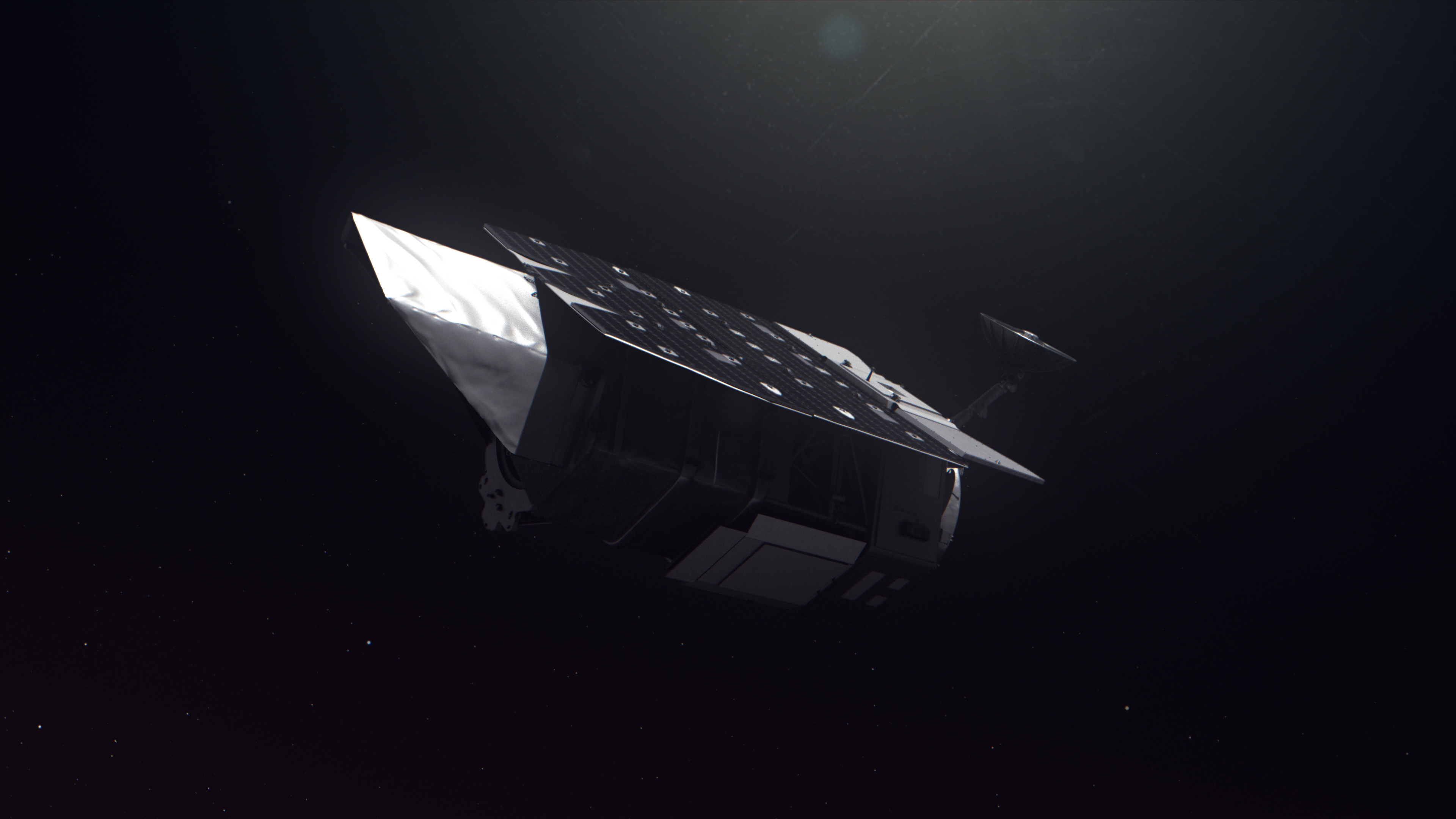
All this work will culminate in Roman delivering never-before seen views of the universe. The observatory will pair a large field of view with crisp infrared vision to survey deep, vast swaths of sky. While the mission was designed with dark energy, dark matter, and planets outside our solar system in mind, Roman’s unprecedented observational capability will offer practically limitless opportunities for astronomers to explore a broad range of cosmic phenomena.
Follow along with the blog for updates, including a behind the scenes look at the road to launch and Roman’s journey to L2.