


















Written by Alex Innanen, Atmospheric Scientist at York University, Toronto
Earth Planning Date: Friday, Nov. 21, 2025
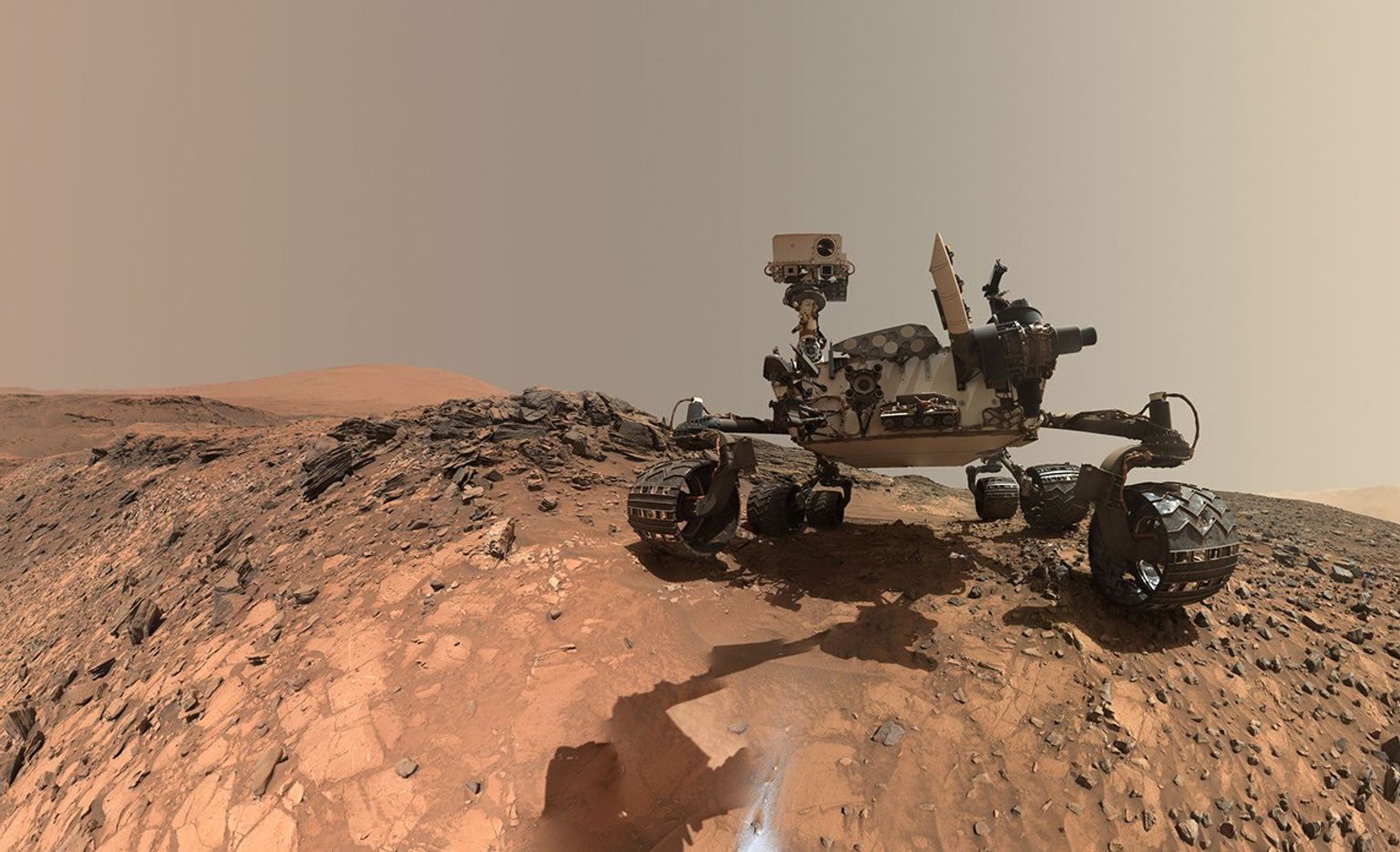
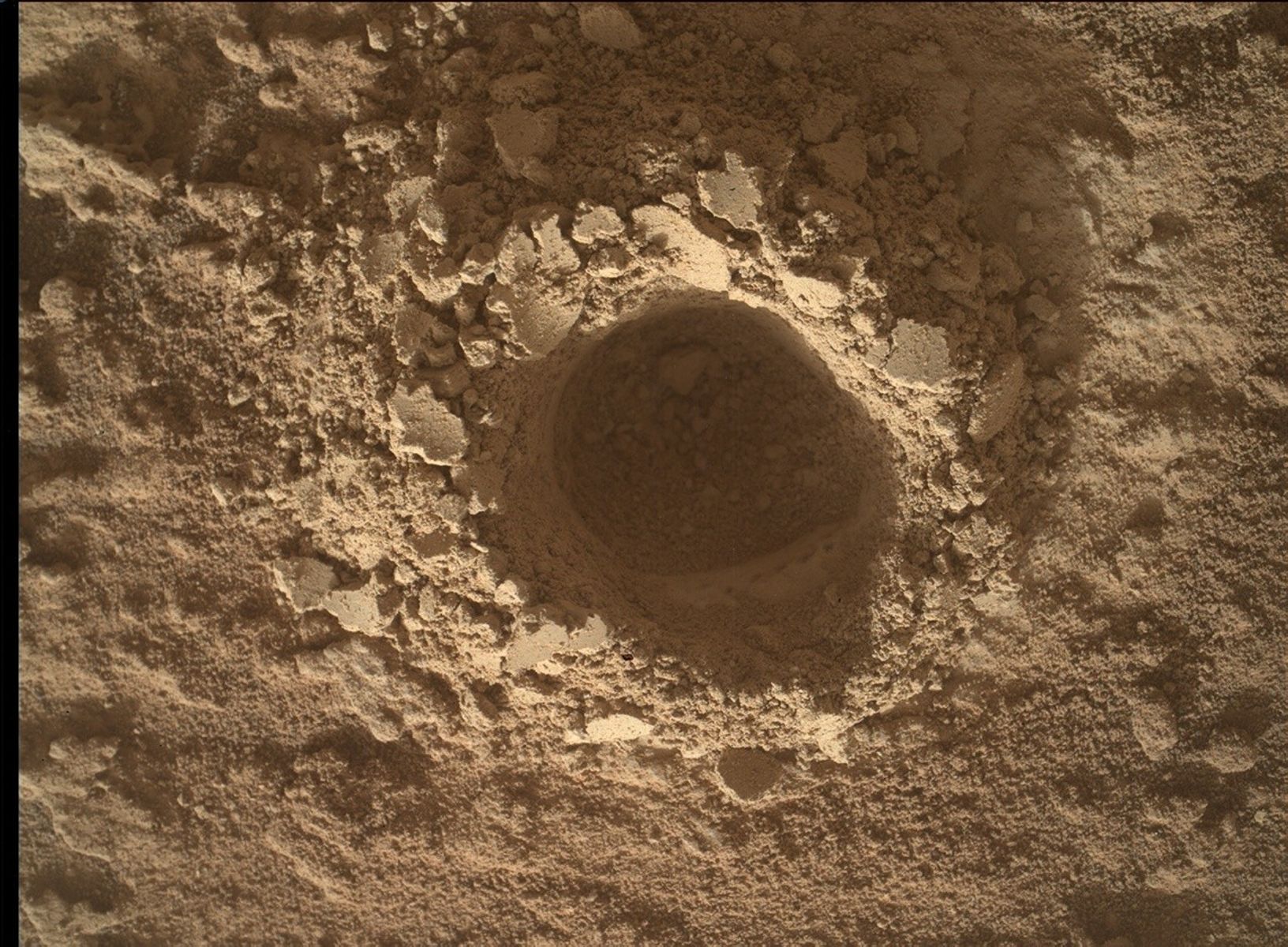
Sharp-eyed readers may have noticed that there is one extra sol being planned this week. That’s because today’s weekend plan has an extra sol as we prepare for our five-sol holiday plan next week over American Thanksgiving. The team took full advantage of this extra-long week to dig into not only our 45th drill hole but also the area around us.
After our drill last week at Nevado Sajama atop one of the boxwork ridges, we started our analysis of the drilled sample. As Michelle mentioned in that blog post, the CheMin instrument got the first crack at the sample last weekend. This week, SAM took over, doing the same evolved gas analysis (EGA) experiment we did on our recent drill sample in the Monte Grande hollow.
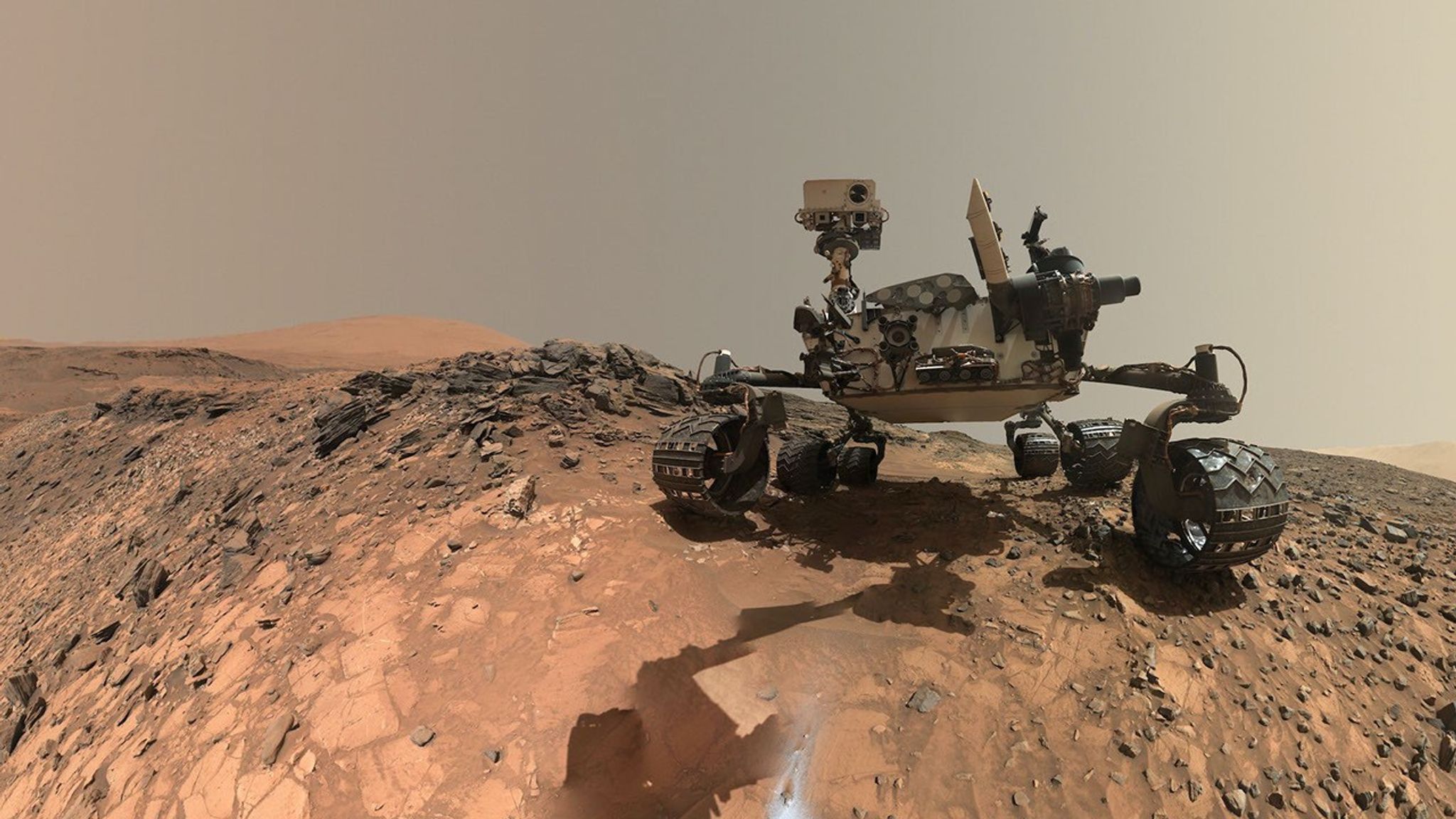
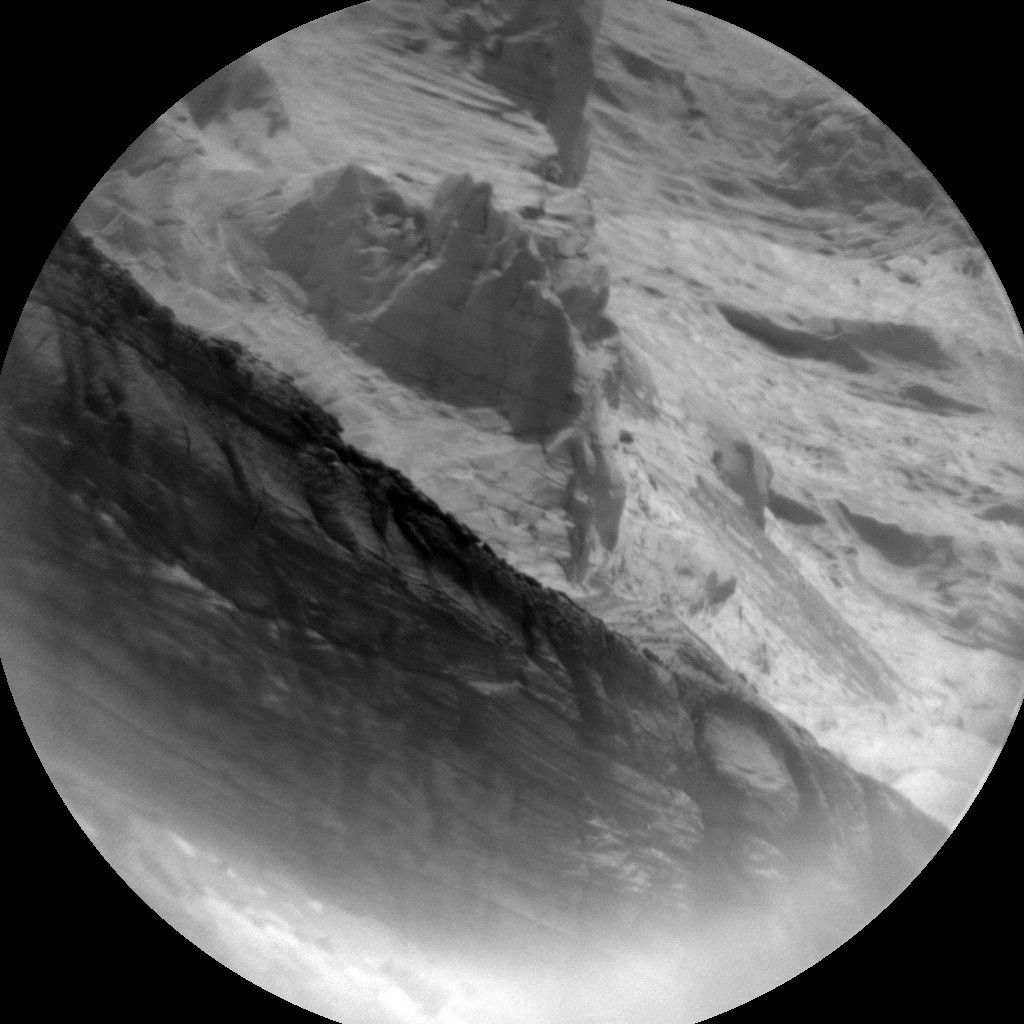
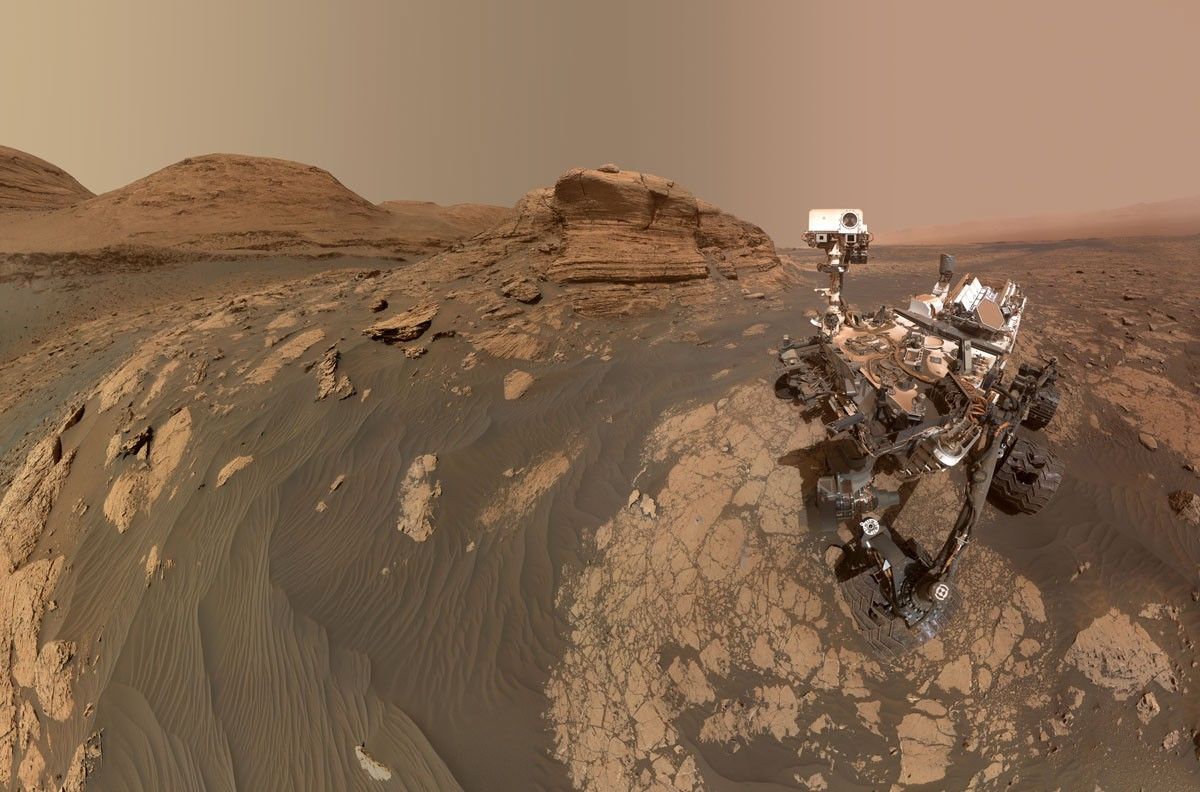
Even though SAM activities tend to be fairly energy-intensive, we got lucky and got what we refer to as a “power gift” after Monday’s plan, which meant we could bring in more activities this week than we’d been expecting to. ChemCam has plenty to look at in our current workspace and has a grand total of seven different LIBS measurements of the nearby rocks. It also cast its sights further afield with several mosaics of the walls of the hollows and buttes around us. Mastcam has been diligently working away through the week at its massive 360-degree stereo mosaic of our current location.
As always, while we look into what the local geology can tell us about the past environment of Mars, we are still keeping an eye on the present environment. Alongside RAD and REMS, we scanned the skies for clouds and our surroundings for dust-lifting events. We also continued to monitor the amount of dust both inside and outside the crater while it continues to increase as we head further into the dusty season. APXS also has an atmospheric measurement planned for this weekend to keep an eye on atmospheric composition.