










Written by Abigail Fraeman, Deputy Project Scientist at NASA JPL
Earth Planning Date: Friday, Dec. 5, 2025
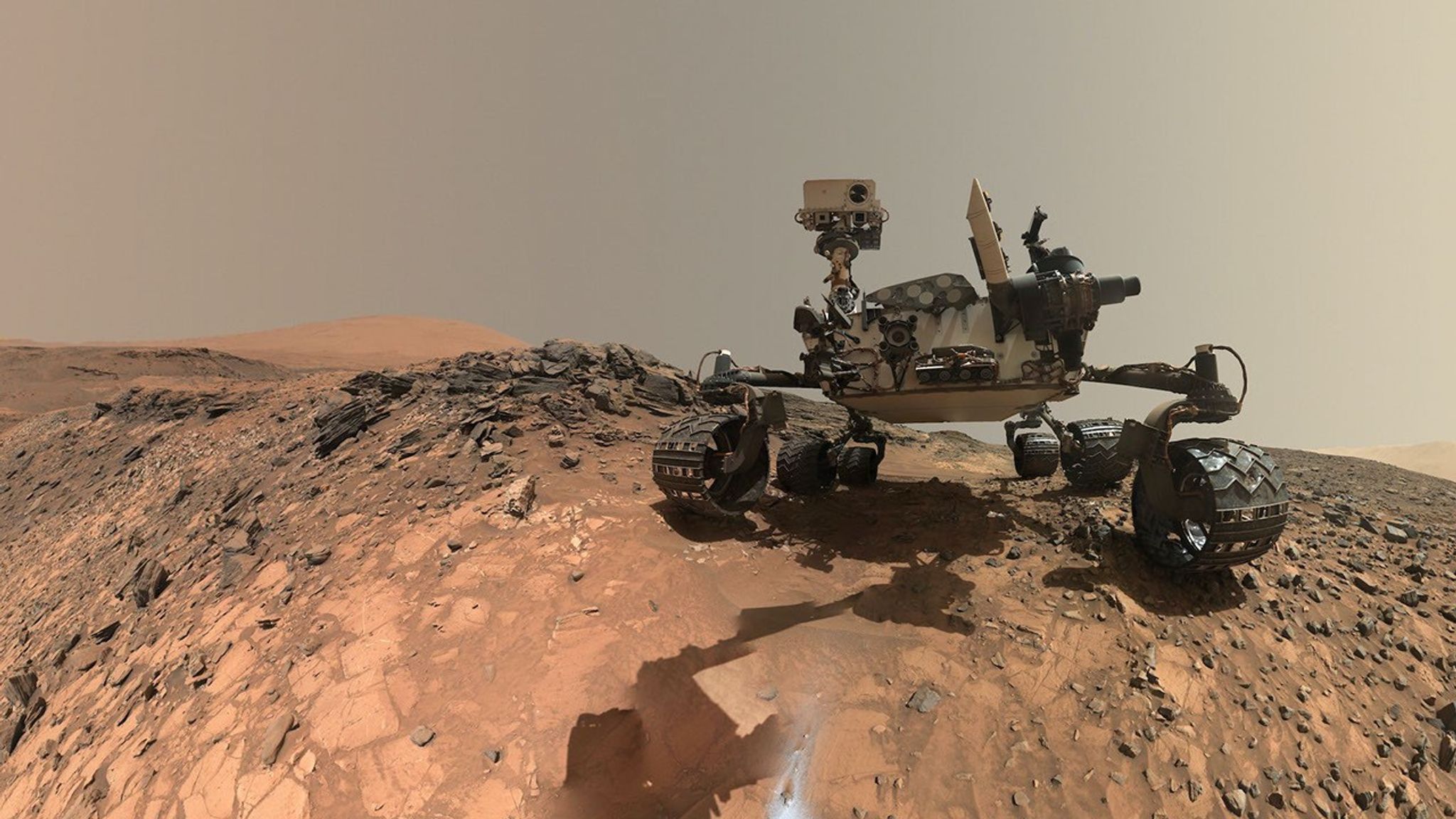
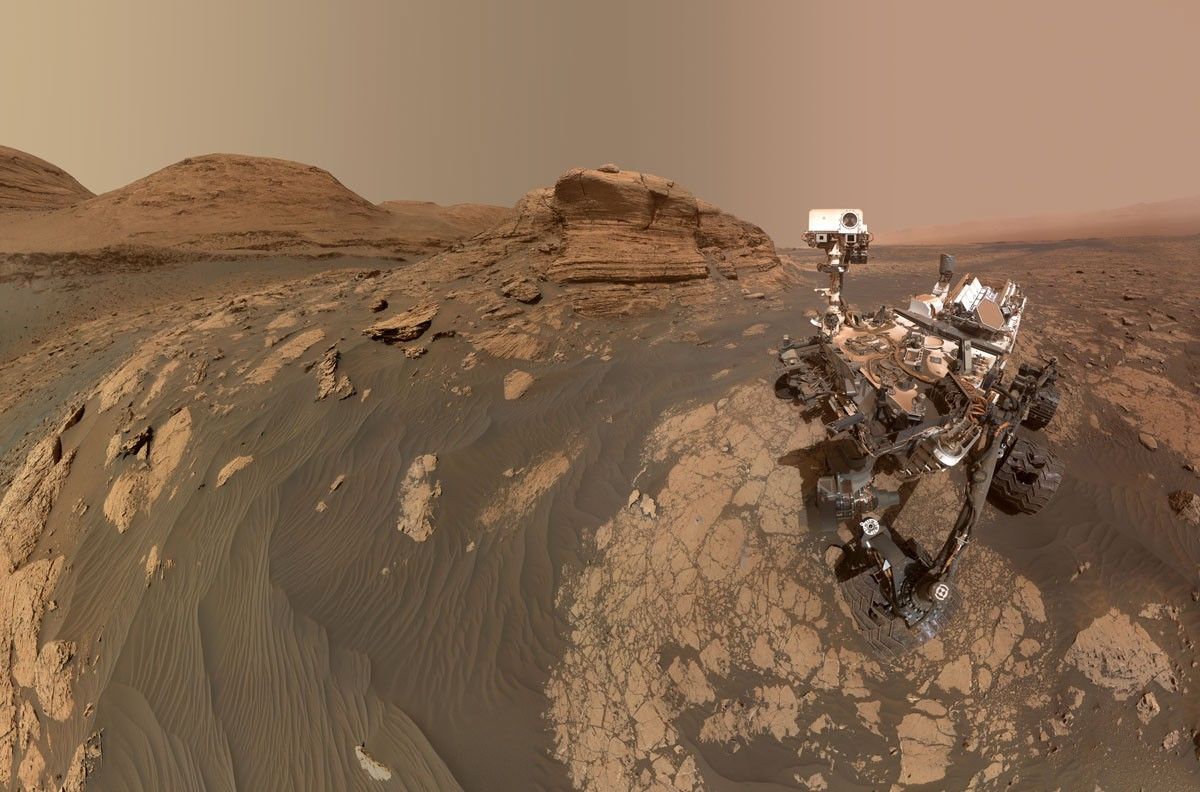
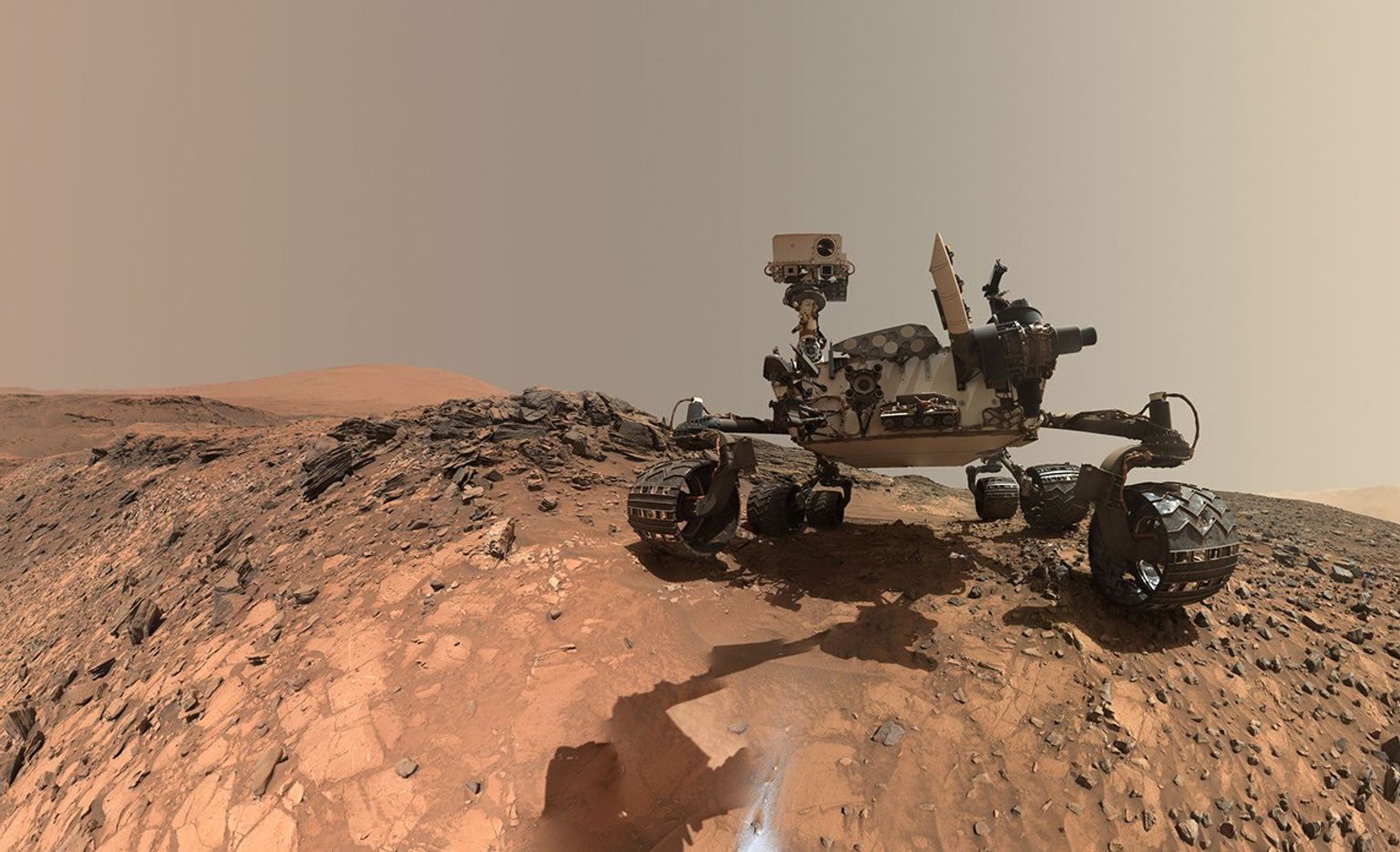
Since we only had one planning day last week due to American Thanksgiving, this update covers both last week and this week of planning. And what a productive couple of weeks it has been! Last week I was busy on Earth tucking into turkey, gravy, and stuffing, but Curiosity was continuing to work hard collecting observations at the Nevado Sajama drill site. One notable activity was the collection of more frames for our mega 360-degree Mastcam stereo mosaic at this location. Usually when we take 360-degree mosaics with our color mast cameras, we only use the 34 mm (left) Mastcam, which has the wider field of view of the two mast cameras, so it can cover the entire scene with fewer frames. Since we knew we’d be parked in a single location for many sols during our Nevado Sajama drilling campaign, the Mastcam team proposed an ambitious plan to take a full 360-degree mosaic in stereo, using both the M34 camera but also our telephoto Mastcam 100 mm (right) camera, which has a smaller field of view but can capture more detail. There’s not enough time to collect the hundreds of frames that make up this mosaic in a single sol, so we broke up the scene into many chunks and have been diligently acquiring it piece-by-piece over many sols, including imaging several areas over Thanksgiving and this week. We’re nearly there and should finish up before we drive away this weekend!
The star activity of this week was the delivery of the last of the Nevado Sajama drilled sample to SAM for a gas chromatograph/mass spectrometer (GCMS) analysis which we use to characterize any organic (carbon-containing) material in the sample. We successfully completed the GCMS activity in Monday’s plan and spent Wednesday emptying the last little bit of drilled sample that remained in the rover’s drill bit assembly.
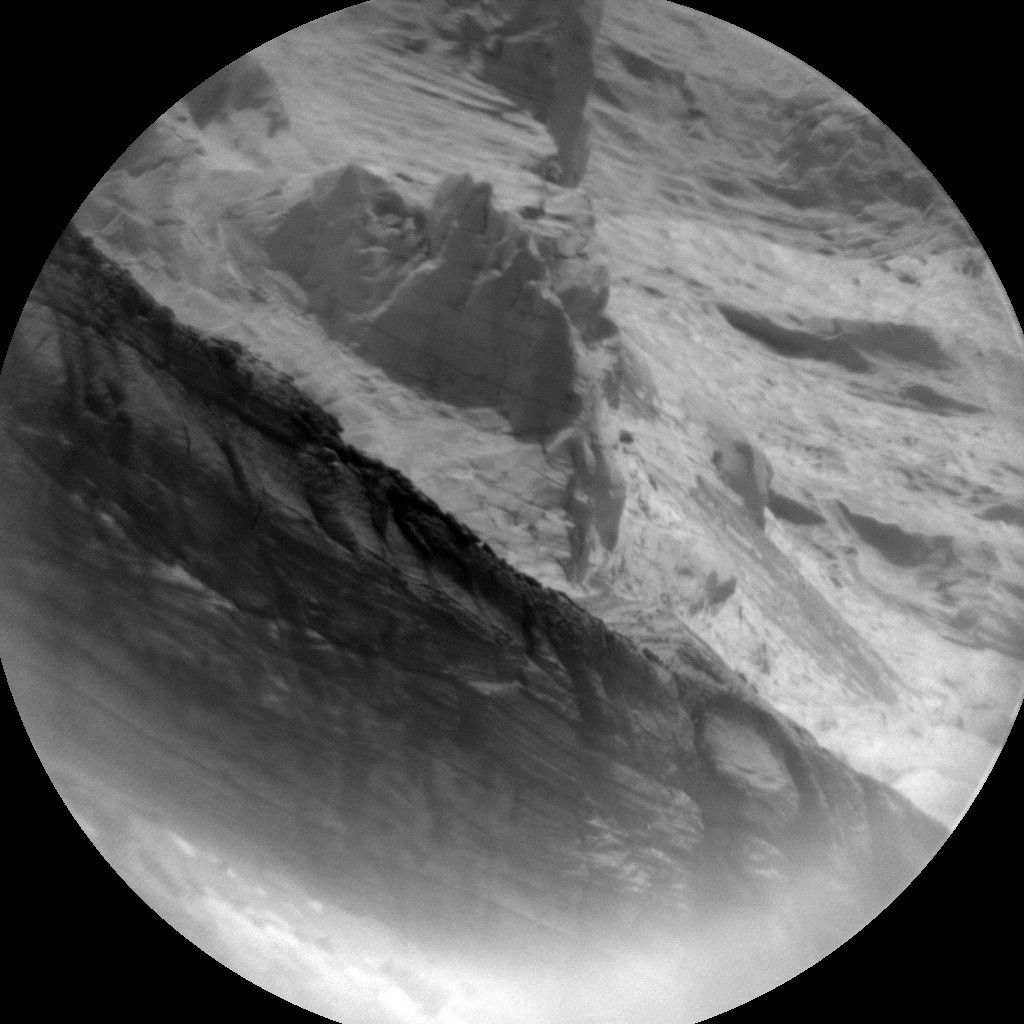
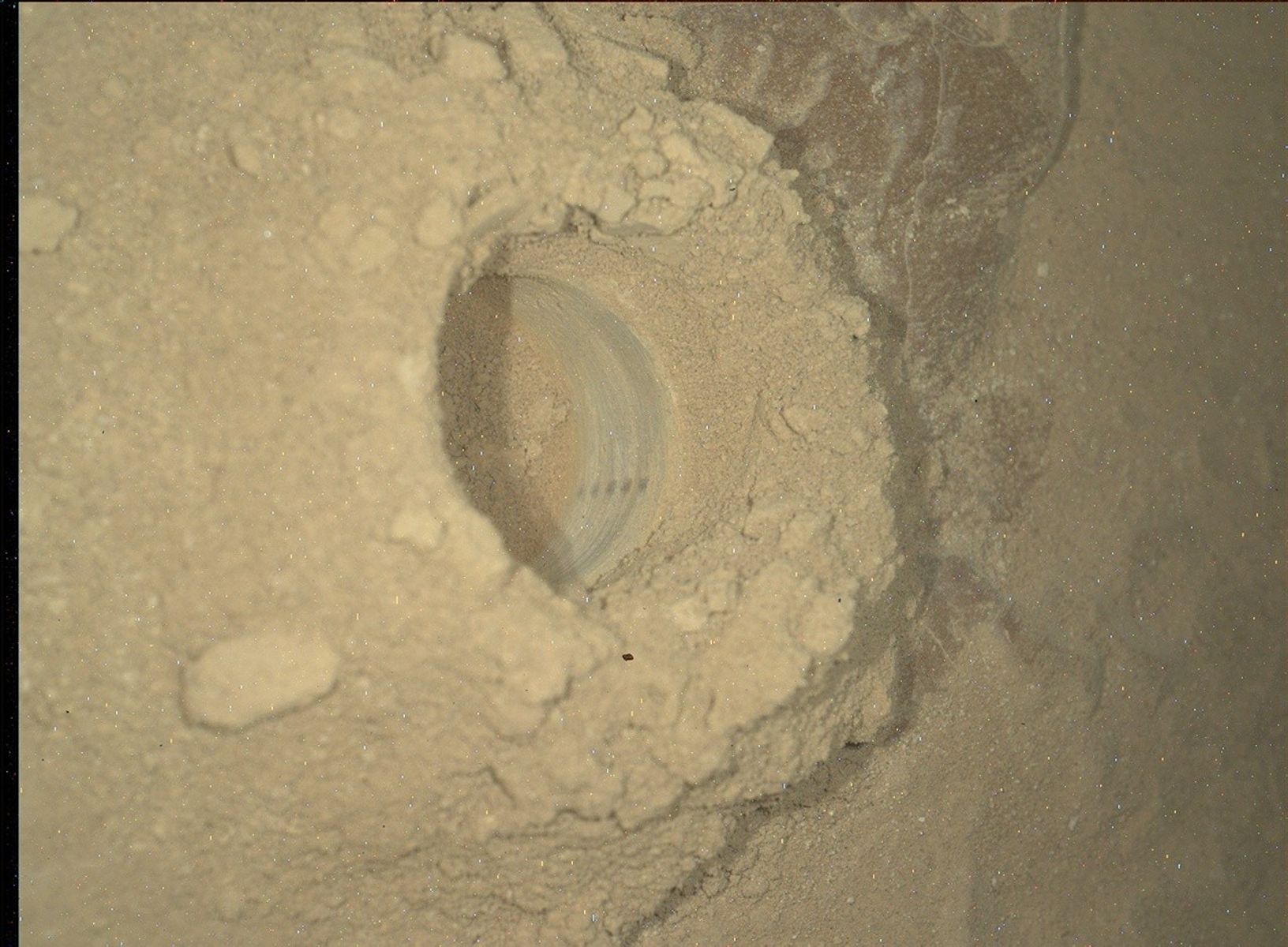
Once we “dumped the sample,” we were free to move the arm around to any position we wanted, so we took the opportunity to deploy APXS and MAHLI on the drill tailings pile. Friday’s plan contained the final observations we needed before driving away from Nevado Sajama, including a MAHLI image showing where the APXS instrument contacted the tailings pile in Wednesday’s plan, and images of the drill from Mastcam. We’re also planning to do something we haven’t done for a long time — take images of the walls of the drill hole at night using MAHLI’s built in LEDs as an illumination source.
This is an observation we did earlier in the mission but not recently because the drill holes have generally had poorly consolidated walls, and we didn’t think we’d get much valuable information from the nighttime images — we’d mostly be looking at illuminated piles of dirt rather than consolidated bedrock. For whatever reason, the Nevado Sajama drill hole wall looks unusually clean, so we decided that this would be a good time to take another nighttime image to see the 3D view of where our sample came from.
After collecting our final observations of the drill hole, we’ll pack up and drive away. But we’re not going far. The science team has identified some important observations we’d like to collect nearby before the holidays, so we’ll spend the next couple of plans collecting these data. Stay tuned for next week to learn more!