
























A Quick Guide to NASA’s Newest Satellite
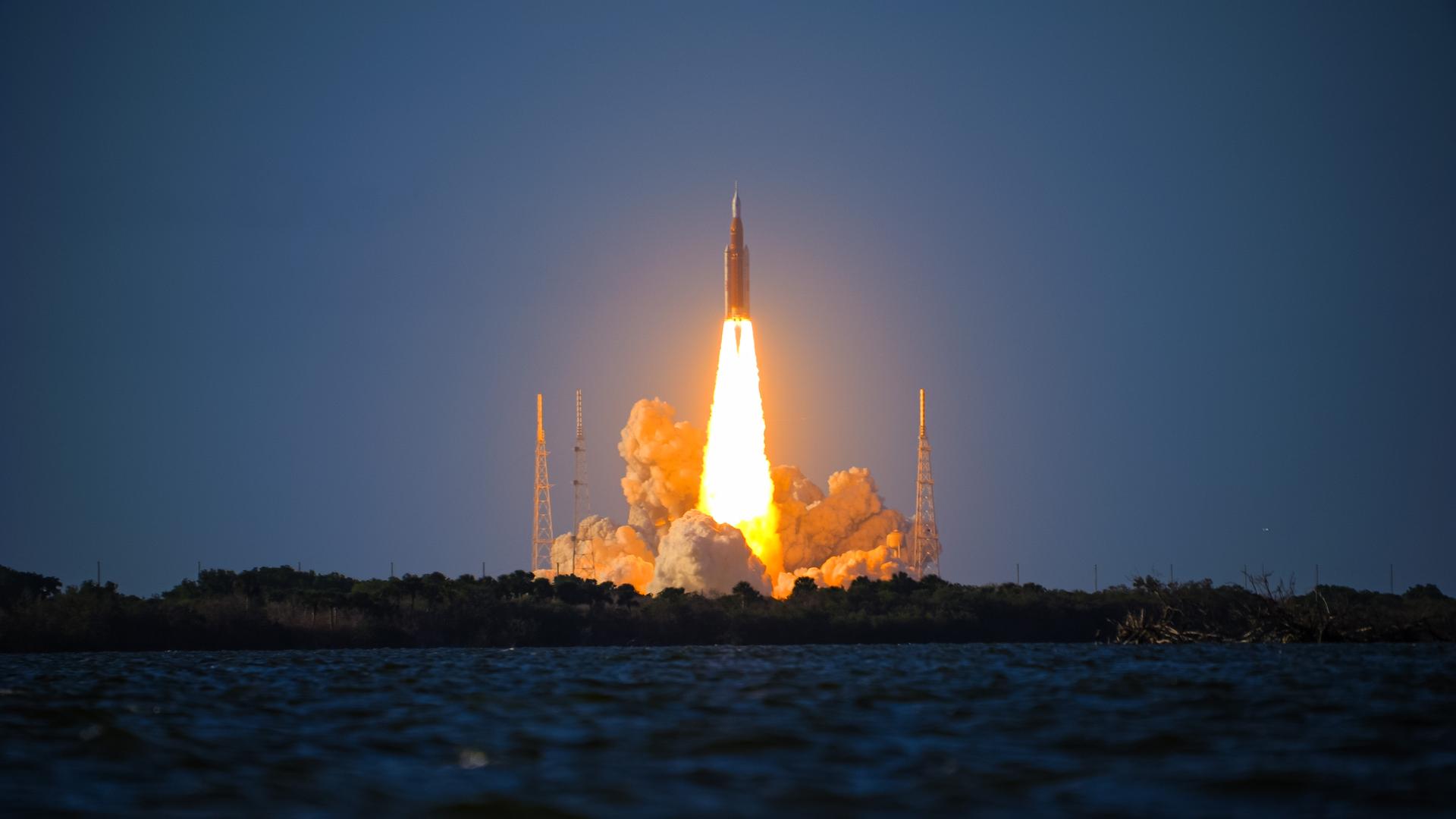
Global Precipitation Measurement (GPM) is a name worth remembering. First of all, it’s a satellite. On February 27, 2014, GPM’s Core Observatory is scheduled to rocket into space from Japan’s Tanegashima Space Center carrying a radar and radiometer capable of measuring precipitation in new ways.
However, this joint NASA/JAXA mission is bigger than just one satellite. The scientists behind GPM are hoping that the core observatory will function like a key that “unlocks” and unifies data collected by a whole constellation of existing and future satellites.
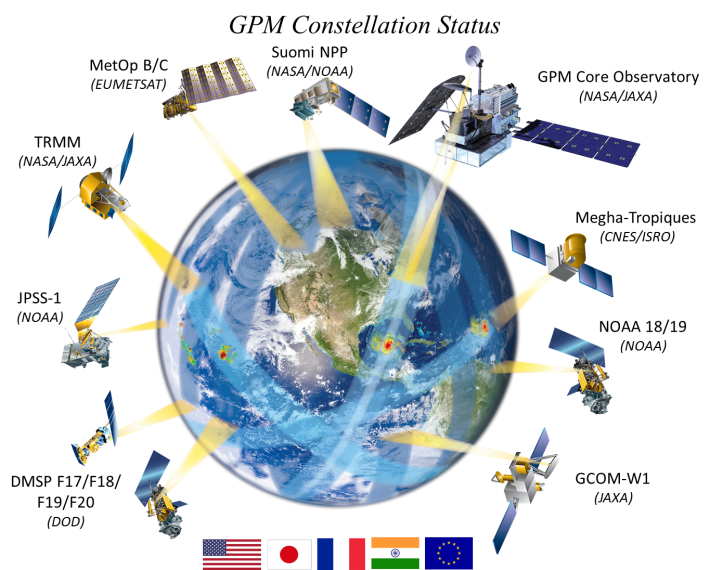
For instance, an earlier precipitation-monitoring satellite called the Tropical Rainfall Measuring Mission (TRMM) also used radar to measure precipitation, but it could only detect moderate and heavy rain in tropical areas. GPM, in contrast, will also sense light rain and snow and will see nearly to the poles (65 degrees latitude north and south), meaning it will extend and improve upon TRMM’s measurements.
Expect to hear a lot more about this satellite over the next few weeks. There’s a lot of information to sift through if you want to learn more about the mission, but some of it can be tricky to find. To make the sifting a little easier, I’ve compiled a “best of guide” to images and other resources about the mission to make your search a little easier. Stay tuned for more, follow the mission via @NASA_Rain and on Facebook, and enjoy the launch.
Videos Worth Watching
http://youtu.be/6orv6v4ZLjQ
http://youtu.be/VGUddLHDVts
More videos at http://www.youtube.com/playlist?list=PL_8hVmWnP_O258ZS4-HKumKTfX7f72LHA
Precipitation 101
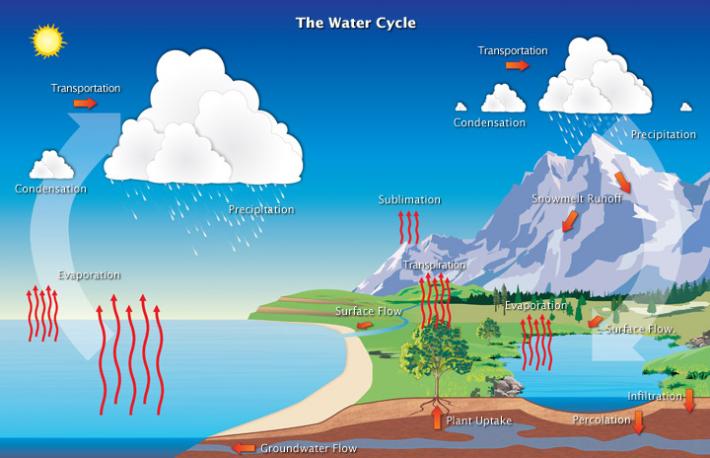
Find out more details about precipitation and GPM’s science goals at
http://pmm.nasa.gov/GPM/science-objectives
http://pmm.nasa.gov/science
http://www.jaxa.jp/countdown/f23/overview/dpr_e.html
http://www.nasa.gov/mission_pages/GPM/science/index.html#.UwYyP_1Jwns
Image Galleries
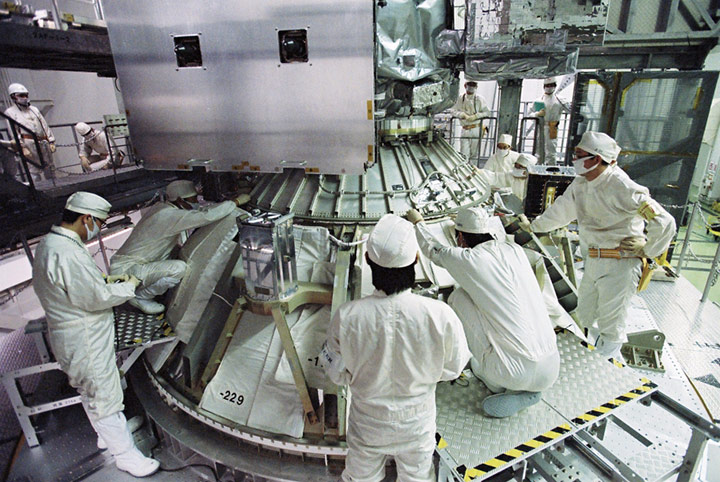
See image galleries at
http://jda.jaxa.jp/category_p.php?lang=j&page=&category1=256&category2=257&category3=263&page_pics=50
http://gpm/multimedia/images/GPM
http://www.nasa.gov/mission_pages/GPM/multimedia/index.html#.UweJDyRsjJ4
The Human Dimension
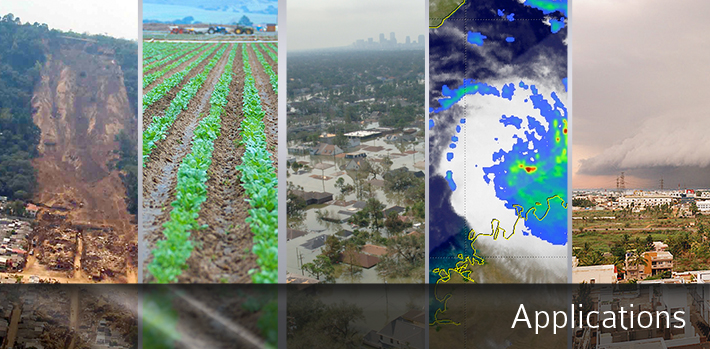
Find out how GPM will affect life on the ground at
http://pmm.nasa.gov/applications
http://www.nasa.gov/mission_pages/GPM/applications/index.html#.UweGTyRsjJ4
The Nuts and Bolts
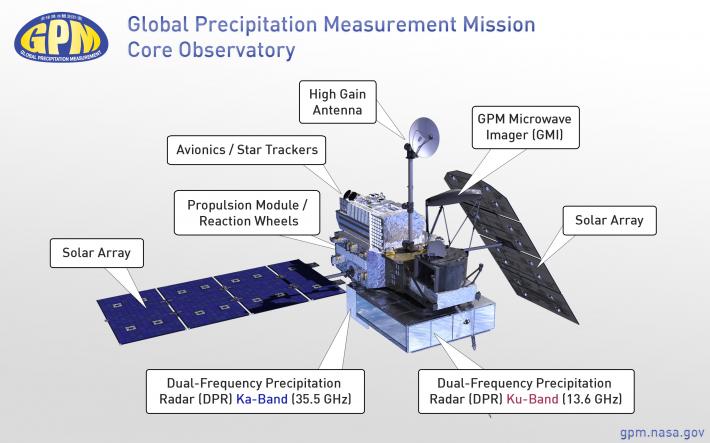
Find out more about the instruments and technical details of the core observatory at
http://pmm.nasa.gov/GPM/flight-project/spacecraft-and-instruments
http://www.jaxa.jp/countdown/f23/overview/gpm_e.html
http://www.nasa.gov/mission_pages/GPM/spacecraft/index.html#.UwYwt_1Jwns
Learn more about the HII-A Rocket that will launch GPM into orbit at http://pmm.nasa.gov/launch
http://www.jaxa.jp/projects/rockets/h2a/index_e.html
http://www.jaxa.jp/projects/rockets/h2a/design_e.html
http://svs.gsfc.nasa.gov/vis/a010000/a011100/a011129/index.html
Want even more detailed information?
See the Bulletin of the Bulletin of the American Meteorological Society paper at
http://journals.ametsoc.org/doi/abs/10.1175/BAMS-D-13-00164.1
Or read the launch brochure at http://eospso.gsfc.nasa.gov/content/gpm-core-observatory-pre-launch-brochure
