

























Annual Student Research Program Commences
By Erica McNamee of NASA’s Goddard Space Flight Center in Greenbelt, MD
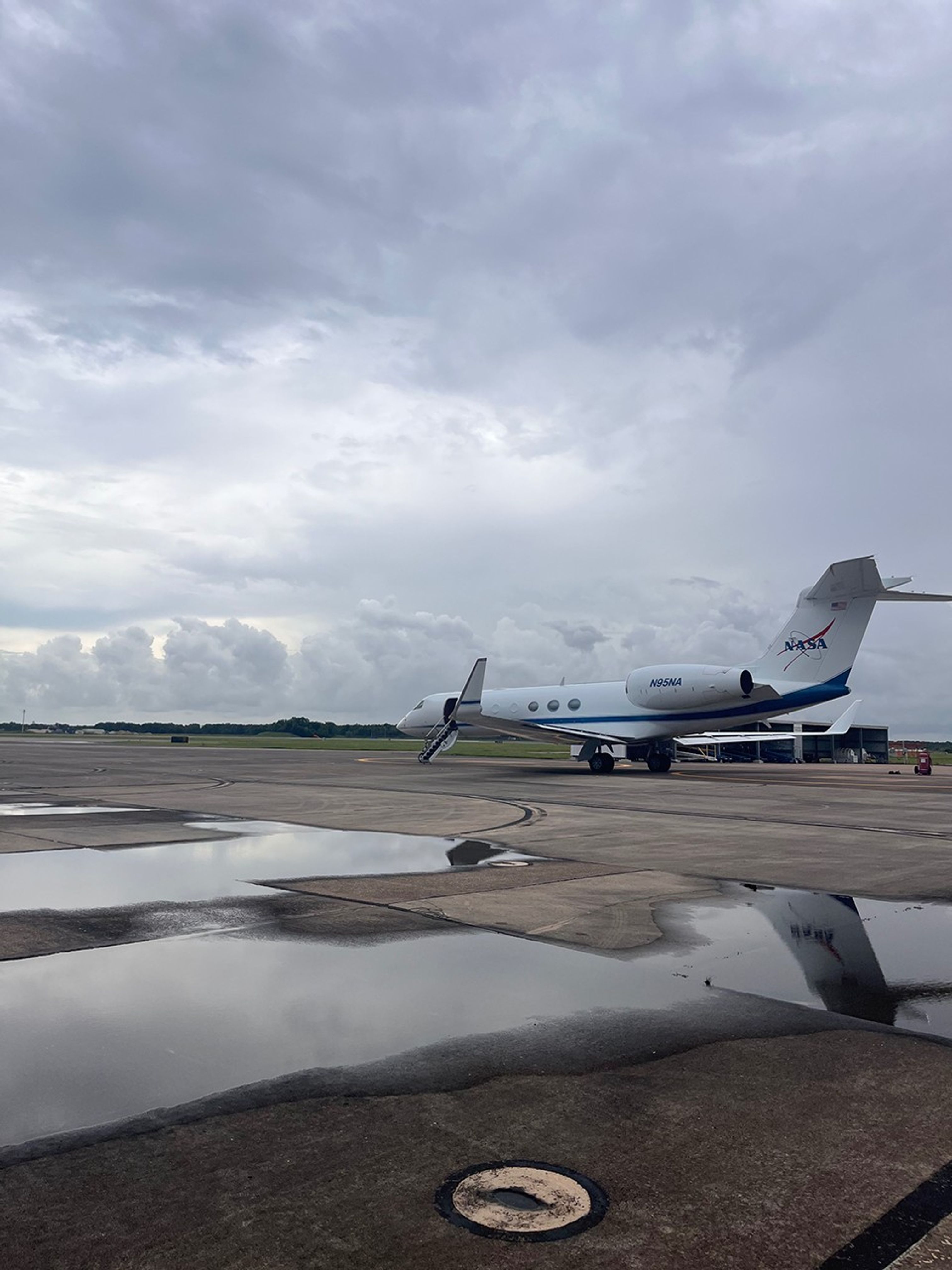
Thunderclouds roll over the sky, raindrops fall sporadically, but, with the humidity at 81 percent, I don’t even feel them. In the damp landscape of Houston, Texas, 48 undergraduate students from across the country are gathered to participate in a once-in-a-lifetime experience of hands-on science and data-gathering with NASA scientists and university mentors. NASA’s Student Airborne Research Program, or SARP, is an 8-week internship held annually on the East and West coasts. This year, though, the students of SARP East and SARP West are meeting in the middle for the first portion of their internship. These next weeks are going to be jam-packed for the students and their mentors, and it all begins today.
Day one of data collection sets the stage for science experiments and results. “It’s really special for the students to see this level of science, planning, and operations in action,” said Dan Sousa, SARP mentor and a professor at San Diego State University.
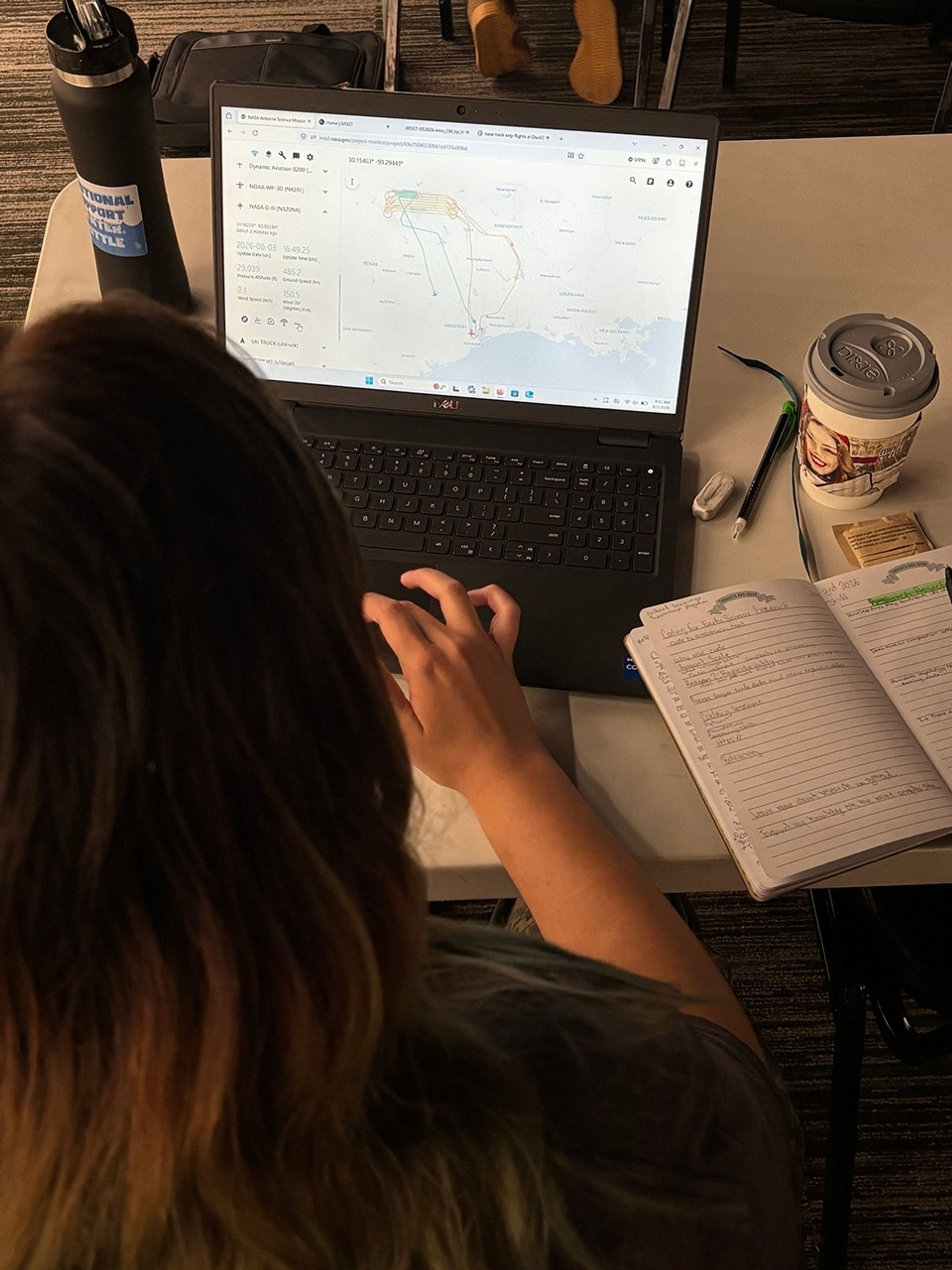
Over the course of these two weeks in Houston, students will split into groups on topics such as hydrology, atmosphere, land, and the ocean. They’ll take water, soil, and atmospheric samples from the ground and fly in research aircraft with instruments, taking atmospheric measurements, and bring their data back to the classroom to learn from the experts.
“These are life-changing opportunities for students,” said SARP mentor Dom Ciruzzi, an assistant professor from the College of William & Mary. “These are opportunities for students to not only learn about our planet, but also to learn about themselves. We want to help them build confidence.”
This program is only just beginning, with the first flights taking place now, and ground research and oceanographic research starting in the upcoming days. Keep an eye on this blog and the @nasaearth social media accounts for more content about SARP.
