

















Suggested Searches

Blogs

    NASA Broadcast Begins for IMAP Mission

    The historic countdown clock outside the NASA News Center at the agency’s Kennedy Space Center in Florida counts down to launch of NASA’s IMAP (Interstellar Mapping and Acceleration Probe), the agency’s Carruthers Geocorona Observatory, and National Oceanic and Atmospheric Administration’s (NOAA) Space Weather Follow On–Lagrange 1 (SWFO-L1) spacecraft on Wednesday, Sept. 24, 2025.

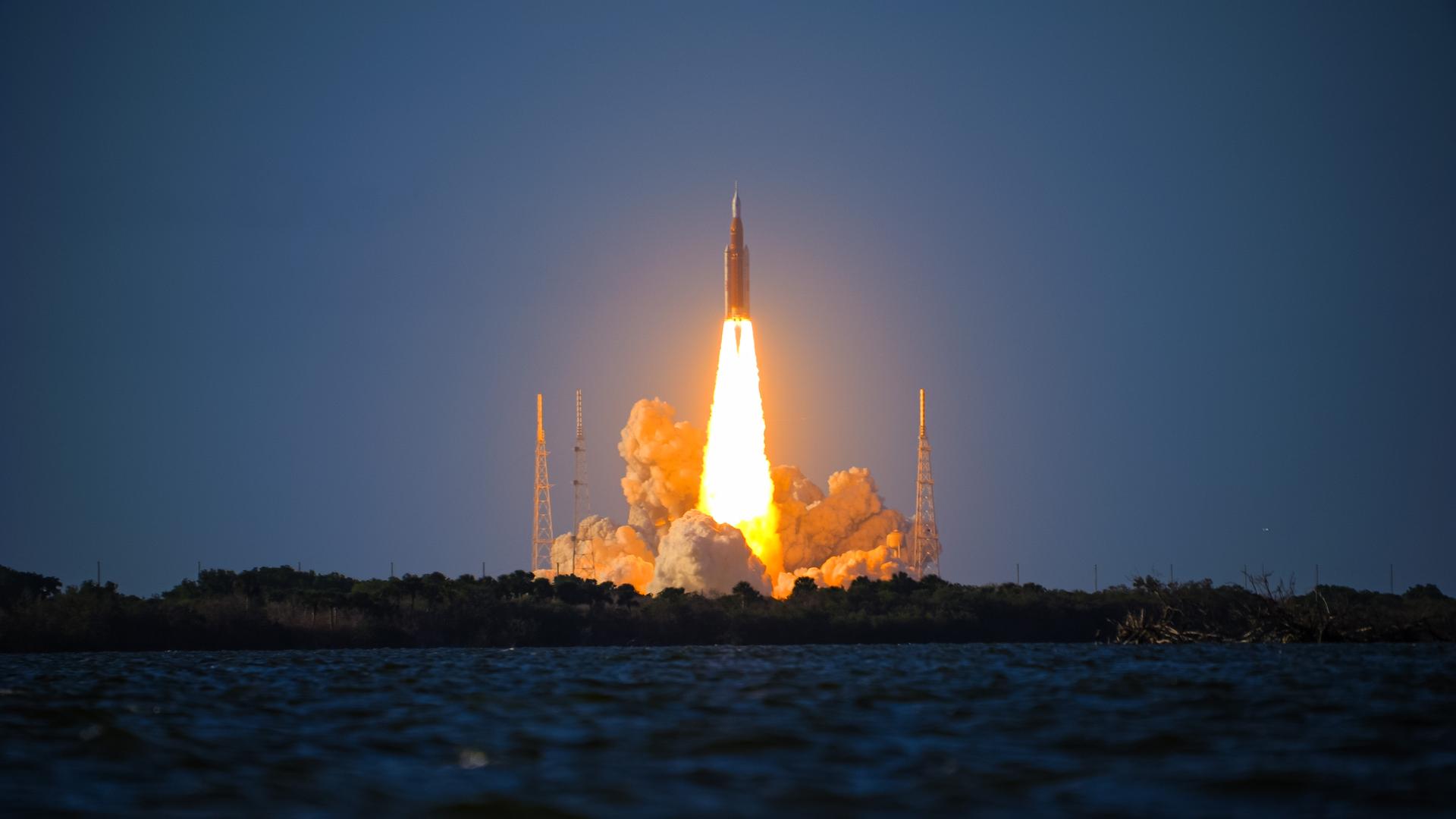
    Live broadcast coverage is underway for this morning’s IMAP (Interstellar Mapping and Acceleration Probe) mission and its two rideshares, NASA’s Carruthers Geocorona Observatory and the National Oceanic and Atmospheric Administration (NOAA) Space Weather Follow On-Lagrange 1 (SWFO-L1) spacecraft from Launch Complex 39A at NASA’s Kennedy Space Center in Florida. Weather remains 90% favorable with the […]

    Read Full Post

    NASA, NOAA Observatories Set to Study Space Weather

    A spacecraft with a large solar panel floats in space with Earth visible in the background.

    In addition to NASA’s IMAP (Interstellar Mapping and Acceleration Probe), two other spacecraft are on the launch pad today, ready for liftoff. The agency’s Carruthers Geocorona Observatory and the National Oceanic and Atmospheric Administration (NOAA) Space Weather Follow On – Lagrange 1 (SWFO-L1) spacecraft will both contribute to increasing our understanding of space weather. The Carruthers […]

    Read Full Post

    NASA’s IMAP Mission: Understanding Our Heliosphere

    A circular spacecraft floats in space with stars and dust visible in the background.

    NASA’s IMAP (Interstellar Mapping and Acceleration Probe) will help researchers better understand the boundary of the heliosphere, a vast magnetic bubble created by the Sun surrounding and protecting our solar system from harmful radiation across the galaxy. The heliosphere consists of the continual flow of energetic particles from the Sun, known as solar wind, as […]

    Read Full Post

    Coverage Begins for Newest Space Weather Mission

    Image shows a SpaceX rocket at the launch pad carrying NASA's IMAP observatory, NASA's Carruthers Geocorona Observatory, and NOAA's SWFO-L1 satellite

    Online coverage is underway for this morning’s launch of NASA’s IMAP (Interstellar Mapping and Acceleration Probe), Carruthers Geocorona Observatory, and National Oceanic and Atmospheric Administration’s (NOAA) Space Weather Follow – On Lagrange 1 (SWFO-L1) satellite. NASA’s IMAP will use 10 science instruments to study and map the heliosphere, a vast magnetic bubble surrounding the Sun […]

    Read Full Post

    Milestones For NASA’s IMAP Launch

    There are several key milestones we will be tracking tomorrow morning during launch coverage of NASA’s IMAP (Interstellar Mapping and Acceleration Probe) observatory and its two rideshares, NASA’s Carruthers Geocorona Observatory, and the National Oceanic and Atmospheric Administration (NOAA) Space Weather Follow-On Lagrange 1 (SWFO-L1) spacecraft. Time Events (all times are approximate): -00:38:00      SpaceX Launch […]

    Read Full Post

    Weather 90% Favorable for Space Weather Launch

    The U.S. Space Force’s 45th Weather Squadron predicts a 90% chance of favorable weather during tomorrow’s launch of NASA’s IMAP (Interstellar Mapping and Acceleration Probe) mission. The primary weather concern is the cumulus cloud rule. SpaceX’s Falcon 9 rocket will launch NASA’s IMAP and its two rideshares no earlier than 7:30 a.m. EDT Wednesday, Sept. […]

    Read Full Post

    Exercise Research and Computer Upgrades Keep Crew Busy on Tuesday

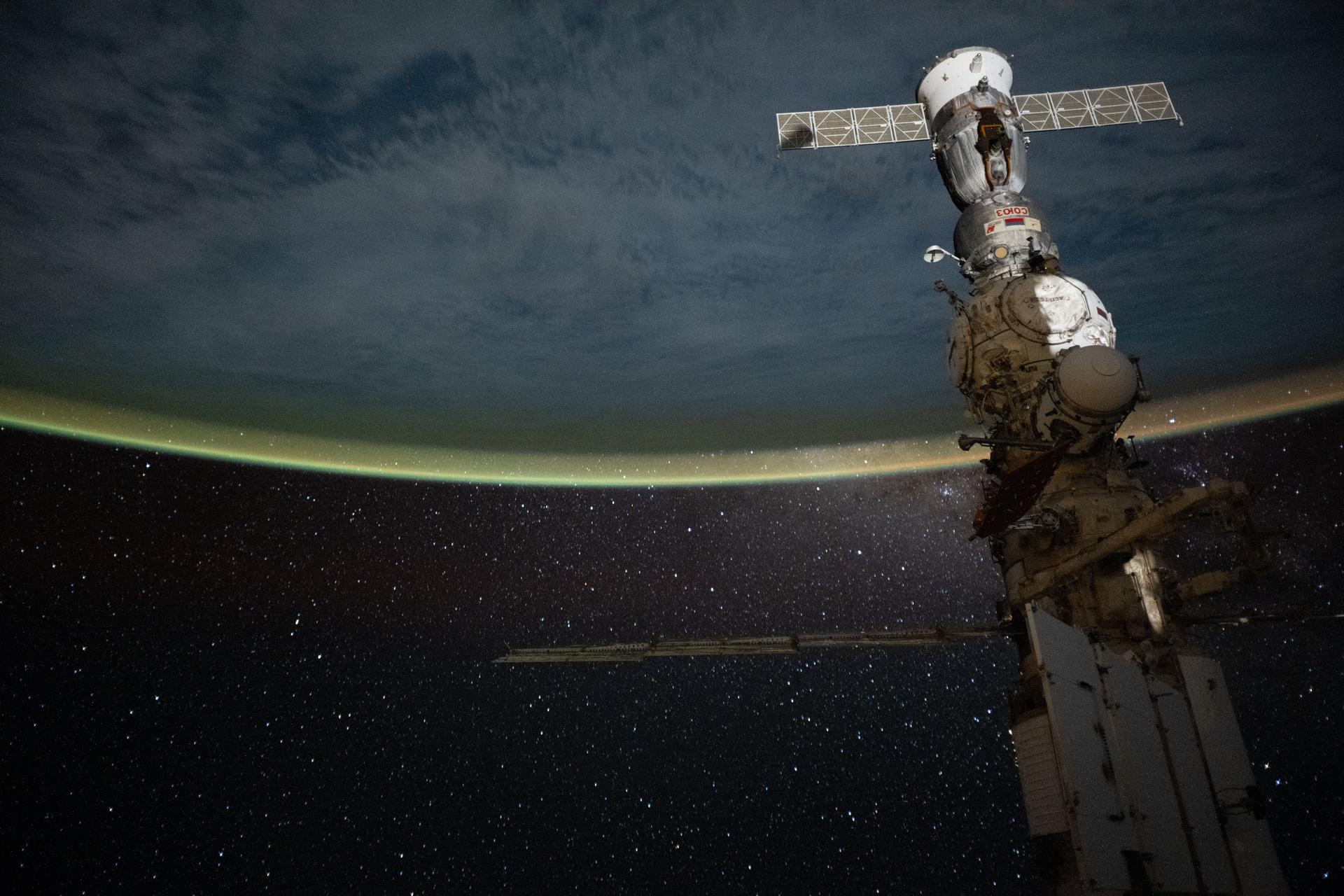
    The Expedition 73 crew members explored how exercise in space affects the body, conducted an eye exam, and continued upgrading computer networking gear aboard the International Space Station on Tuesday. The orbital residents also transferred emergency gear into the SpaceX Dragon crew spacecraft, maintained life support equipment, and continued unpacking a Progress resupply ship.

    Read Full Post

    NASA Satellite Swarm’s Expanded Mission Powers Smarter Operations

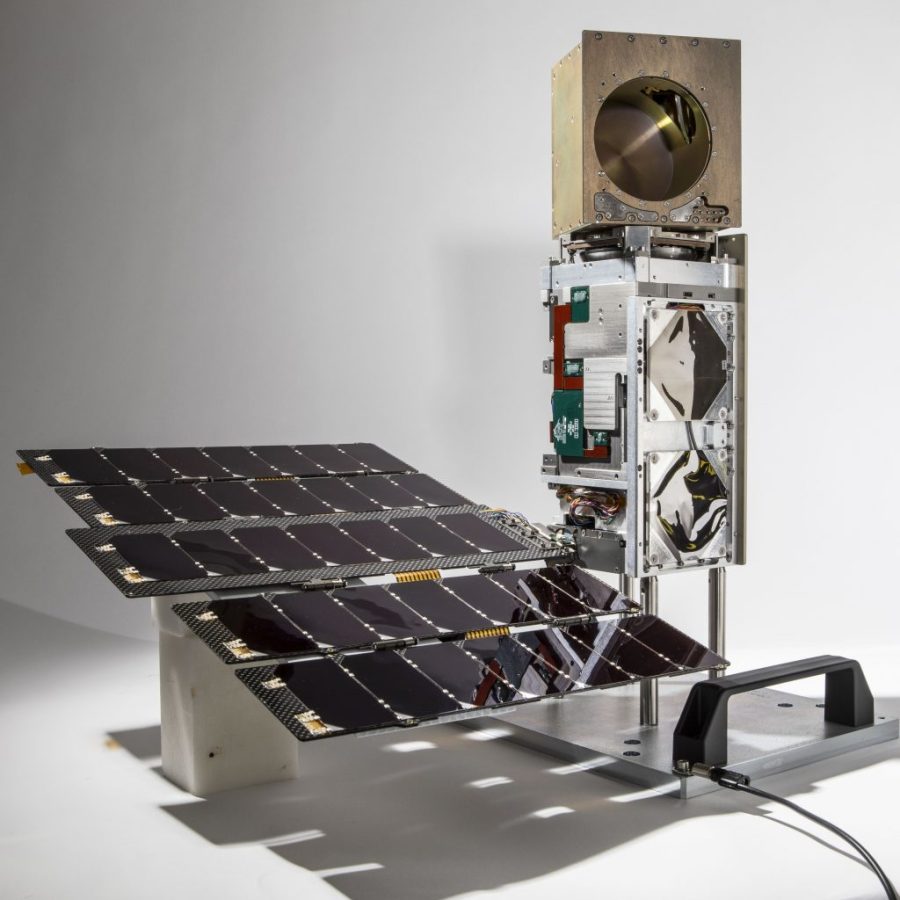
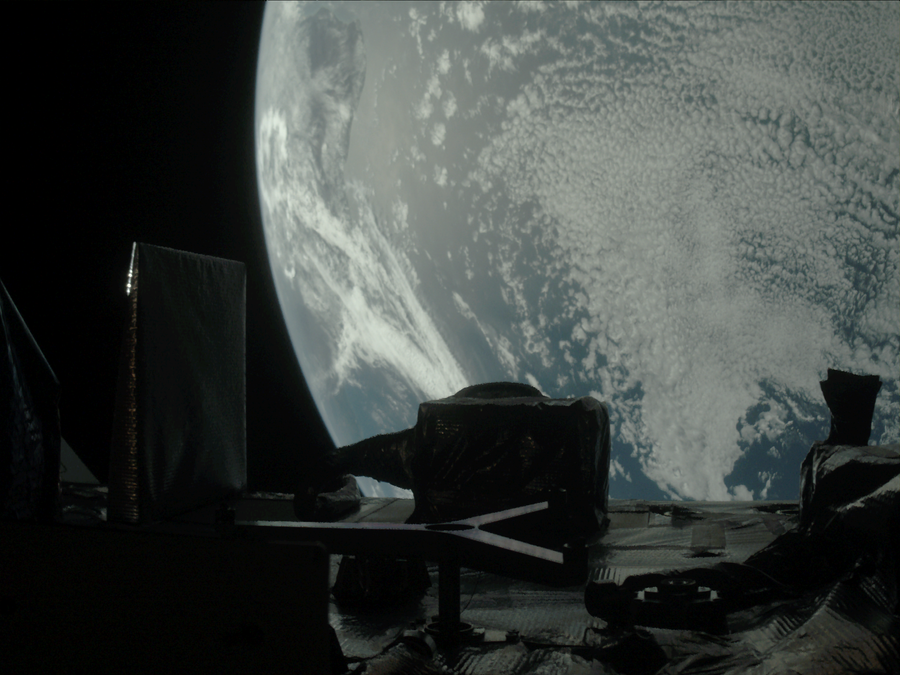
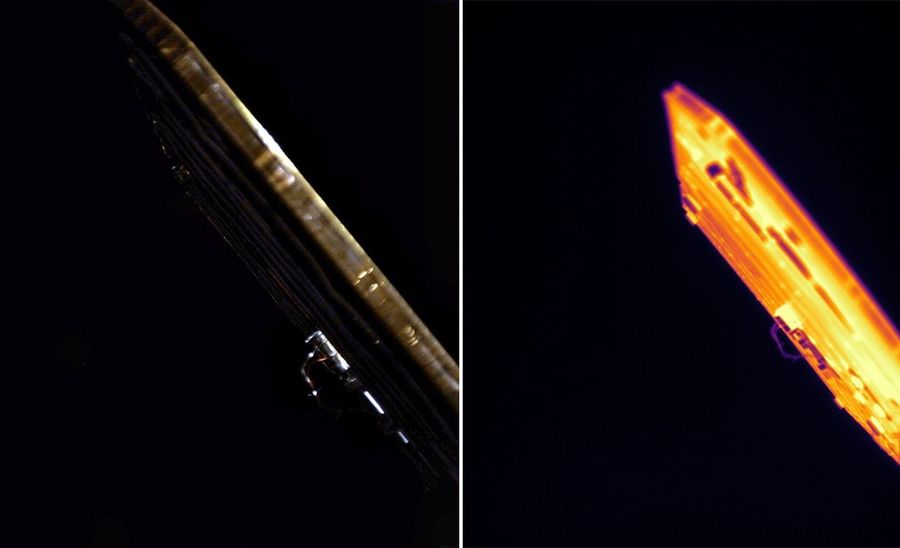
    NASA continues to study how autonomy will assist future exploration to the Moon, Mars, and other worlds. As exploration continues to evolve, future spacecraft swarms will one day “see” and communicate with each other autonomously, navigating new destinations more efficiently. The success of NASA’s Starling mission extension, called Starling 1.5+, shows greater autonomy in space […]

    Read Full Post