





















The SAGE III/ISS Project held a successful Key Decision Point-D (KDP-D) at NASA Headquarters Tuesday, June 9, and was approved to proceed with payload assembly, testing, and launch operations. On Tuesday, June 16, the team conducted a successful peer review of the plans for the upcoming Thermal Vacuum Testing scheduled to begin in July.
CNU STEM Day 2015
SD Education and Outreach team members Kristyn Damadeo and Sarah Crecelius staffed two Earth science booths at the 2015 STEM Community Day held May 30, 2015, sponsored by Christopher Newport University, Newport News Public Schools, and the Governor’s Youth Development Academy. SD Education and Outreach collaborated with the LaRC Office of Education to provide a […]
Check out SAGE III at the GLOBE Annual Meeting
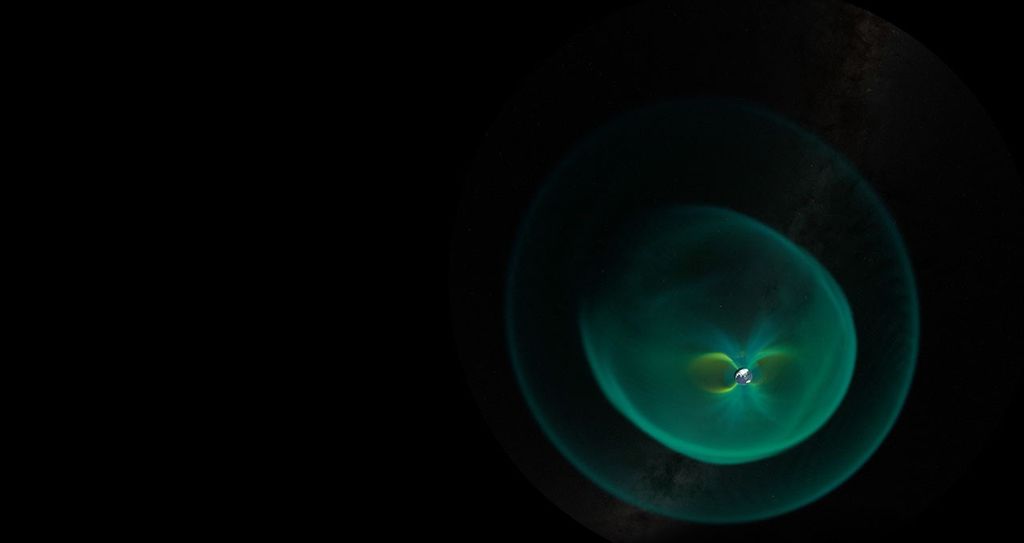
If you are planning on attending the 19th GLOBE Annual Meeting in Los Angeles this summer, July 19-24, make sure you plan on attending one of the sessions about a great new resource we helped develop. Join the GLOBE kids- Anita, Simon, and Dennis- as they learn about aerosols in the latest Elementary GLOBE storybook, […]
SAGE III/ISS Successful Vibration Testing
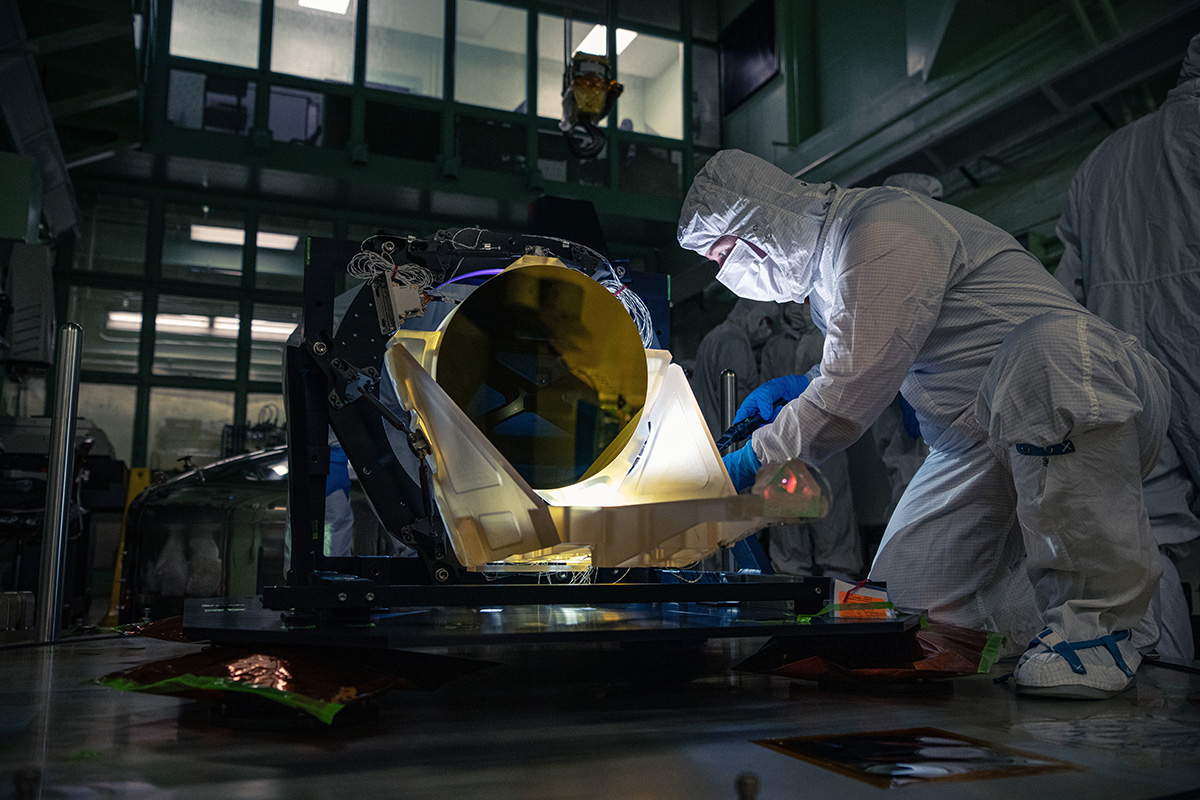
The SAGE III/ISS team completed vibration testing of the Instrument Payload on Wednesday, May 20. Testing started May 14 to ensure the payload will survive the rough trip to the space station. The team conducted post-test inspections and moved the payload back into the clean room and is conducting post-vibration functional testing and alignment checks.
SAGE III/ISS Passes Critical Reviews
SAGE III/ISS held a successful System Integration Review (SIR) on Thursday, May 7, 2015. The review was well-received by the Standing Review Board. The SRB Chair congratulated the team on working hard to meet the Project’s schedule and being well-prepared for the review. That review paved the way for the Pre-Environmental Review (PER), which was […]
Hexapod is installed on Instrument Payload
The Hexapod Pointing System, which will help keep the SAGE instrument pointing in the right direction, was installed with the instrument. The team is working hard to get SAGE ready for environmental testing and then launch.