














NASA Satellites Show Where Outdoor Lights Worsen Allergy Season
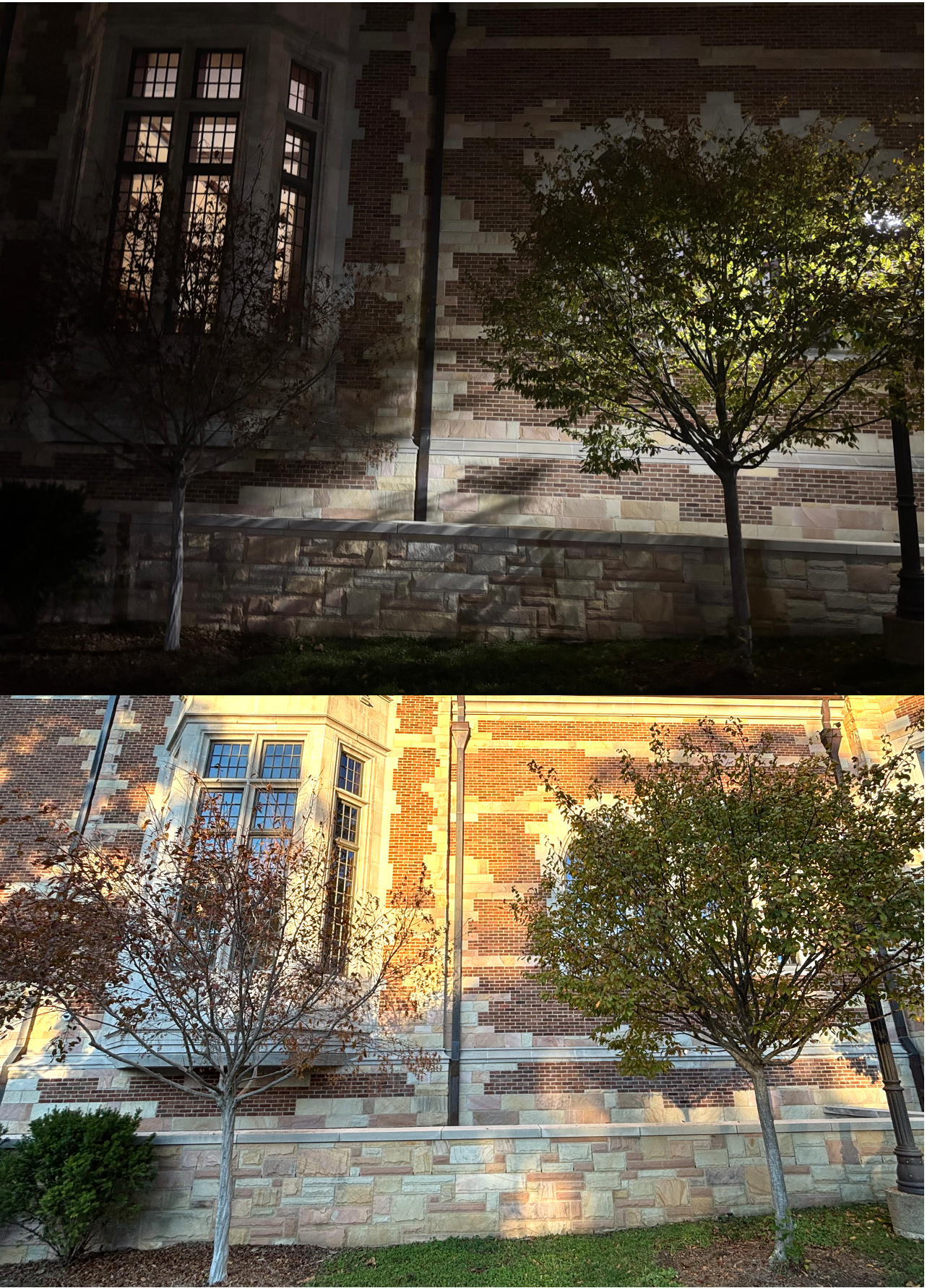
Plants exposed to artificial lighting burst into bloom earlier and flower longer than plants exposed exclusively to natural sunlight. A recent study that relies on NASA satellite data found that this effect raises pollen counts throughout much of the year, extending and intensifying allergy seasons in brightly lit communities.
In a study in PNAS Nexus, researchers compared pollen season timing to maps of artificial lighting, using NASA’s Black Marble satellite images of the eastern United States at night. In low or no light areas, pollen counts were significant for 170 to 210 days a year. In brightly lit locations, days with significant pollen counts were more frequent, reaching 300 days annually in places like New York City.
The exposure severity of pollen also increased. As much as 27% of pollen season days reached severe levels in brightly lit areas, compared to 17% of the season where there was little or no artificial lighting. Longer and more intense pollen seasons boost allergy sufferers’ symptoms as well, raising the risks for people living with asthma or other ailments aggravated by airborne pollen.
The researchers suggest a variety of potential solutions, including reducing light levels, shielding light fixtures to prevent exposing nearby plants, motion sensors to shut off lights when they aren’t needed, and minimizing the high-energy blue light in artificial lighting that’s most responsible for increased pollen production.
This research provides public health officials with a foundation for linking artificial light to increased pollen exposures and the harmful health outcomes that could result.
~James Riordon