

















NASA-Funded Study Shows How Controlled Burns Help Sequoias Survive Wildfires
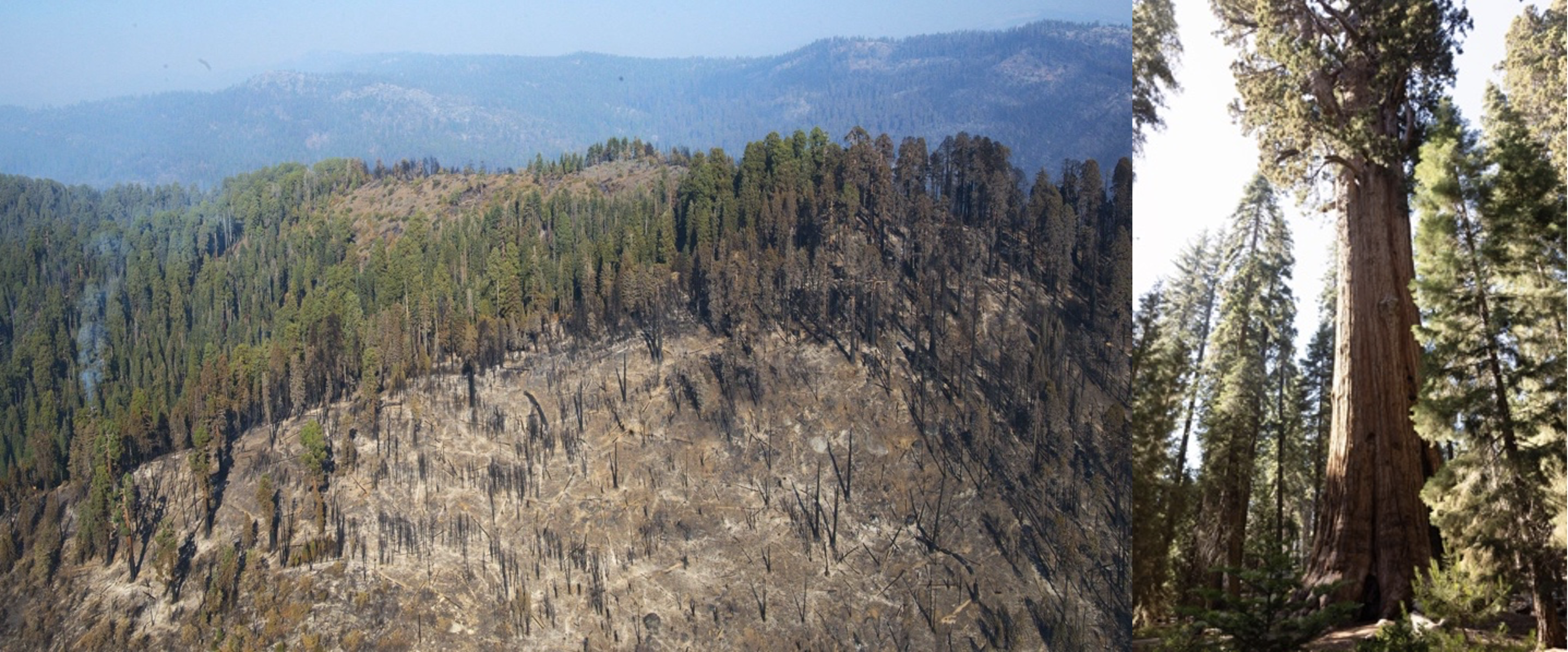
Right: General Sherman, a giant sequoia and the largest tree in the world by volume, towers over the rest of the forest in Sequoia National Park. These trees can grow to over 300 feet tall, over 30 feet wide, live for more than 3,000 years, and are only naturally found[DDJ(SAERI1] on the western slopes of the Sierra Nevadas.National Park Service/Anthony Caprio (Left), Samuel Grinis (Right)
A new study, funded by NASA, found that giant sequoias were nearly four times more likely to survive extreme wildfires in forests that have been managed with prescribed burns, which decrease tree mortality.
Giant sequoias are a unique species, only naturally found on the western slopes of the Sierra Nevada mountain range in California. These trees, which can reach more than 300 feet in height and more than 30 feet in diameter, are keystones of the ecosystem and serve as carbon sinks, water filters, and structural habitats for birds, insects, and small mammals.
Recent wildfires have caused far more deaths among giant sequoias than usual, threatening their future. Prescribed, or “controlled” burns help the trees by thinning underbrush, dead wood, and other dry fuels, reducing the likelihood of mortality from high-intensity wildfires.
Researchers analyzed data on 26,403 giant sequoias across 19 groves in Sequoia and Kings Canyon National Parks in the wake of the 2020 and 2021 fire seasons, when a record 6.8 million acres burned across California. The study was published July 11 in the journal Nature Communications. During those two years,19% of the total mature giant sequoia population across the range was destroyed.
The team combined lidar, stem maps, high-resolution imagery, and modeling techniques to estimate giant sequoia mortality in relation to forest management practices and found that prescribed burns saved roughly 1,800 giant sequoias.
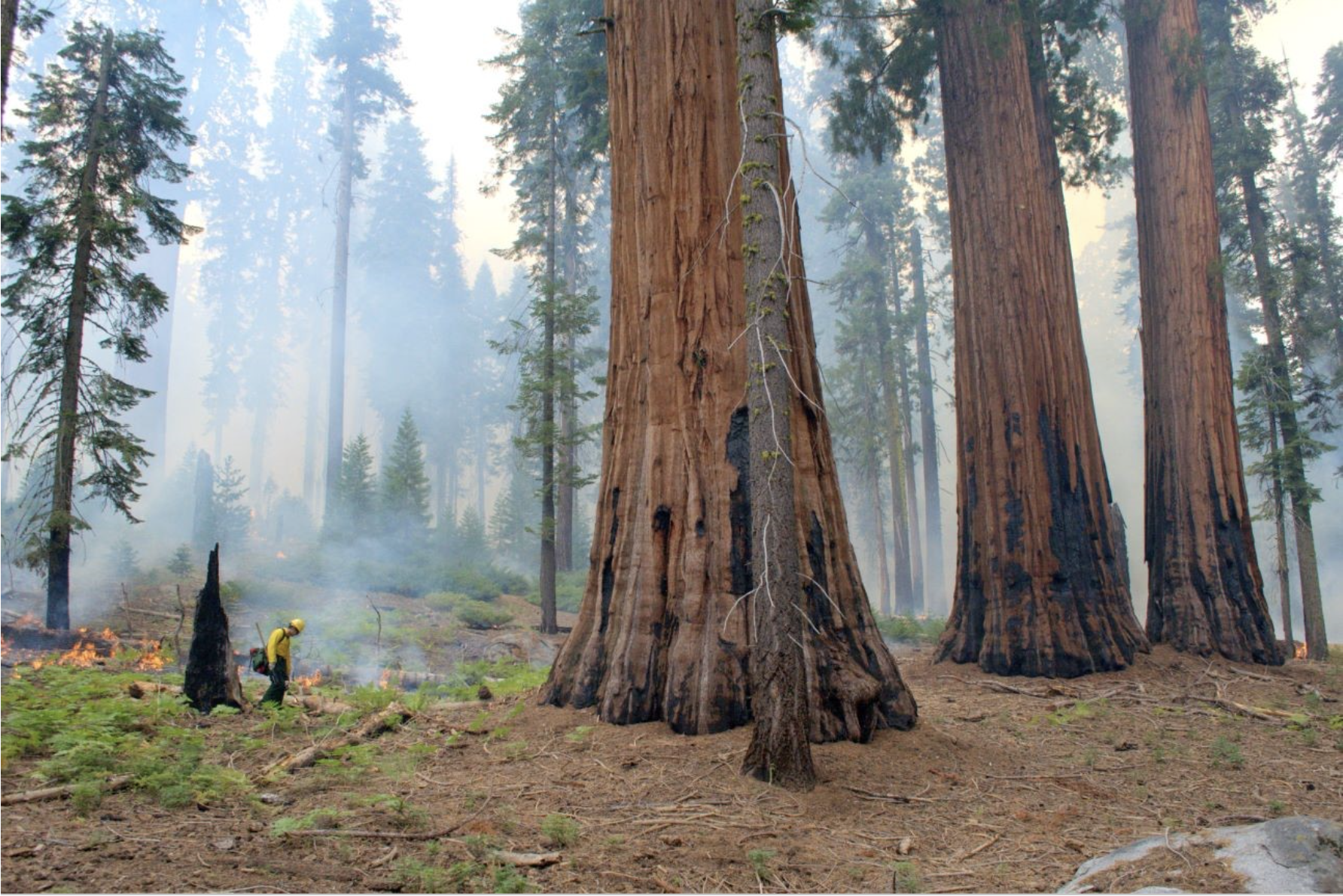
While prescribed burns are widely considered among the best ways to protect giant sequoias, evidence to date has been primarily anecdotal. This study showed the value of high-resolution remote sensing for species-specific conservation efforts, with applications for old-growth forests worldwide.
To learn more about NASA’s missions, visit: https://science.nasa.gov/earth
~ Milan Loiacono