























NASA Satellites Reveal Aquifer Decline in Brazilian Breadbasket
A collaboration of scientists from NASA and Brazilian research institutions has produced a detailed picture of groundwater change across Brazil. The images reveal significant declines in some of the aquifers that are critical to one of the world’s largest agricultural producers.
In the study, published June 3 in Science Advances, researchers used artificial intelligence to combine satellite observations, well measurements, geology, and water-use data to evaluate groundwater in Brazil from 2002 to 2023. They found that multiple factors, including drought, deforestation, agriculture, mining, and increasing groundwater extraction, are straining aquifers that provide 55% of Brazil’s water.
Several aquifers in central and eastern Brazil are experiencing persistent groundwater depletion, according to the study. Aquifers are typically replenished annually as rainwater swells rivers and soaks into the ground. In certain regions of Brazil, home to some of the world’s largest aquifers, researchers observed years with little or no groundwater recharge.
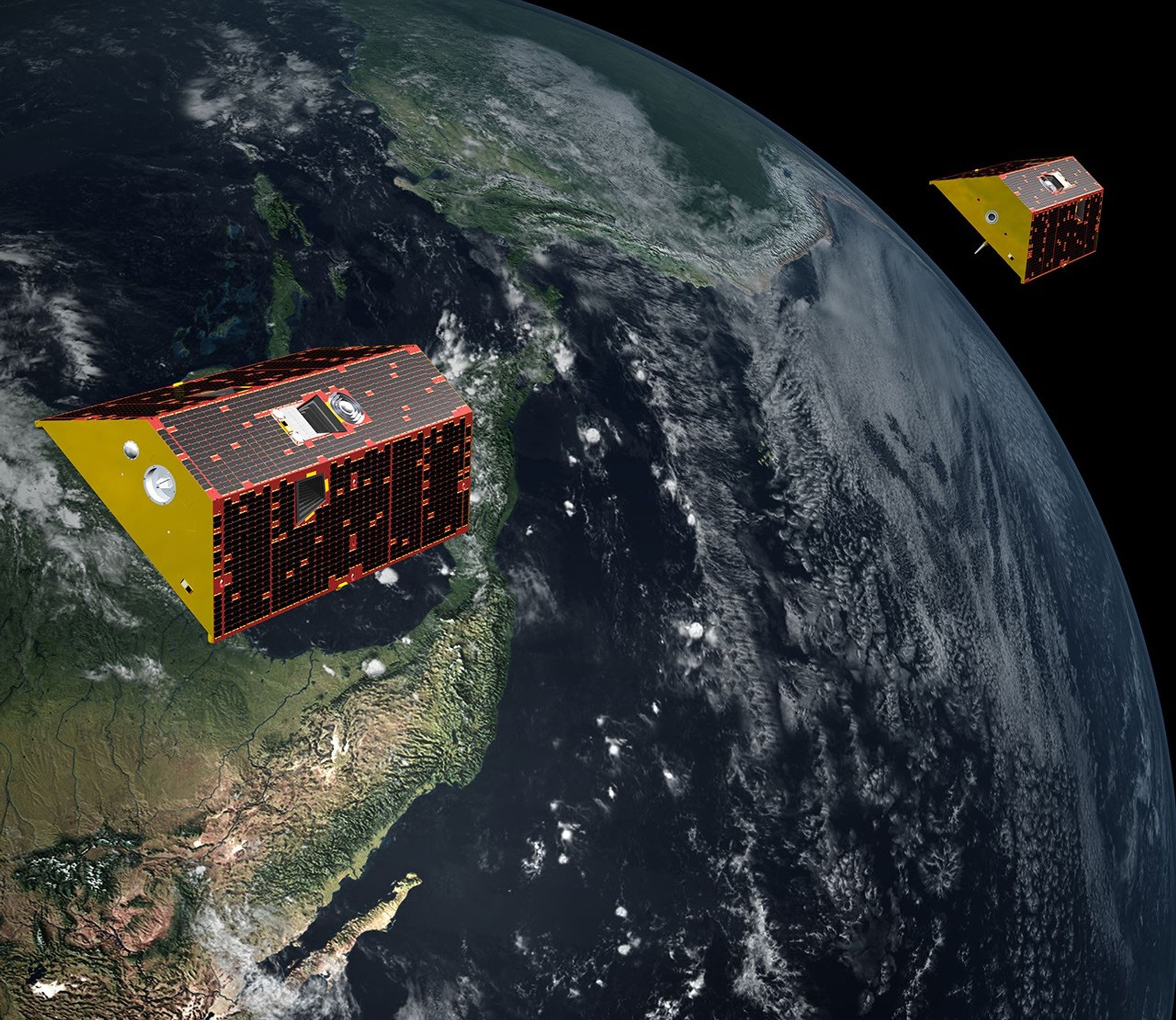
The researchers collected data from the Gravity Recovery and Climate Experiment (GRACE) and GRACE Follow-On satellite missions that track changes in Earth’s water by measuring subtle shifts in gravity. They used the data to produce high-resolution maps of groundwater across Brazil’s 3.3 million square miles (8.5 million square kilometers).
The maps showed that parts of the Amazon basin experienced strong seasonal groundwater swings tied to rainfall and river flooding, while regions affected by agricultural expansion and increased commercial land use experienced the most severe and persistent groundwater depletion. The findings suggest that Brazil is beginning to exhibit groundwater loss similar to that of heavily used aquifers in the United States, India, Iran, and Bangladesh.
~ James Riordon