• Missions
    • Search All NASA Missions
    • A to Z List of Missions
    • Upcoming Launches and Landings
    • Spaceships and Rockets
    • Communicating with Missions
    • Artemis
    • James Webb Space Telescope
    • Hubble Space Telescope
    • International Space Station
    • OSIRIS-REx
  • Humans in Space
    • Why Go to Space
    • Astronauts
    • Commercial Space
    • Destinations
    • Spaceships and Rockets
    • Living in Space
  • Earth & Climate
    • Explore Earth Science
    • Climate Change
    • Earth, Our Planet
    • Earth Science in Action
    • Earth Multimedia
    • Earth Data
    • Earth Science Researchers
  • About NASA
    • NASA's Impacts
    • Centers and Facilities
    • Directorates
    • Organizations
    • People of NASA
    • Careers
    • Internships
    • Our History
    • Doing Business with NASA
    • Get Involved
    • Contact
  • Learning Resources
    • For Kids and Students
    • For Educators
    • For Colleges and Universities
    • For Professionals
    • Science for Everyone
    • Request an Exhibit or Speaker
    • STEM Engagement at NASA
  • Aeronautics
    • Science in the Air
    • NASA Aircraft
    • Flight Innovation
    • Supersonic Flight
    • Air Traffic Solutions
    • Green Aviation Tech
    • Drones & You
  • Technology
    • Technology Transfer & Spinoffs
    • Space Travel Technology
    • Technology Living in Space
    • Manufacturing and Materials
    • Robotics
    • Science Instruments
    • Computing
  • The Universe
    • Exoplanets
    • The Search for Life in the Universe
    • Stars
    • Galaxies
    • Black Holes
    • The Big Bang
    • Dark Matter & Dark Energy
  • The Solar System
    • The Sun
    • Mercury
    • Venus
    • Earth
    • The Moon
    • Mars
    • Jupiter
    • Saturn
    • Uranus
    • Neptune
    • Pluto & Dwarf Planets
    • Asteroids, Comets & Meteors
    • The Kuiper Belt
    • The Oort Cloud
    • Skywatching
  • Español
    • Ciencia
    • Aeronáutica
    • Ciencias Terrestres
    • Sistema Solar
    • Universo
  • Science
    • All NASA Science
    • Earth Science
    • Planetary Science
    • Astrophysics & Space Science
    • The Sun & Heliophysics
    • Biological & Physical Sciences
    • Lunar Science
    • Citizen Science
    • Astromaterials
    • Aeronautics Research
    • Human Space Travel Research
NASA Logo
NASA Logo
  • NASA+

GRACE-FO

Gravity Recovery and Climate Experiment Follow-on

active Mission

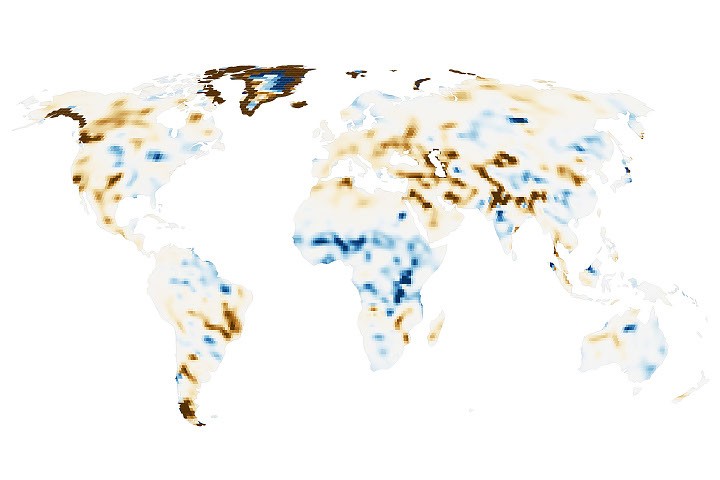
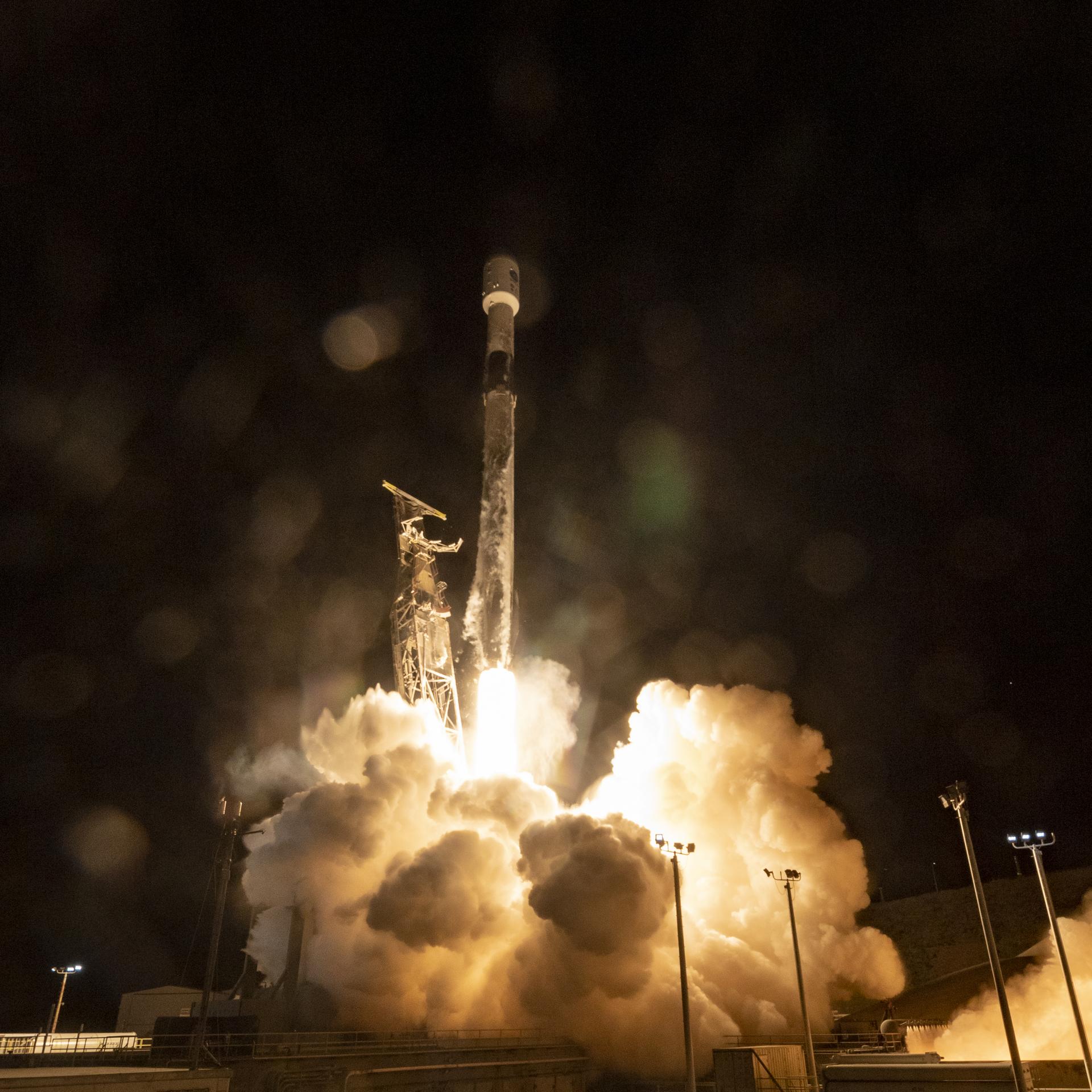
GRACE-FO is a successor to the original GRACE mission, which orbited Earth from 2002-2017. GRACE-FO tracks Earth's water movement.

Type

Orbiter

Launch

May 22, 2018

Target

Earth

Objective

Tracking Earth's water movement
Learn more about GRACE-FO

Latest News

More GRACE-FO (Gravity Recovery and Climate Experiment Follow-on) News
Article
6 min read

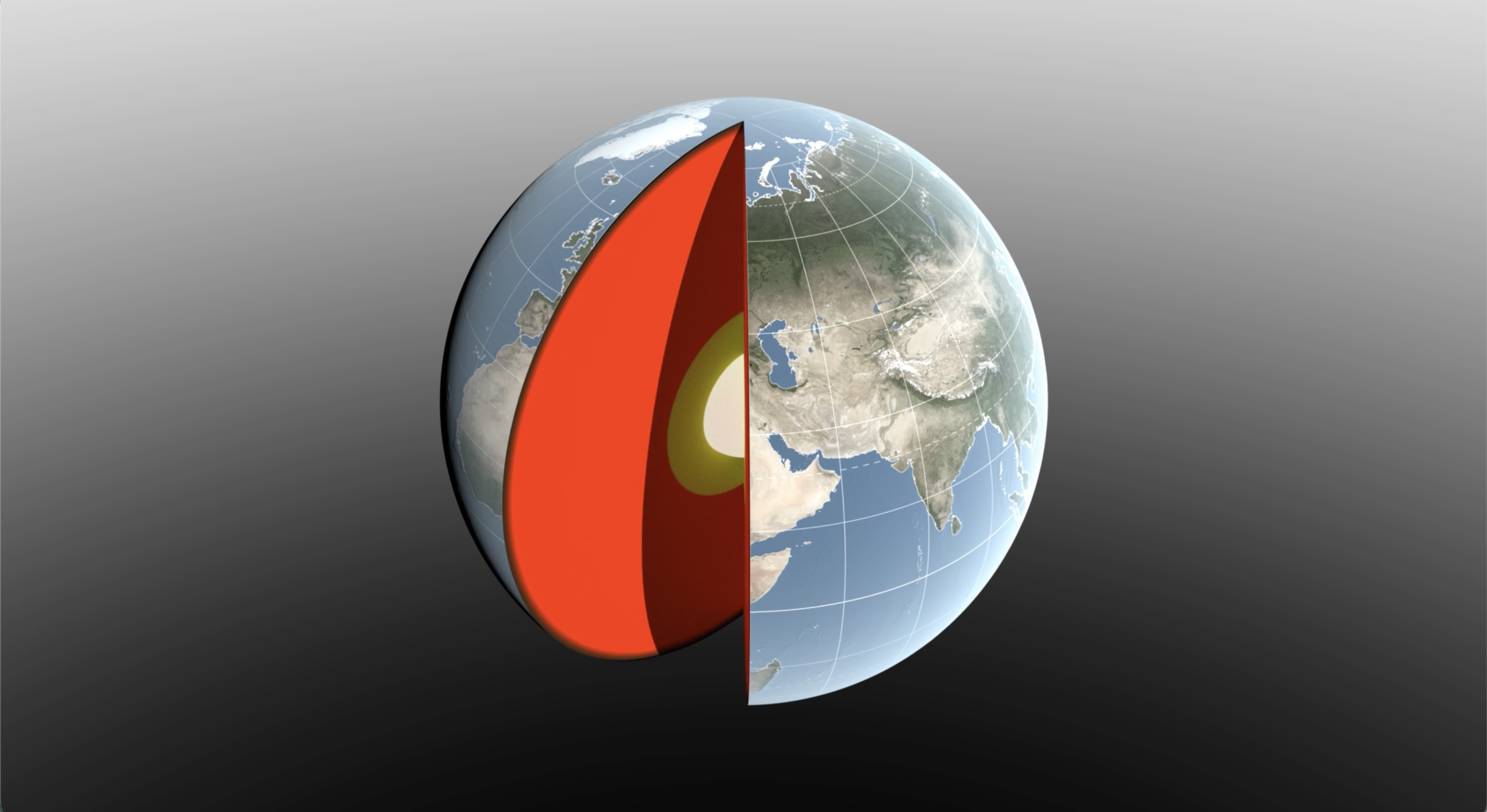
NASA-Funded Studies Explain How Climate Is Changing Earth’s Rotation

Article
4 min read

NASA Satellites Find Snow Didn’t Offset Southwest US Groundwater Loss

5 min read

US, Germany Partnering on Mission to Track Earth’s Water Movement

Article4 months ago
The international Surface Water and Ocean Topography (SWOT) satellite, as shown in this illustration, is the first global mission surveying Earth's surface water. SWOT's high-resolution data helps scientists measure how Earth's bodies of water change overtime.
4 min read

Google’s ‘A Passage of Water’ Brings NASA’s Water Data to Life

Article8 months ago
5 min read

Warming Makes Droughts, Extreme Wet Events More Frequent, Intense

Article1 year ago
Keep Exploring

Discover More Topics From NASA

James Webb Space Telescope

The image is divided horizontally by an undulating line between a cloudscape forming a nebula along the bottom portion and a comparatively clear upper portion. Speckled across both portions is a starfield, showing innumerable stars of many sizes. The smallest of these are small, distant, and faint points of light. The largest of these appear larger, closer, brighter, and more fully resolved with 8-point diffraction spikes. The upper portion of the image is blueish, and has wispy translucent cloud-like streaks rising from the nebula below. The orangish cloudy formation in the bottom half varies in density and ranges from translucent to opaque. The stars vary in color, the majority of which have a blue or orange hue. The cloud-like structure of the nebula contains ridges, peaks, and valleys – an appearance very similar to a mountain range. Three long diffraction spikes from the top right edge of the image suggest the presence of a large star just out of view.

Perseverance Rover

Parker Solar Probe

Juno

Return to top
NASA Logo

National Aeronautics and Space Administration

NASA explores the unknown in air and space, innovates for the benefit of humanity, and inspires the world through discovery.

  • About NASA's Mission
Join Us
  • Home
  • News & Events
  • Multimedia
  • NASA+
  • Missions
  • Humans in Space
  • Earth & Climate
  • The Solar System
  • The Universe
  • Science
  • Aeronautics
  • Technology
  • Learning Resources
  • About NASA
  • NASA en Español

Follow NASA

  • More NASA Social Accounts
  • NASA Newsletters
  • Sitemap
  • For Media
  • Privacy Policy
  • FOIA
  • No FEAR Act
  • Office of the IG
  • Budget & Annual Reports
  • Agency Financial Reports
  • Contact NASA
  • Accessibility
  • Page Last Updated:
    last year
  • Page Editor:
    SMD Content Editors
  • Responsible NASA Official for Science:
    Dana Bolles