


























What to Expect: Commercial Mission to Boost NASA’s Swift
At launch
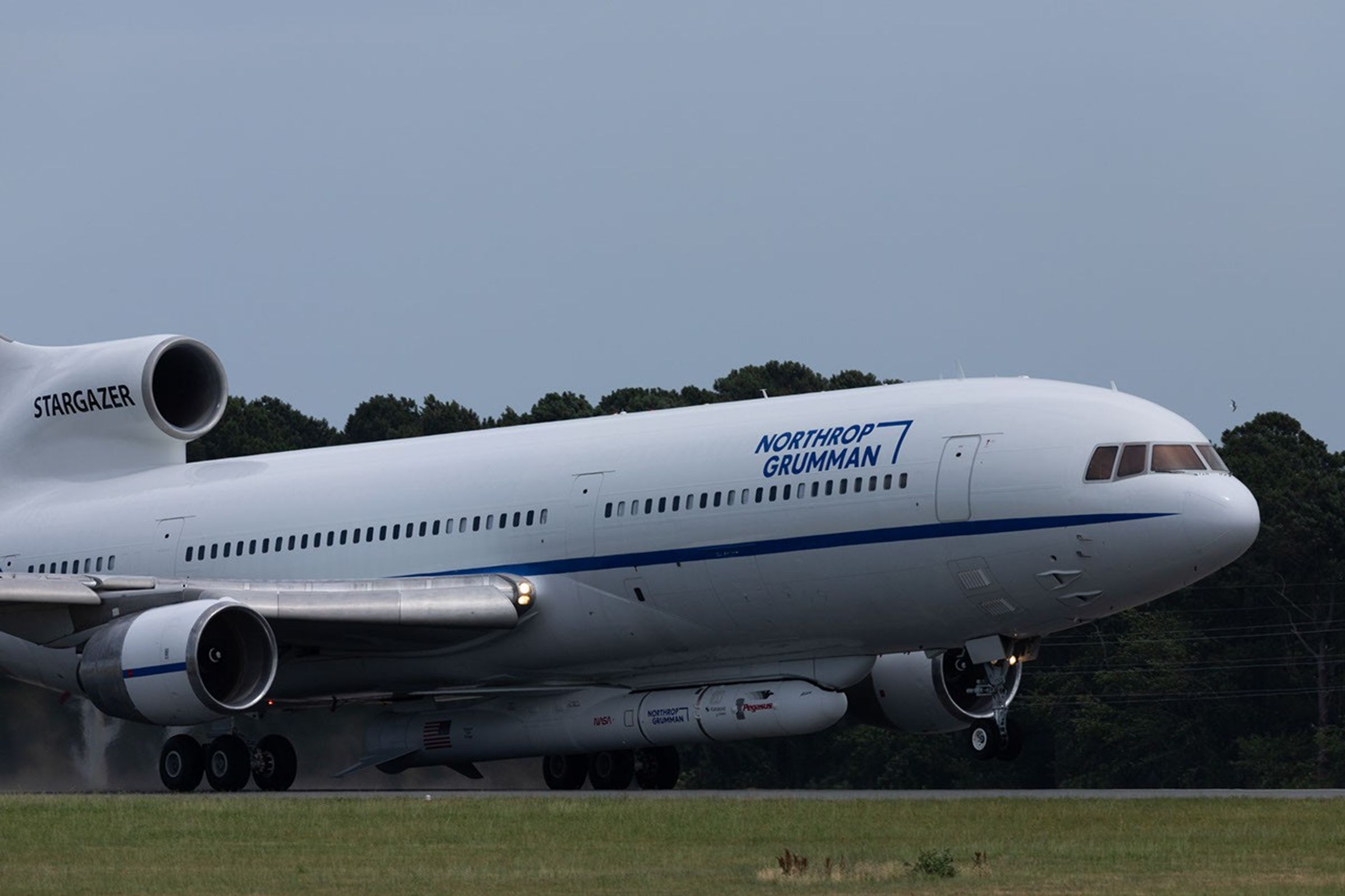
A mission to boost the orbit of NASA’s sinking Neil Gehrels Swift Observatory is targeted to launch no earlier than Tuesday, June 30, at 10:17 p.m. UTC+12 (6:17 a.m. EDT), from Kwajalein Atoll in the Marshall Islands.
LINK, a robotic servicing spacecraft built by American startup Katalyst Space for this mission to extend Swift’s science lifetime, will launch on a Northrop Grumman Pegasus XL rocket.
While there is no livestream available for launch, NASA will continue to provide written updates on the agency’s Swift blog.
After launch
After LINK reaches orbit, the Katalyst team’s first step is to acquire a signal from the spacecraft, confirming its solar panels have deployed and the power systems are working. Then the spacecraft will go through several weeks of checkouts, a process called commissioning, where controllers on the ground turn on and test various systems to ensure everything is working.
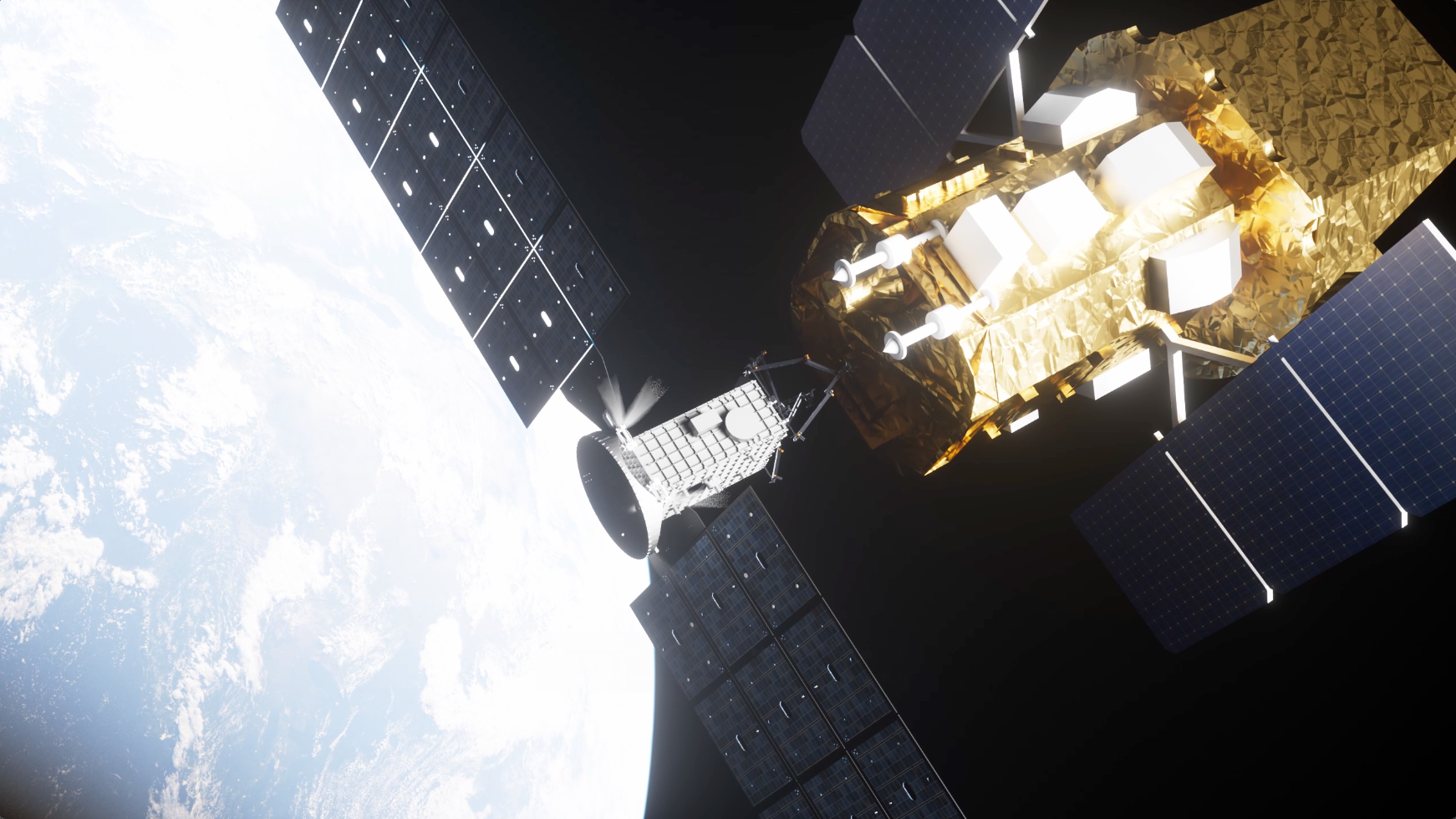
With commissioning complete, the team can then maneuver LINK toward Swift. As it approaches, LINK will collect and send images of Swift to the ground, where teams at Katalyst and NASA will assess the planned grab points. This rendezvous and capture will be a slow and careful process that could take about a month.
Once its robotic arms are attached to Swift, LINK can begin to slowly push Swift upward. Over the course of a few months, LINK will attempt to return Swift close to its original launch altitude. Then, LINK will detach, leaving Swift in its new orbit.
After boost
After the orbit boost, NASA can restart the observatory’s full system and telescope operations in a process like the one Swift went through after its launch in 2004. It could take a month or more to return to its full science capabilities.
These estimated timeframes may vary. Flexibility is built into the teams’ approach to allow them to pause, assess data, and adjust as needed.
Learn more about the mission to boost Swift:
https://science.nasa.gov/mission/swift/swift-boost-mission/

