















Swift Boost Mission
Mission Update
-
August 18, 2026
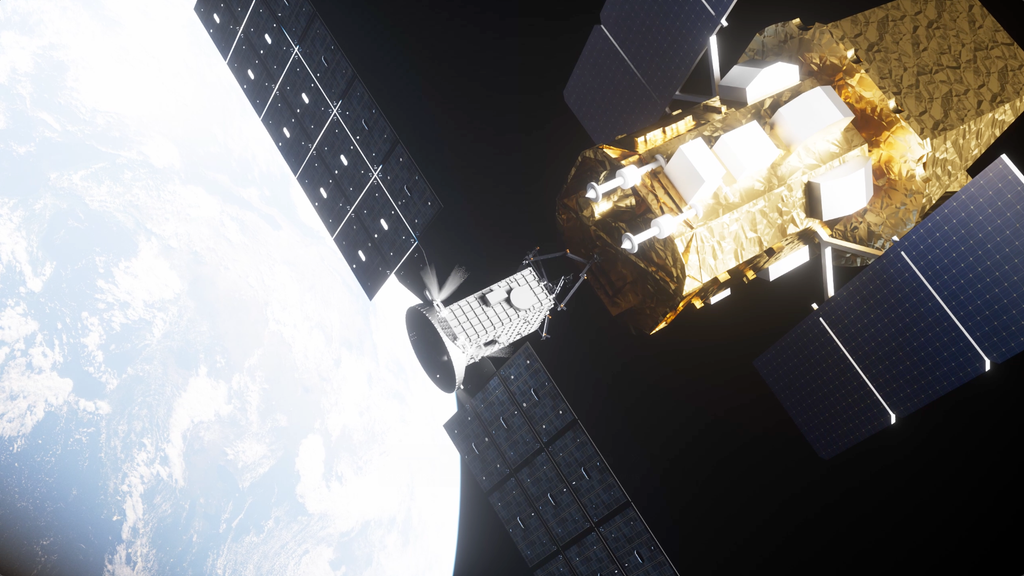
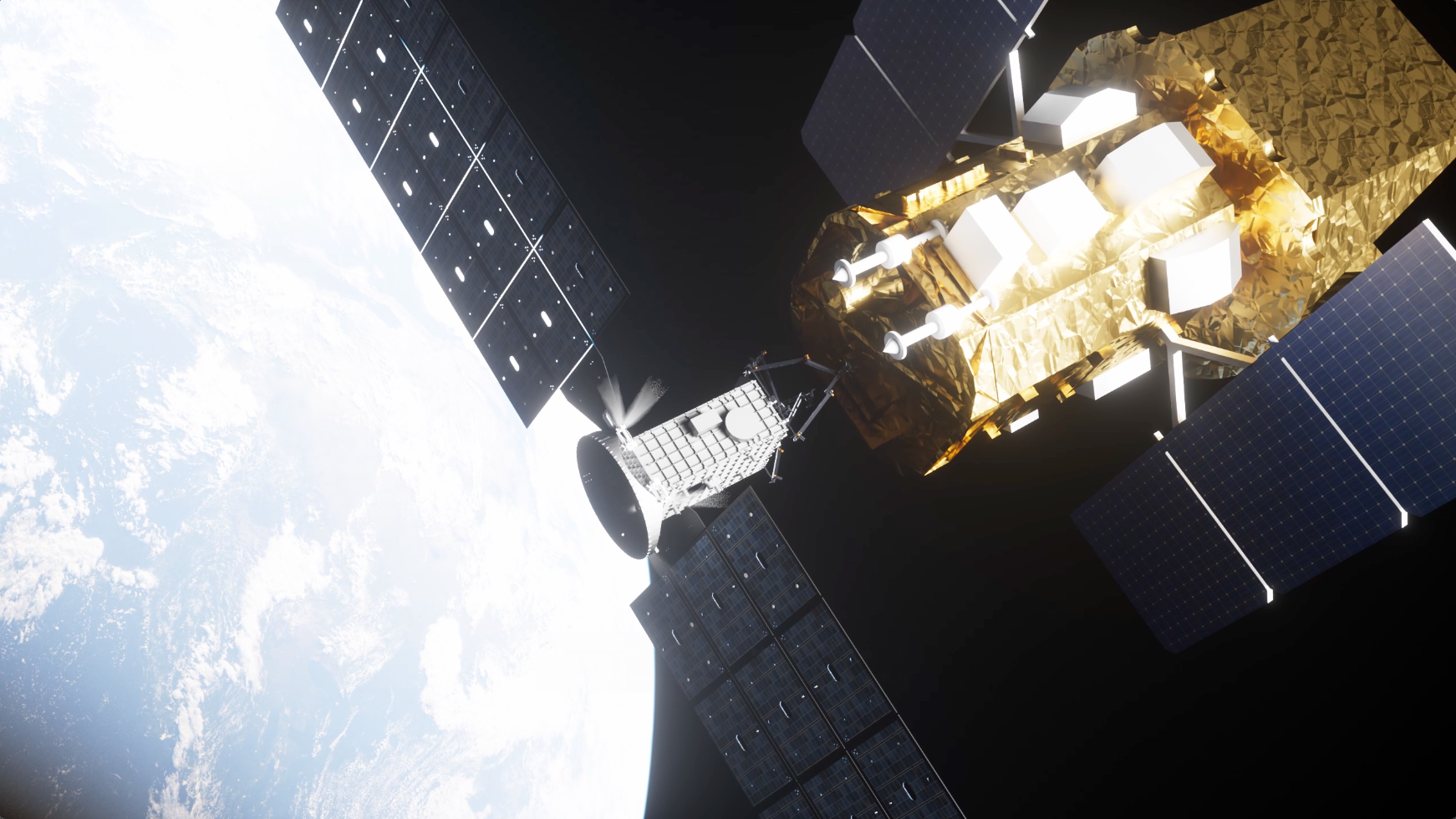
Due to an ongoing attitude control issue, the LINK spacecraft will not capture or boost the agency's Neil Gehrels Swift Observatory to a higher altitude. LINK still will attempt to conduct rendezvous and proximity operations with Swift to demonstrate key capabilities for the future of space exploration.
About The Boost
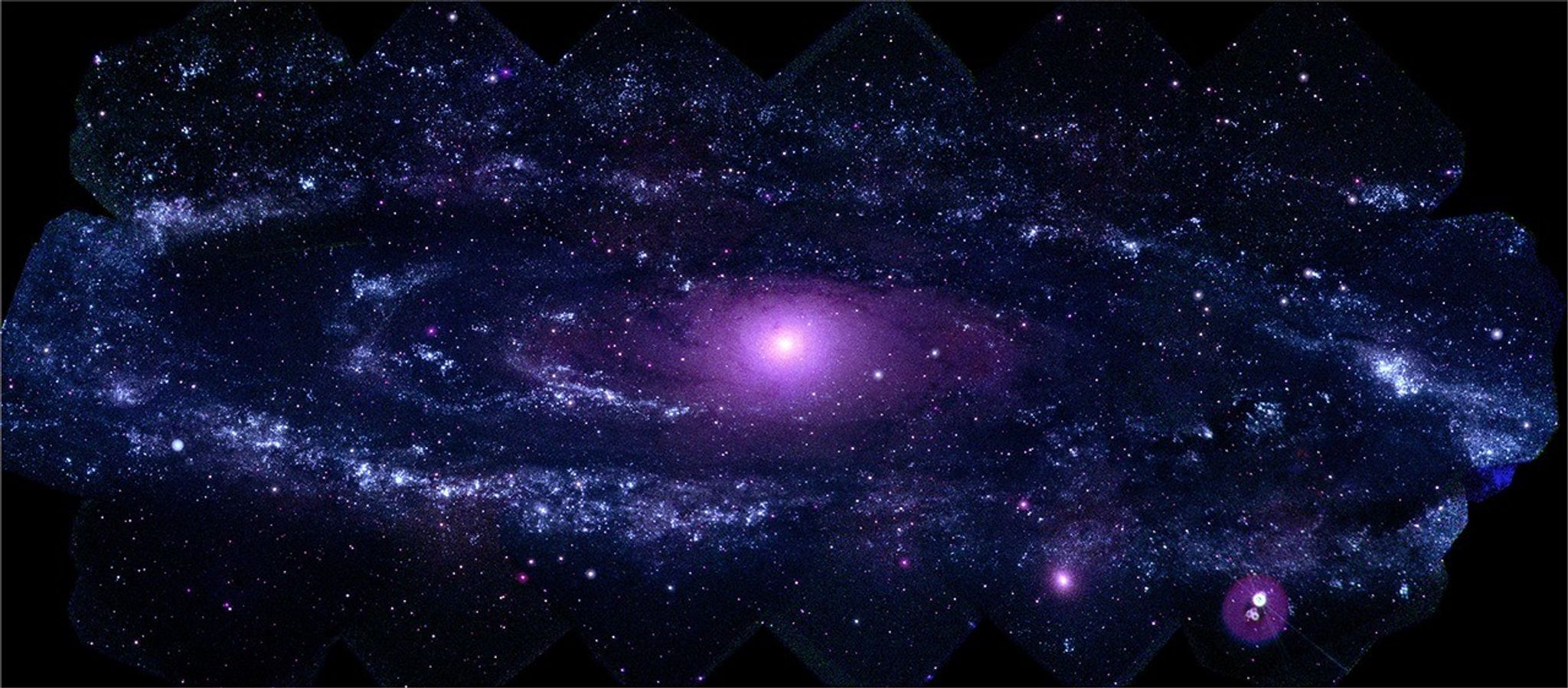
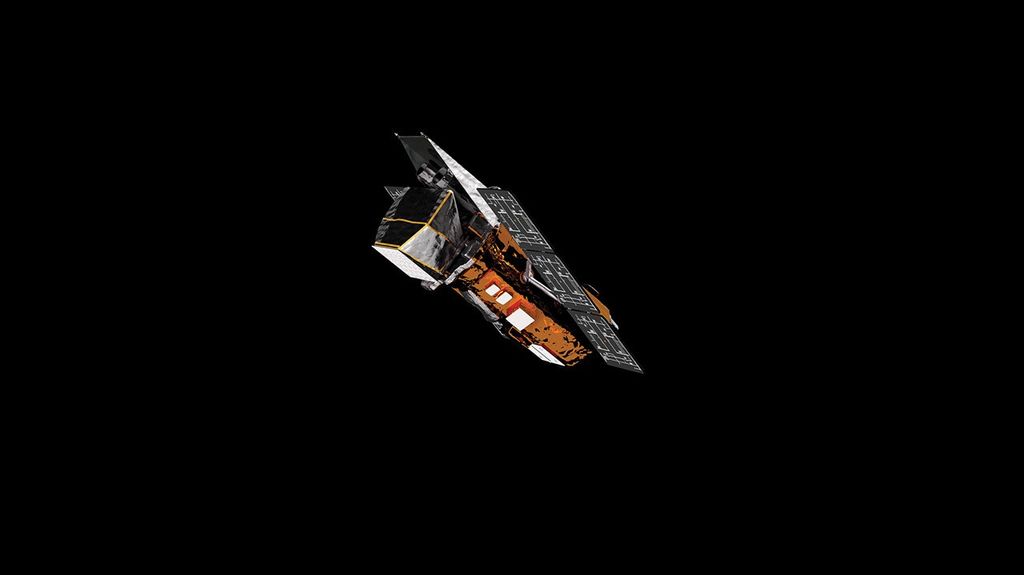
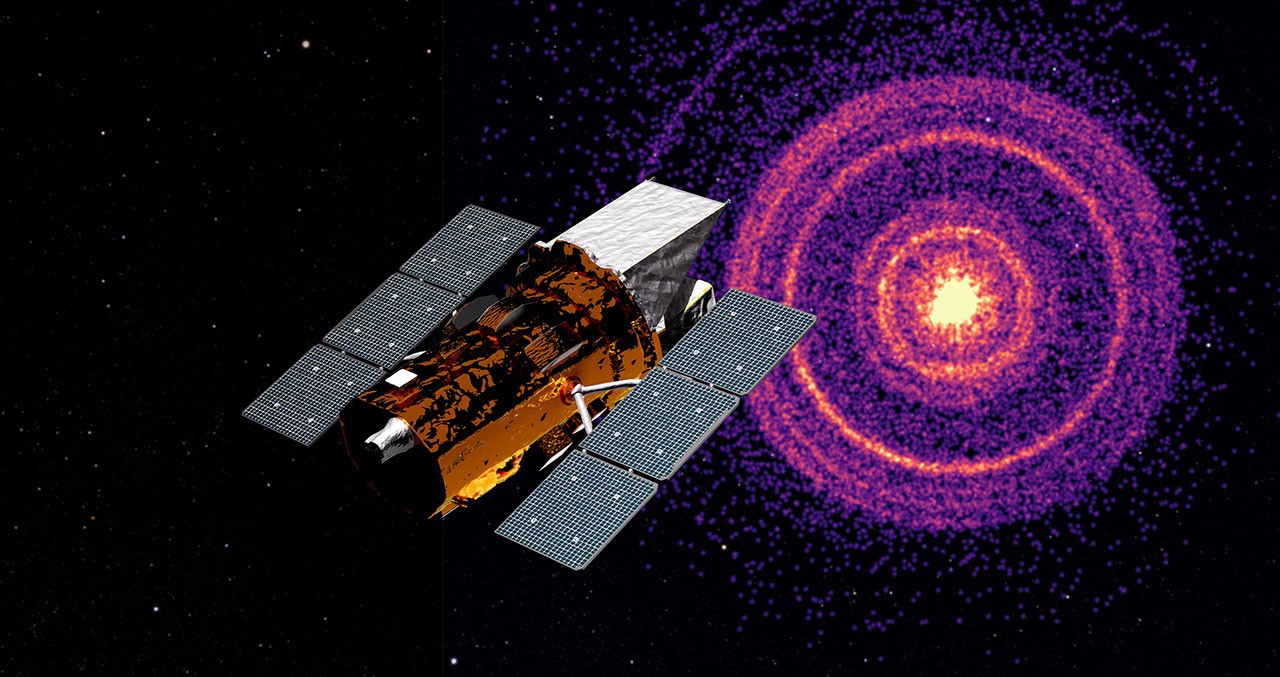
NASA has contracted Katalyst Space of Flagstaff, Arizona, to boost the altitude of its sinking Neil Gehrels Swift Observatory. Swift is NASA’s astrophysics multitool, capable of quickly observing a wide range of cosmic objects in visible, ultraviolet, X-ray, and gamma-ray light.
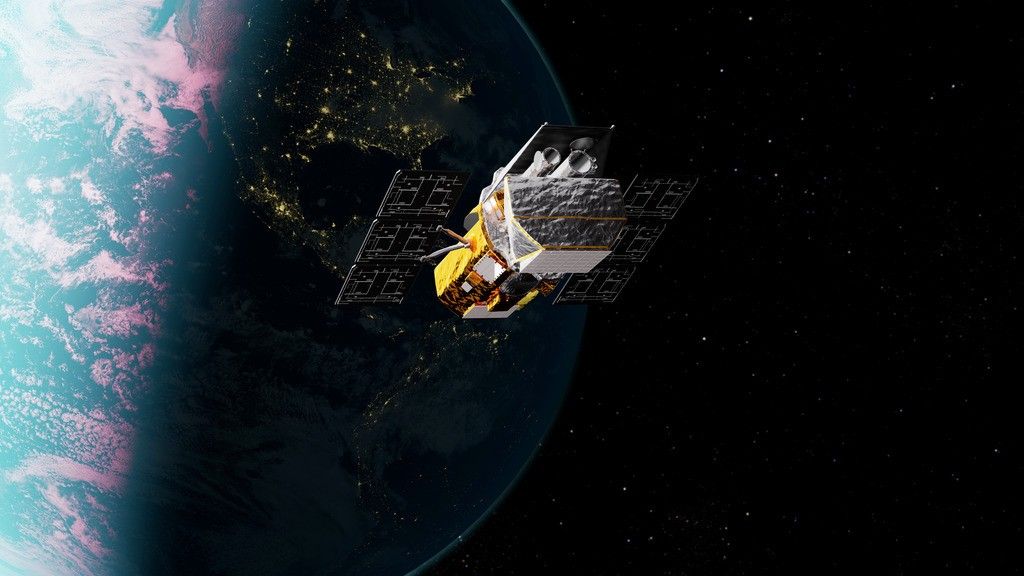
This July, Katalyst’s LINK robotic servicing spacecraft launched into orbit aboard a Northrop Grumman Pegasus XL rocket, to attempt to capture and raise Swift over the course of several months.
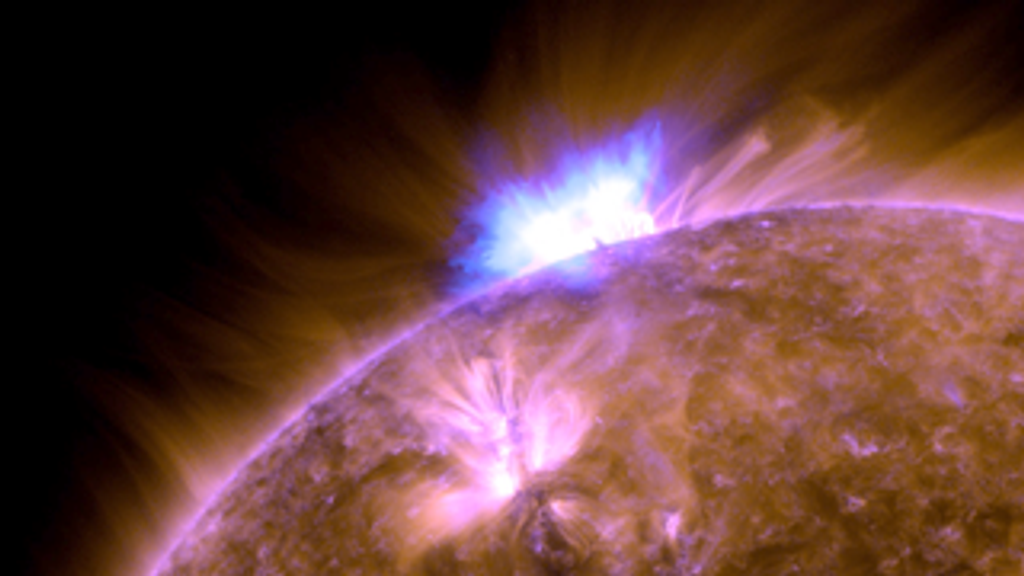
All spacecraft in low Earth orbit experience slight drag from our planet’s atmosphere. If they don’t have propulsion systems to maintain their orbits, the drag gradually reduces their altitudes. A recent bout of solar storms magnified this effect on Swift, which began to sink faster than anticipated.
NASA awarded Katalyst the contract in September 2025, so the company had less than a year to design, build, test, and launch a spacecraft to meet, grab, and lift Swift. In the meantime, teams at NASA’s Goddard Space Flight Center in Greenbelt, Maryland, and Pennsylvania State University’s Eberly College of Science in University Park made innovative operational changes to keep Swift at least 185 miles (300 kilometers) above Earth, where the boost mission has the best chance of success.
While NASA could have allowed Swift to re-enter the atmosphere, the situation presented an opportunity to demonstrate a key capability for the future of space exploration. This daring approach also extends Swift’s scientific lifetime and is more affordable than replacing the observatory’s unique capabilities.
NASA's Swift Mission Gets a Boost
Watch to learn about the race to lift NASA's Neil Gehrels Swift Observatory.
Learn More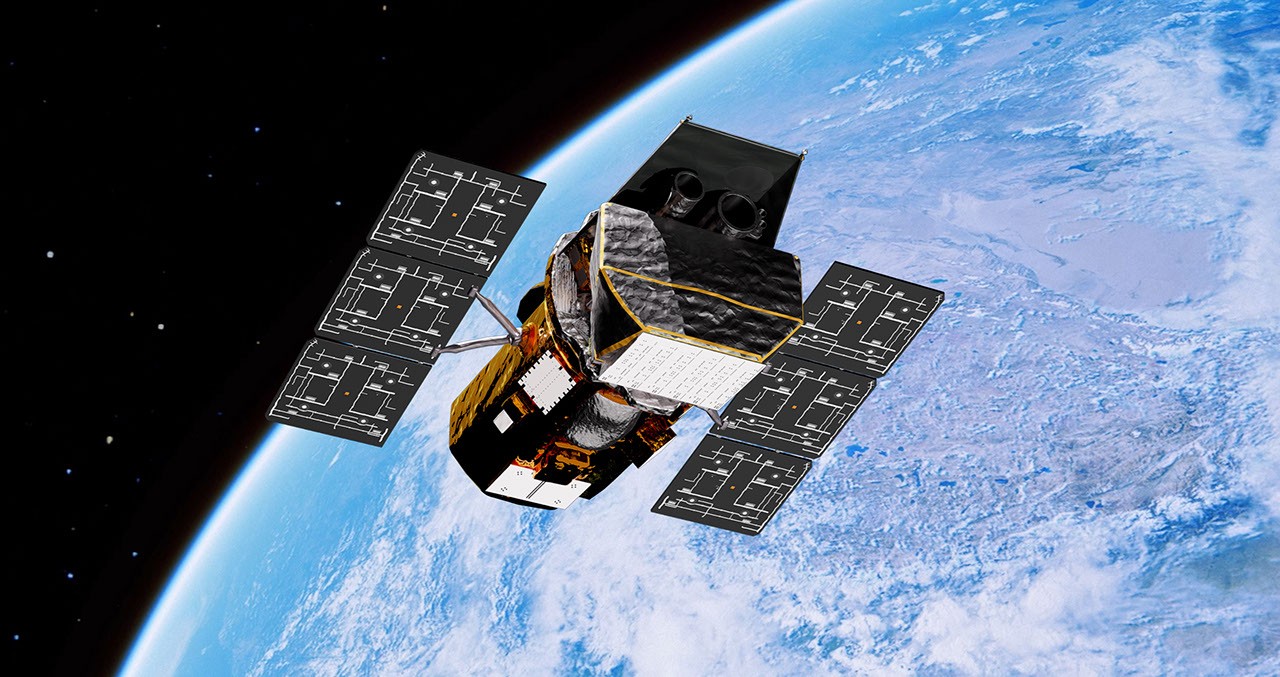

Swift Images and Videos
High-resolution multimedia materials are available through NASA's Scientific Visualization Studio.
Explore about Swift Images and Videos