

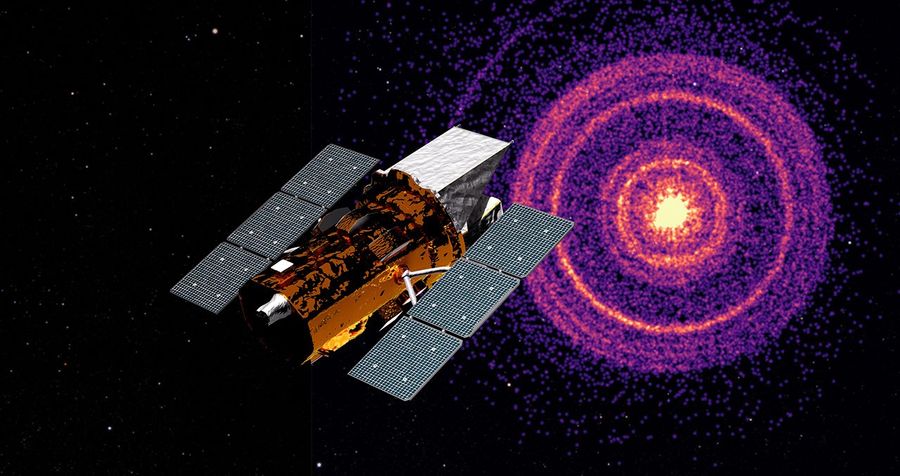
NASA’s Neil Gehrels Swift Observatory has resumed use of its third science instrument and automatically repointing to examine new high-energy flashes in the sky.
NASA’s Swift Powers On Third Instrument, Restarts Automated Slewing




















NASA's Neil Gehrels Swift Observatory is a satellite that studies gamma-ray bursts, the most powerful explosions in the universe, and other cosmic objects and events.
NASA’s Neil Gehrels Swift Observatory has resumed use of its third science instrument and automatically repointing to examine new high-energy flashes in the sky.
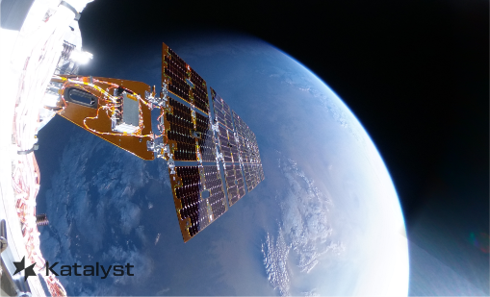
This week, Katalyst Space conducted in-space tests and maneuvers to exercise the capabilities of its robotic servicing spacecraft, LINK.
NASA’s Neil Gehrels Swift Observatory has resumed operating two of its three science instruments, following the scaling back of a commercial mission that would have boosted Swift to a higher orbital altitude. That mission is now focused on demonstrating rendezvous technologies for in-space servicing. The Swift team turned on the mission’s Ultraviolet/Optical and X-ray telescopes […]
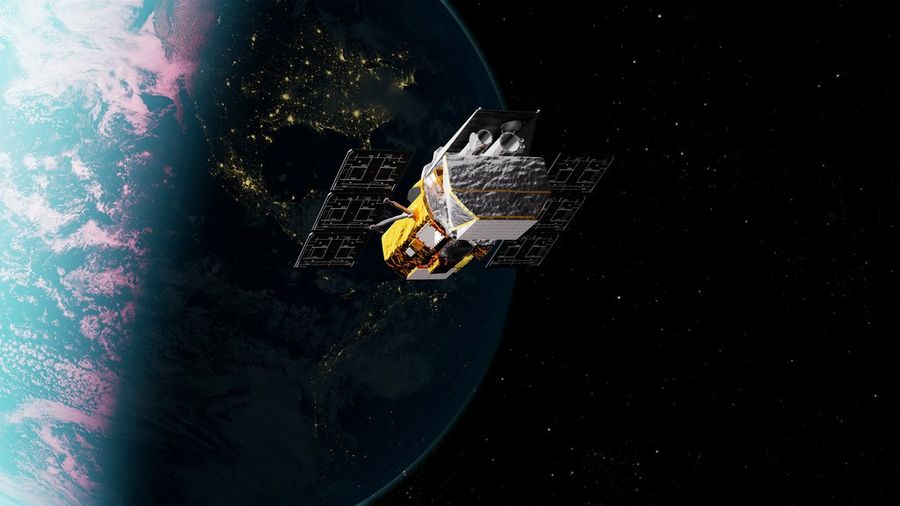
NASA and Katalyst Space announced Wednesday the LINK spacecraft will not capture or boost an agency satellite to a higher altitude.
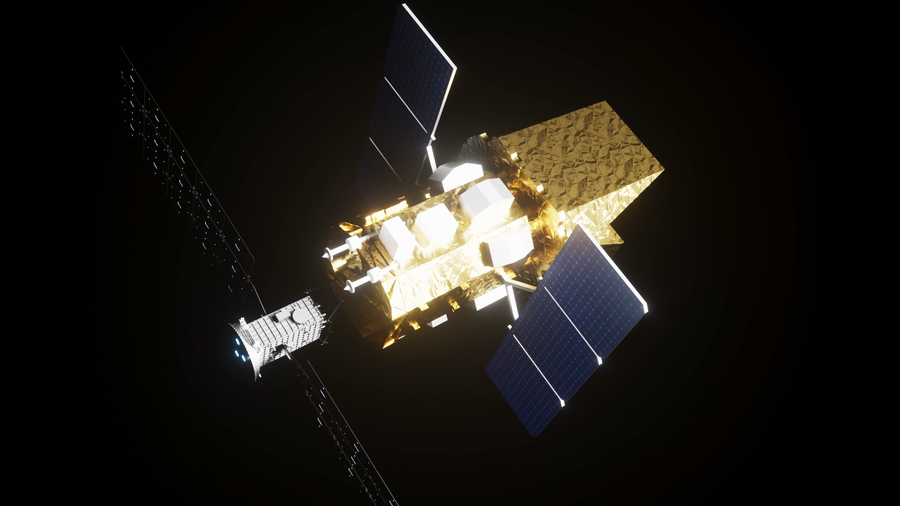
Katalyst Space uploaded a flight software update that reestablished attitude control of its LINK spacecraft, which is set to boost NASA’s Swift observatory.
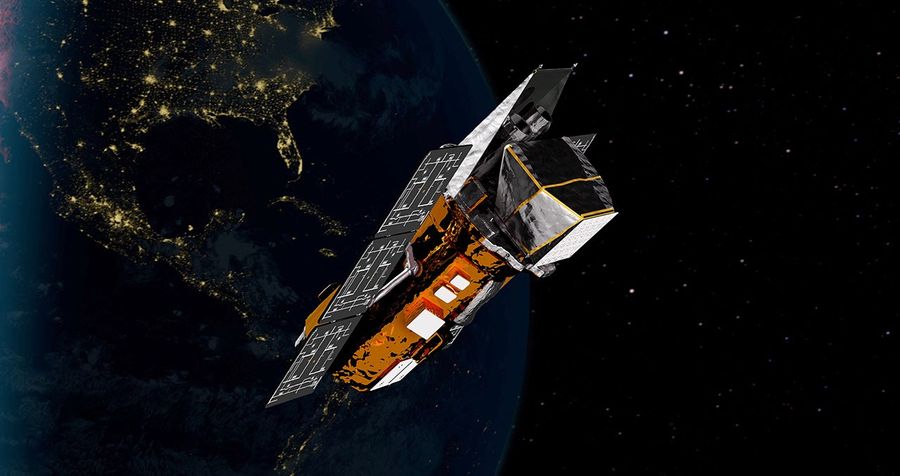
Teams have successfully reduced the spin of Katalyst Space’s LINK, which is designed to boost NASA’s Swift to a higher orbital altitude.
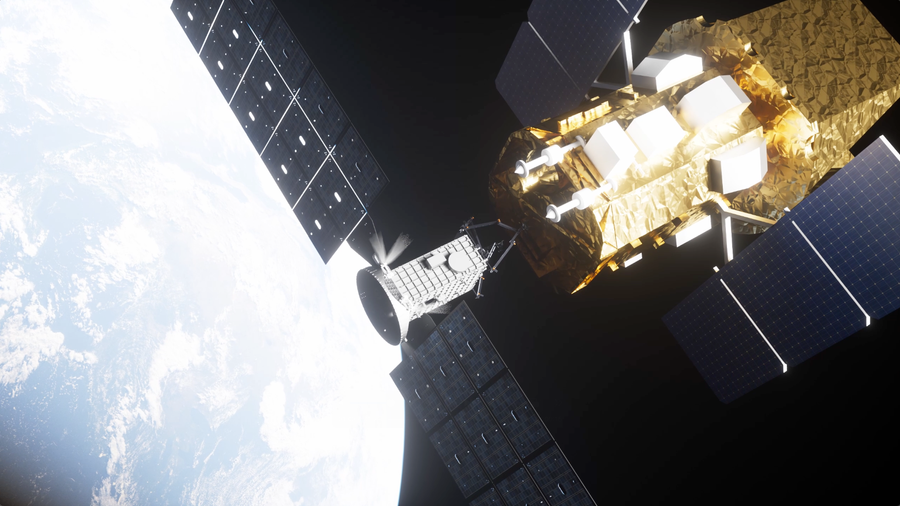
Teams at Katalyst Space are making progress slowing the spin of their LINK spacecraft, which is designed to boost the orbit of NASA’s Swift.
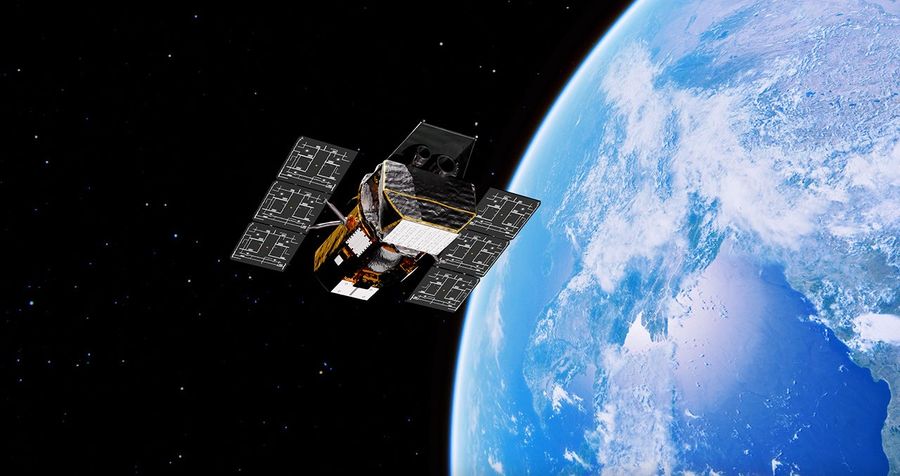
Over the weekend, Katalyst’s LINK servicing spacecraft experienced issues with attitude control.
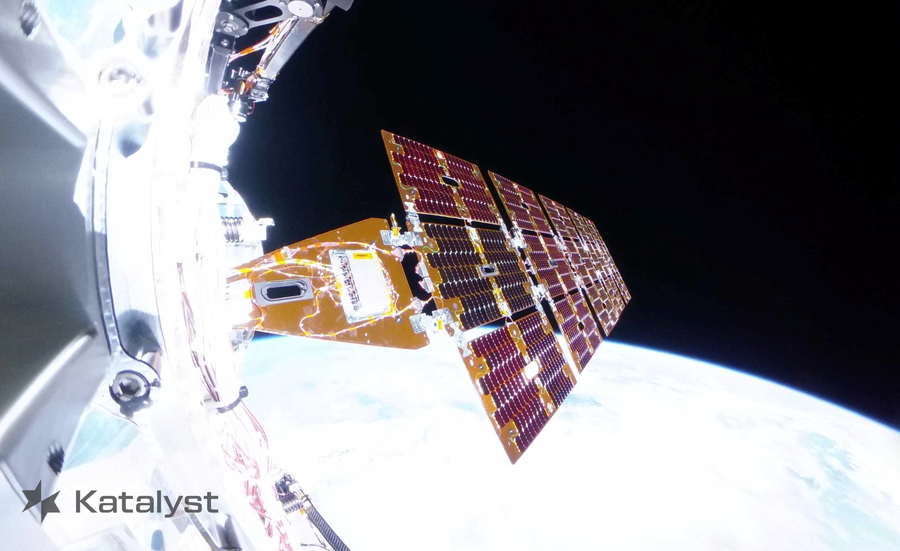
Teams continue to progress through in-orbit preparations for the robotic servicing spacecraft designed to boost NASA’s Neil Gehrels Swift Observatory to a higher altitude.