
















Explore:
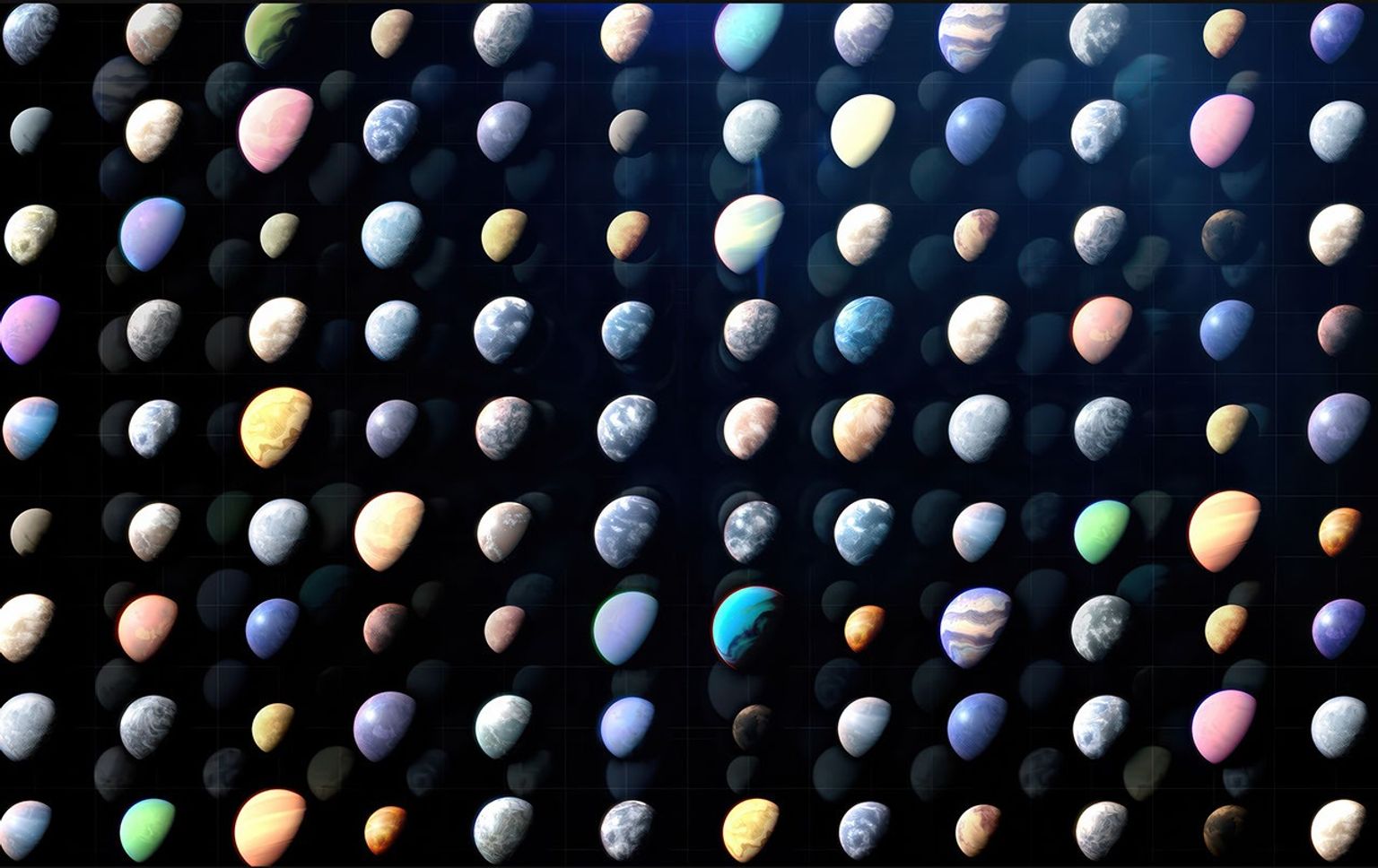
Exoplanets
Worlds beyond our solar system.
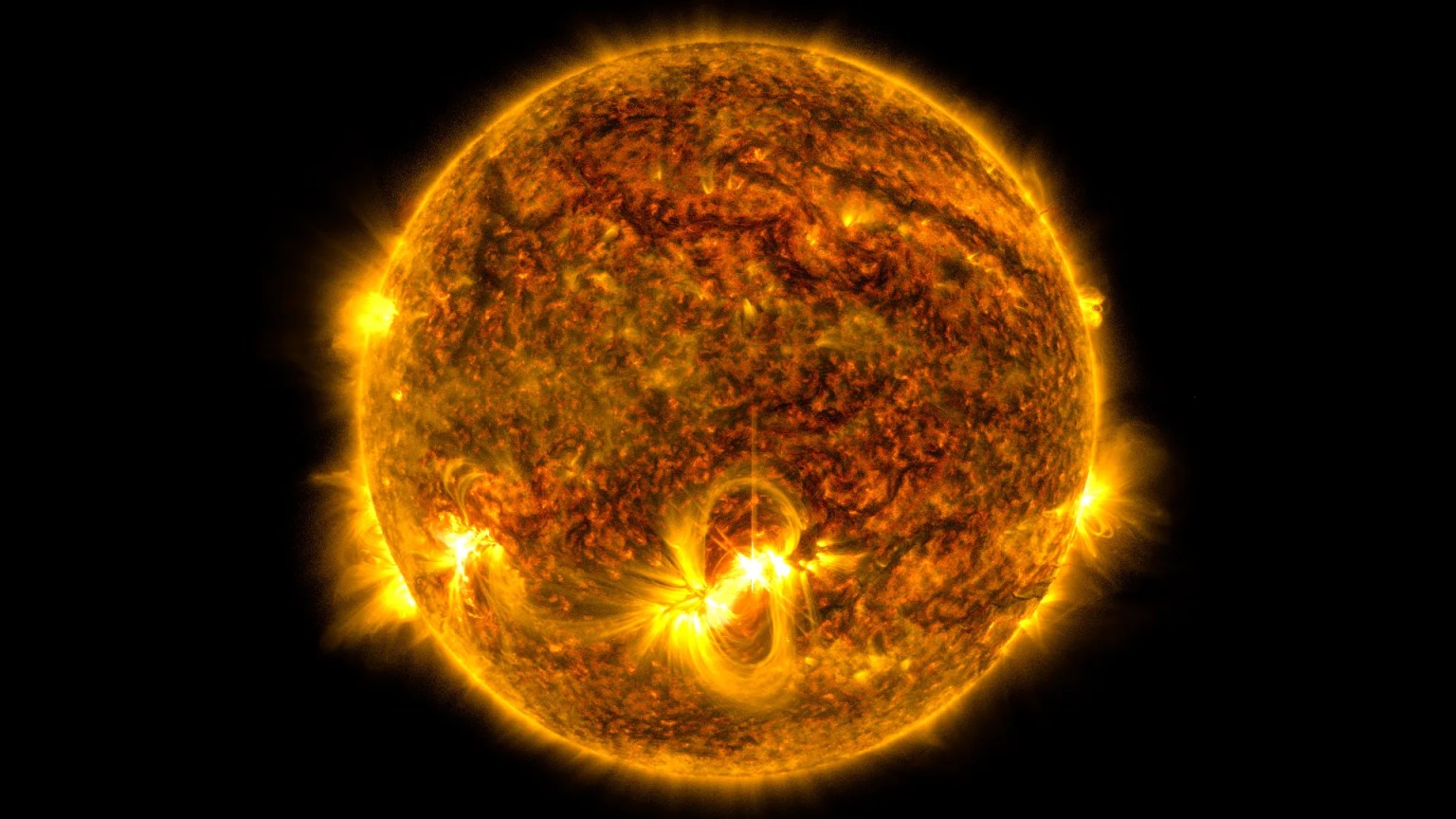
Stars
Giant balls of hot gas that burn for millions to billions of years.
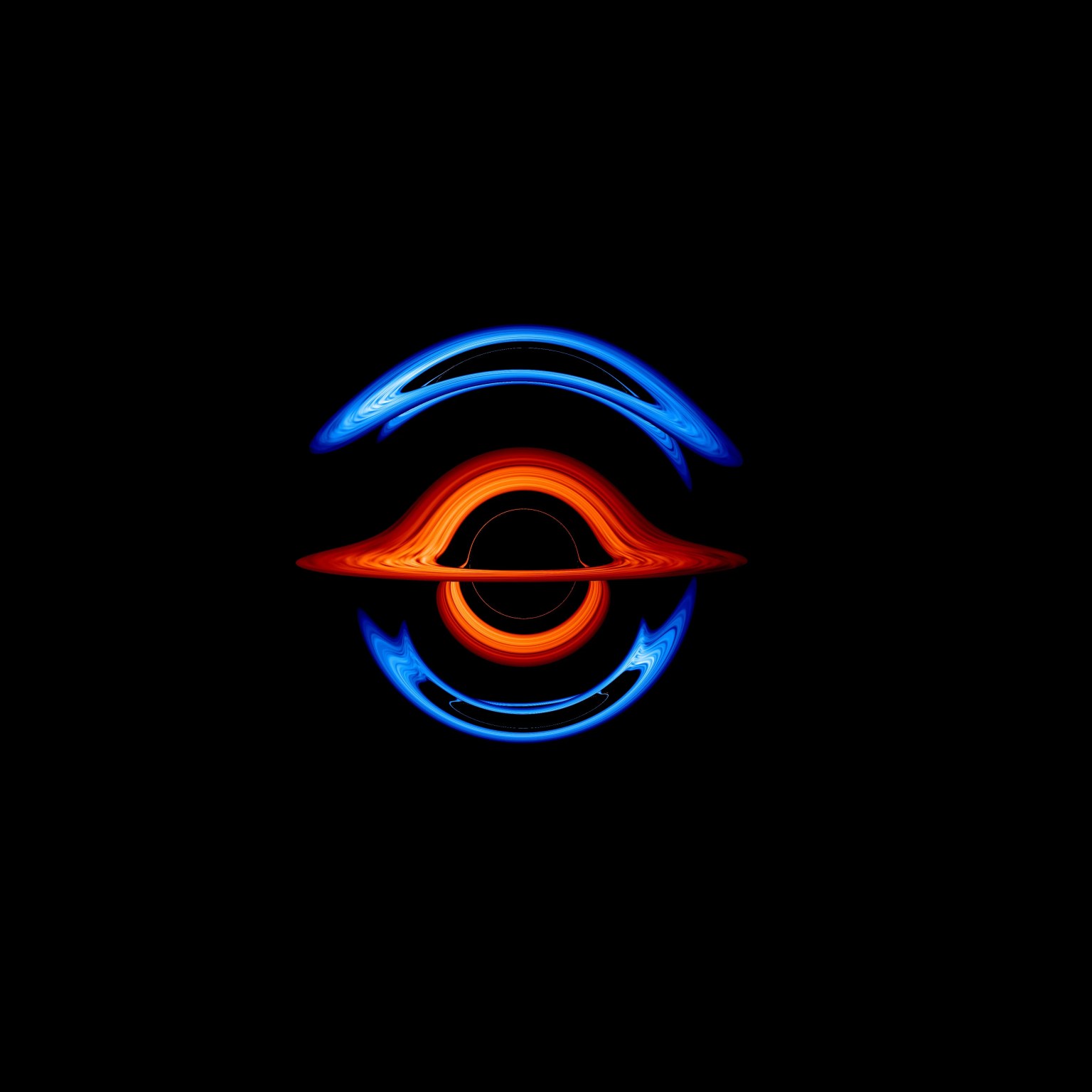
Black Holes
Concentrations of matter with gravity so powerful not even light can escape.
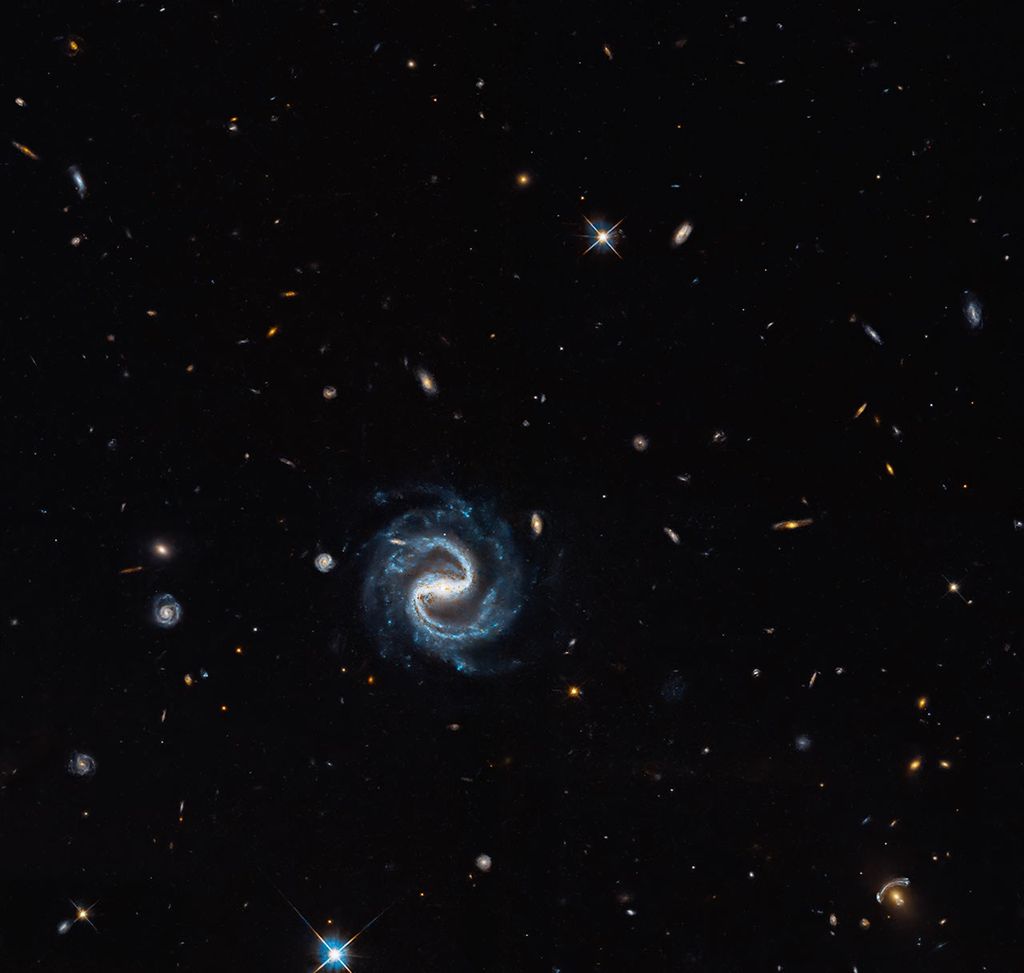
Galaxies
Collections of stars, planets, and vast clouds of gas and dust bound together by gravity.
Why NASA’s Roman Space Telescope Will Make Unexpected Discoveries
Take a deep dive into the science of NASA’s Nancy Grace Roman Space Telescope with Julie McEnery, Roman's senior project scientist. In this video episode of NASA's Curious Universe podcast, learn why Roman’s survey data will be so detailed it could cover a 4K screen the size of dozens of city blocks and why McEnery says she doesn’t hope Roman changes our understanding of the universe — she knows it will.
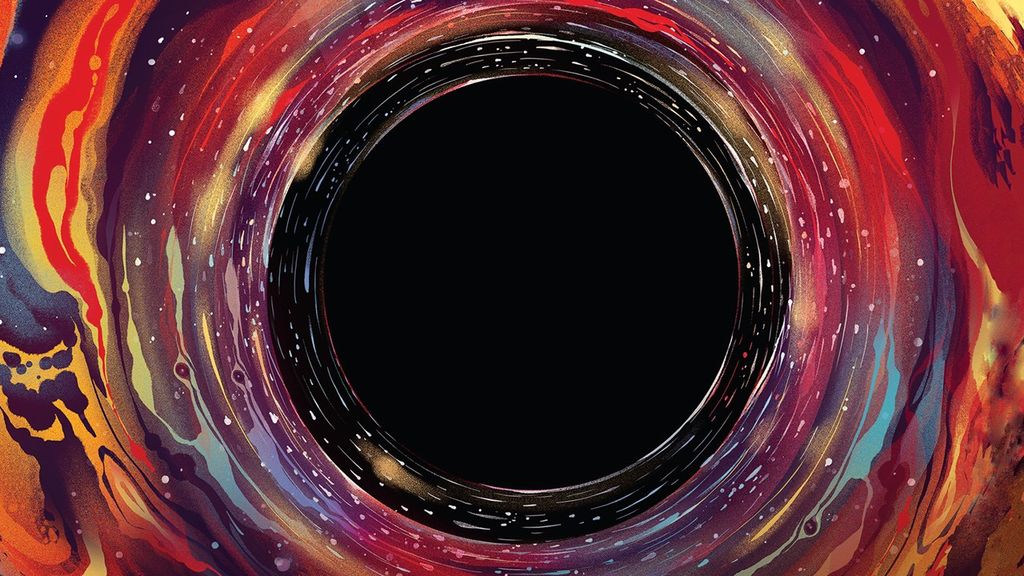
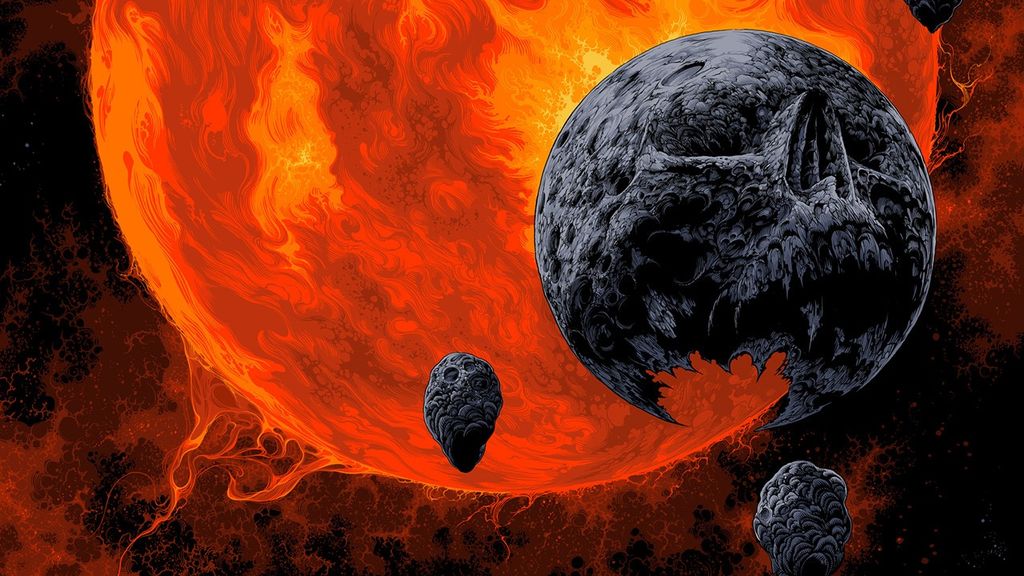
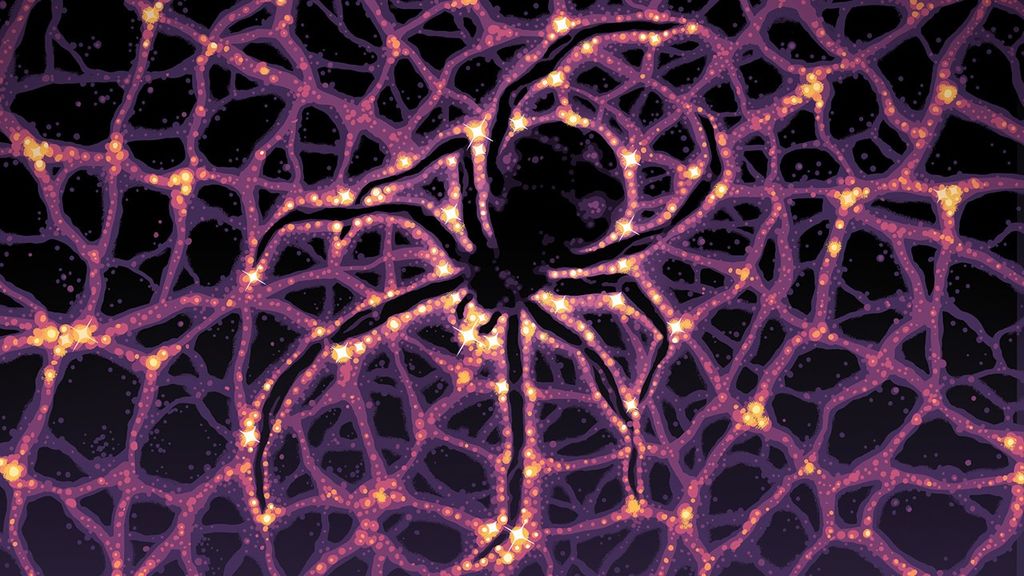
Galaxy of Horrors
Take a tour of some of the most terrifying and mind-blowing destinations in our galaxy … and beyond. After a visit to these nightmare worlds, you may never want to leave Earth again! You can also download our free posters — based on real NASA science — if you dare.
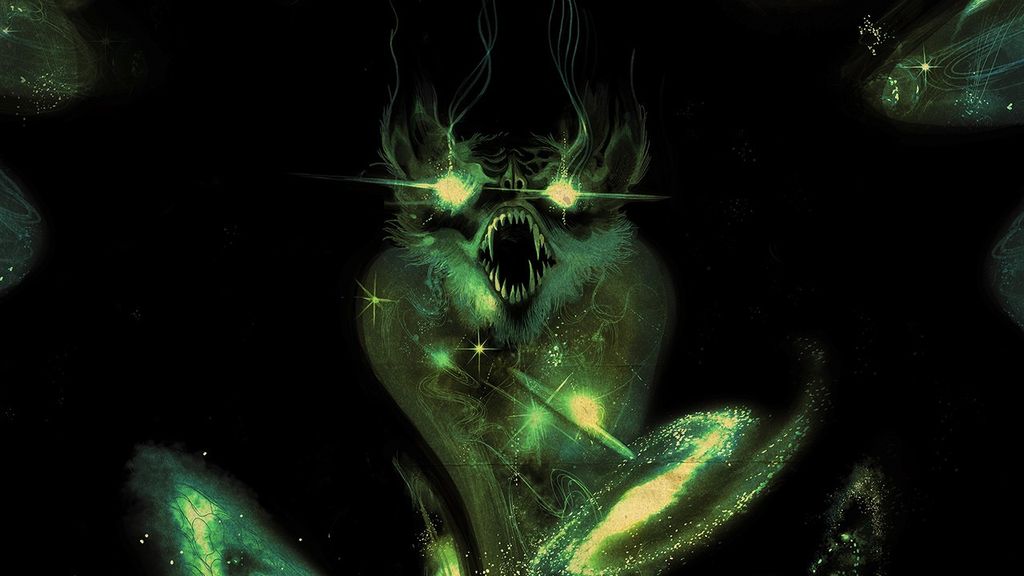
Galactic Graveyard
This chillingly haunted galaxy mysteriously stopped making stars only a few billion years after the big bang!
NASA’s Chandra Unveils Mysterious X-Ray Objects
Using NASA’s Chandra X-ray Observatory, scientists have discovered a new class of objects behaving unlike any they have seen before.…
Read the Story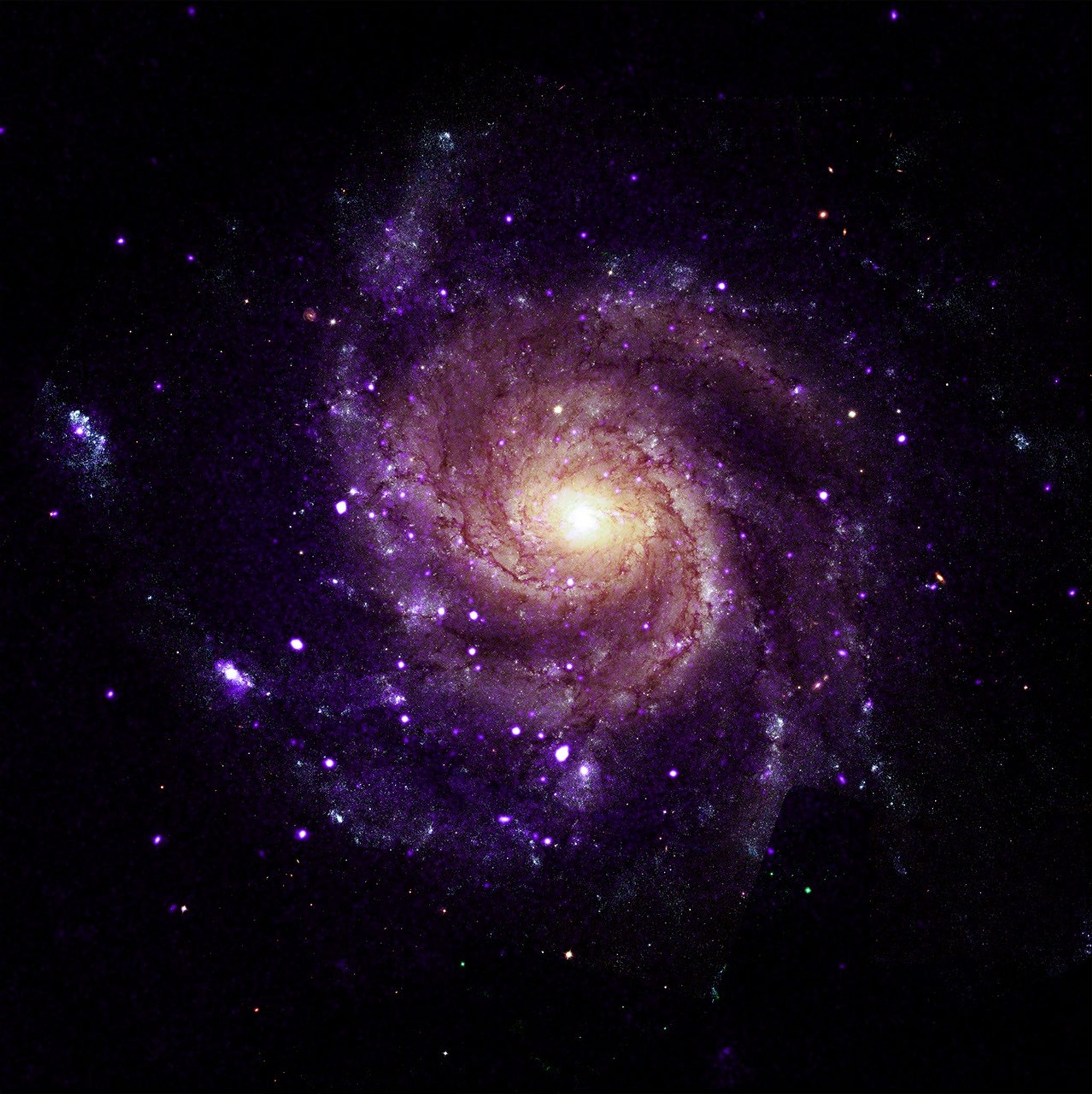
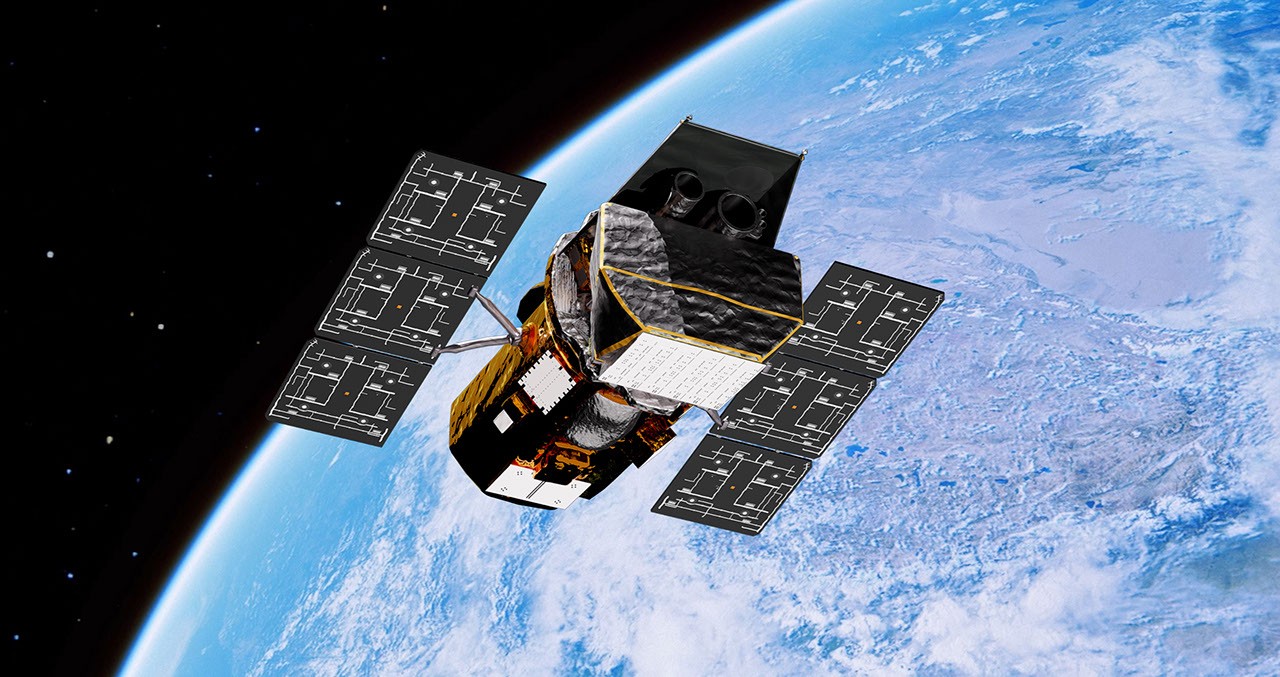
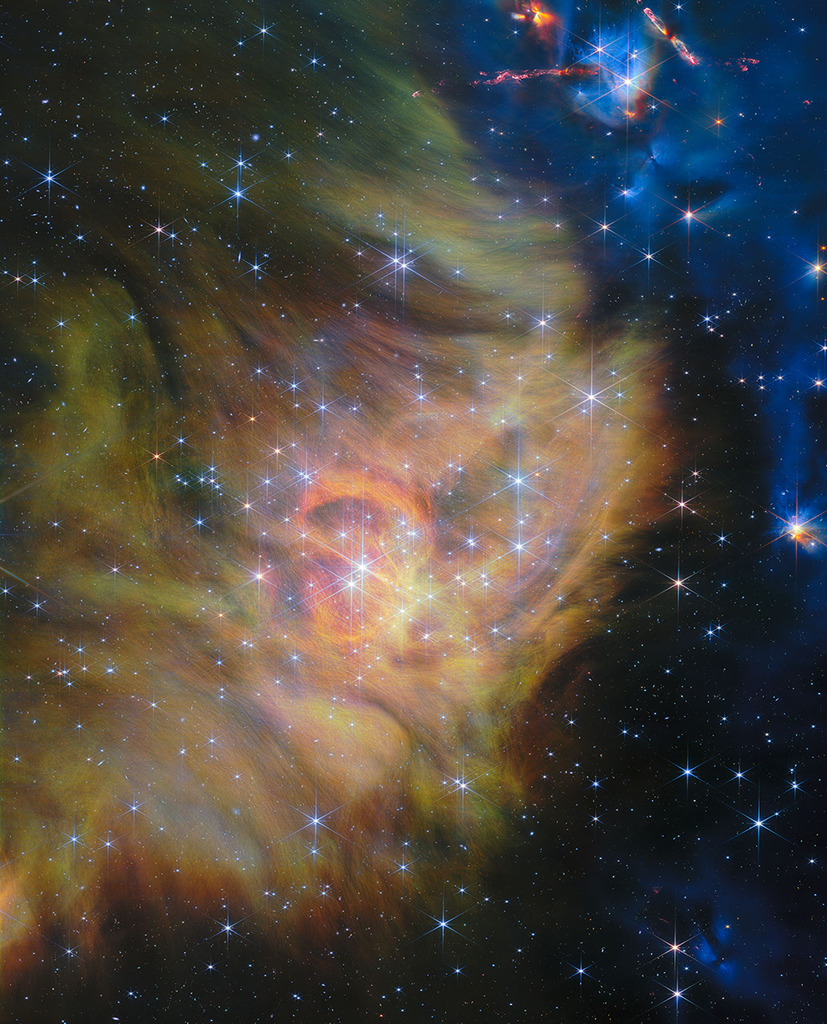
NASA’s Hubble Seeks Lensed Supernova, Marks 200,000 Orbits
NASA’s Hubble Space Telescope completed its 200,000th orbit around Earth on Sept. 19, marking another new milestone for an observatory that continues to transform our understanding of the universe.
Learn More about NASA’s Hubble Seeks Lensed Supernova, Marks 200,000 Orbits
Help Refine Data from Space Telescopes with Artifact InSPECtor
How do scientists studying space with data from a telescope hundreds of thousands of miles away know that what they are seeing is real? A new NASA project, Artifact InSPECtor, invites you to find out — and by doing so help missions like Euclid and NASA’s new Nancy Grace Roman Space Telescope answer fundamental questions about our universe.