






















The first Atlantic hurricane of 2024 produced dangerous winds and life-threatening storm surge as it barreled into the Caribbean’s Grenadine Islands. On the morning of July 1, Hurricane Beryl made landfall on Carriacou Island as a Category 4 storm with maximum sustained winds of 150 miles (240 kilometers) per hour.
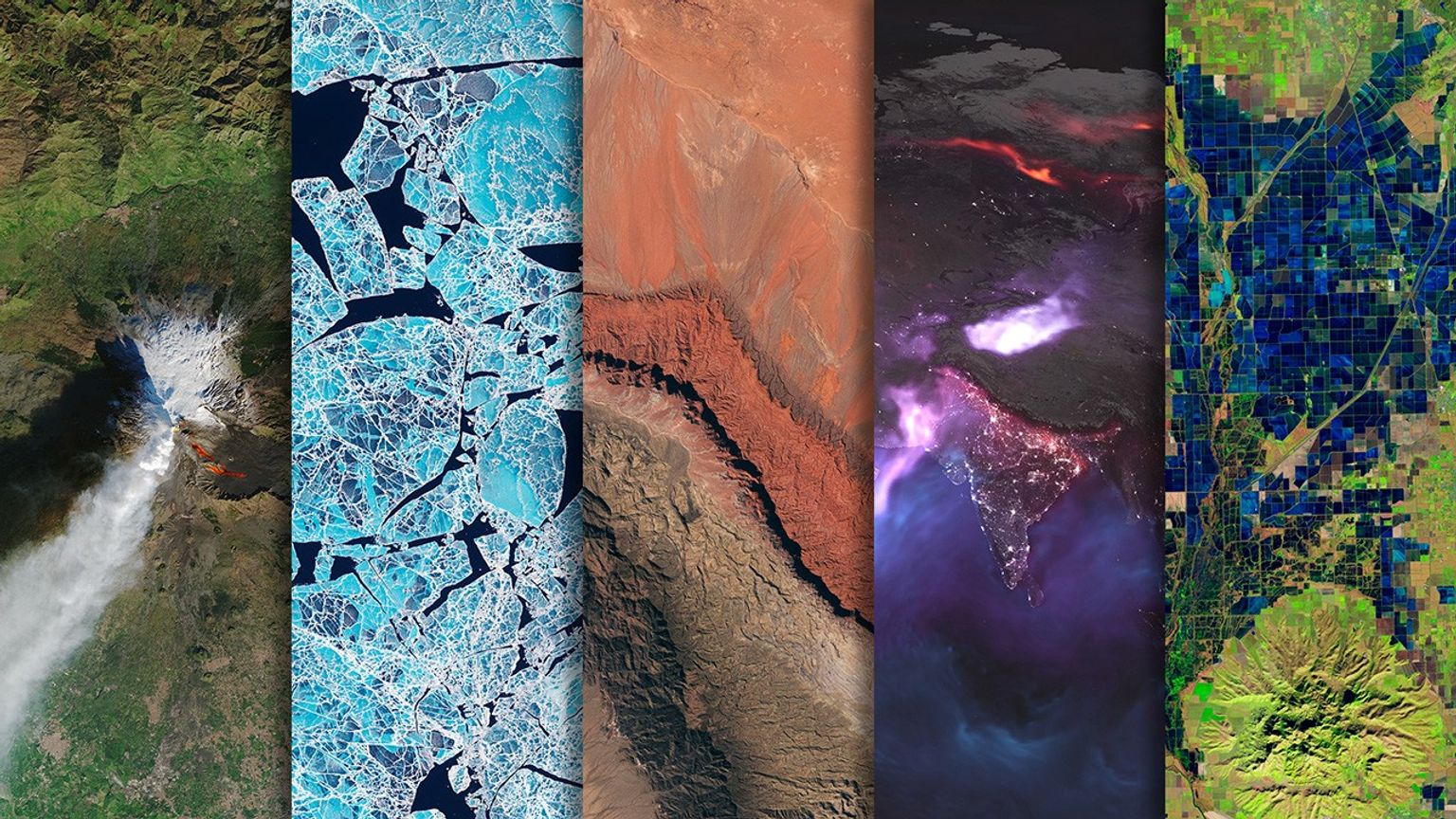
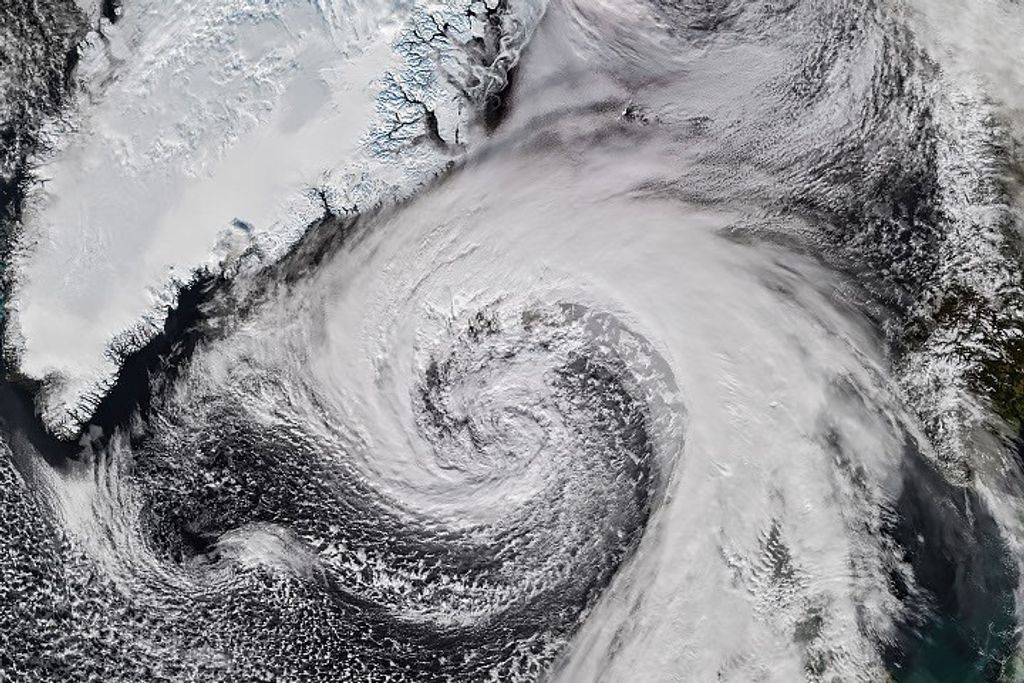
This image, captured by the VIIRS (Visible Infrared Imaging Radiometer Suite) on NOAA-21, shows Hurricane Beryl at 12:50 p.m. Atlantic Standard Time on June 30, when the eye of the storm was about 300 miles (490 kilometers) southeast of Barbados. An hour before the image was captured, the National Hurricane Center upgraded Beryl to a Category 4 hurricane with sustained winds of 130 miles per hour.
Beryl formed as a tropical depression in the central tropical Atlantic on June 28 and then became a tropical storm on June 29. The storm rapidly intensified from a tropical storm to a powerful Category 4 in less than 24 hours. “Rapid intensification” occurs when wind speeds increase by at least 35 miles (56 kilometers) per hour, over 24 hours.
The National Hurricane Center noted that atmospheric conditions in late June are typically unfavorable for storm intensification in this part of the Atlantic. They also pointed out that very few storms have formed this far east so early in the season.
References & Resources
- National Weather Service, National Hurricane Center (2024, June 28) Tropical Depression Two Discussion Number 1. Accessed July 1, 2024.
- National Weather Service, National Hurricane Center, via X (2024, July 1) The eye of Beryl has made landfall on Carriacou Island at 1110 AM AST. Accessed July 1, 2024.
- National Weather Service, National Hurricane Center (2024, June 30) Hurricane Beryl Tropical Cyclone Update. Accessed July 1, 2024.
- National Weather Service, National Hurricane Center (2024, June 28) Hurricane BERYL Advisory Archive. Accessed July 1, 2024.
- Yale Climate Connections (2024, June 30) Category 4 Beryl on collision course with Windward Islands. Accessed July 1, 2024.
NASA Earth Observatory image by Michala Garrison, using VIIRS data from NASA EOSDIS LANCE , GIBS/Worldview , and the Joint Polar Satellite System (JPSS). Story by Emily Cassidy .