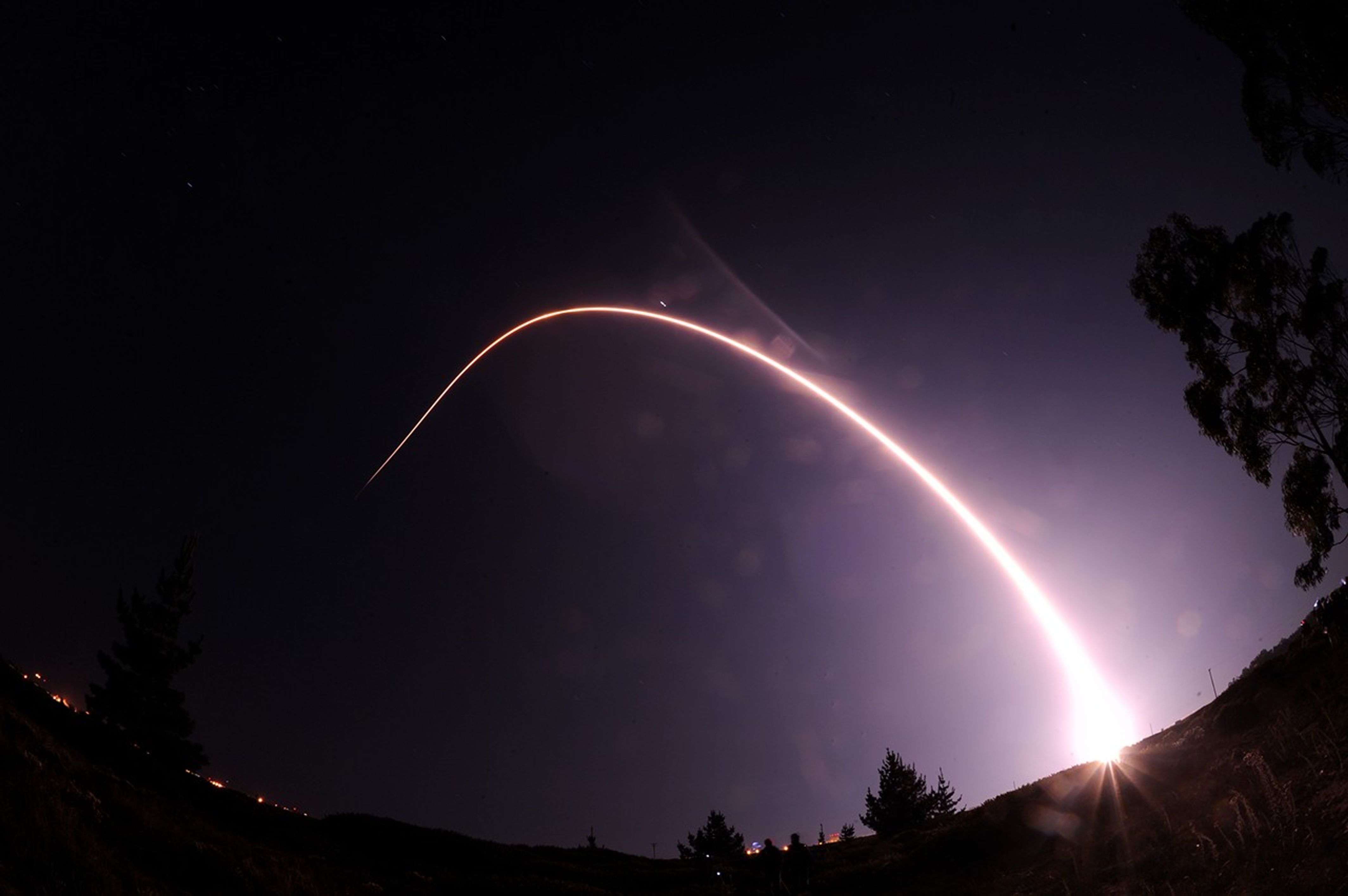
























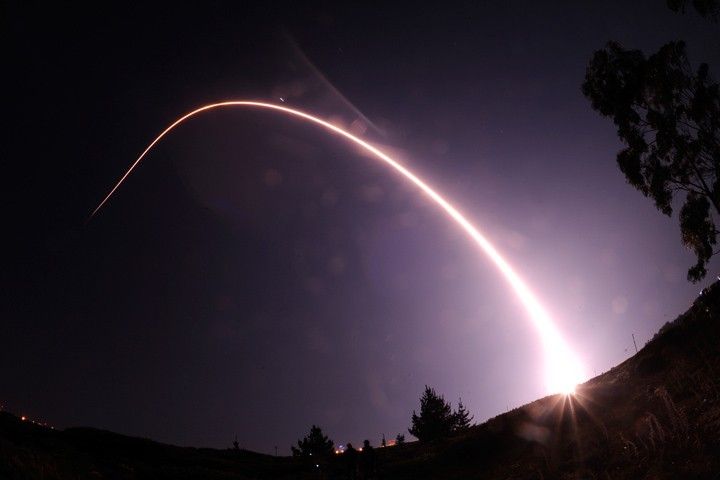
NASA’s newest Earth-observing satellite soared into space aboard a Delta II rocket after liftoff on October 28, 2011. The National Polar-orbiting Operational Environmental Satellite System Preparatory Project, or NPP, blasted off at 2:48 a.m. Pacific Daylight Time from Space Launch Complex 2 at Vandenberg Air Force Base in California.
The satellite successfully separated from the rocket 58 minutes after launch, and the first signal was acquired by the Tracking and Data Relay Satellite System shortly after. NPP's solar array deployed 67 minutes after launch to provide the satellite with electrical power. NPP was headed for a sun-synchronous polar orbit 824 kilometers (512 miles) above Earth.
NPP carries five science instruments to help meteorologists improve short-term weather forecasts and to help climatologists observe long-term patterns. The mission will extend more than 30 key long-term data sets that NASA has been tracking, including measurements of the ozone layer, land cover, ice cover, clouds, the ocean surface, and vegetation.
NPP serves as a bridge mission between NASA’s Earth Observing System (EOS) of satellites and the next-generation Joint Polar Satellite System, a National Oceanic and Atmospheric Administration (NOAA) program that will also collect weather and climate data. The satellite will be operated from the NOAA Satellite Operations Facility in Maryland. NASA will operate NPP for the first three months after launch while the satellite and instrument are checked out. NPP operations will then be turned over to NOAA and the JPSS program for the remainder of the mission.
Video of the launch is available here and here. Other spectacular photos of the launch are available here.
References & Resources
- NASA (2011) National Polar-orbiting Operational Environmental Satellite System Preparatory Project. Accessed October 28, 2011.
- NASA (2011, September 6) NPP Prevents Gap in Critical Climate Data. Accessed October 28, 2011.
- NASA (2011, April 21) NASA Prepares Satellite for a New Era of Earth Observation. Accessed October 28, 2011.
- Vandenberg Air Force Base (2011, October 28) TeamVandenberg launches Delta II rocket. Accessed October 28, 2011.
U.S. Air Force photo by Staff Sgt. Andrew Satran. Caption adapted from a NASA press release.