




























Earth Stories
Filters

A modern satellite makes it possible to pursue the ancient tradition of leaf-peeping in a whole new way.
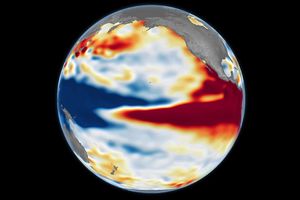
A 35-year satellite altimetry record lets scientists hold this year's El Niño up against its strongest predecessors.
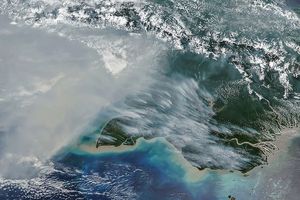
Emissions on both sides of the island are unusually high as human-set fires spread in a landscape parched by drought.
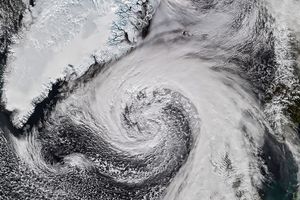
The powerful low-pressure system formed over the North Atlantic out of the remnants of Hurricane Isaias.
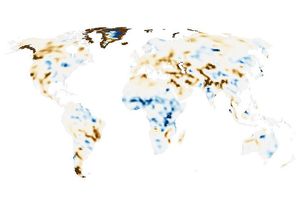
Human activities have become intertwined with how water is distributed across the continents. A new study brings their effects into sharper focus.
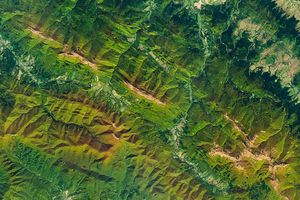
Fall color covers the forested slopes of Bieszczady National Park, while patches of polonina, a type of high-mountain meadow, have turned tan.
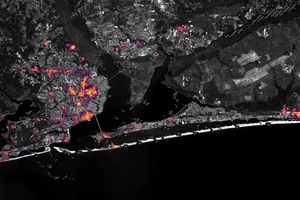
High-definition images of nighttime lights show where the hurricane knocked out power along the Florida Panhandle and how quickly the lights came back.

A phenomenon rarer than a solar eclipse and more powerful than any single storm system is unfolding this fall, and NASA is tracking it closely. El Niño is a natural climate pattern that emerges roughly every two to seven years…
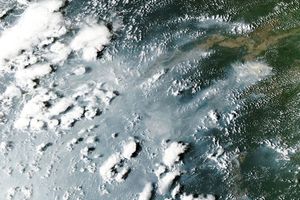
During El Niño, a cascade of fires across the tropics begins in equatorial Asia and continues in the central and eastern Amazon.
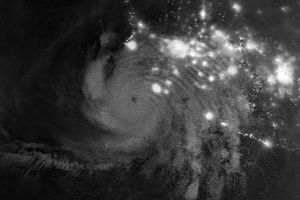
Though it remained offshore, the storm lashed coastal areas with high winds and flooding—and produced remarkable rippling patterns in the upper atmosphere.