
























Jupiter Moons
Jupiter has more than 100 moons.
Jupiter has 115 moons that have been officially recognized by the International Astronomical Union. But the number doesn't capture the complexity of the Jovian system of moons, rings and asteroids. The giant planet has thousands of small objects in its orbit.
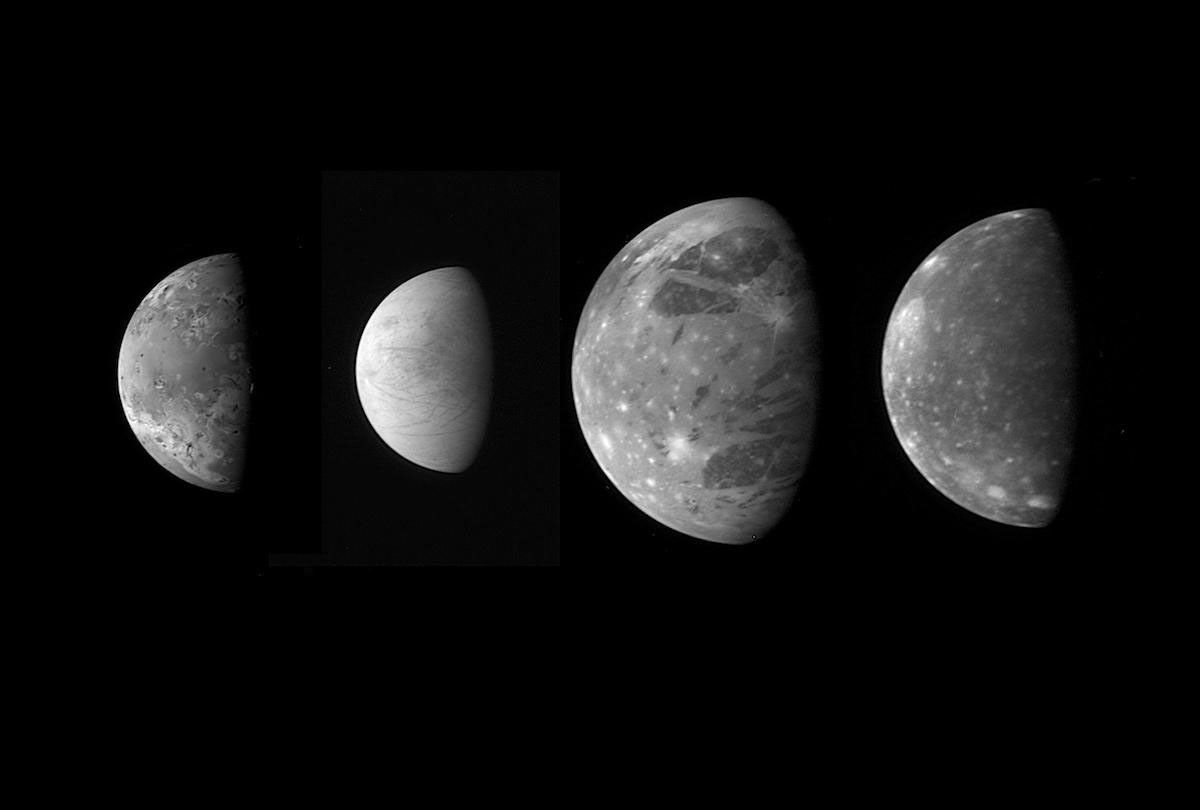
The four largest moons – Io, Europa, Ganymede, and Callisto – were first observed by the astronomer Galileo Galilei in 1610 using an early version of the telescope. These four moons are known today as the Galilean satellites, and they're some of the most fascinating destinations in our solar system.
With those four large moons and many smaller moons, Jupiter forms a kind of miniature solar system.
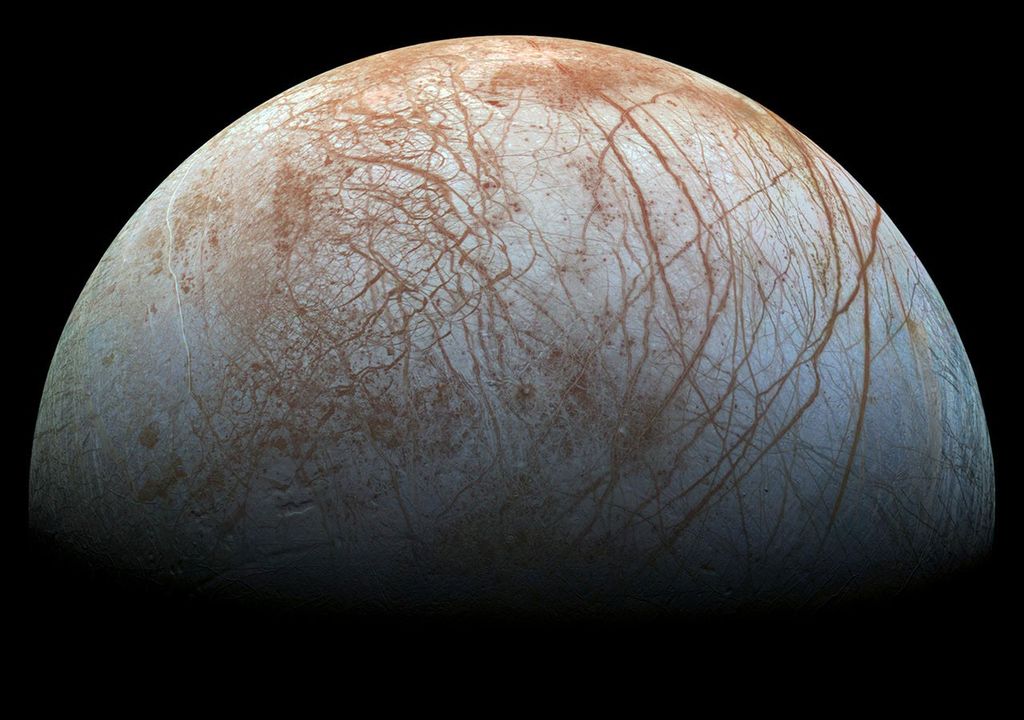
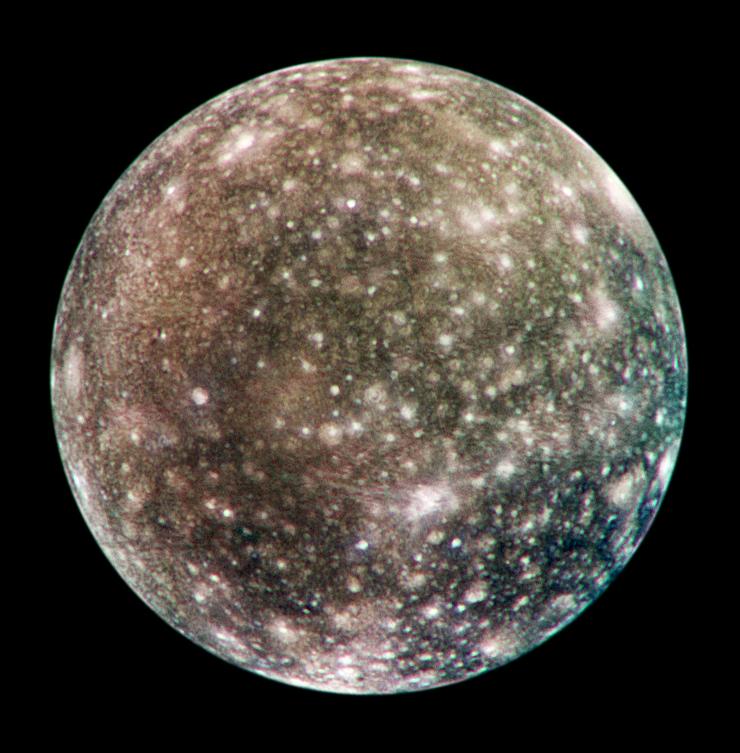
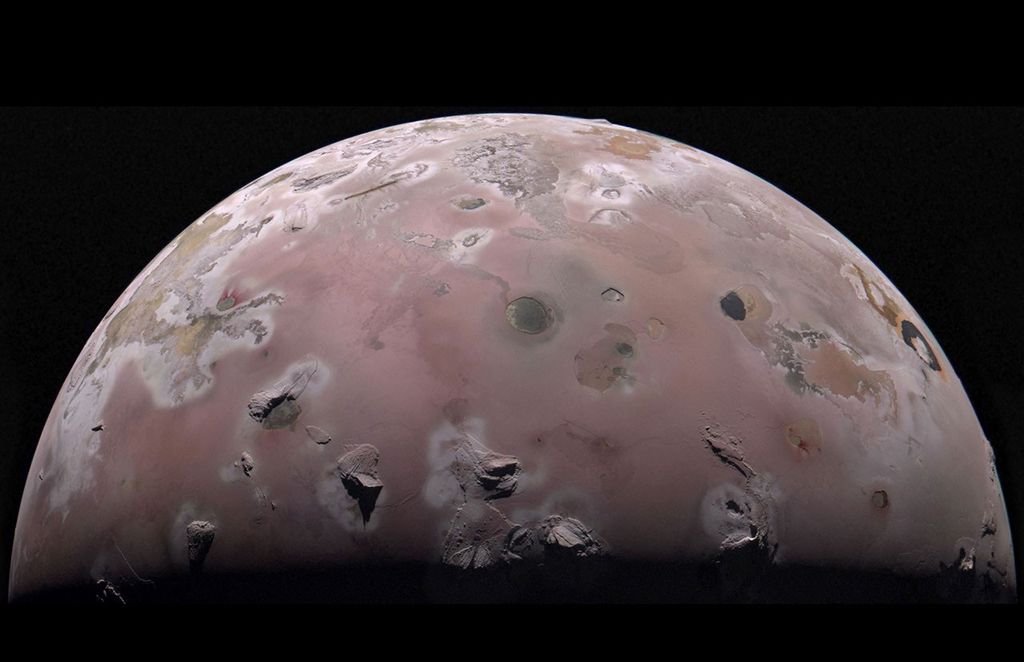
Io is the most volcanically active body in the solar system. Ganymede is the largest moon in the solar system (even bigger than the planet Mercury). Callisto’s very few small craters indicate a small degree of current surface activity. A liquid-water ocean with the ingredients for life may lie beneath the frozen crust of Europa, the target of NASA's Europa Clipper mission that launched Oct. 14, 2024.
Featured Moons
Jupiter's four largest moons were the first moons discovered beyond Earth. They are called the Galilean satellites after Italian astronomer Galileo Galilei, who is credited with their discovery in 1610.
Ganymede
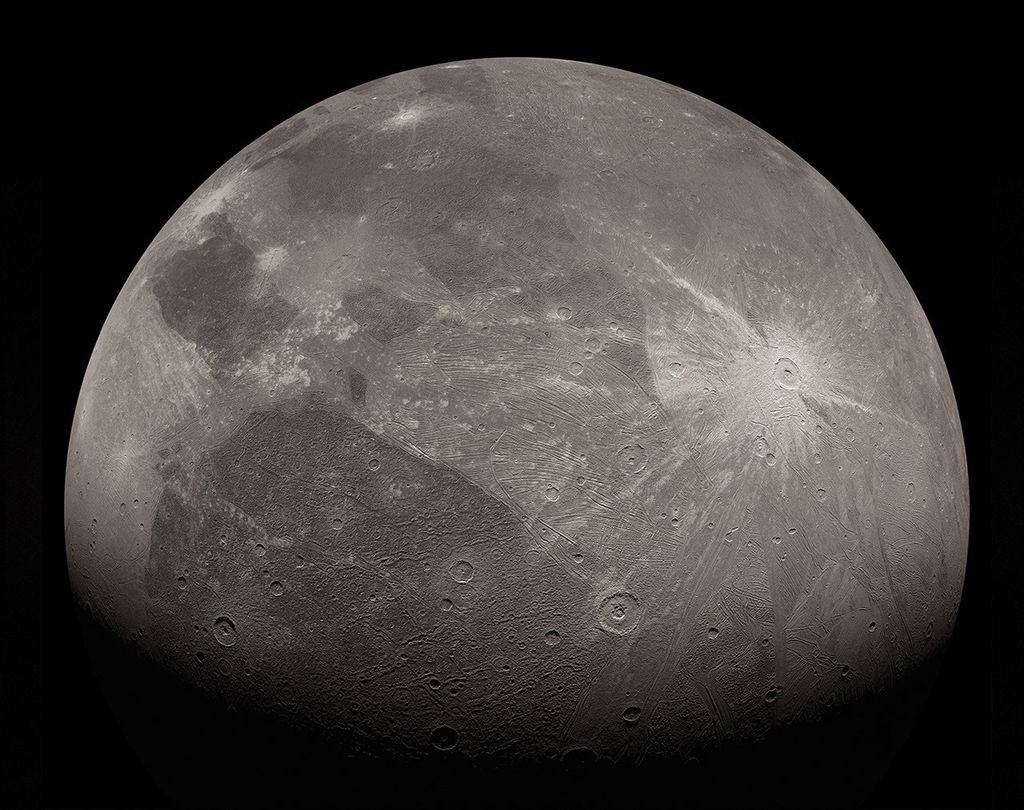
Ganymede is Jupiter's largest moon, and the largest moon in our solar system. It's even bigger than Mercury, and Pluto.
Callisto
Callisto is Jupiter’s second largest moon and the third largest moon in our solar system.
Io
Io is Jupiter's third largest moon, and the most volcanically active world in our solar system.