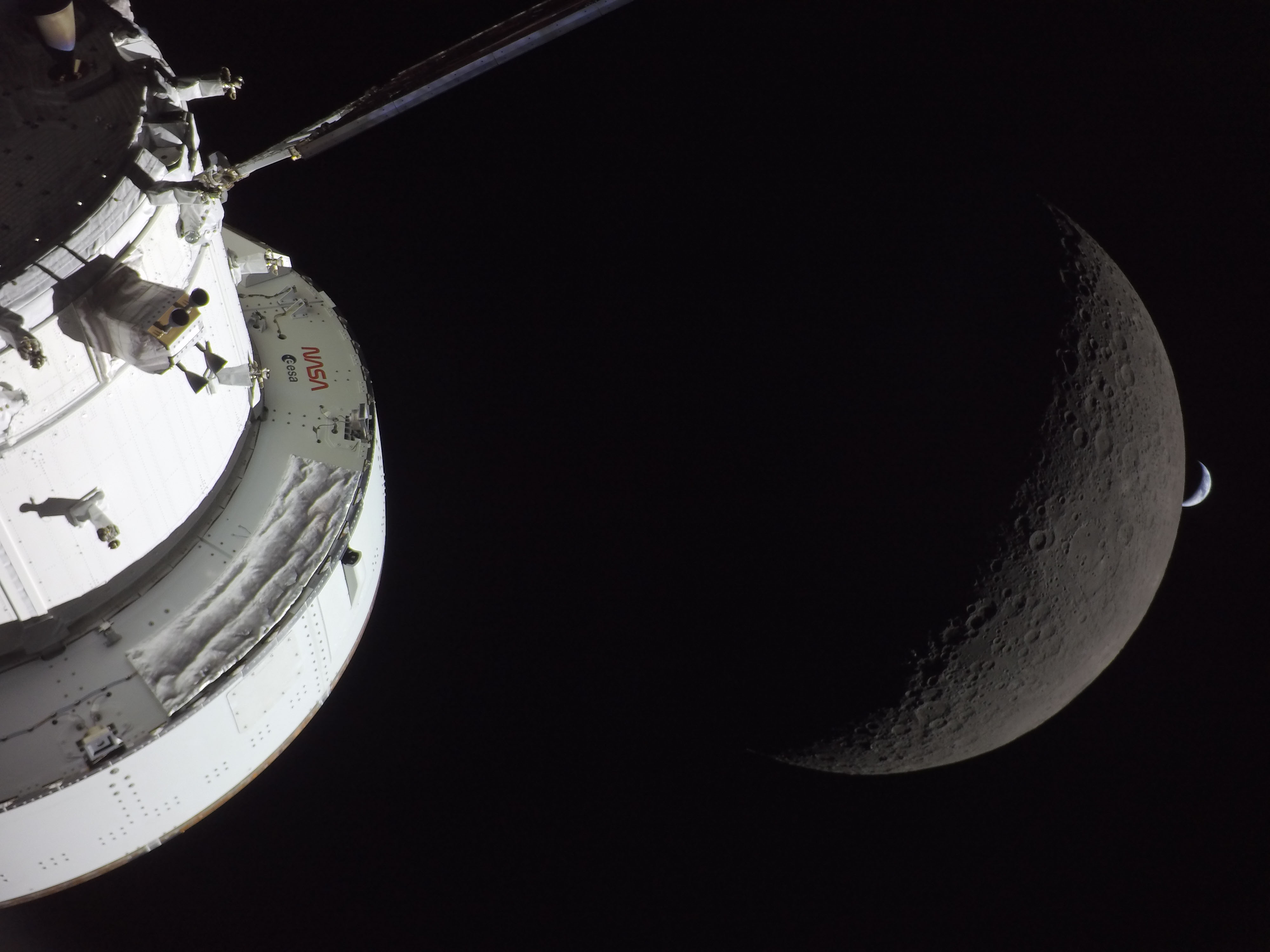




















Artemis II: Sights & Sounds of Science
Your field guide to the Artemis II Preliminary Lunar Science Report
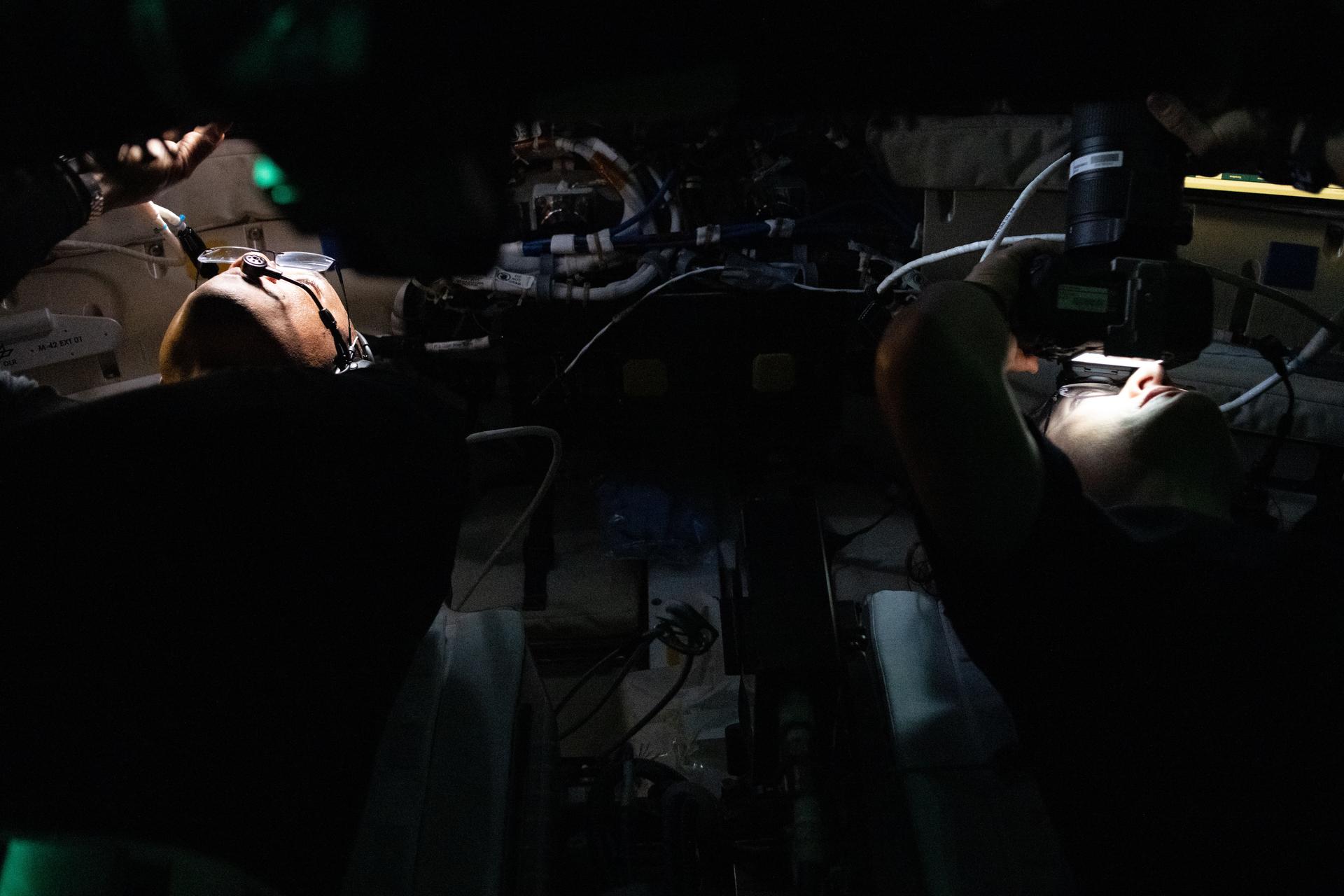
What did four astronauts see, notice, and document as they traveled around the Moon during NASA’s Artemis II mission?
Through photographs, spoken observations, drawings, and annotations, the Artemis II crew created a unique scientific record—one that is now available to the science community and the public for further study. Explore highlights here, and find the full suite of reports and select data resources at the bottom of the page.

Flashes of light
Chapter 1
Impact!
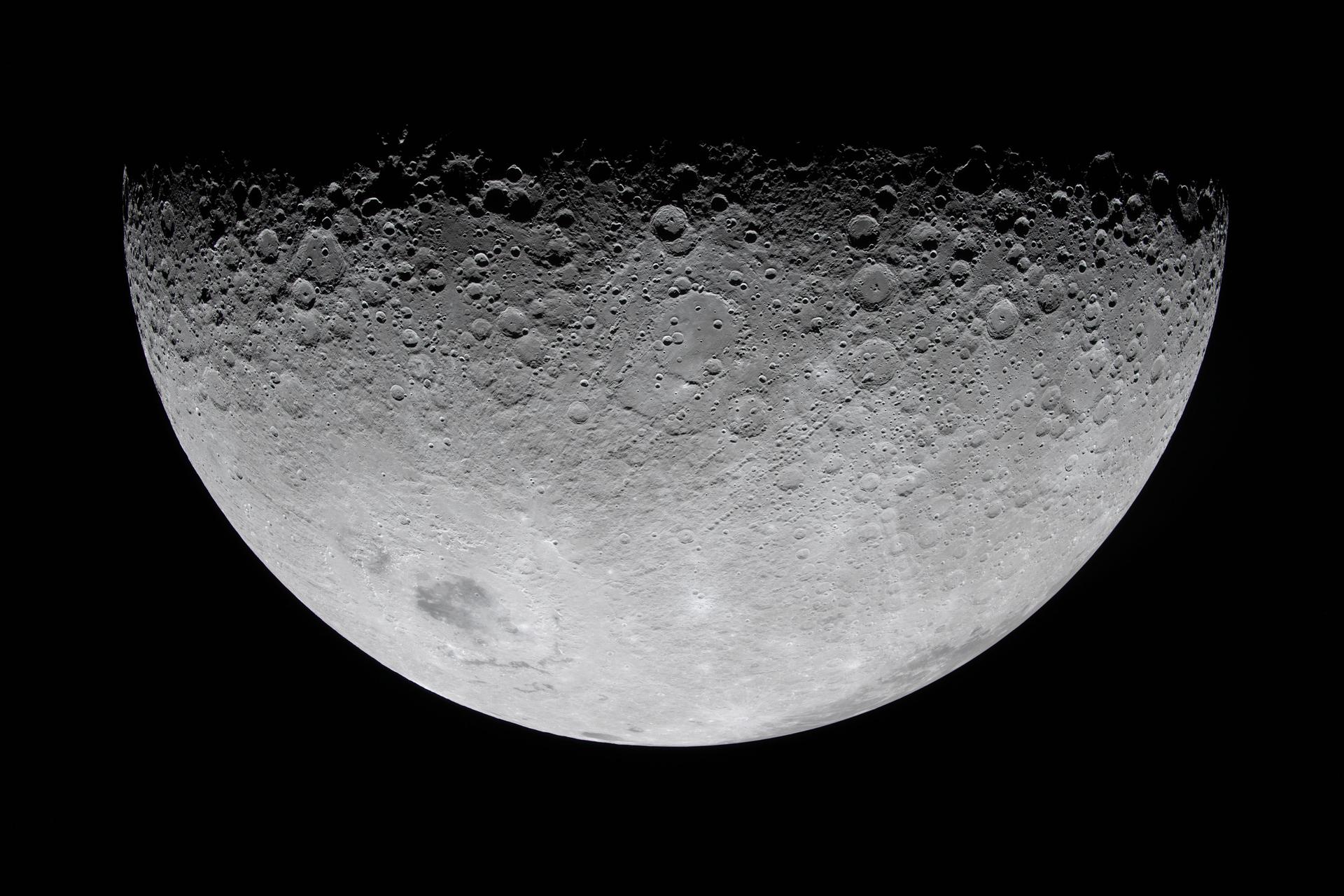
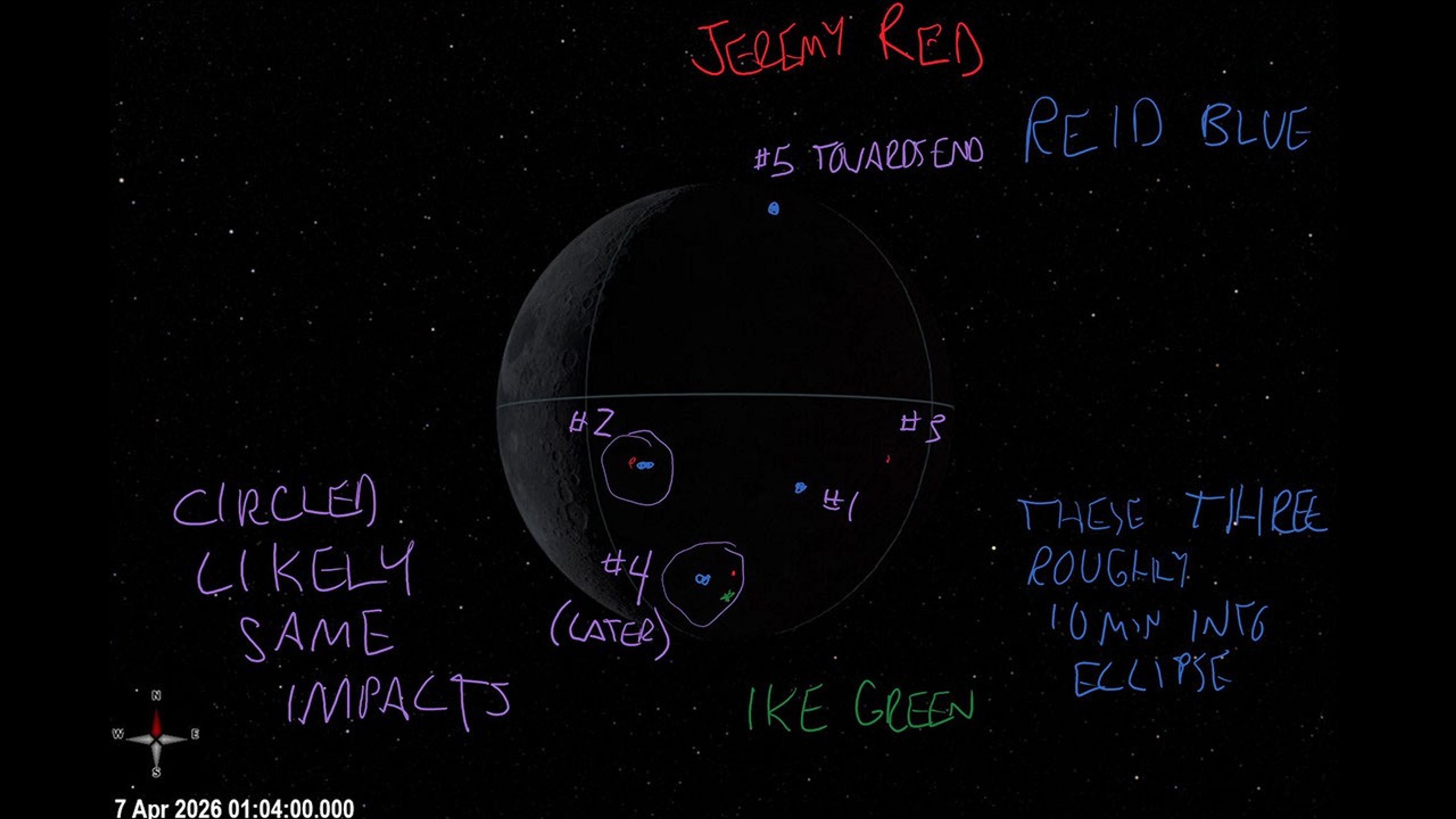
As part of the mission science plan, lunar scientists asked the Artemis II crew to watch for tiny flashes sparked by rocky fragments hitting the Moon. Even so, some scientists were astonished when astronauts reported seeing five extremely faint “pinprick” bursts of light from 46,000 miles away. After ruling out other sources — cosmic rays or reflections from the spacecraft — the science team confirmed the sightings.
“Dude! No way!”
The impact flash observations happened during a planned loss of communications while the Artemis II crew was on the far side of the Moon. Here’s what it was like at two key points in the story: when the crew witnessed the flashes, and when the Lunar Science Team received the news at NASA’s Johnson Space Center Mission Control Center in Houston.
-
Apollo astronauts saw similar flashes from lunar orbit, but the Artemis crew likely caught the faintest ever seen with the unaided eye. From the brightness of the flashes, scientists estimated that incoming rocks were each no more than a couple of inches wide. Despite their size, they were traveling thousands of miles per hour, producing just enough light upon impact to be visible. The nearly hour-long total solar eclipse that the crew experienced while passing by the Moon’s far side created ideal dark conditions for spotting such subtle bursts.
With no atmosphere to slow or burn up incoming debris, projectiles slam freely into the lunar surface. The crew’s direct observations of this process on the Moon’s far side provided a rare dataset that will help us understand how often these small impacts occur, which is essential for assessing long-term risks to future lunar habitats and infrastructure.
“It’s just like a ‘bloop!'”
CSA (Canadian Space Agency) astronaut Jeremy Hansen and NASA astronaut Reid Wiseman describe seeing an impact flash at the same time.

A Muted Rainbow
Chapter 2
Our colorful Moon
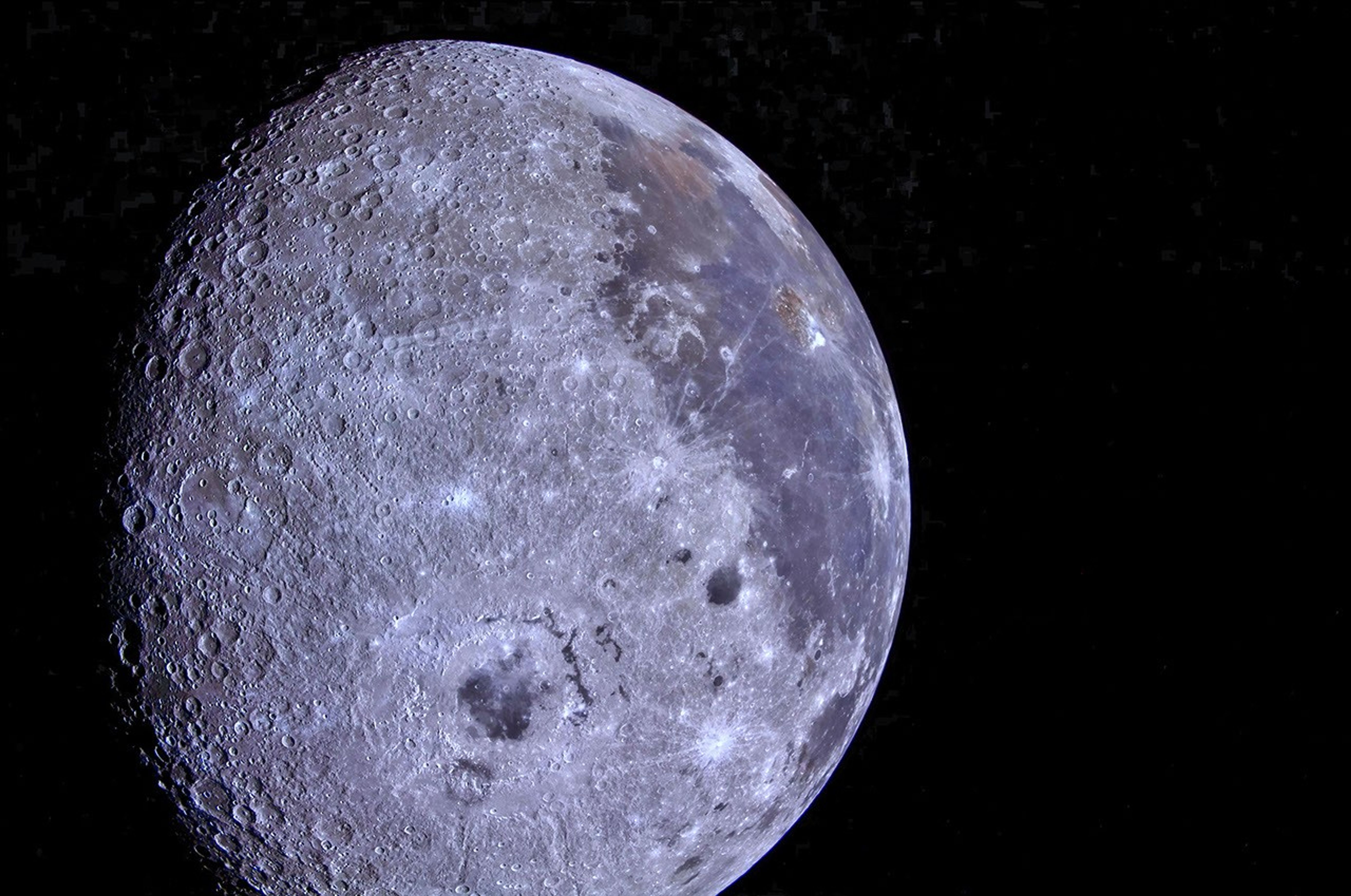
The crew reported seeing subtle hues of gray, black, brown, tan, white, green, and blue across the Moon’s surface. This muted rainbow offers clues to the rocks and minerals that make up different lunar regions, helping scientists piece together how the Moon — and, by extension, Earth — evolved over time.
-
Blues point to titanium-rich volcanic rocks, while browns reflect varying levels of iron, and greens signal glass formed during volcanic eruptions or asteroid impacts. For future human explorers, these color differences could highlight potential resources.
Crew observations and handheld camera images of color and brightness can also be compared with data from NASA’s Lunar Reconnaissance Orbiter. Together, these datasets help scientists understand how humans perceive color on the Moon, especially how tone, brightness, contrast, and apparent texture shift with changing viewing angles.
These perceptions can change dramatically. The crew was trained to recognize how the angle of sunlight on the Moon would affect what they saw, a skill that will become more essential as future Artemis lunar surface missions head into the polar regions, where extreme lighting will influence human perception. Teasing apart lighting artifacts from true geologic features is critical for safe navigation, accurate documentation, and scientific interpretation of visual observations. A screenshot from an Artemis II crew member’s tablet on April 6, 2026, with hand-written notes added atop a visualization of the Moon. On the right is the side we see from Earth — the near side. It is recognizable by the dark lava plains that cover its surface. The notes point out nuances in colors that crew members could see from the Orion spacecraft. Browns reflect varying levels of iron, and greens signal the presence of glass that formed during ancient volcanic eruptions or asteroid impacts.NASA
“It’s like a jaundiced cheek of the Moon.”
NASA astronaut Christina Koch describes being able to see areas of color on the Moon.
The Terminator
Chapter 3
Edge of day & night
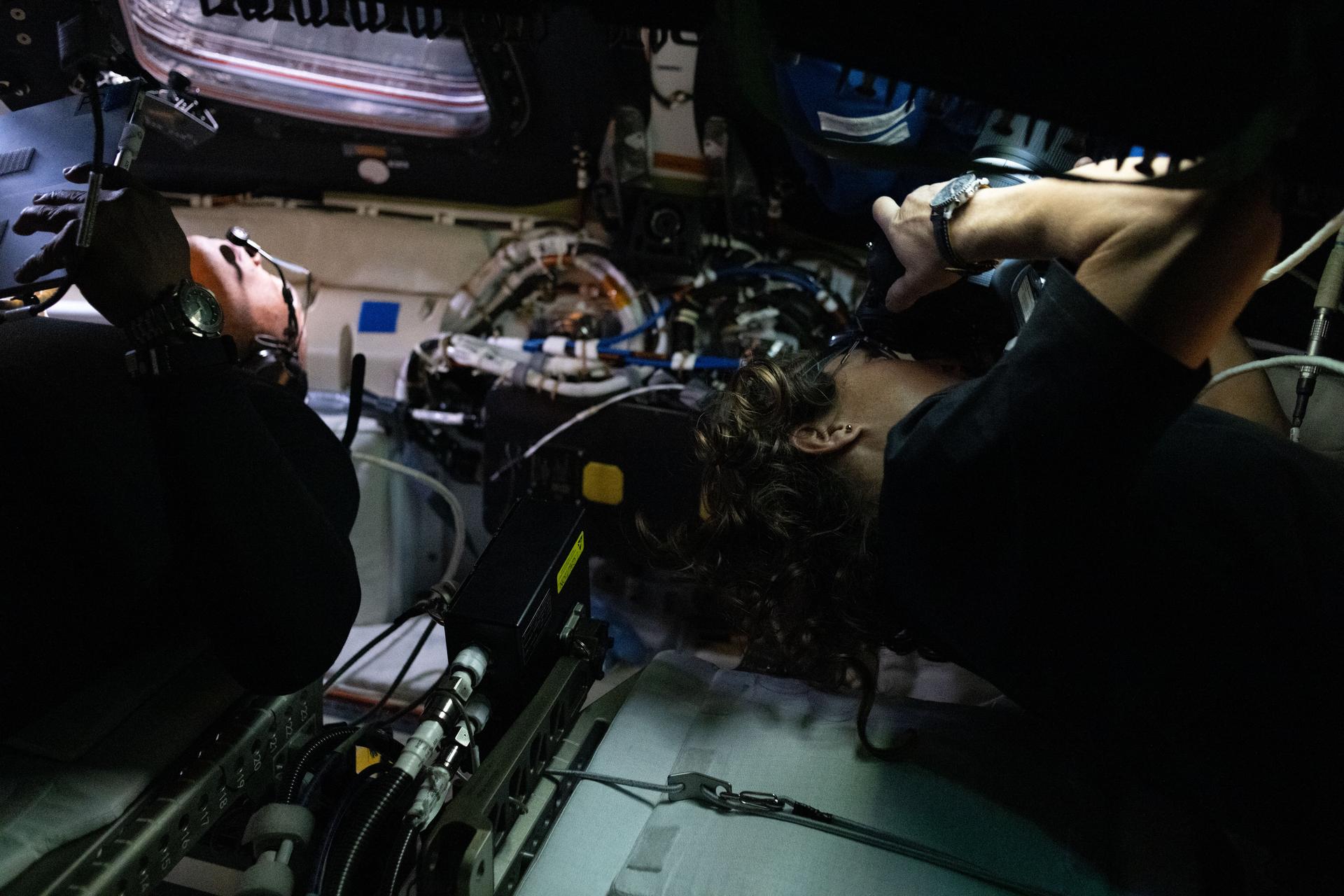
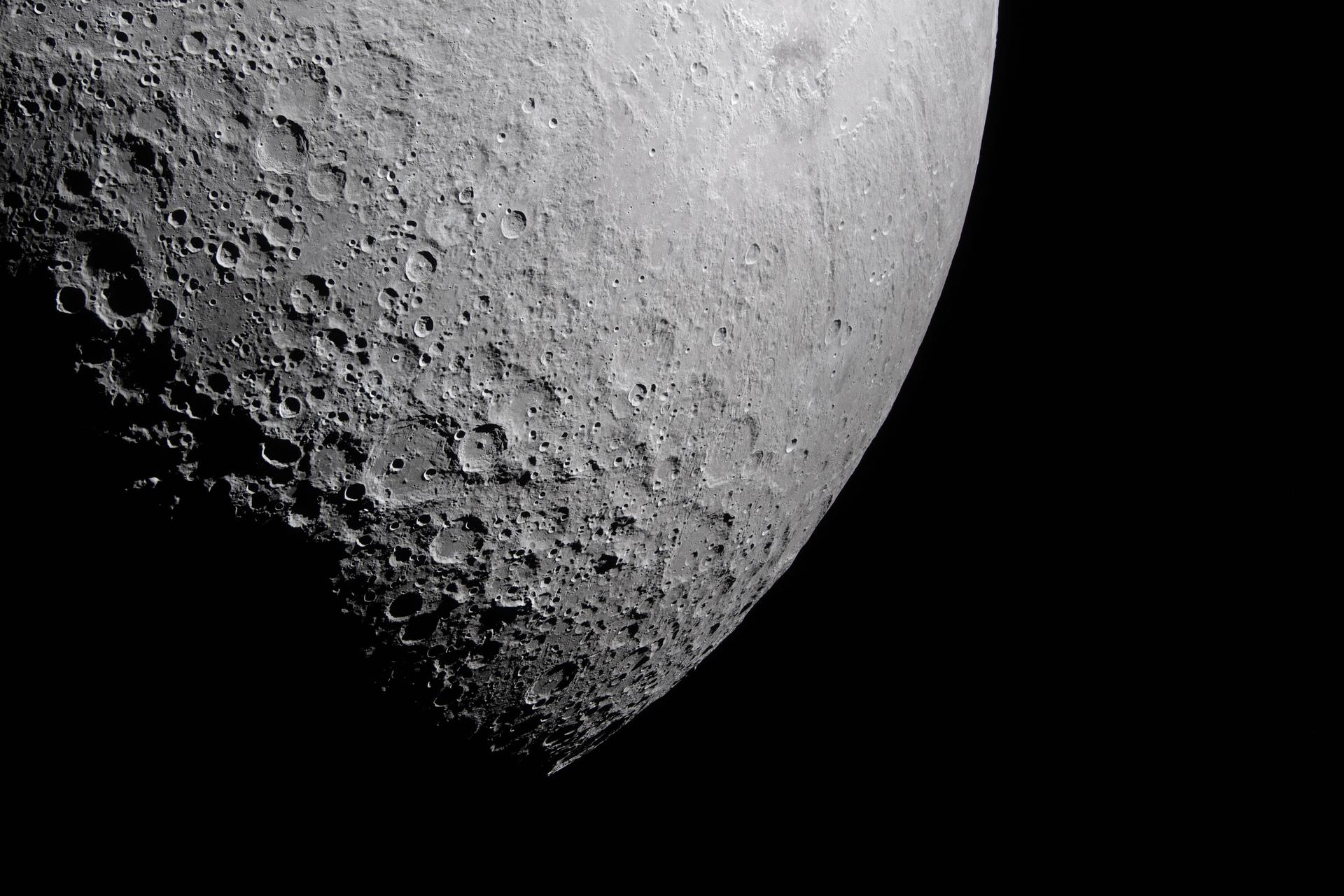
The “terminator,” which is the shifting boundary between day and night on any planetary surface, offered the crew some of the most revealing views of the Moon.
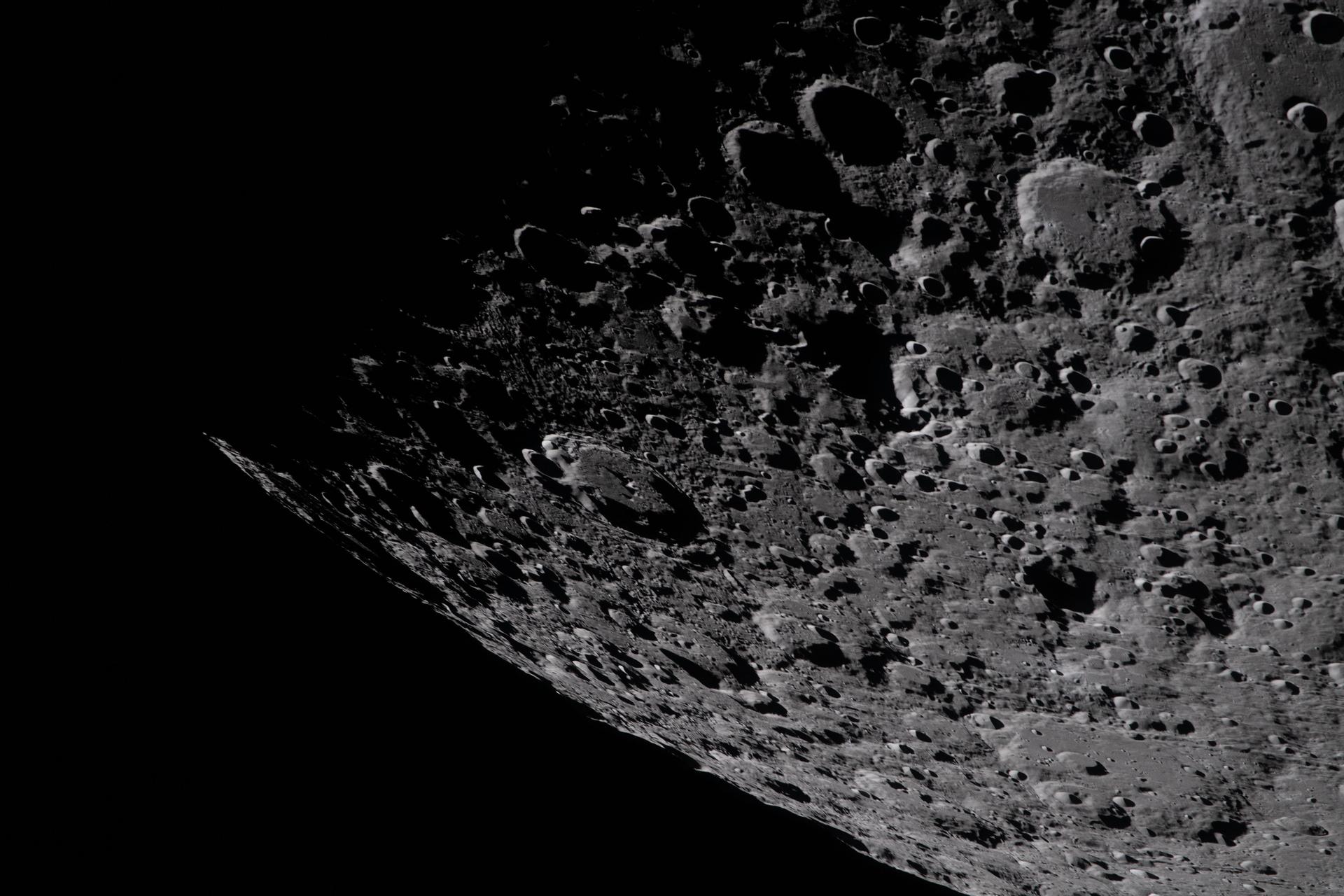
The science team asked the astronauts to study features along this boundary, partly because the lighting there closely resembles conditions at the Moon’s South Pole, where the Sun hovers near the horizon and skims across the terrain like a flashlight lying on a table. That low-angle light casts long, dramatic shadows that highlight the Moon’s rugged surface.
-
What the terminator reveals
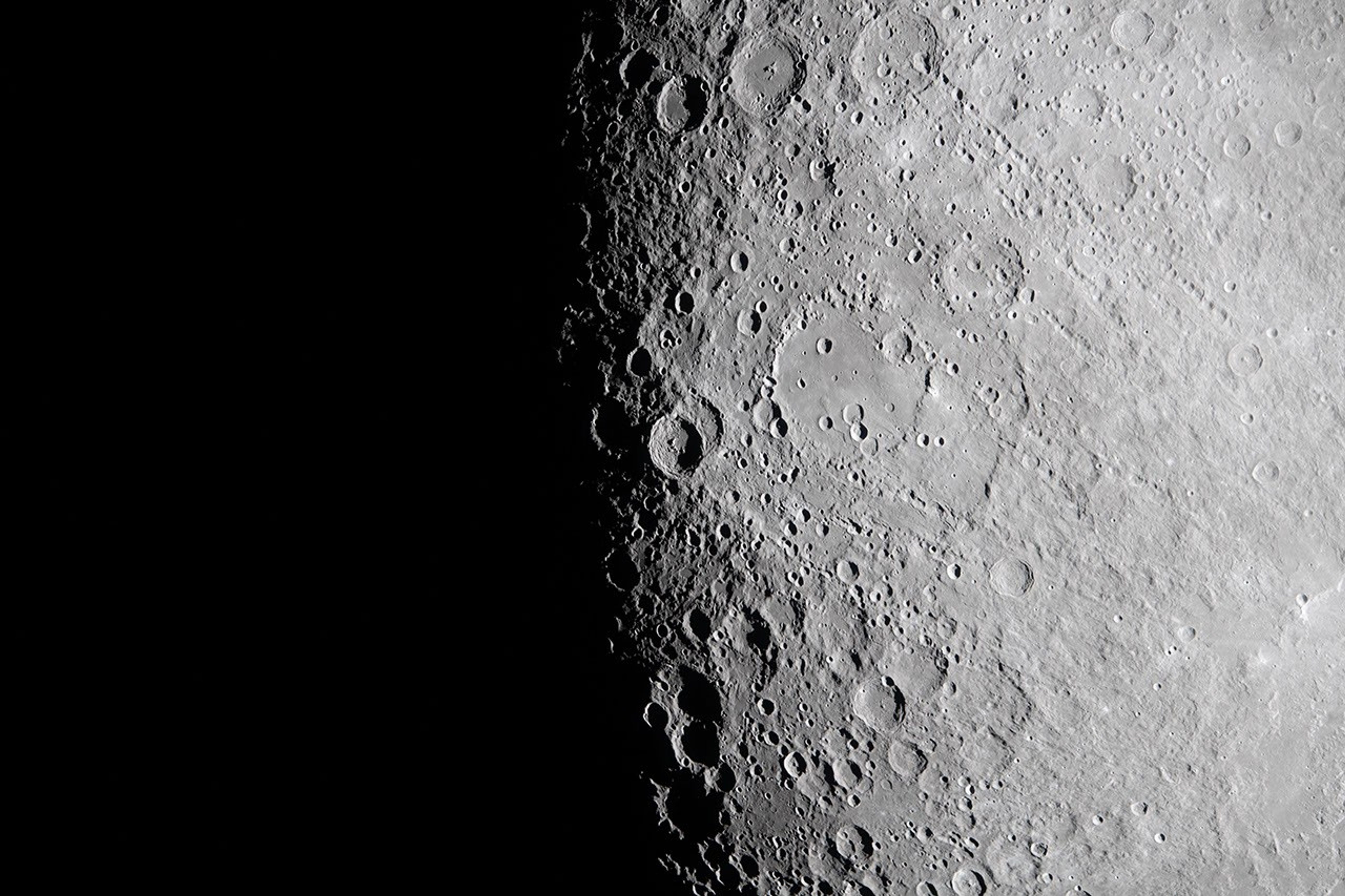
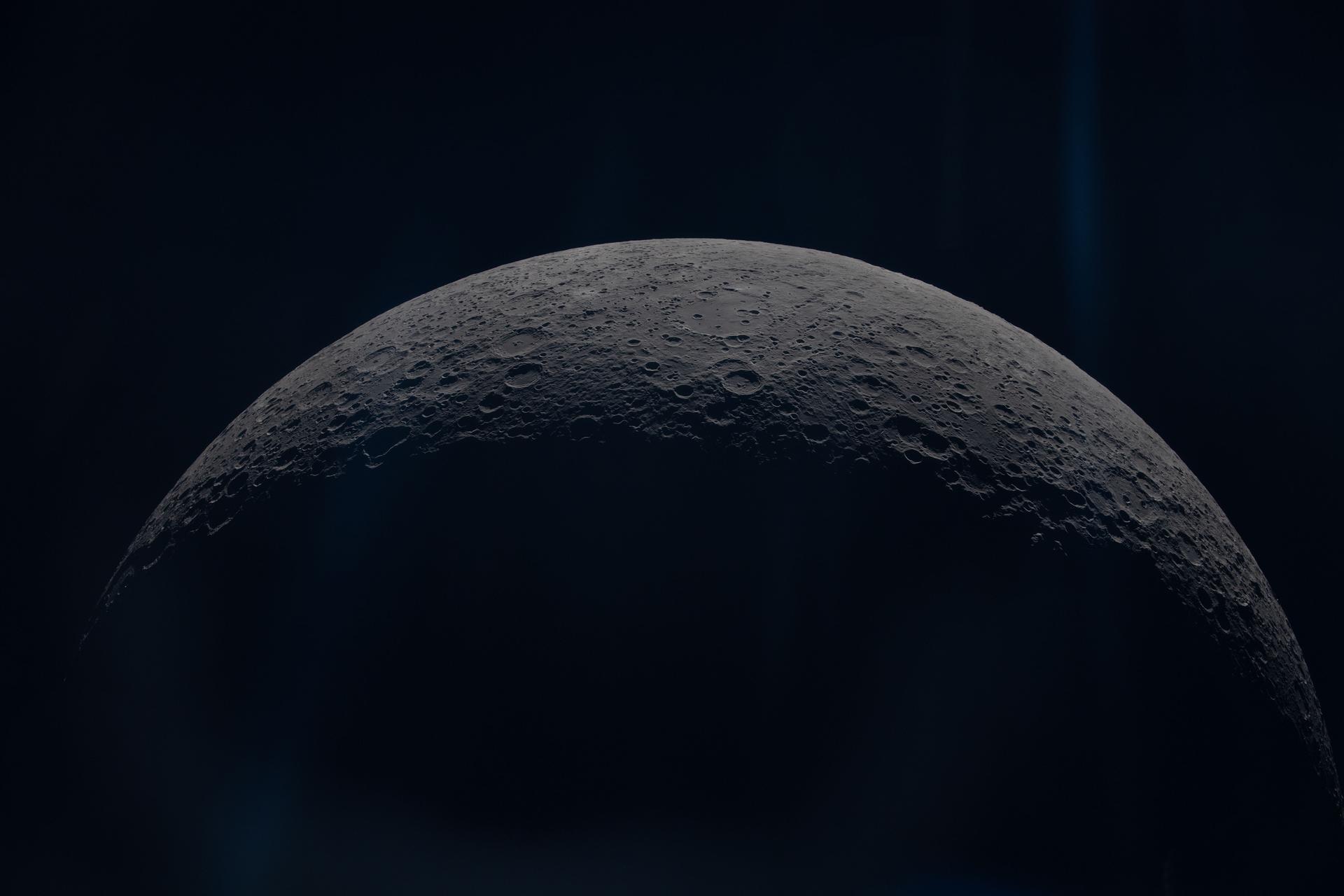
With lighting ideal for viewing topography, plus no atmosphere, oceans, continents or vegetation to diffuse the view, the Artemis II crew could see the sizes, shapes, and textures of surface features in crisp detail. As the terminator migrated across the surface, the landscape transitioned between light and darkness, giving the crew brief views of topography across the Moon.
“…The terminator is the most striking thing that I’ve seen so far,” Artemis II pilot Victor Glover reported during the flyby.
Craters miles deep, and peaks that stretch as high, also came into sharp relief along the Moon’s glowing edge, or limb, particularly during the total solar eclipse when it was backlit by the Sun. “You’ve got to be kidding me,” Christina Koch, Artemis II mission specialist, said from Orion. “You can actually see mountains …”
These observations will help inform future Artemis missions, particularly in choosing the right cameras, deciding how to aim them, and determining what level of detail they’ll need to capture.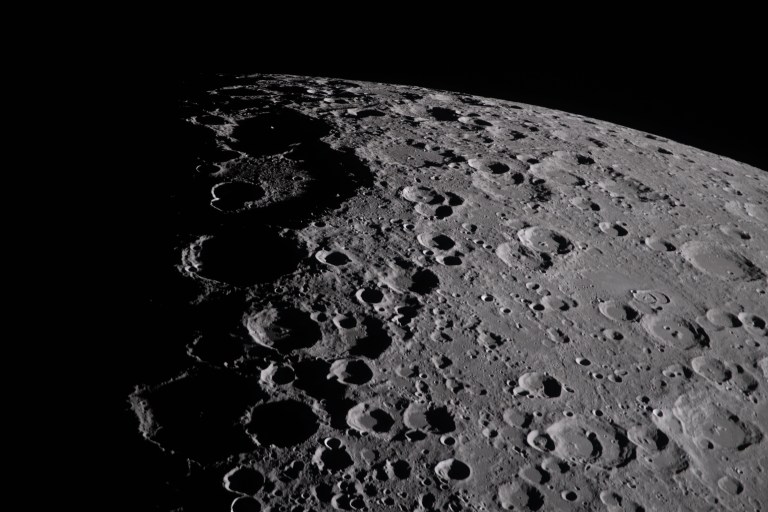 A view of the lunar terminator as it was seen by the Artemis II crew on April 6, 2026. The drastic shift in lighting between the night (left) and day (right) sides accentuates the Moon’s rugged terrain. The angle of sunlight at the terminator also closely resembles illumination conditions at the Moon’s South Pole, where the Sun hovers near the horizon and skims the terrain like a flashlight lying on a table. For context, the large crater in the center of the terminator is called Carnot and is nearly 80 miles wide.NASA
 -
Earth’s own terminator
Along the Moon’s terminator, low-angle sunlight casts long shadows that reveal craters, mountains, and other surface features in sharp detail. Earth’s terminator looks softer because our atmosphere scatters sunlight, creating a gradual transition from day to night.
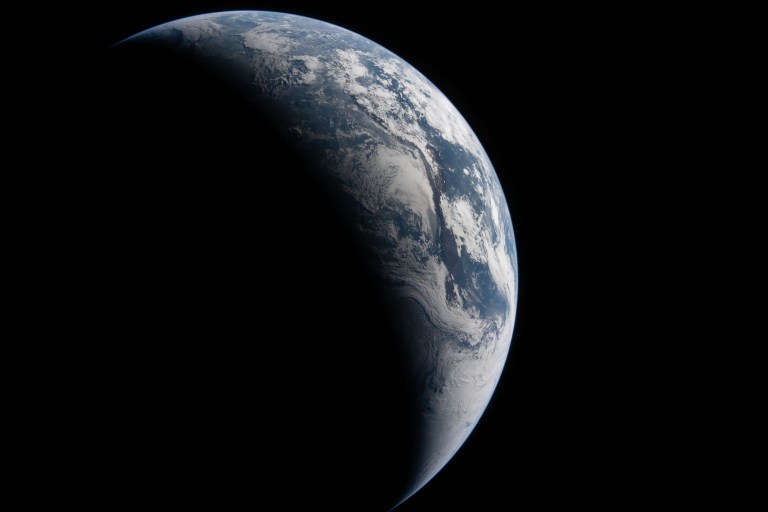 Earth photographed by the Artemis II crew aboard Orion on April 2, 2026. The boundary between the night side on the left and the day side on the right is called the “terminator.” Along the Moon’s terminator, low-angle sunlight casts long shadows that reveal craters, mountains, and other surface features in sharp detail. Earth’s terminator looks softer because our atmosphere scatters sunlight, creating a gradual transition from day to night.NASA
“That beautiful terminator is out there calling to me…”
Hear from the Artemis II crew and lunar science team about what the lunar terminator means for Moon observations and how it can help us get ready for human exploration near the lunar South Pole.
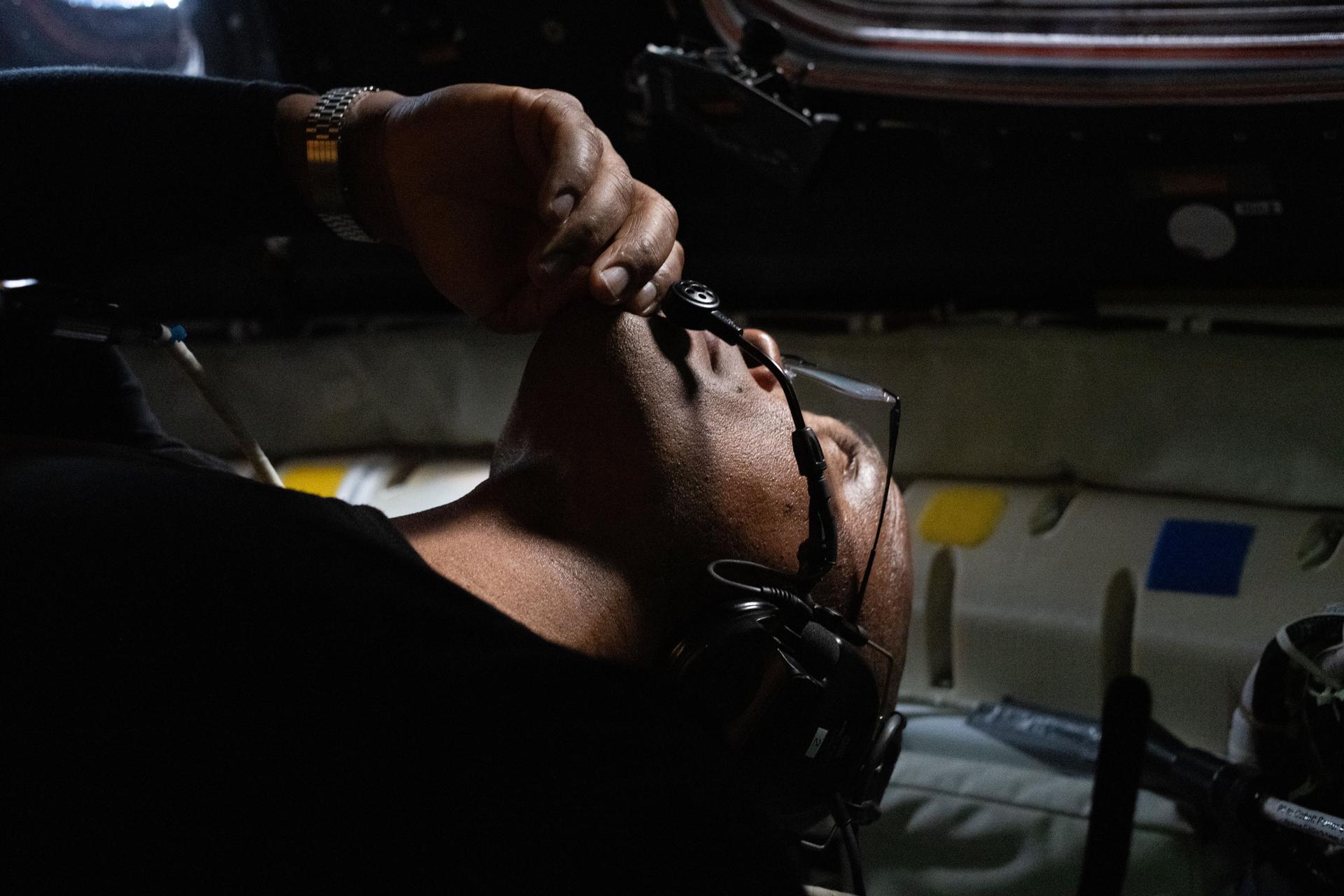
“I wish I had more time to describe what I’m seeing, but the terminator right now is just fantastic. It’s the most rugged that I’ve seen it. From a lighting perspective, there are little islands – there are islands of terrain out there that are completely surrounded by darkness, which indicates some real variation in the terrain. It’s very, very interesting to see.”
Victor GLOVER
NASA Astronaut, Artemis II pilot
Eclipse, From the Far Side
Chapter 4
“I don’t think the human mind is equipped to look at this.”
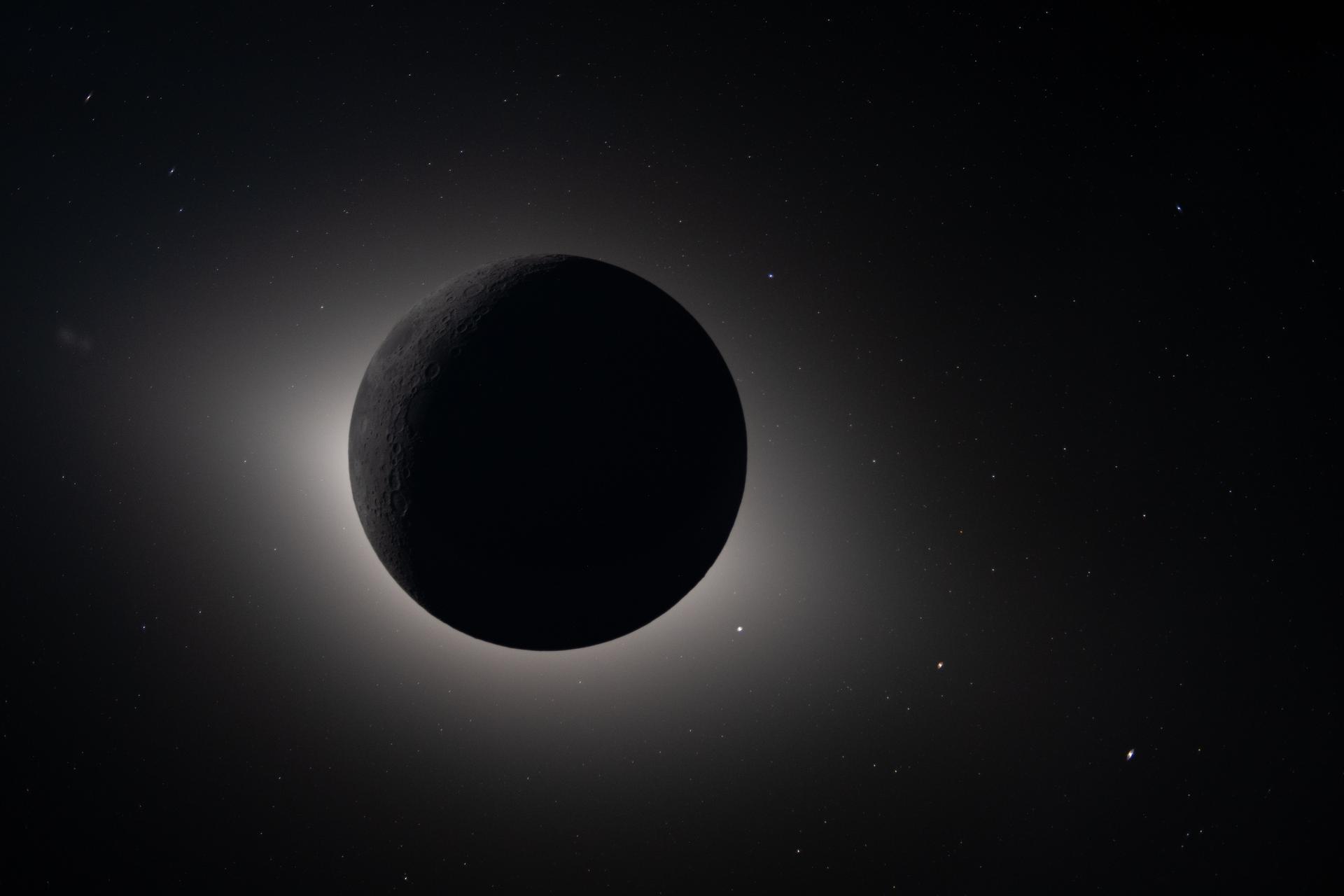
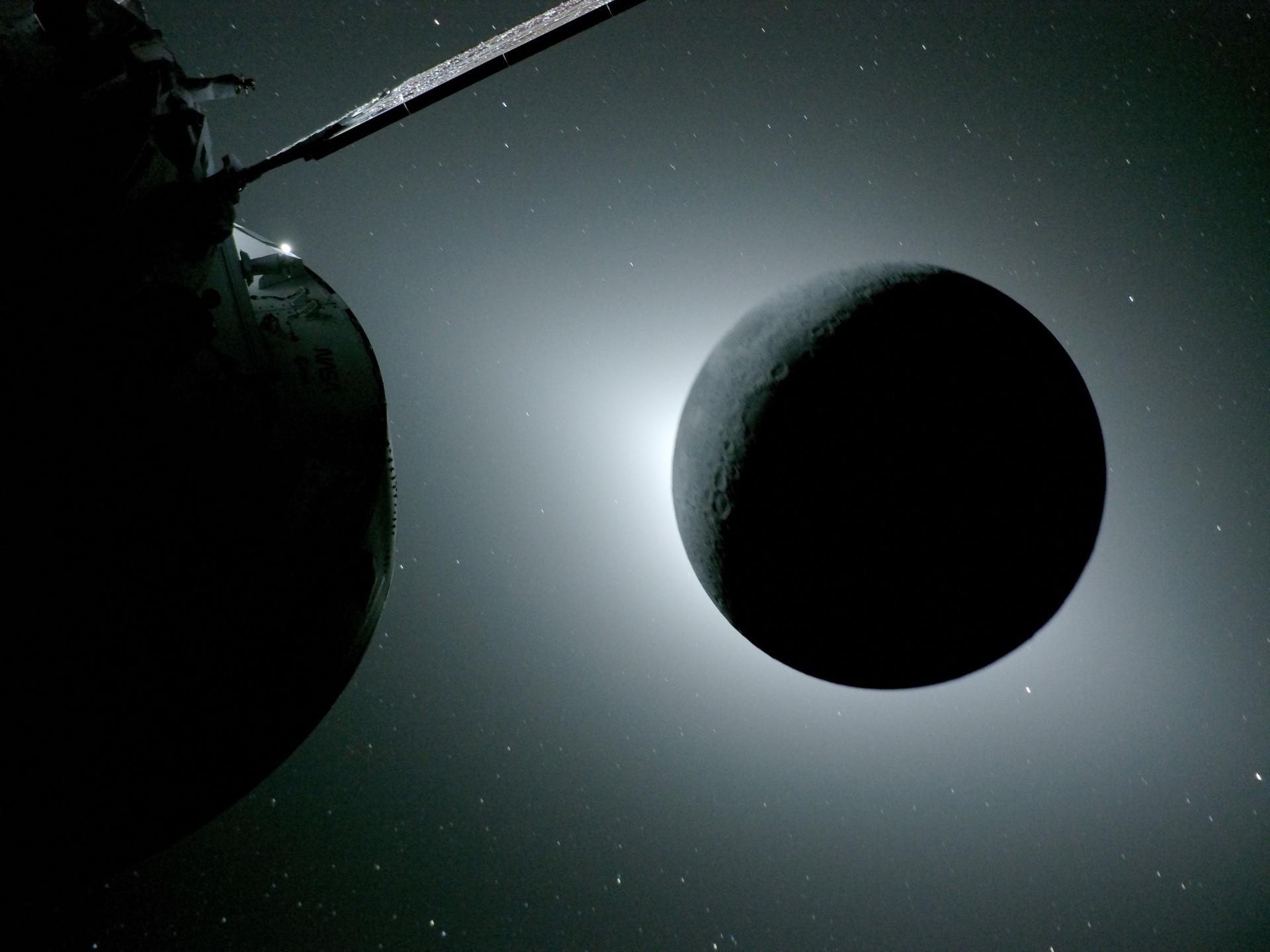
From Orion’s close-up vantage point, the Artemis II crew watched the Sun slip behind the Moon and stay there for 54 minutes. Because the Moon appeared huge to the crew, and it didn’t seem to move in the sky, it blocked the Sun for much longer than the few minutes a total solar eclipse lasts when viewed from Earth. From the ground, we see only the small shadow the Moon casts on Earth as it sweeps quickly across only a strip of surface.
-
With the Sun blotted out for nearly an hour, the crew could study features usually drowned in light. These included impact flashes, planets such as Mars and Saturn, galaxies, stars, and a soft “glow” around the Moon called “zodiacal light,” which is created by sunlight reflecting off interplanetary dust.
 An image taken by an Artemis II crew member on April 6, 2026, as Orion flew past the Moon’s far side, which we don’t get to see from Earth. This image shows the Sun gliding behind the Moon, which is seen in outline in the forefront. Some sunlight is still peeking out from the edge of the Moon, though soon after this image was taken, the Sun would be blotted out by the Moon for nearly an hour during a total solar eclipse. A stream of plasma can be seen shooting out from the Sun’s faint, outer atmosphere, called the corona.NASA
 -
The eclipse also gave the crew an unprecedented view of the Sun’s faint, outer atmosphere, called the corona. It is normally visible only with scientific instruments or during relatively brief eclipses on Earth. Scientists still don’t fully understand why the corona is millions of degrees hotter than the Sun’s surface and how it accelerates plasma into space at such high speeds. The crew got a rare chance to directly observe the evolving shape and structure of this part of the Sun that drives the space weather that can influence everything from spacecraft electronics to astronaut safety.
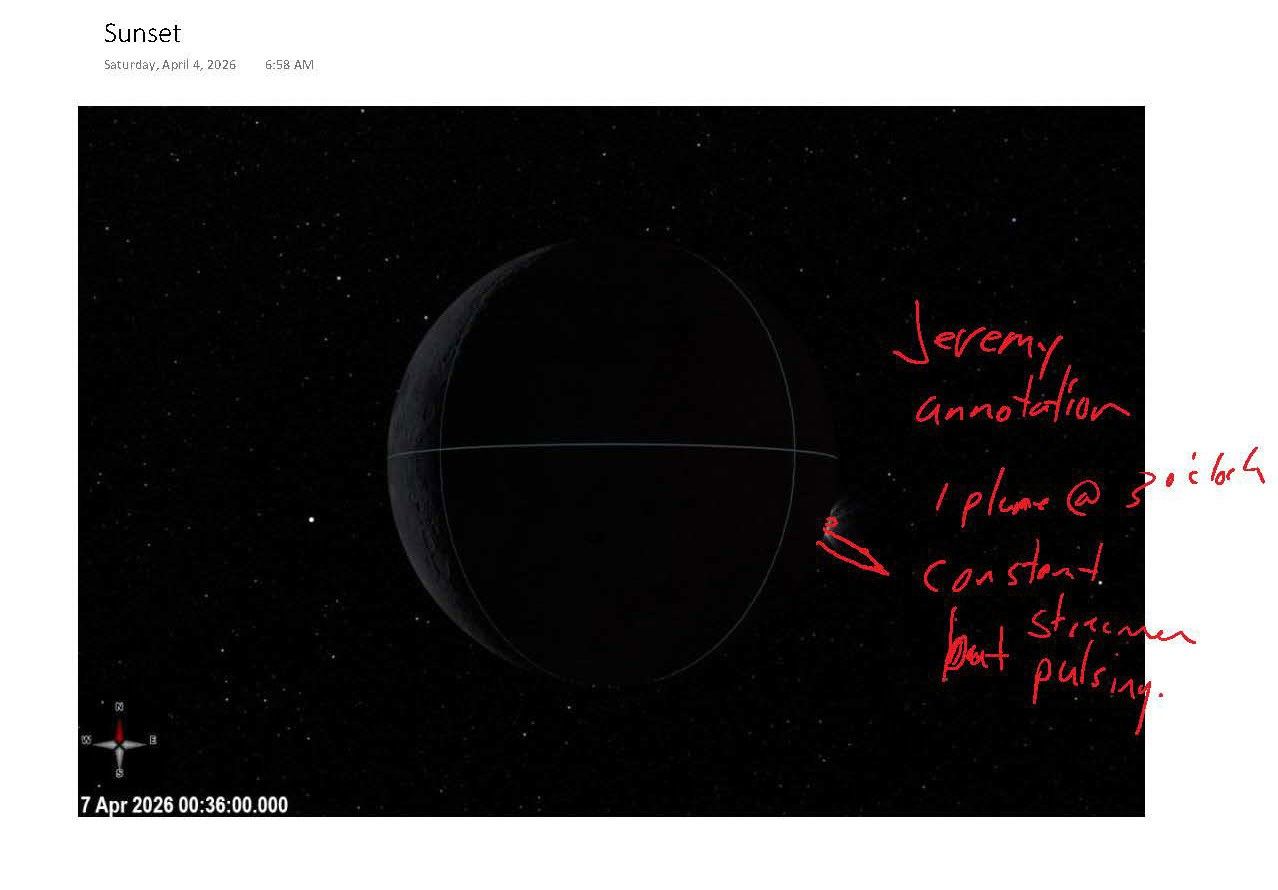 A screenshot from the tablet of CSA (Canadian Space Agency) astronaut Jeremy Hansen. Hand-written notes atop a visualization of a mostly dark Moon eclipsing the Sun — with its left edge slightly illuminated by Earthshine — reveal the location of a “pulsating” streamer from the Sun’s outer atmosphere, or corona, which the crew observed in action from Orion, and even photographed with their handheld cameras. The left edge of the Moon looks slightly illuminated by Earthshine.NASA/CSA
Space, from beyond the Moon
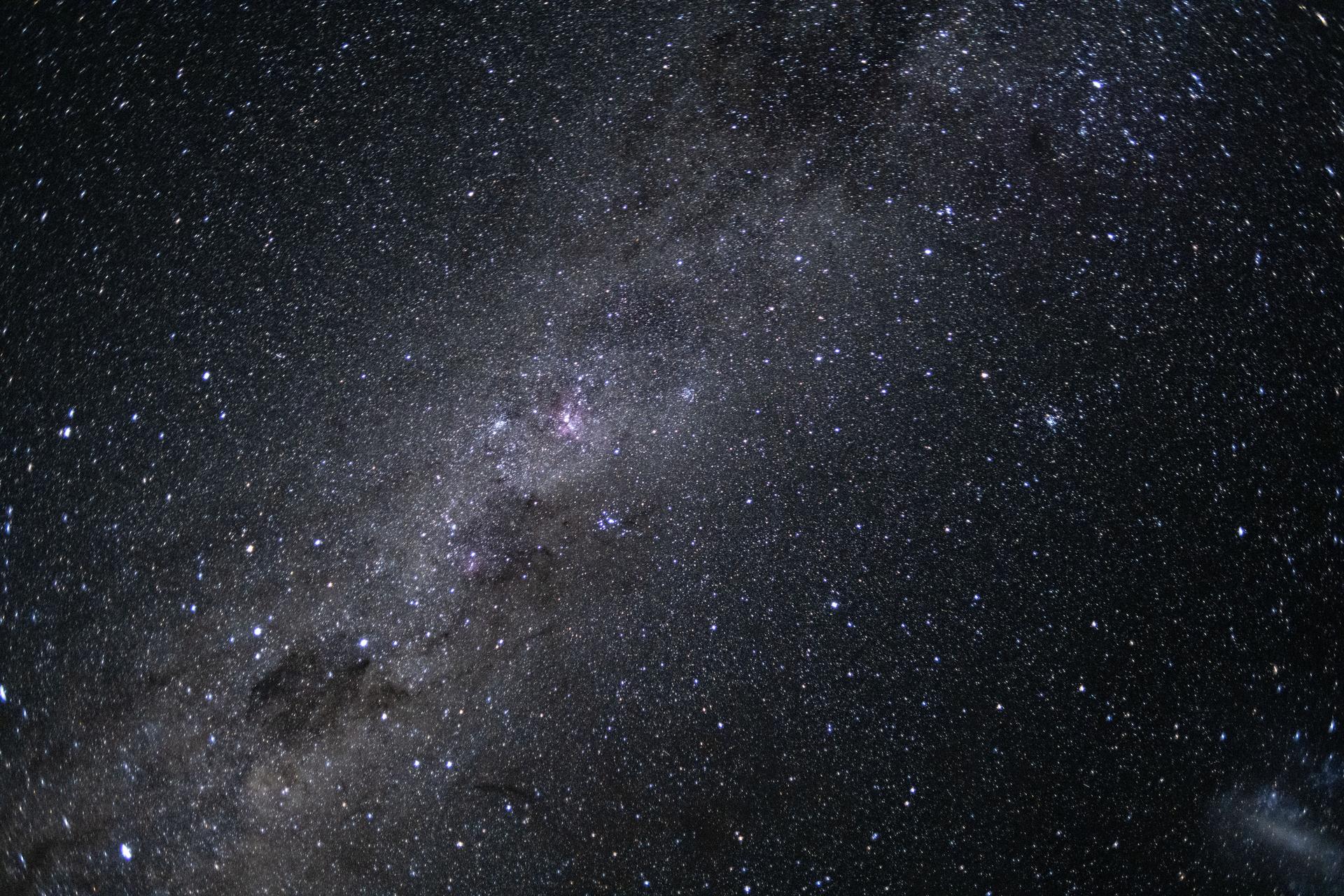
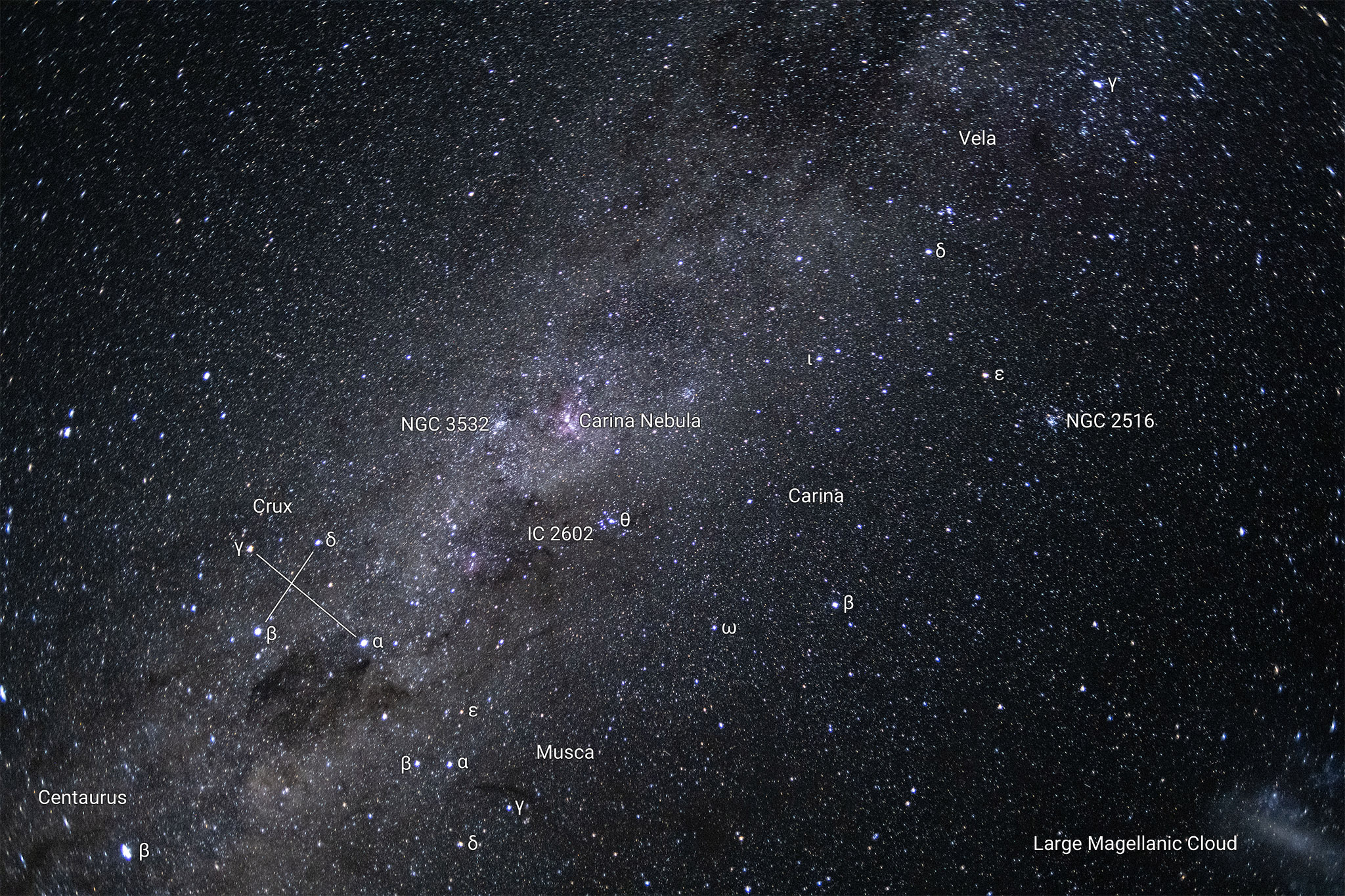
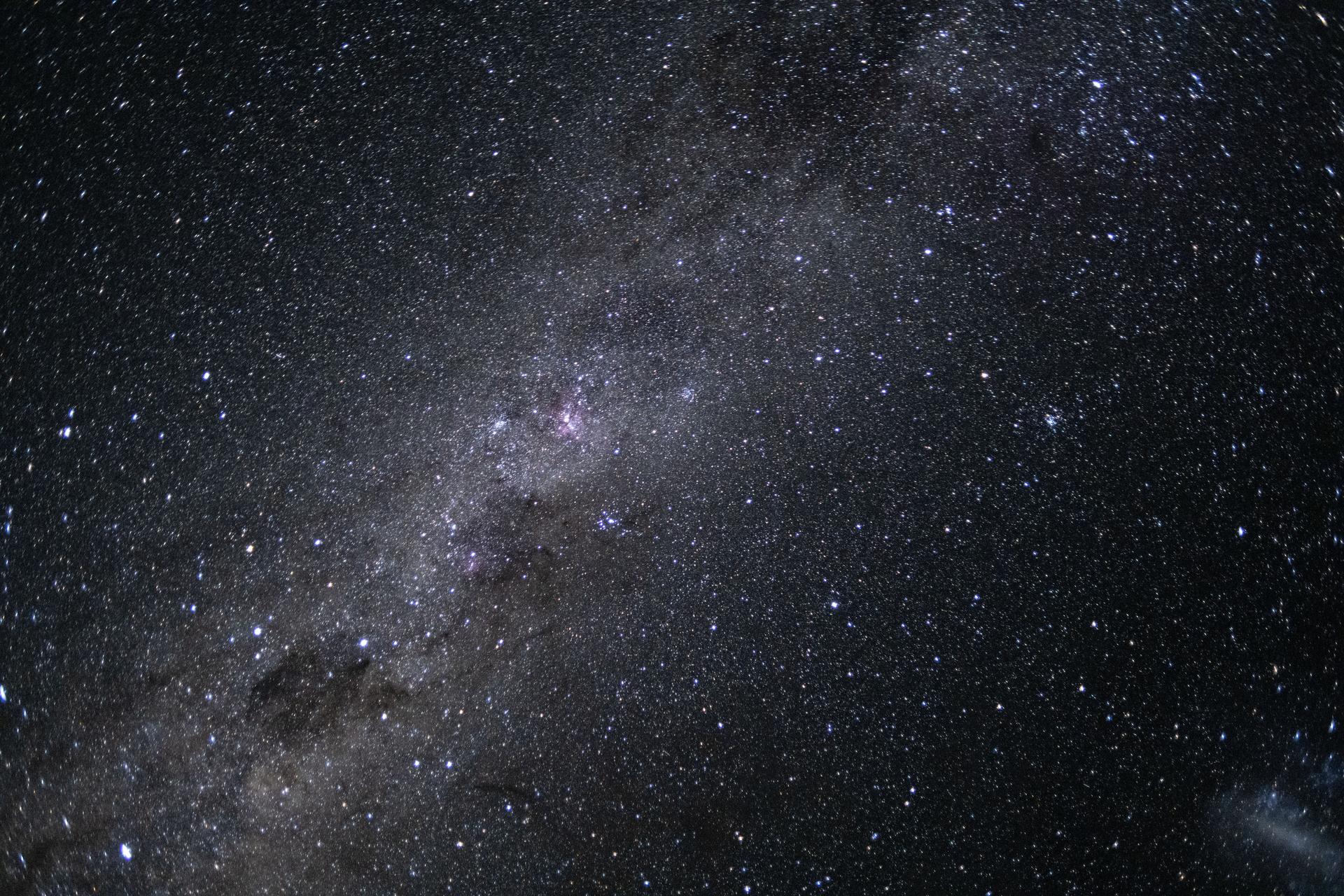
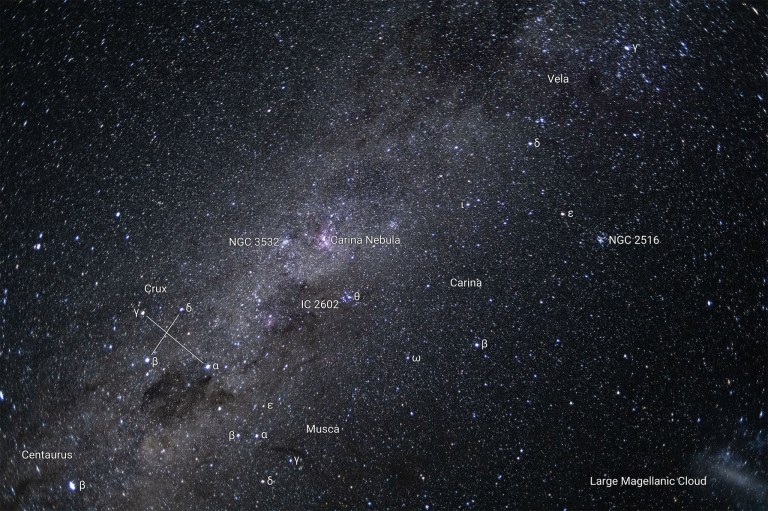
This image taken by the Artemis II crew shows the deep sky outside of the Orion spacecraft. Thousands of stars and shining clouds of dust are visible. The Milky Way streaks diagonally across the sky in a white and pink cloud, from the lower left to the upper right. This image was captured during the total solar eclipse when the Sun was blocked from view for nearly an hour and the crew could study celestial objects that are usually drowned in light.
On the right, Greek letters are the Bayer designations identifying bright stars in the southern constellations Vela, Carina, Musca, Crux (the Southern Cross), and Centaurus. NGC and IC numbers identify open star clusters. The Large Magellanic Cloud is a dwarf galaxy, a satellite of the Milky Way. The Carina Nebula is a large diffuse nebula and active star-forming region famously photographed by both the Hubble and Webb space telescopes.
A new view of the stars
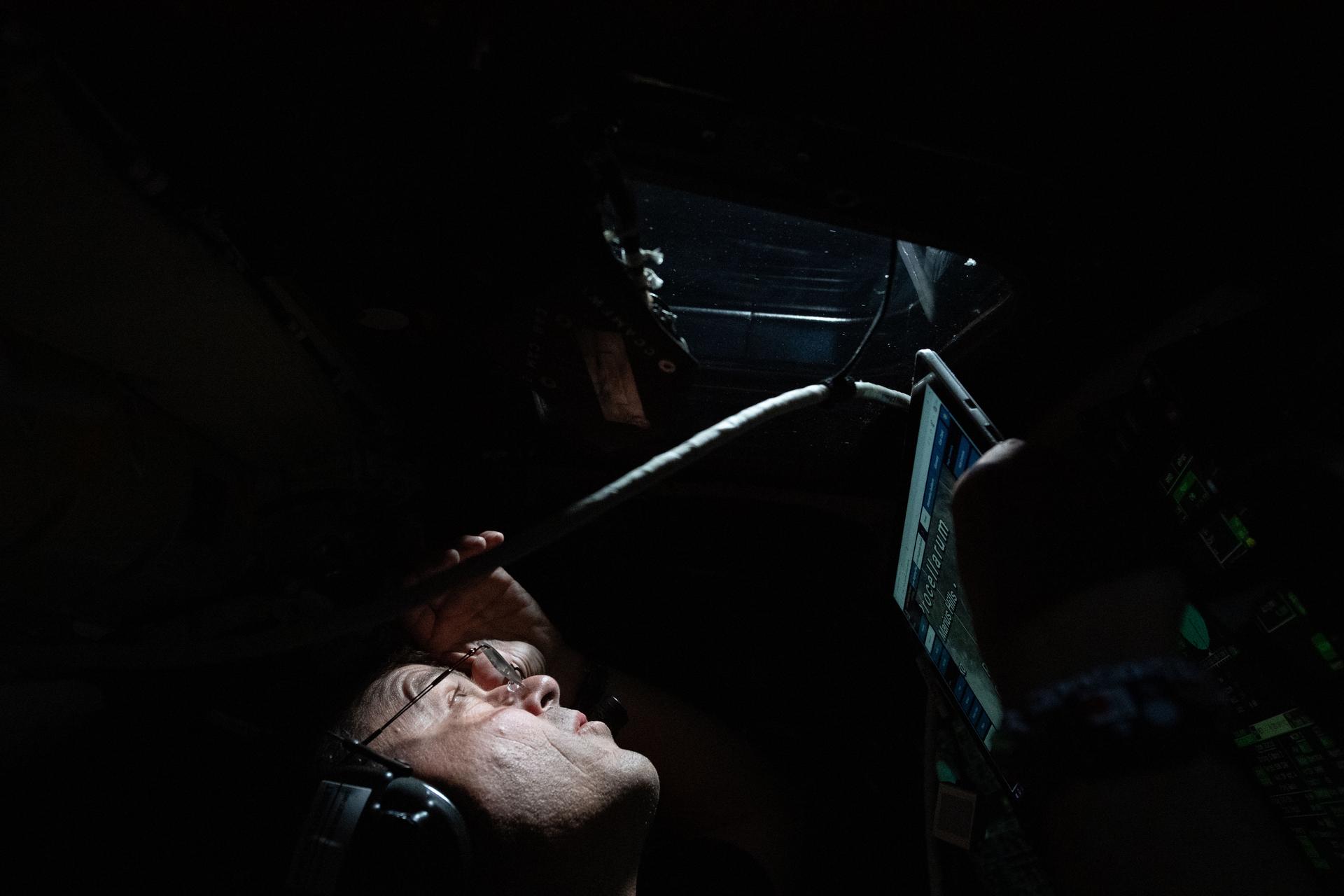
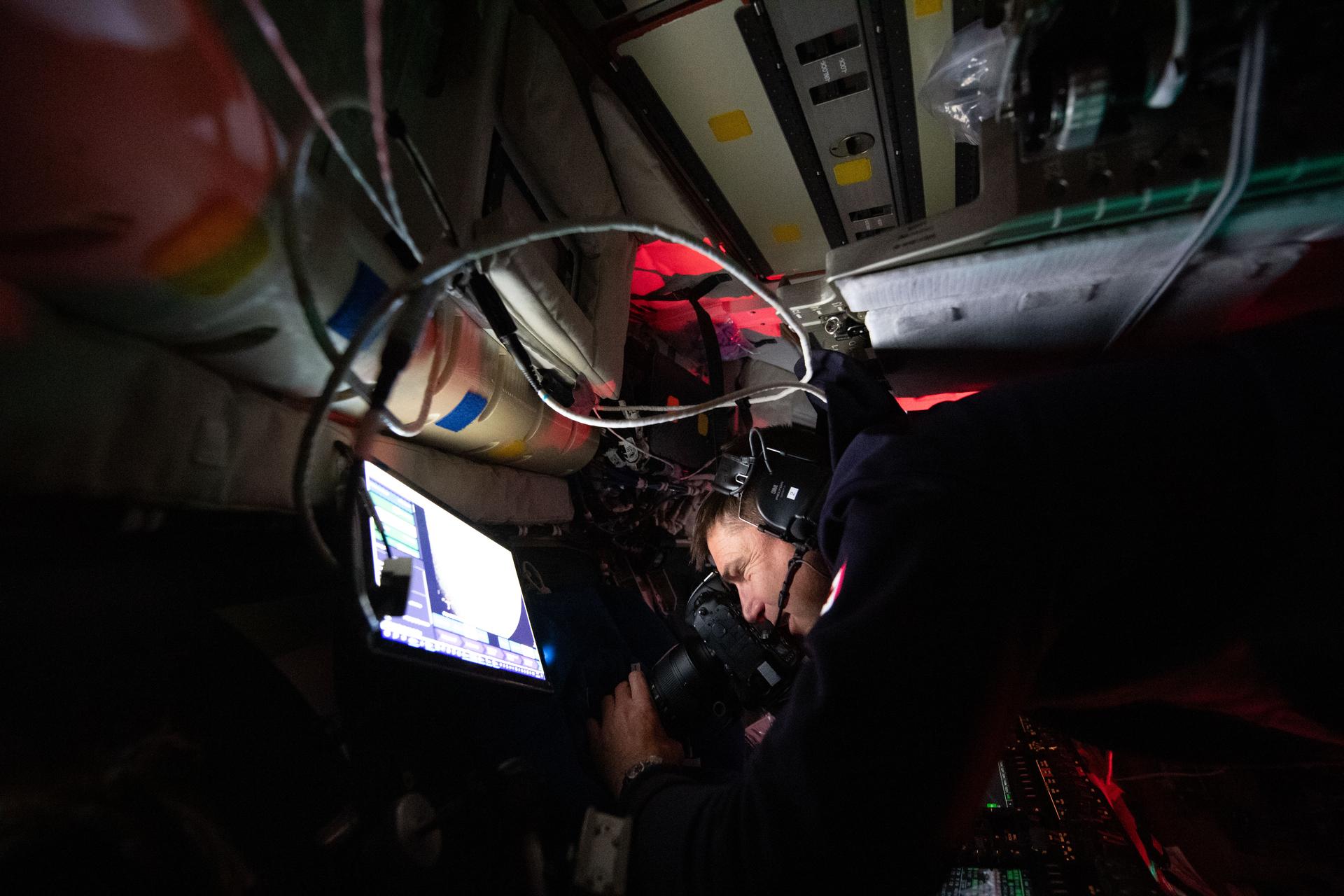
CSA (Canadian Space Agency) astronaut Jeremy Hansen describes the new view he has of the stars from space.
Looking Towards Home
Chapter 5
Hello, world
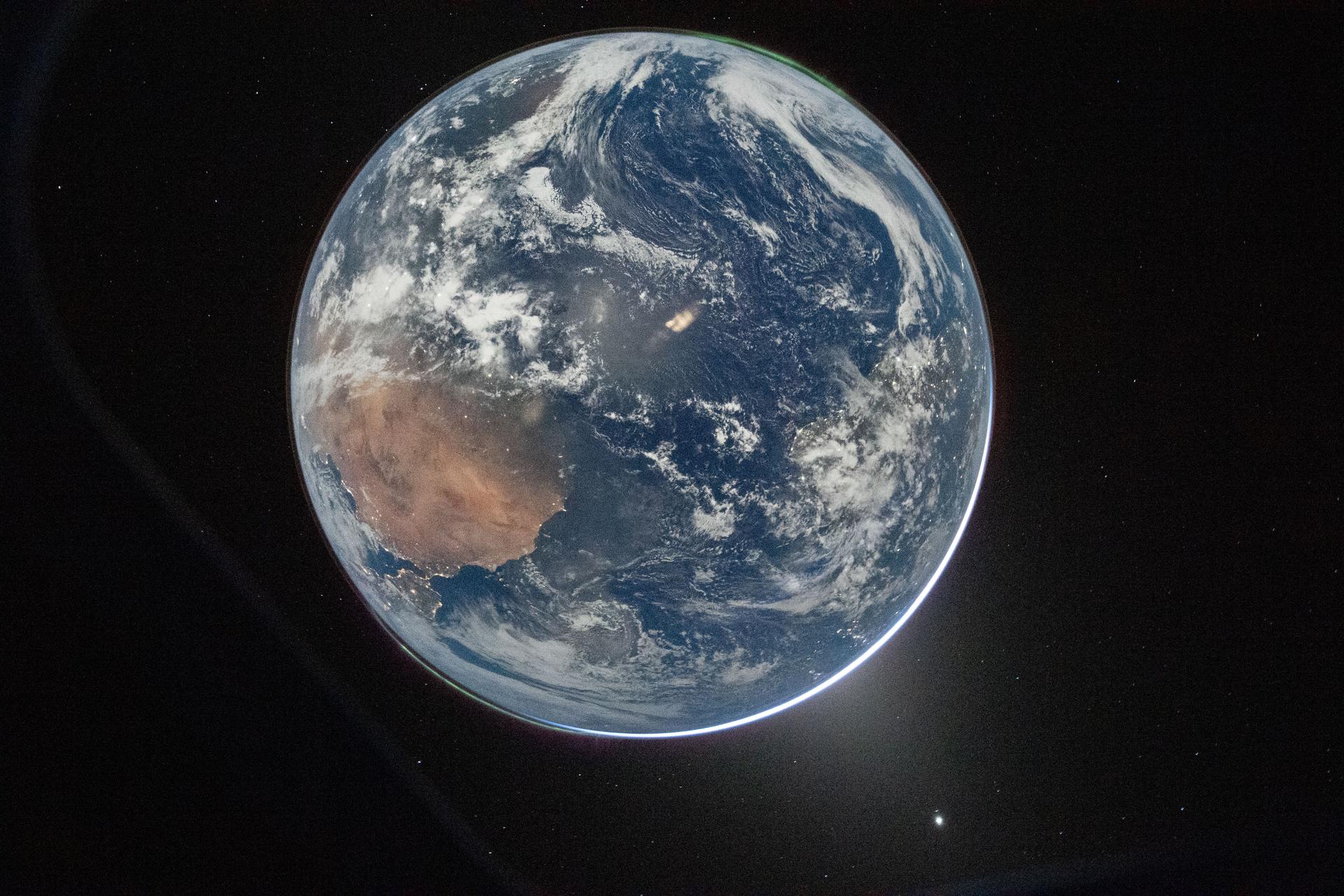
To most of us, it may have been just a pretty picture. But to scientists, an image of Earth taken by a crew member from about 6,000 miles away— called “Hello, World”— captured intricate layers of natural systems interacting with one another and with the space around our planet.
-
Illuminated by moonlight
Though it looks lit up by the Sun, the scene was illuminated by moonlight when the image was taken on Day 2 of the mission. That low light setting gave astronauts—and later scientists—an unprecedented full disk view of Earth at night. Earth-orbiting satellites are essential to science, but they capture the planet in narrow strips, one region at a time. Deep space offers something different: the whole planet, all at once.
This nighttime picture of Earth was taken on April 2, 2026, by an Artemis II crew member aiming a camera through a window of the Orion spacecraft. The image was captured after Orion completed the translunar injection burn that set it on a trajectory toward the MoonNASA -
A closer look: Aurora
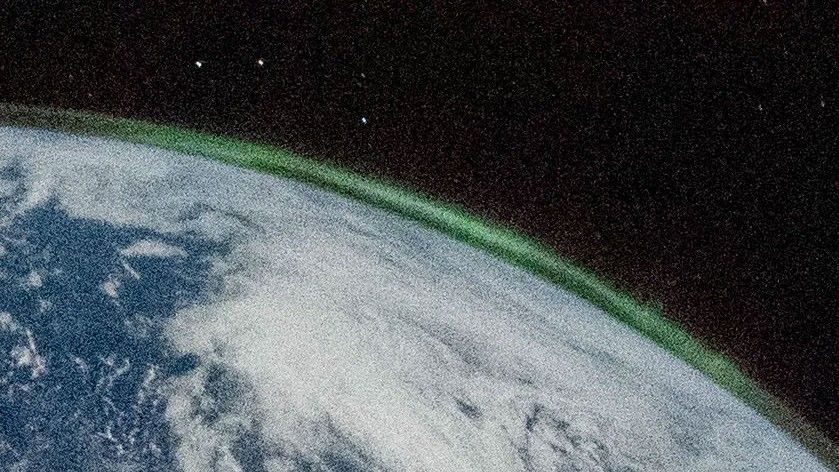
After the image was beamed down, scientists stayed up through the night poring over every detail. They found active weather systems, auroras at both poles, distinct atmospheric layers, a massive Saharan dust plume drifting westward, and even a glowing cone of interplanetary dust particles, called “zodiacal light,” stretching off the bottom edge of Earth, capped by a bright spot that is Venus.
-
A closer look: Lightning
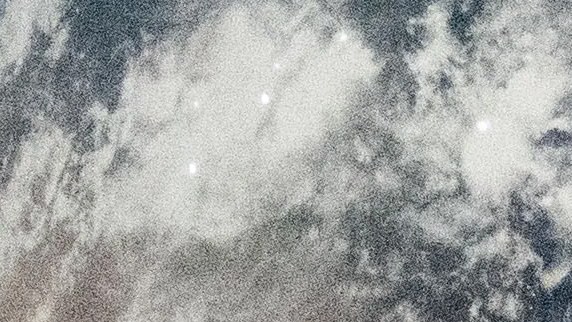
In this zoomed-in detail image, lightning flashes over the Congo basin in central Africa.
-
A closer look: City lights
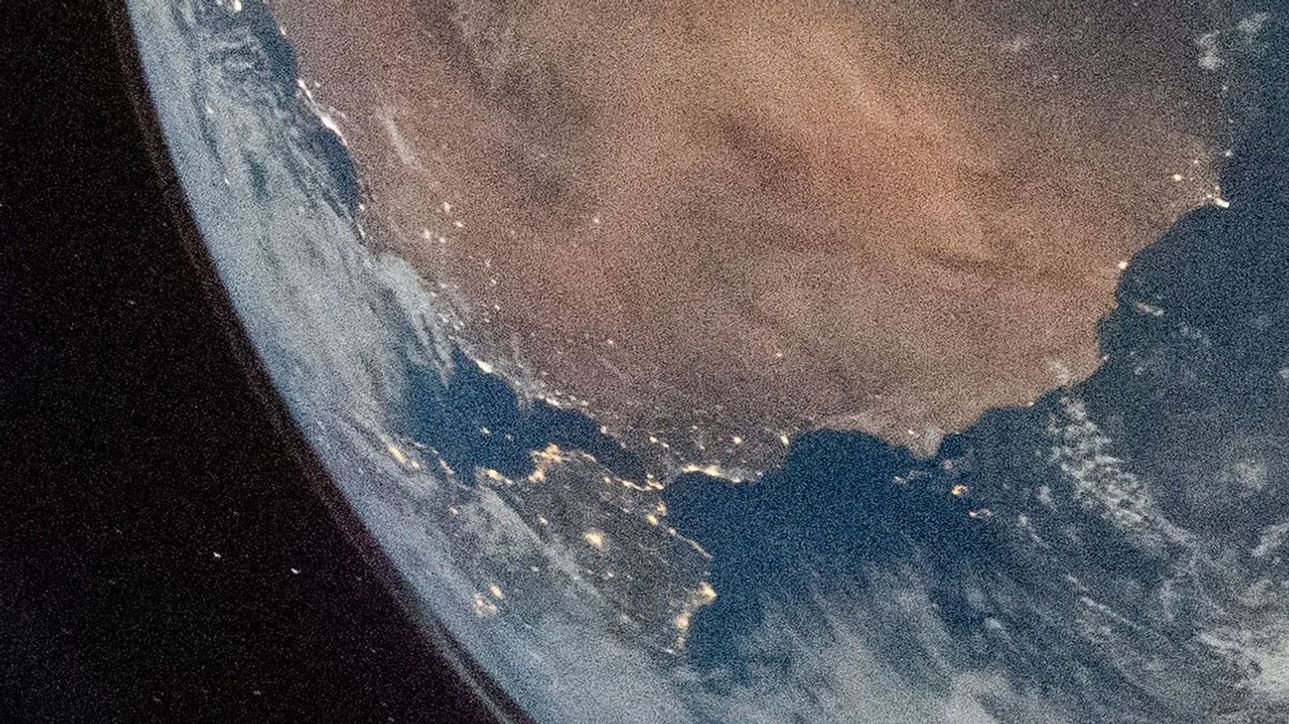
Signs of human activity are visible, too, in the form of city lights sparkling across northern Africa and the Iberian peninsula.
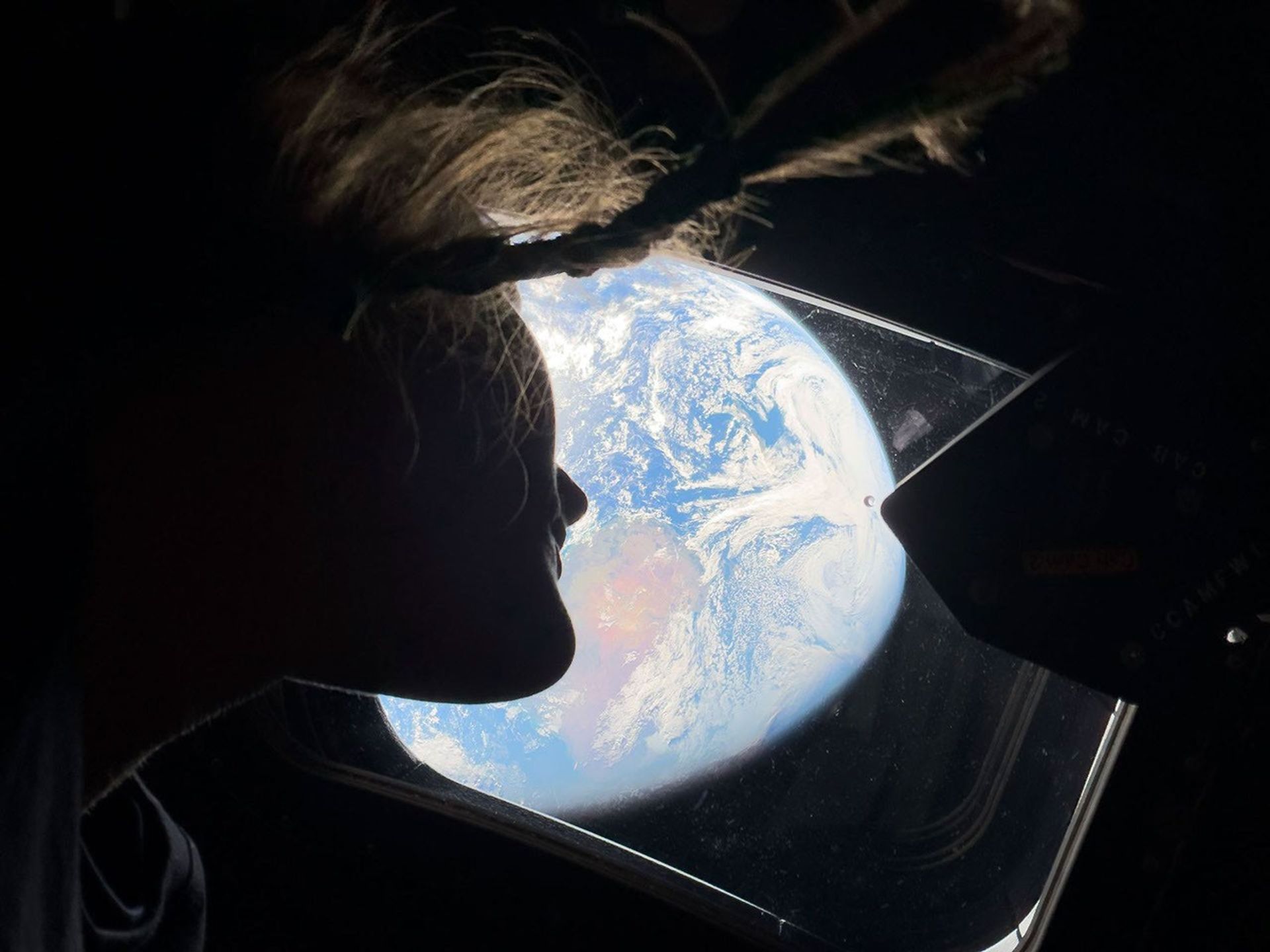
I feel like right now the Moon is a light sponge and the Earth is a light mirror. The Earth has not quite looked like the pictures. You really can’t make out the deep royal blue. It’s just a bright, bright, light blue. And then the continents are like a dark, dark bluish green. But overall, the whole thing is just like, electric blue.”
Christina Koch
NASA Astronaut, Artemis II mission specialist
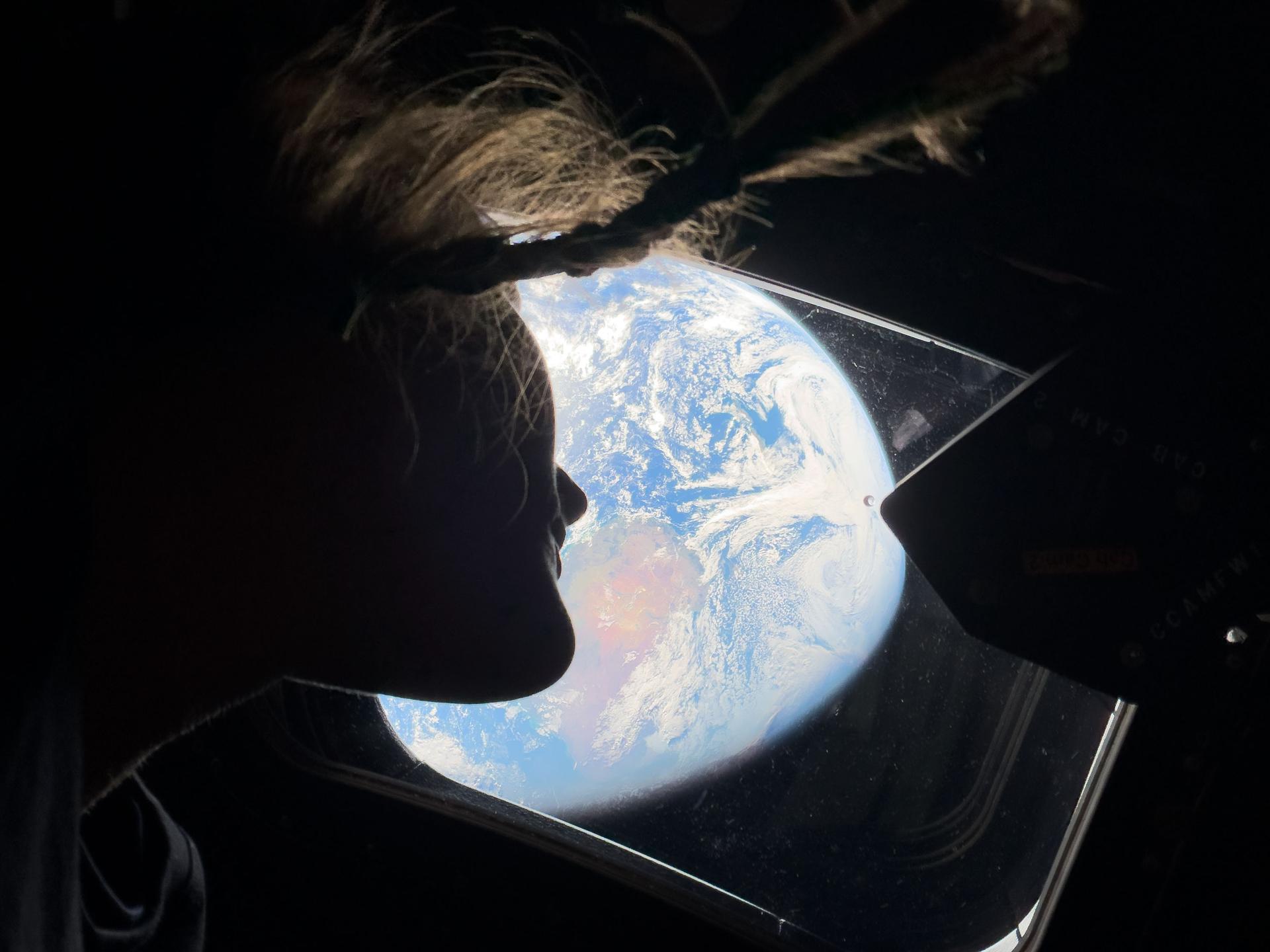
“The Earth is smiling at us!”
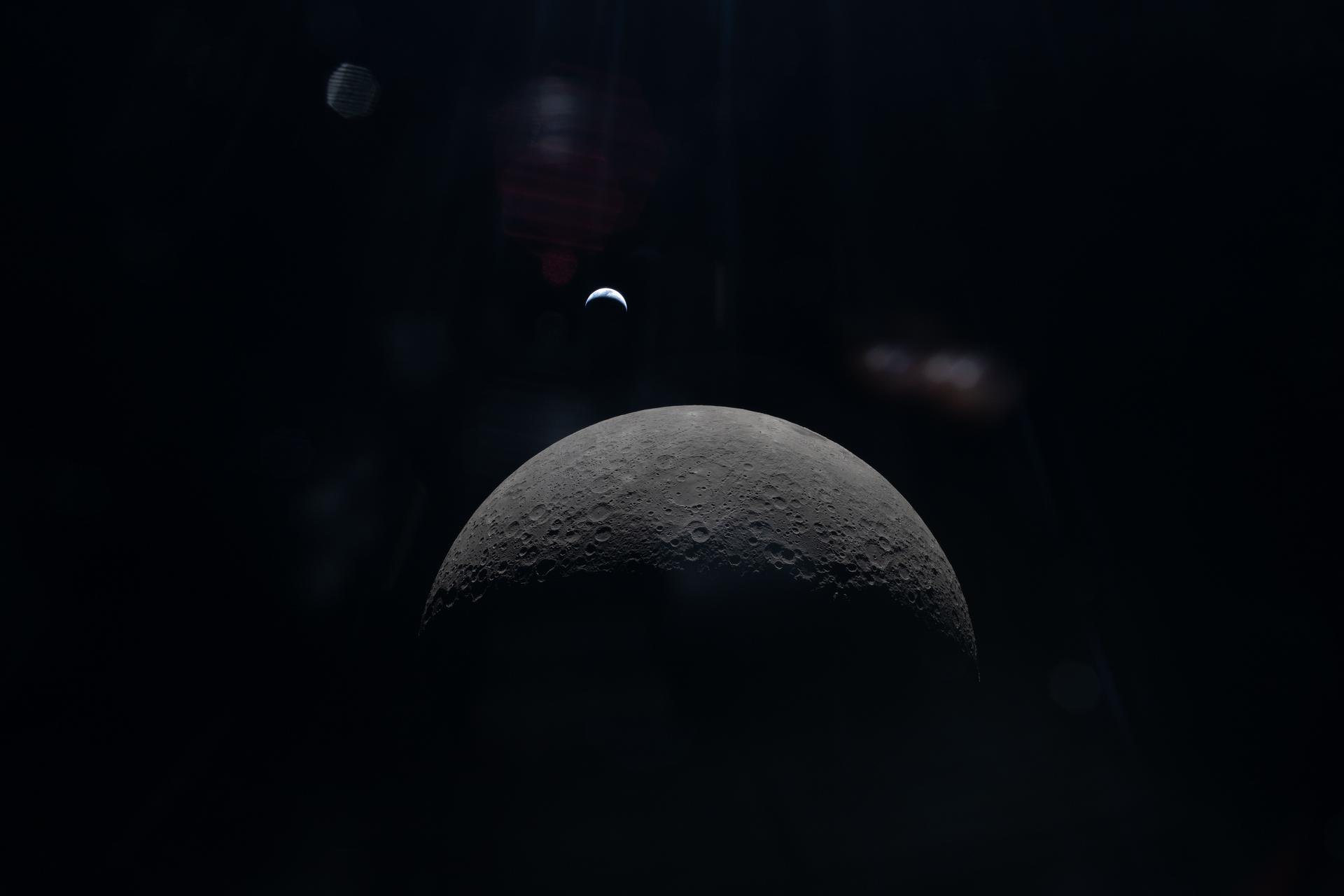
The Artemis II crew reacts joyously to the view of Earth rising from behind the Moon.
From Artemis II to What Comes Next
Chapter 6
Science is a relay race
The Artemis II crew and science team relied on decades of data collected by human and robotic explorers before them. Now, their observations add to the foundation that present and future scientists will build on as we keep learning about our solar system and preparing to explore deep space.
This data release marks the latest in a long series of handoffs.
The images, audio, annotations, and observations highlighted here represent different pieces of a larger scientific record. Connecting what an astronaut described with where the crew was looking, the images they captured, and annotations they made can provide scientists with context that no single piece of data provides on its own. Artemis II also tested how NASA integrates science into a modern crewed lunar mission. The mission put new science operations teams, facilities, training approaches, and flight controller roles into practice while testing how astronauts and scientists on Earth could work together during a lunar mission. Those experiences provide a foundation for future Artemis missions, when astronauts will take on increasingly complex scientific roles and eventually conduct science directly on the lunar surface. The science of Artemis II continues on Earth, where researchers can build on what the crew observed during their journey around the Moon. What scientists ultimately discover in the data — along with what NASA learned about conducting science with humans in deep space — will help shape science on future Artemis missions.
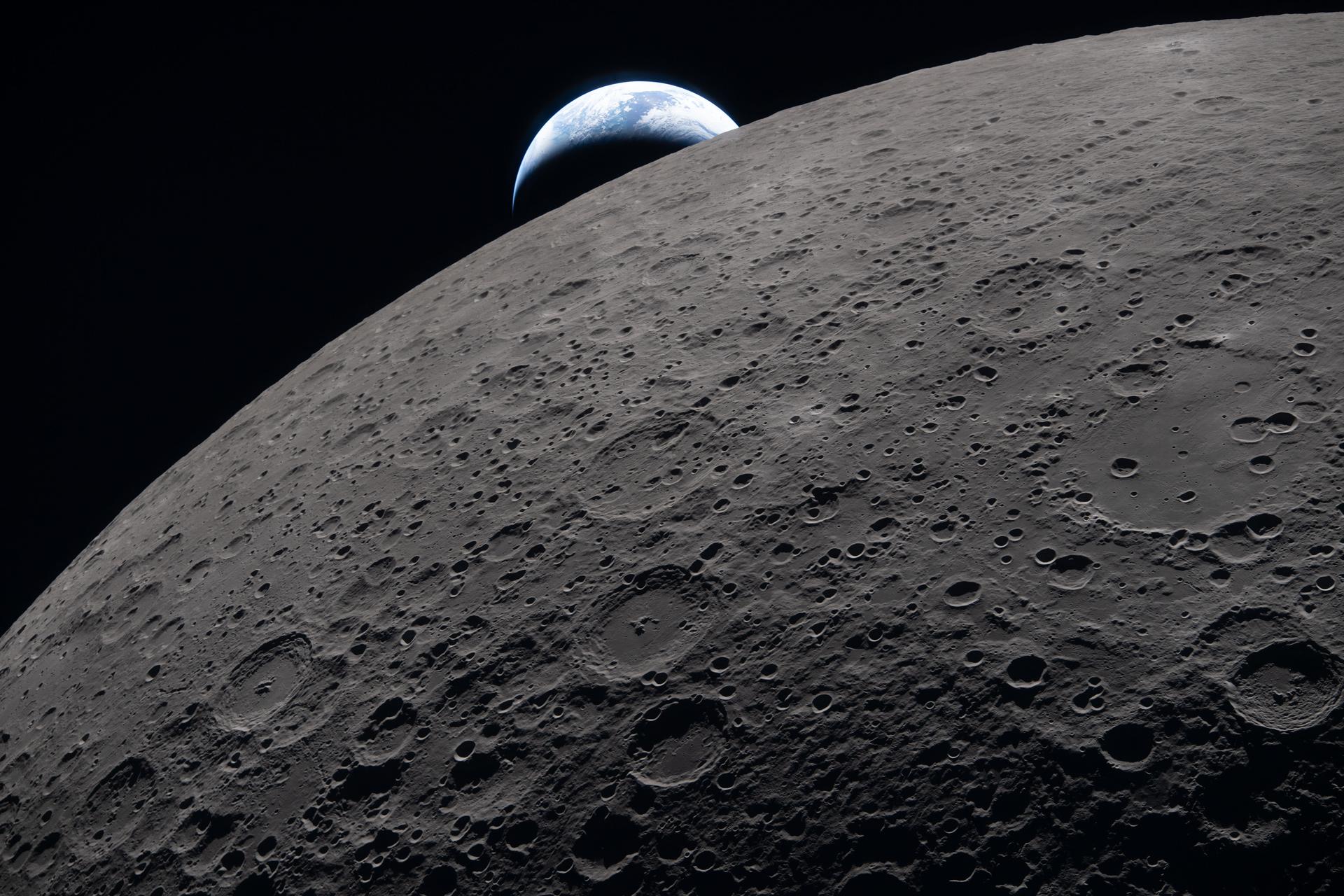
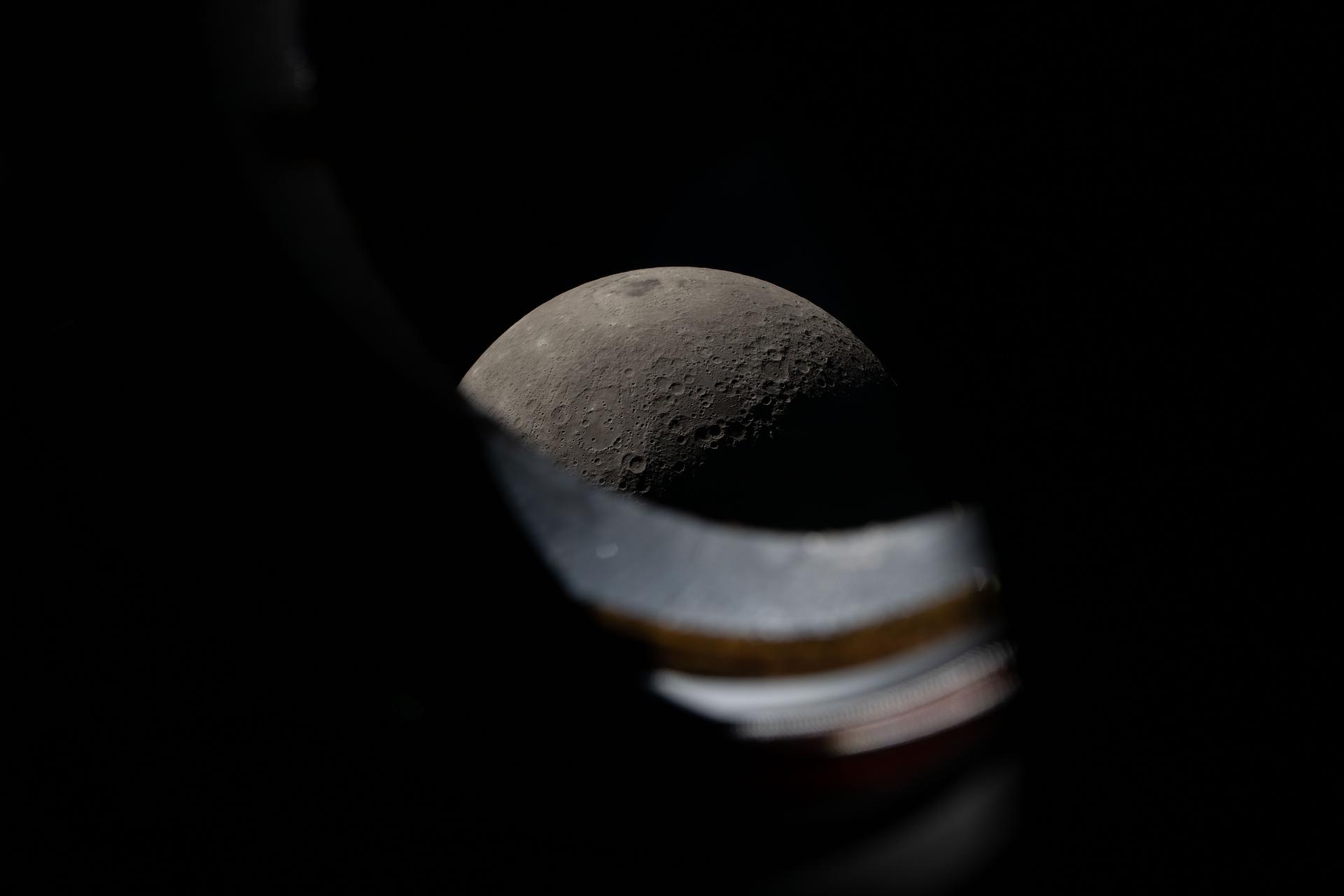
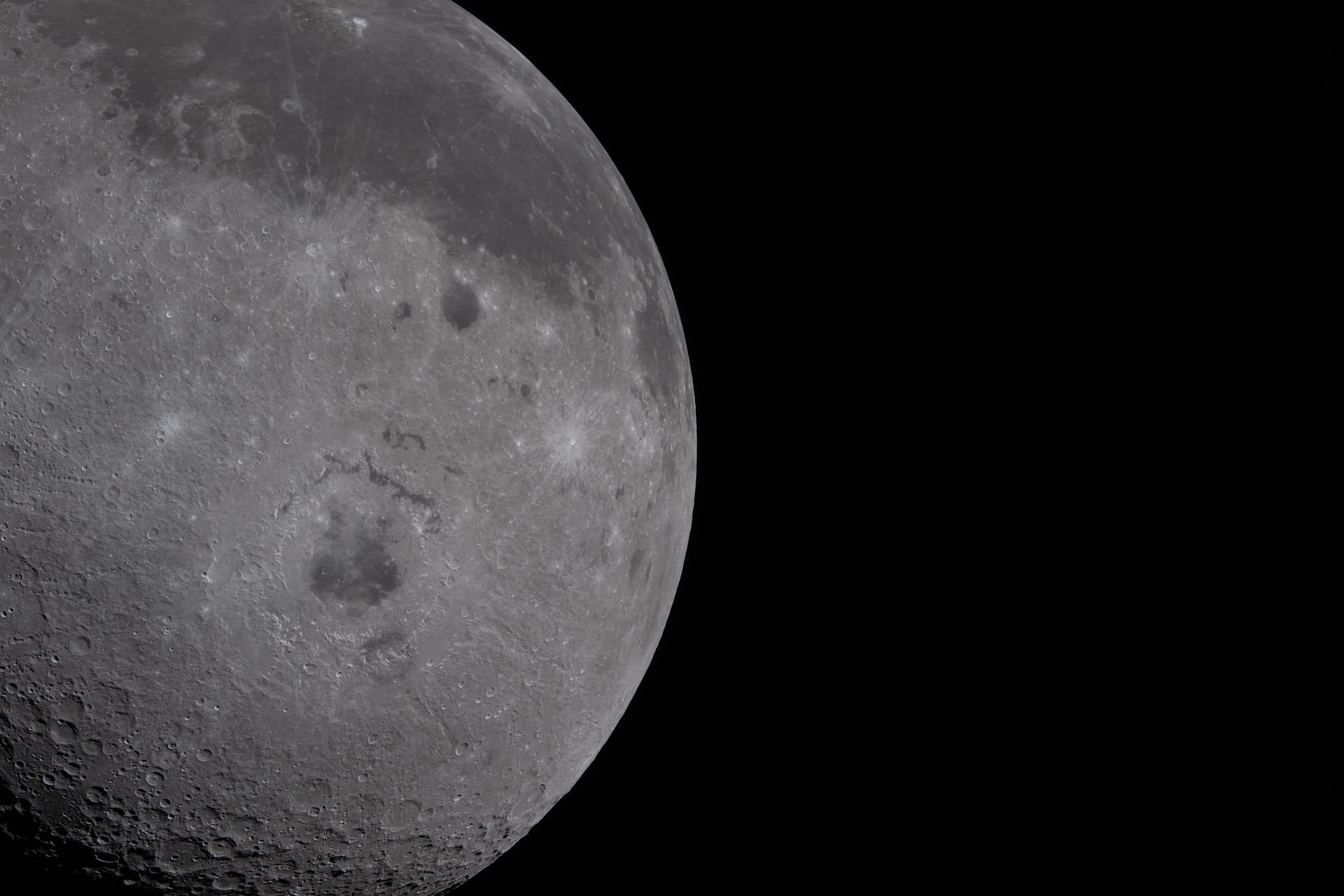
More audio & images from the mission
-
Editor’s notes
Crew audio on this page has been edited lightly for length and clarity. For unedited audio files, please visit the Artemis Audio Library. 508-compliant versions of the full-length report documents are in work and will be released as soon as available.