

















CALIPSO
Cloud-Aerosol Lidar and Infrared Pathfinder Satellite
Type
Launch
Target
Objective
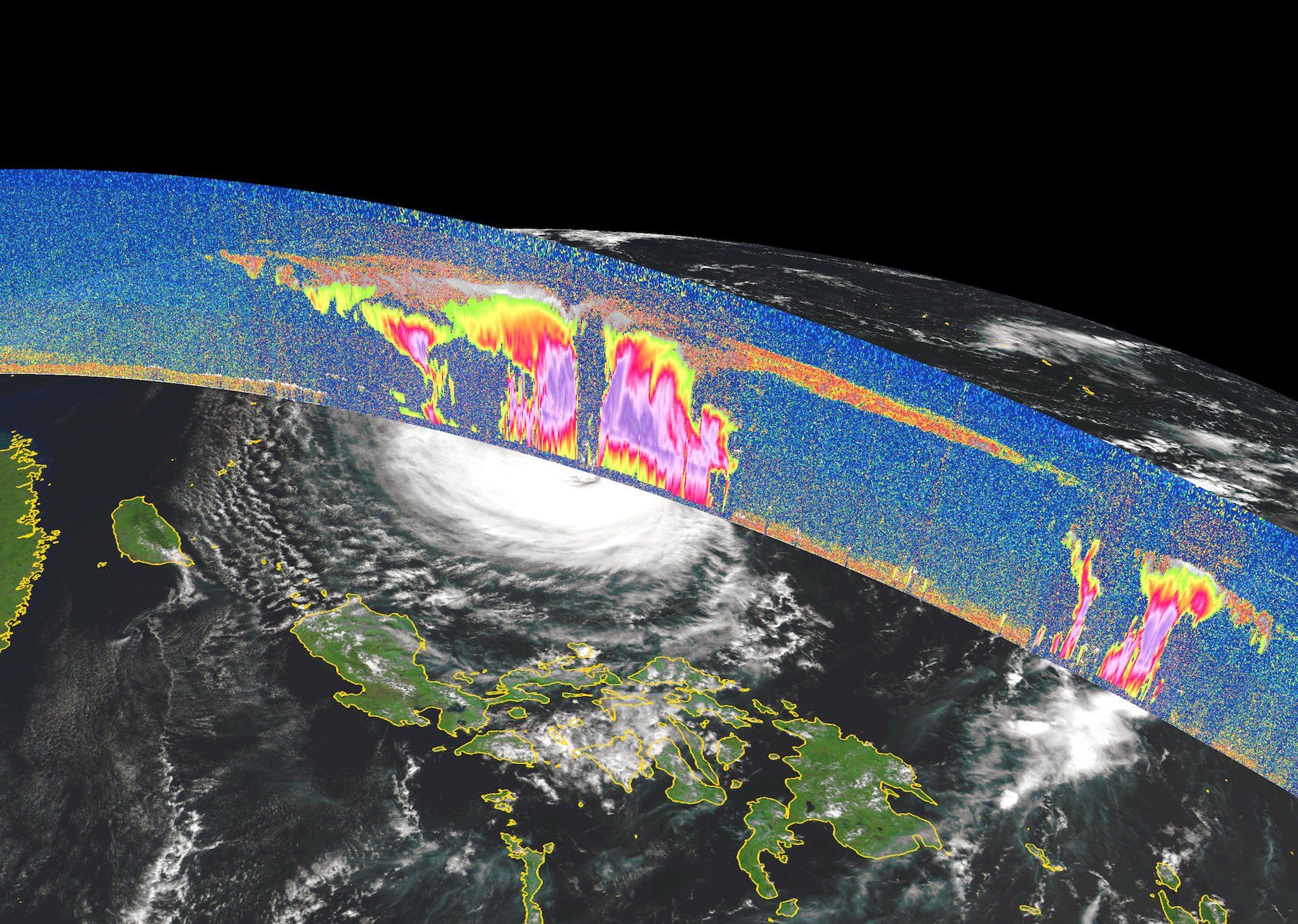
The Cloud-Aerosol Lidar and Infrared Pathfinder Satellite Observation (CALIPSO) mission was a pioneering international partnership between NASA and the French Space Agency, CNES. The mission provided valuable, first-of-their-kind vertical profile measurements of clouds and atmospheric aerosols over the globe that are needed to understand their role on climate, weather, and air quality.
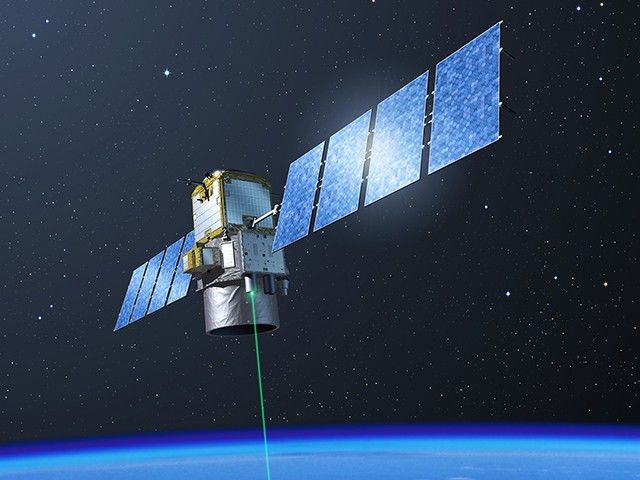
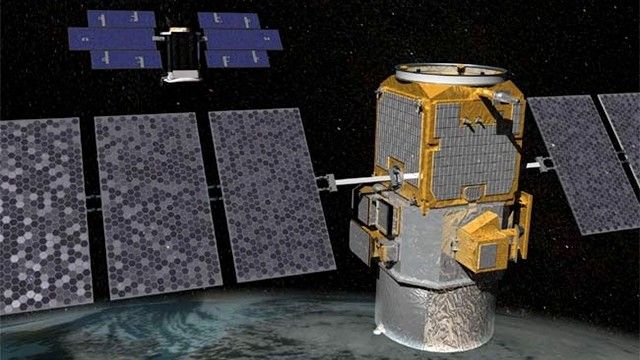
The CALIPSO mission included a sophisticated multi-wavelength backscatter lidar, an imaging infrared radiometer, and a visible imaging camera. CALIPSO was launched together with the CloudSat cloud radar mission in 2006 into orbit with other satellites known as the A-Train constellation. CALIPSO performed beyond expectations and surpassed its 3-year nominal mission with 17 years of on-orbit observations before concluding its science operations in 2023.
CALIPSO’s long-term record was crucial for helping to answer basic questions about how clouds warm or cool the Earth’s atmosphere, what fraction of clouds contain ice, water, or some combination of both phases, and what are the primary sources of natural and human-made aerosols and how are they regionally and/or globally transported.
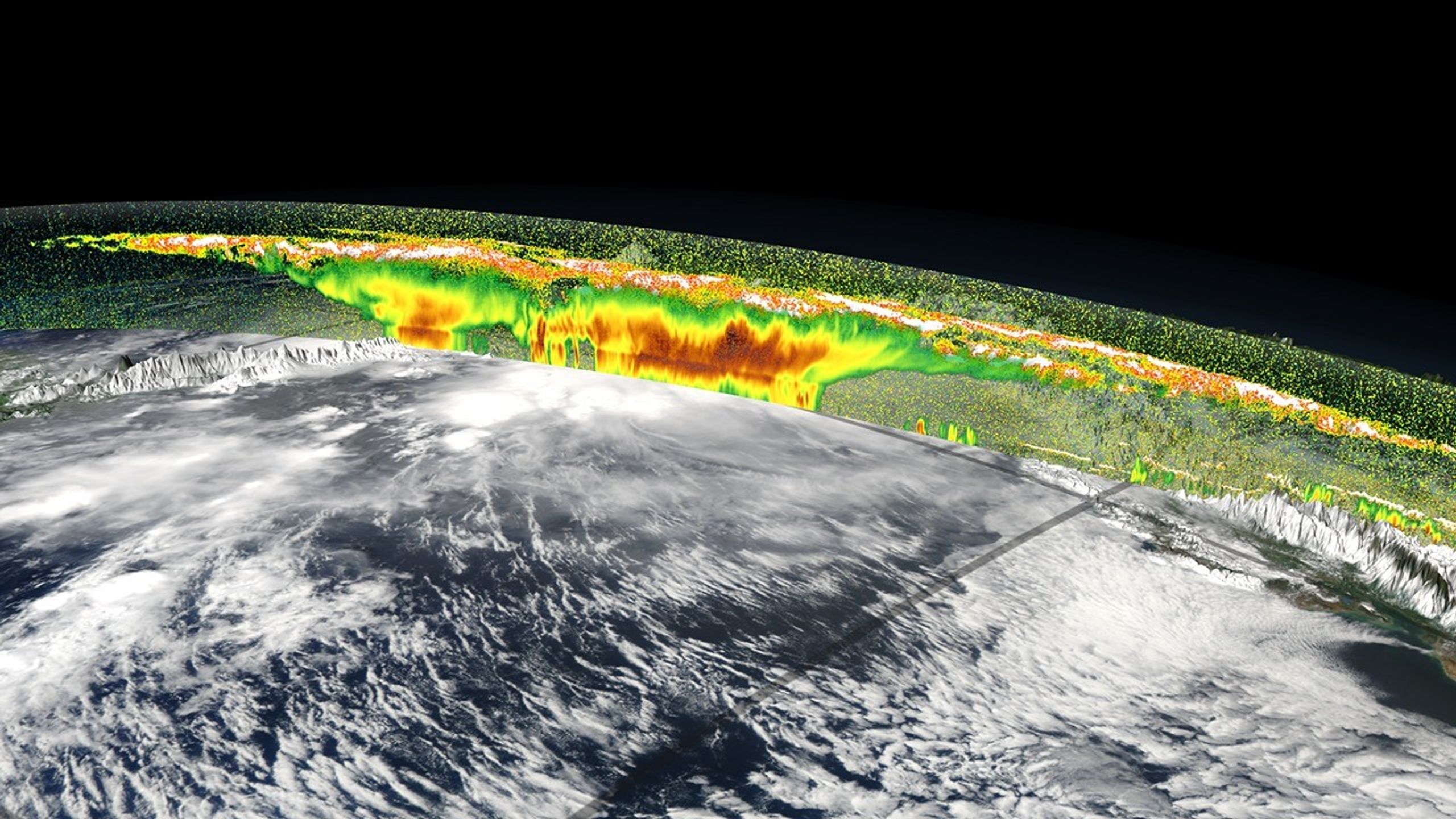
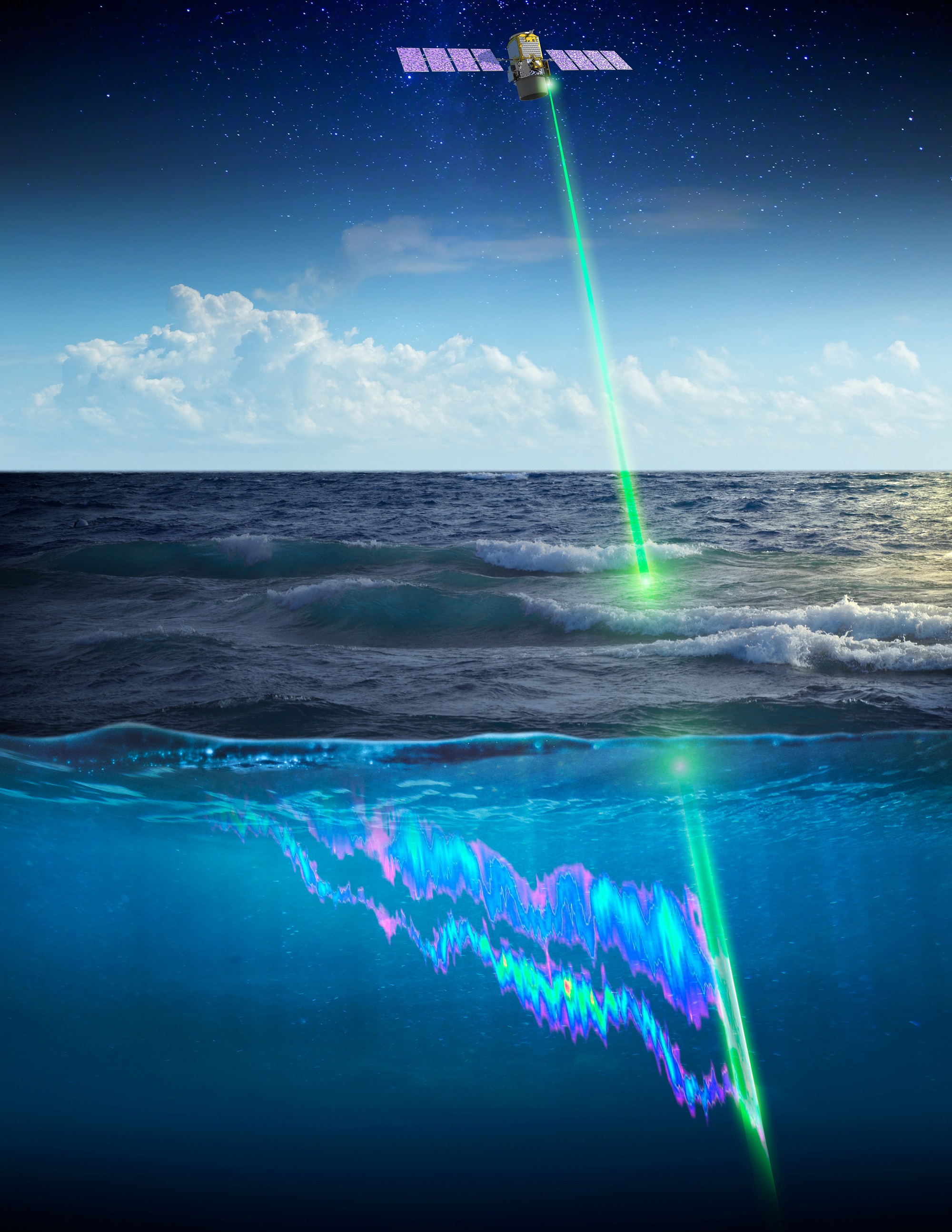
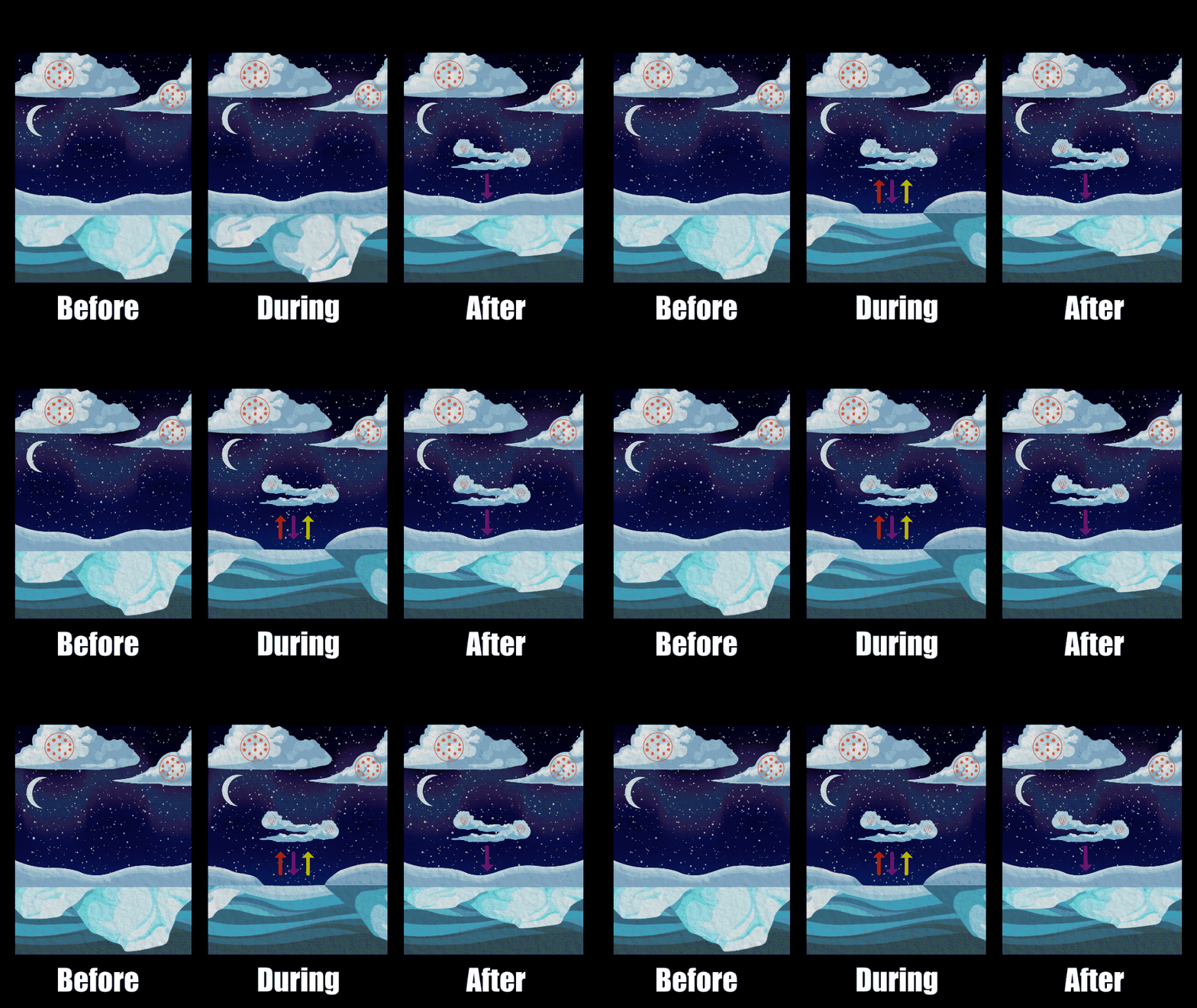
CALIPSO opened many doors of discovery that continue today. CALIPSO’s lidar observations extended and improved upon long-term records on the vertical structure and evolution of volcanic stratospheric aerosols and polar stratospheric clouds — the latter being an essential pathway for the formation of the ozone hole. In addition, new and exciting information on the marine phytoplankton distributions and their seasonal behavior was revealed from the lidar signals that penetrate the ocean surface. New techniques for estimating snow depth from space were also identified using the CALIPSO’s lidar observations.
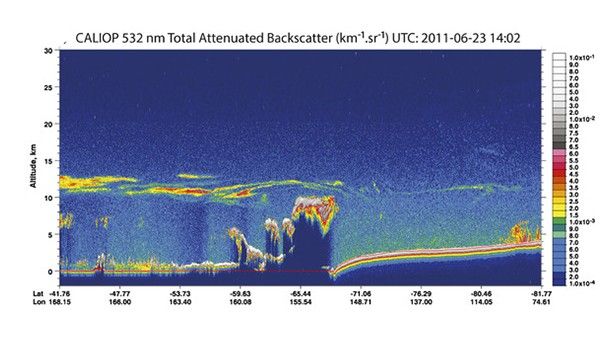
CALIPSO’s highly sensitive profile observations were highly valued by operational weather centers. These observations helped to evaluate the skill of daily forecasts and helped to improve representation of clouds in the forecast models. Moreover, CALIPSO’s observations also provided a unique reference for conventional satellite observations to assess their accuracy and seek improvements. The CALIPSO observations were further recognized as an essential resource by world aviation flight planning centers for detecting the location and altitude of hazardous volcanic plumes.

The mission also demonstrated that lasers could operate in space for long periods and that the measurement technique is stable and resilient. Lessons learned from this pioneering mission will pave the way for future space-borne lidar missions.
.png?w=576&h=808&fit=clip&crop=faces%2Cfocalpoint)
The CALIPSO data products are available via NASA’s Earthdata and Atmospheric Sciences Data Center data portals.