


















Rocket Evolution: Jupiter-C to SLS

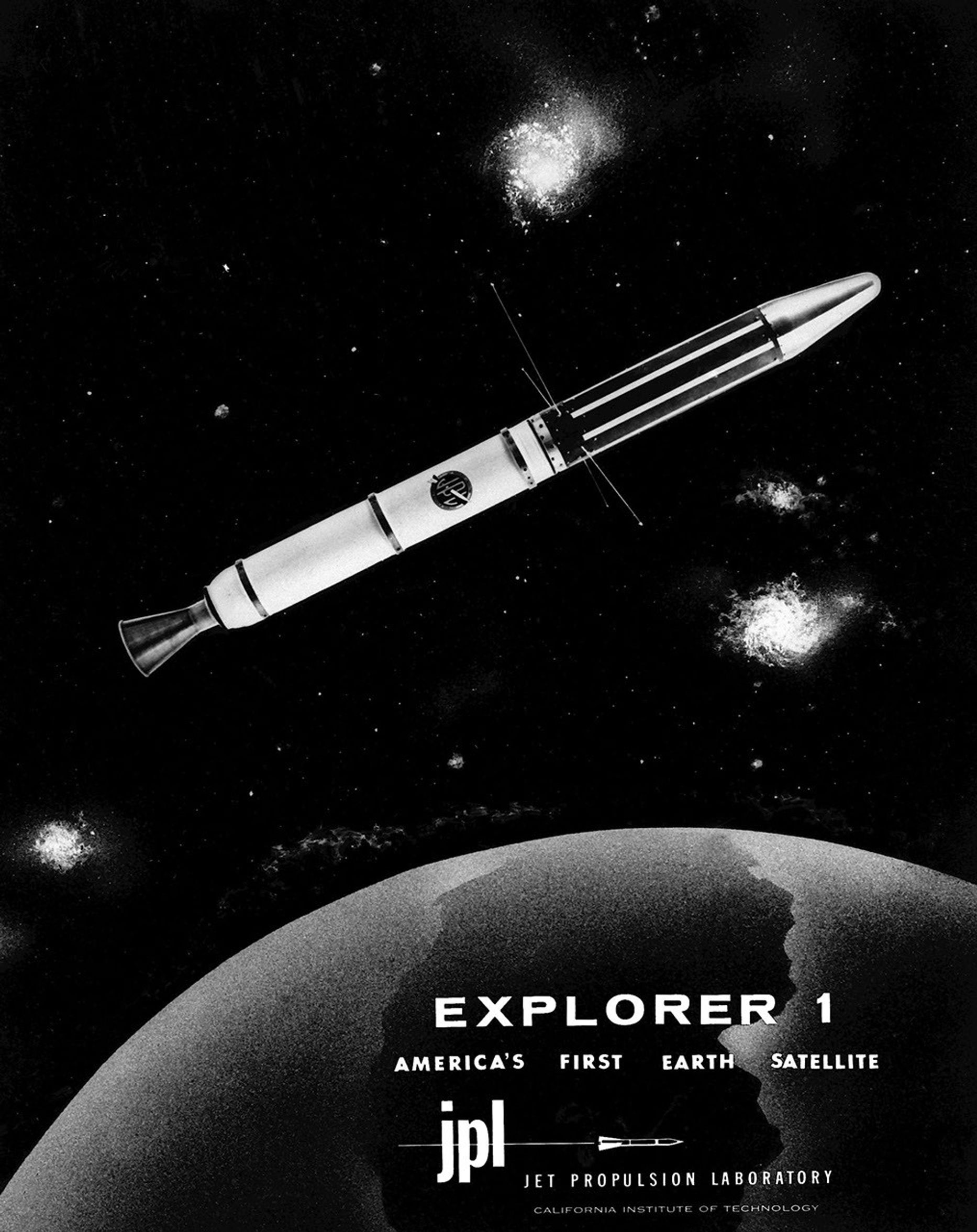
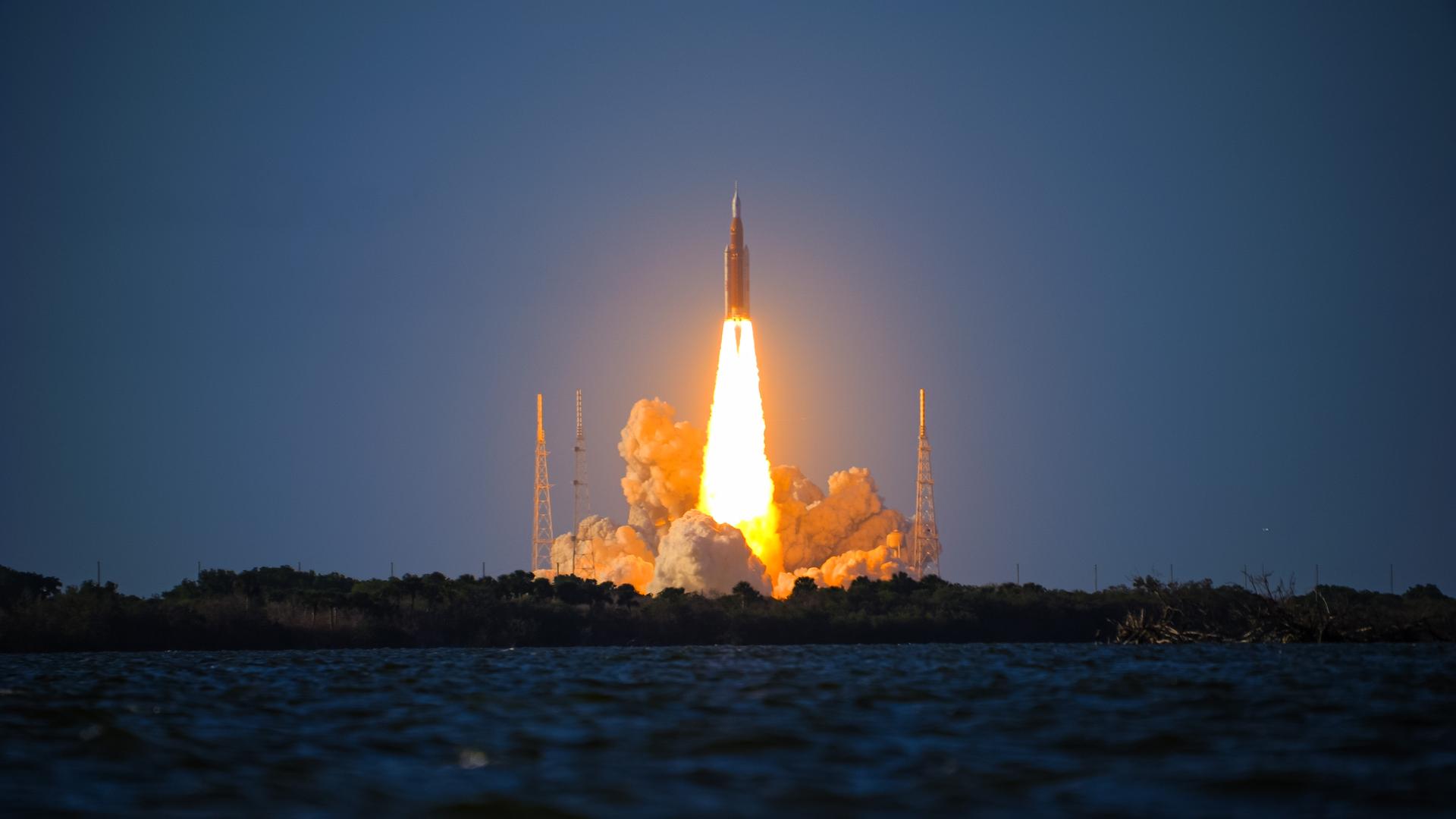
On Jan. 31, 1958, the Explorer 1 satellite launched successfully into space on a Jupiter C rocket, marking the beginning of U.S. space exploration. Set for a test launch in 2018, the SLS is an advanced, heavy-lift rocket that will provide an entirely new capability for science and human exploration beyond Earth’s orbit.
NASA
The Explorer 1 satellite was launched on a Jupiter-C rocket. With the Explorer 1 satellite, the rocket and payload were just over 71 feet tall.
Today, NASA is working to build the world’s most powerful rocket! The Space Launch System will be over 360 feet tall!
Learn more about Explorer 1 and Jupiter-C: Historical Info -- Explorer 1 and Jupiter-C
Explore the history of rocketry through the ages: A Pictorial History of Rockets
Bring the excitement of rockets to the classroom with this educator guide: Rockets Educator Guide (Grades K-12)
Use lesson plans and resources to learn about the Space Launch System: SLS in the Classroom