


















Satellite Evolution: Explorer 1 to International Space Station
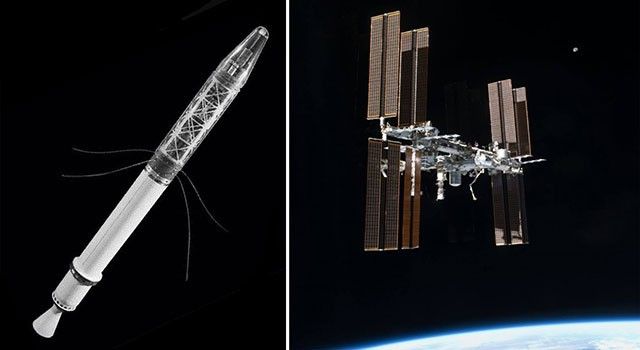
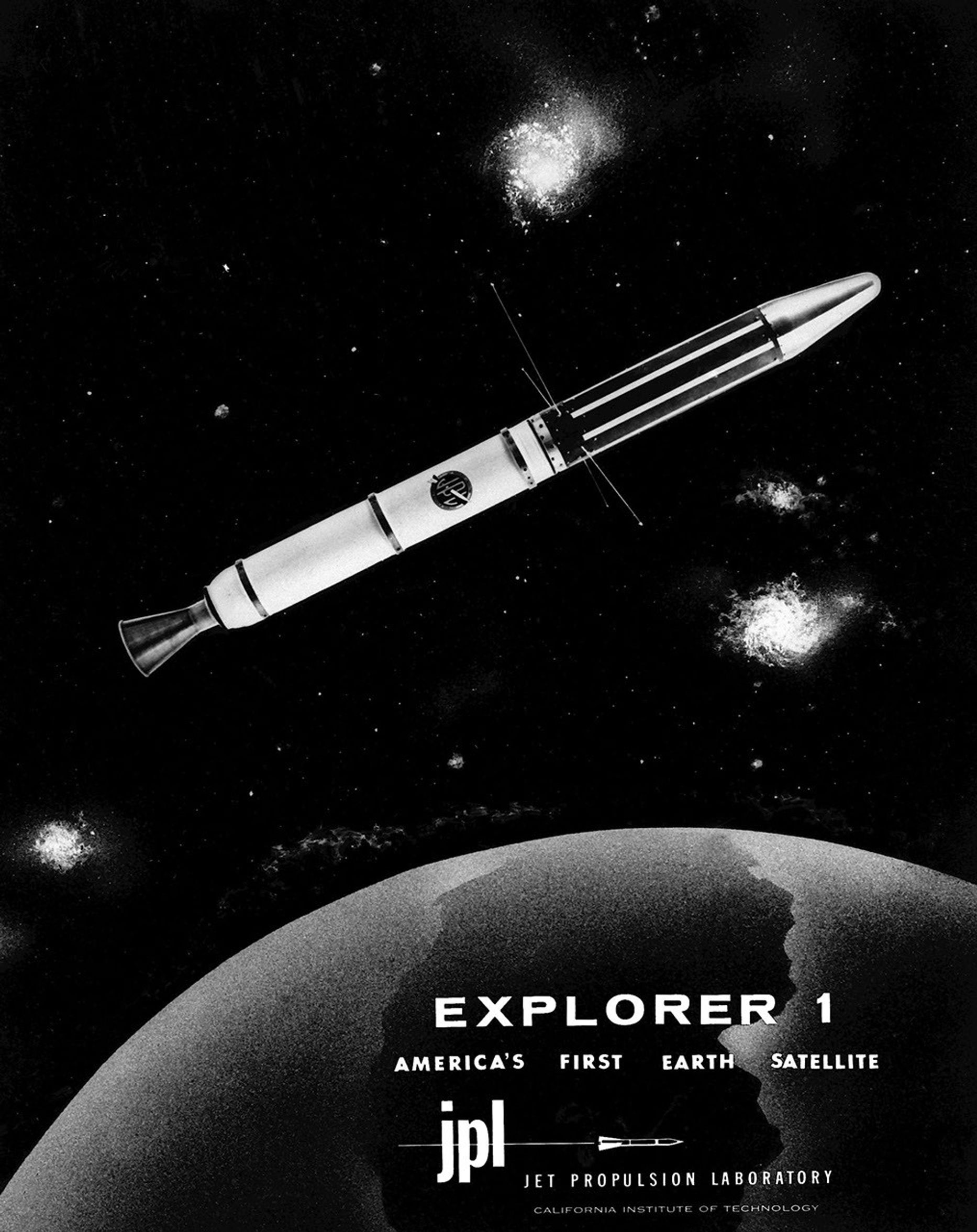
Explorer 1 was barely taller than the average man. The International Space Station is larger than a football field and is home to a six-member crew.
NASA
The Explorer 1 satellite weighed 30 pounds and was just 80 inches long.
Today, the International Space Station is one of the most complex engineering feats ever undertaken. Its mass is over 925 thousand pounds. The solar arrays span a distance of just over 239 feet, and the truss is 357 feet long. And now, humans are living in space for months at a time.
Compare/contrast Explorer 1 and the International Space Station.
What is the station? Who's on it? How can I see it in the sky?
Print Explorer 1 and the International Space Station in 3-D.
International Space Station 3-D Resources