






















Odyssey Celebrates
25 Years at Mars
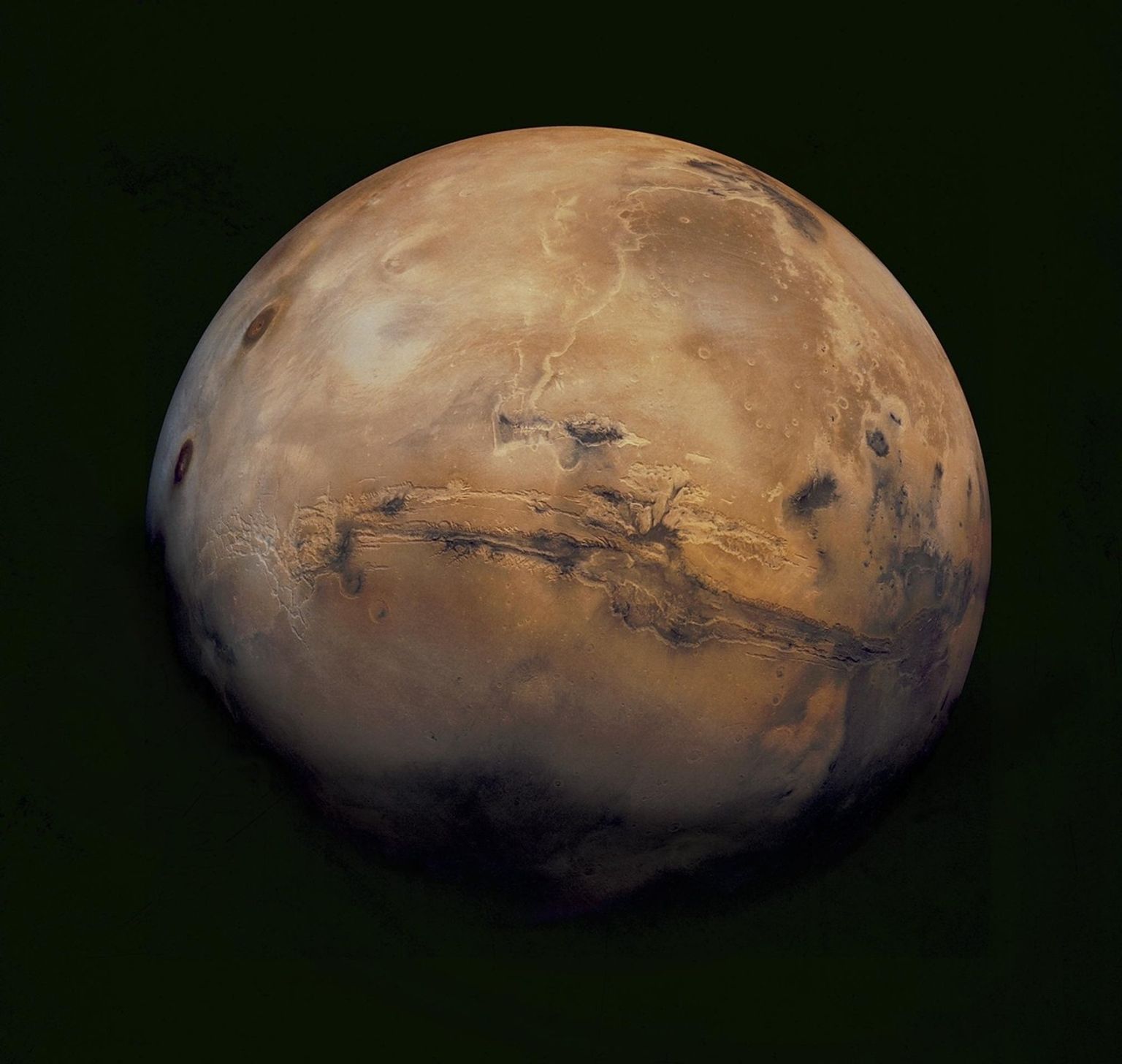
No mission has been active at Mars longer than 2001 Mars Odyssey, which launched on April 7, 2001, and arrived at the Red Planet on Oct. 24, 2001. After several months of commissioning, Odyssey began sending its first science data on Feb. 19, 2002.
The Mars Odyssey mission was the first to provide global maps showing the elemental composition of the Martian surface and how much water was present within the top 3 feet (1 meter) of the surface. Odyssey’s THEMIS camera has provided more than 1 million images that scientists use to study geologic features and identify potential landing sites. Additionally, Odyssey has been a key part of the Mars Relay Network, sending data from NASA’s rovers and landers back to Earth.
Odyssey Team Celebrates on a Global Map of Mars
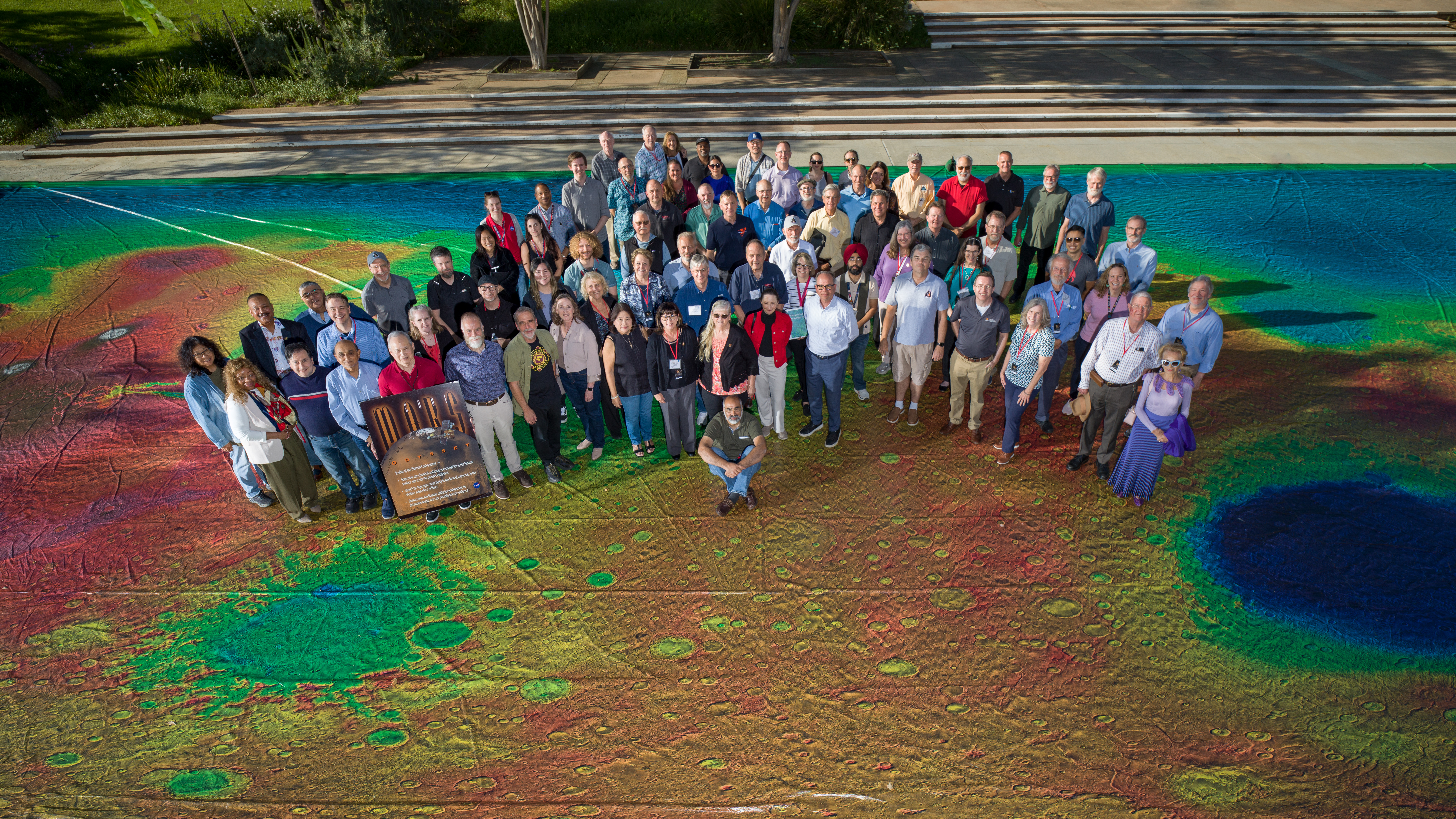

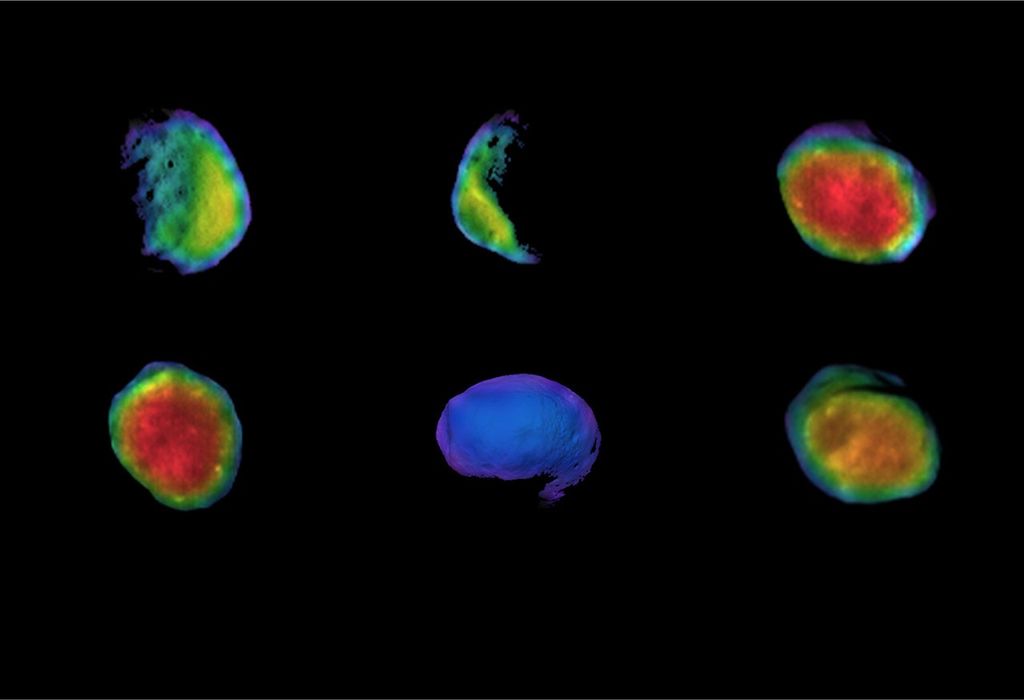
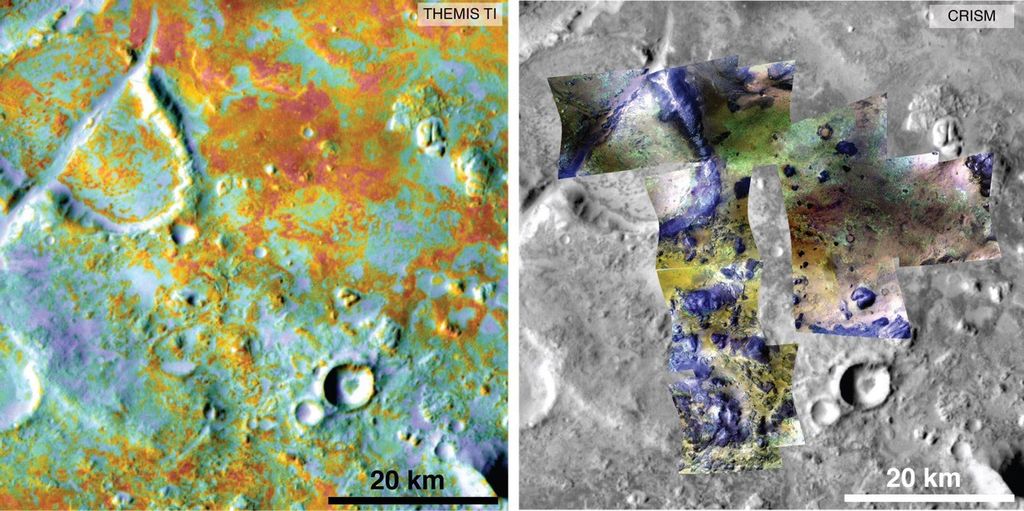
Image Gallery

The Best of Odyssey
Explore a greatest-hits collection from the more than 1 million images Odyssey has captured in its 25-year mission to the Red Planet (some of them in other colors — like this thumbnail view of a highland region of Mars, Terra Sirenum, colorized to reveal different elements in the terrain).
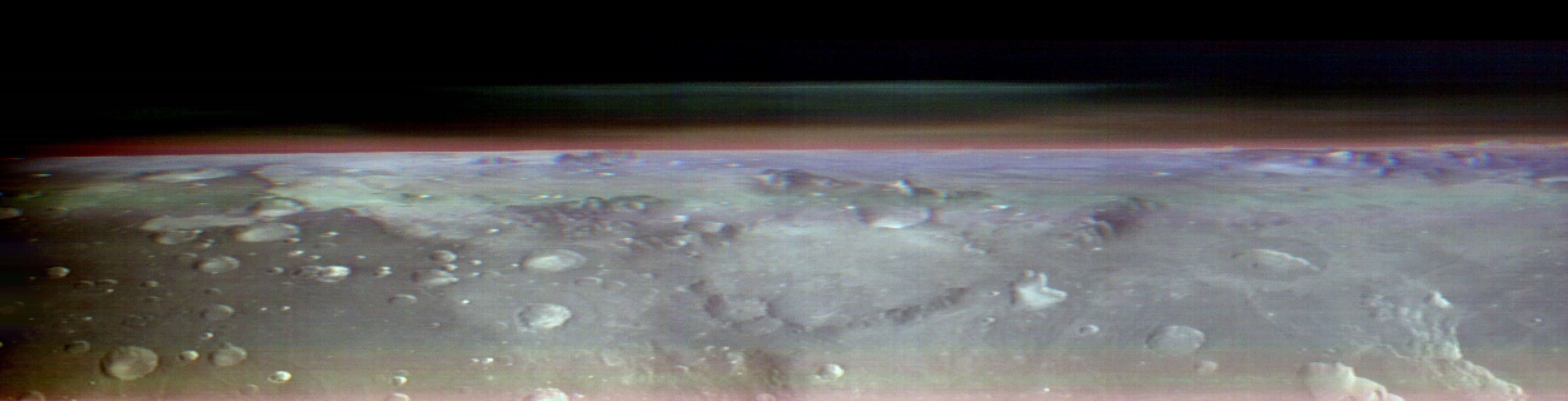
Odyssey’s THEMIS Views the Horizon of Mars
Odyssey Above the Grand Canyon of Mars