







Latest NASA Science News
Stay up-to-date with the latest news from NASA Science as we explore the universe, solar system, sun and our home planet Earth.
Filters
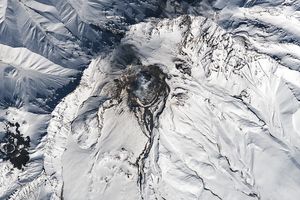
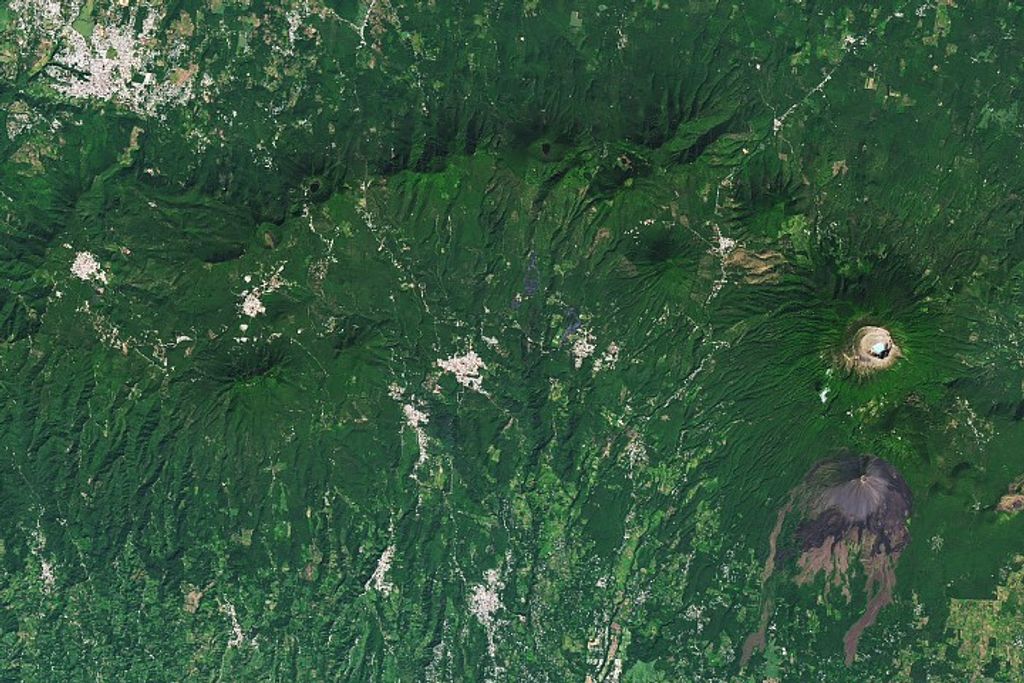
Near-constant activity continues on the volcano in Russia.
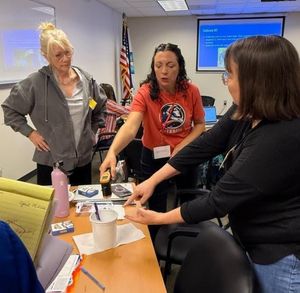
Thirty-eight science educators representing seven school districts across Virginia’s Tidewater region joined forces with community organizations, such as the Elizabeth River Project, to deepen their instructional practice through a dynamic collaboration between NASA eClips and the GLOBE (Global Learning and…
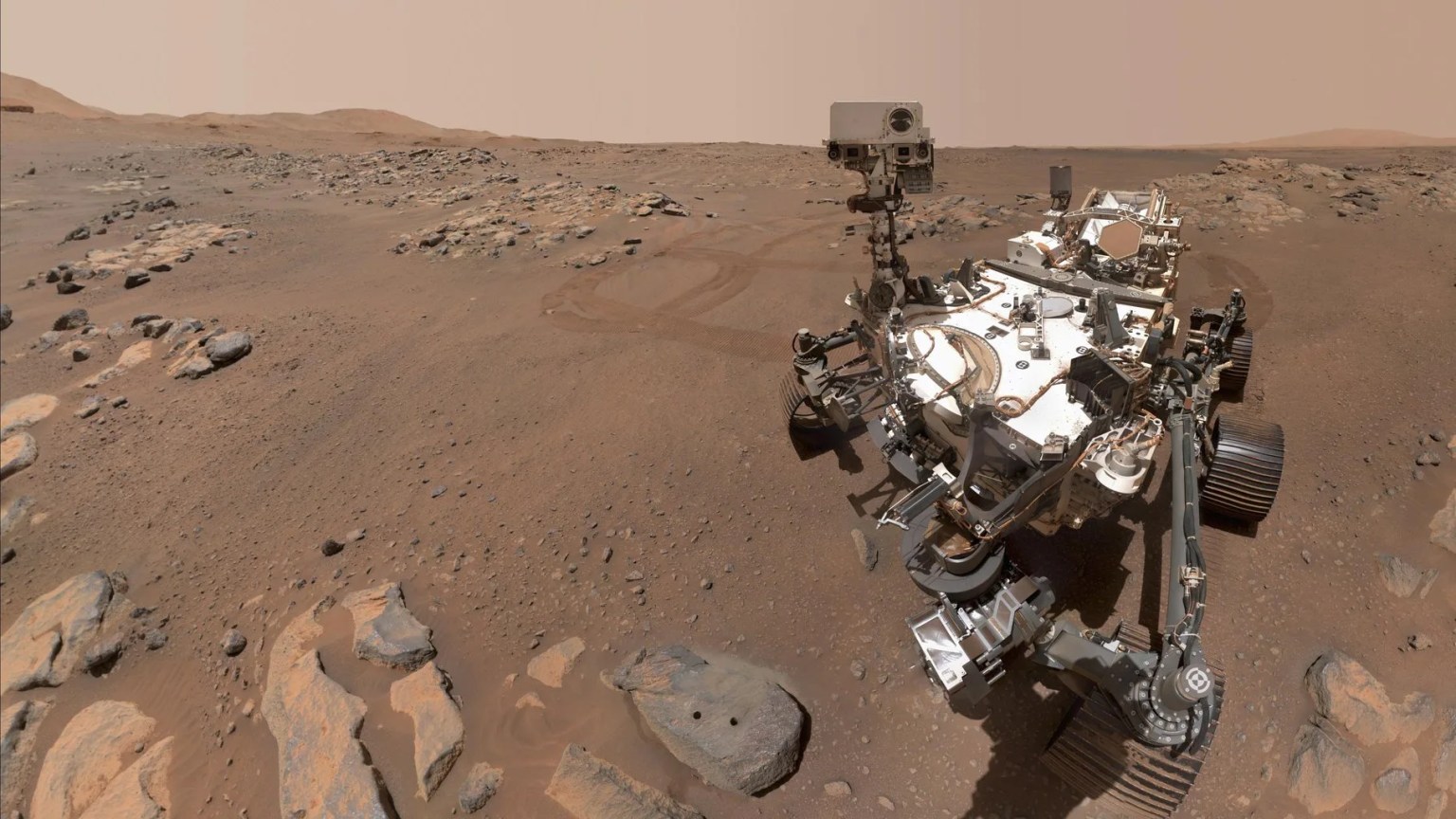
Description NASA’s Perseverance Mars rover used its Mastcam-Z camera system to capture this 360-degree panorama of a region nicknamed “Crocodile Bridge” on Jezero Crater’s rim. The panorama is made up of 980 images, 971 of which were taken on Dec.…
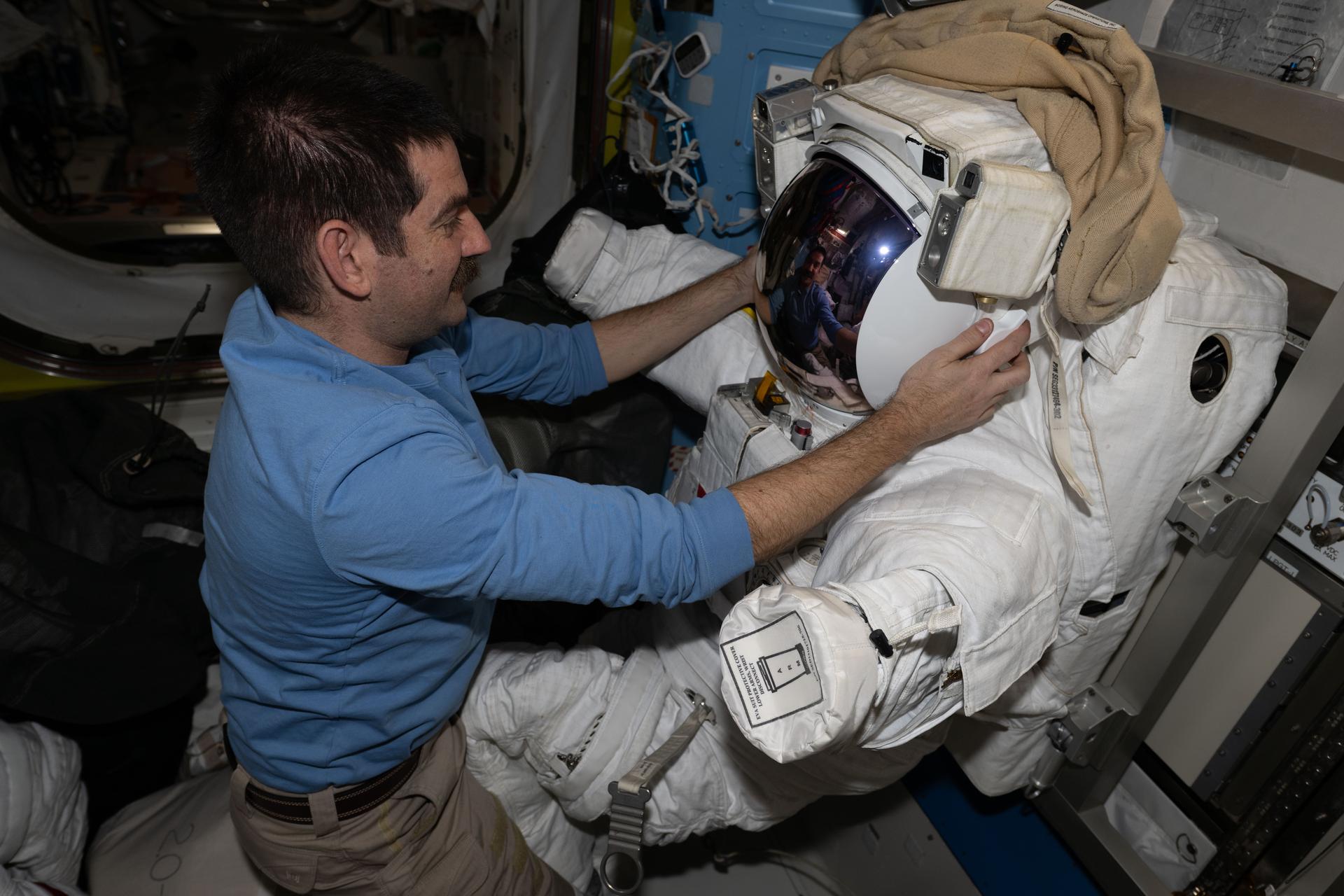
Health monitoring, spacesuit checks, and preparations for an upcoming cargo mission kept the Expedition 74 crew busy on Tuesday. The International Space Station residents rounded out the day with a variety of maintenance on science hardware and life support equipment.

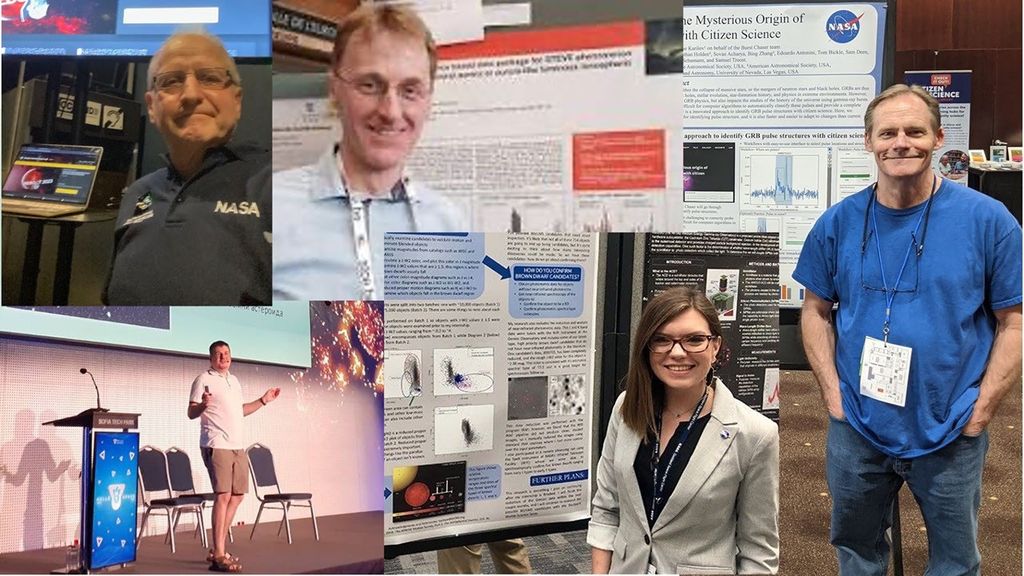
After a recent count, NASA Citizen Science is proud to report that more than 650 people who have volunteered to participate in NASA citizen science projects have co-authored peer-reviewed research papers with scientists on those project teams. These volunteers made…
Description This series of images shows NASA’s Curiosity Mars rover as it got a rock stuck to the drill on the end of its robotic arm and, after waving the arm and running the drill a few times, finally detached…
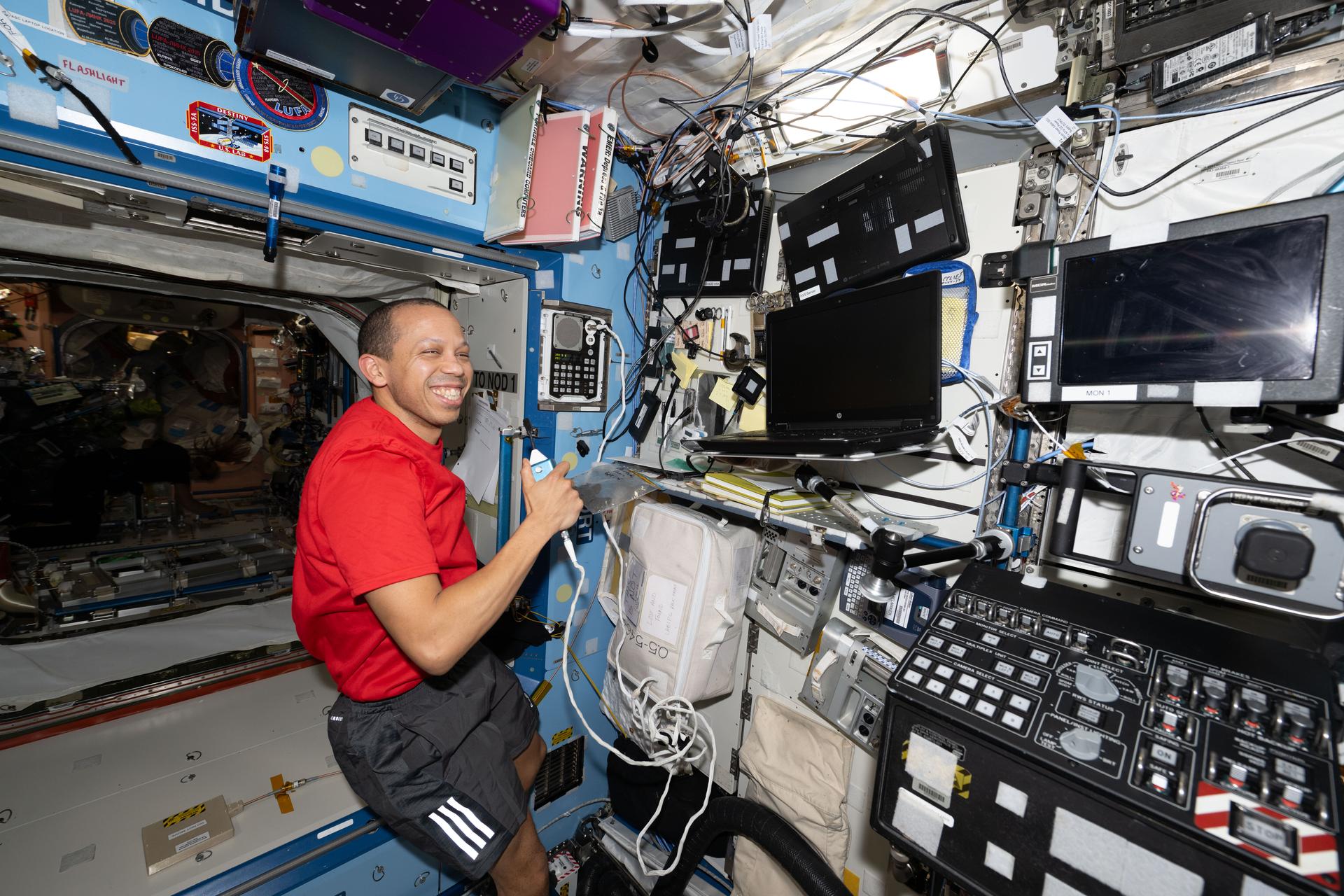
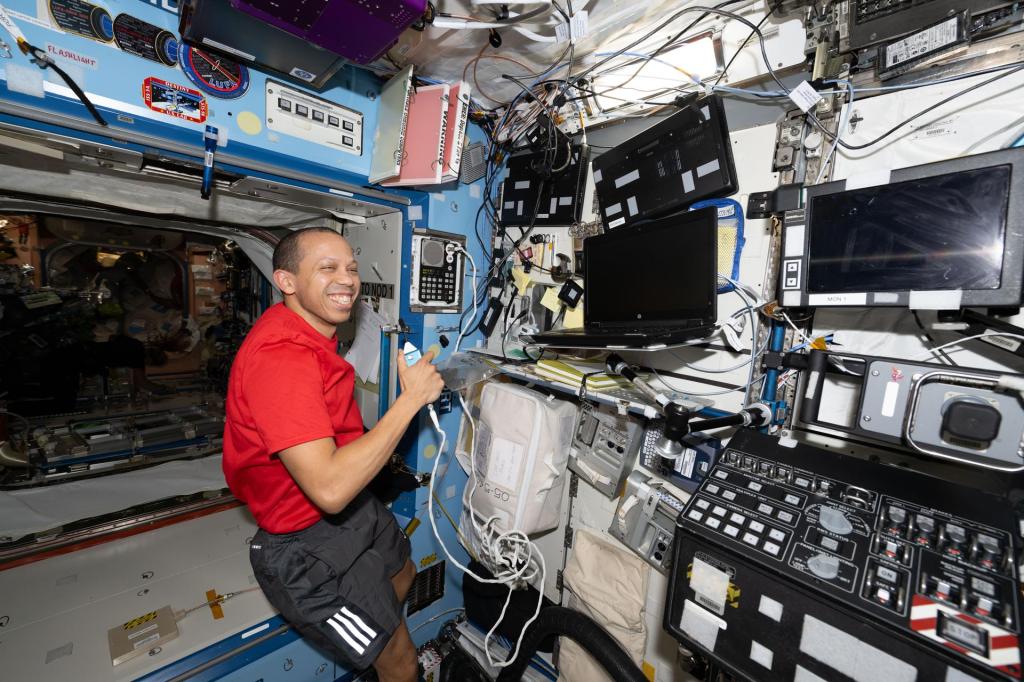
Students in Florida will hear from NASA astronaut Chris Williams as he answers prerecorded science, technology, engineering, and mathematics (STEM) questions while aboard the International Space Station. The Earth-to-space call will begin at 11 a.m. EDT Friday, May 8, and…
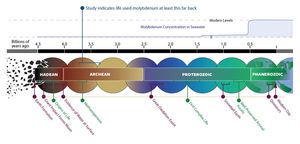
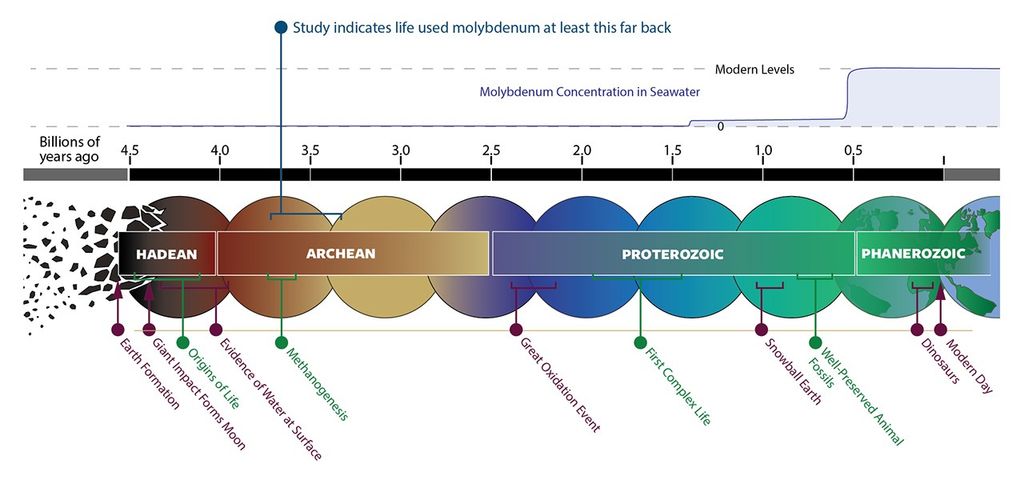
NASA-funded scientists have discovered that life on Earth over 3 billion years ago relied on the metal molybdenum, which was incredibly scarce in the environment at the time. The study, published in Nature Communications on Tuesday, is the first to…
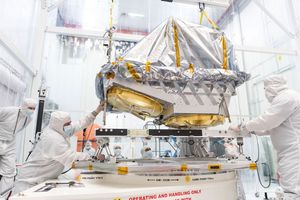
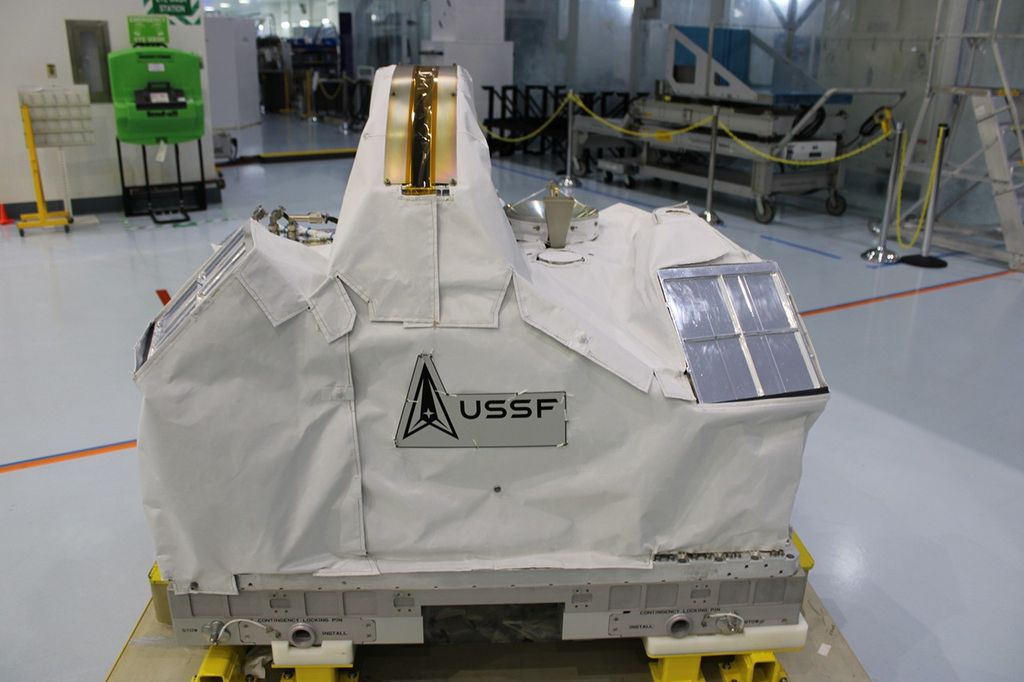
The Near-Earth Object (NEO) Surveyor — NASA’s first infrared space telescope purposely designed to discover potentially hazardous asteroids and comets — is undergoing integration and testing. With launch set for no earlier than September 2027, teams across the United States…
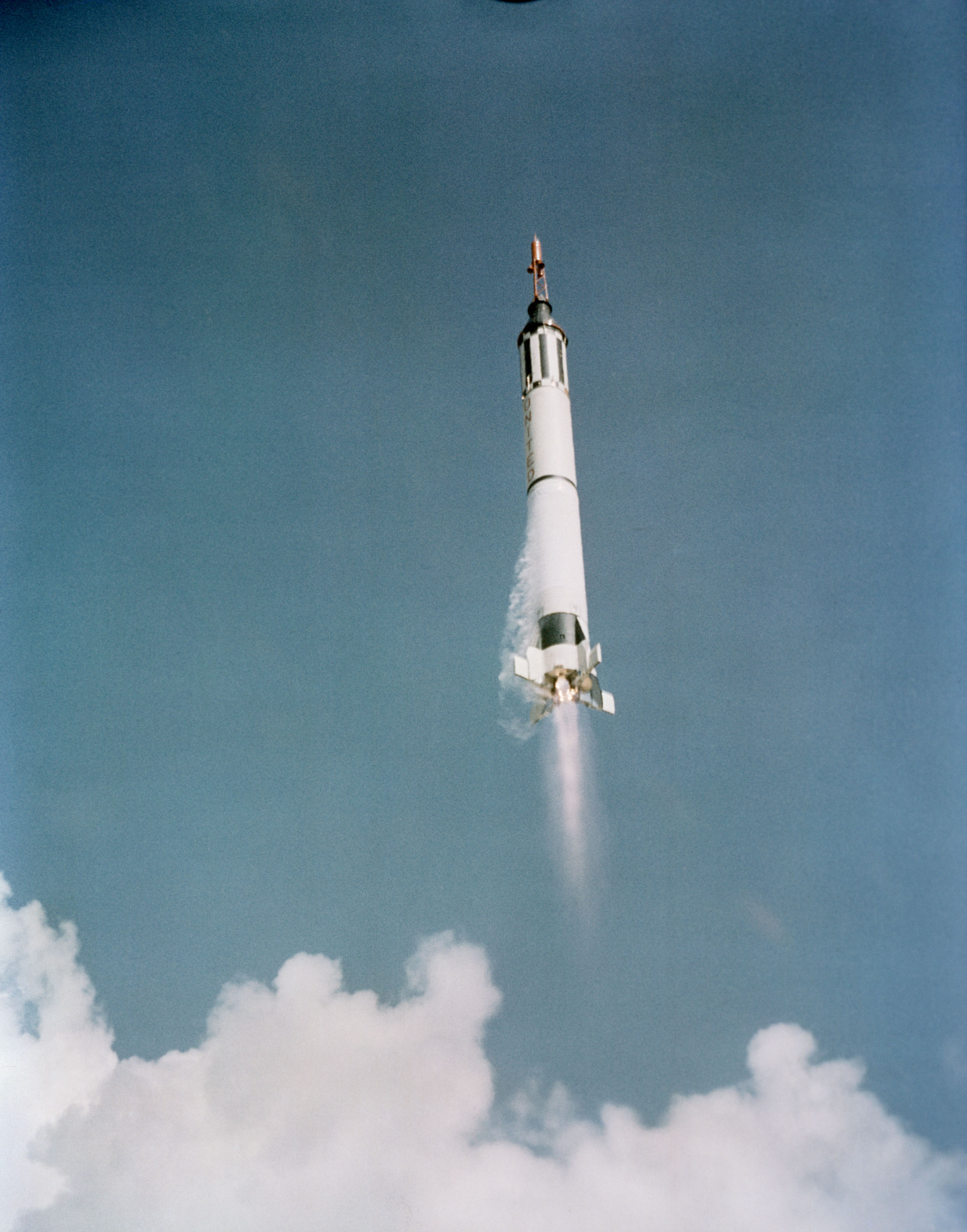
On the morning of May 5, 1961, the Mercury-Redstone 3 launch vehicle lifted into the sky from Cape Canaveral, Florida, carrying astronaut Alan B. Shepard Jr. Over the next 15 minutes, Shepard ascended to an altitude of 116 miles (187…