








Latest NASA Science News
Stay up-to-date with the latest news from NASA Science as we explore the universe, solar system, sun and our home planet Earth.
Filters
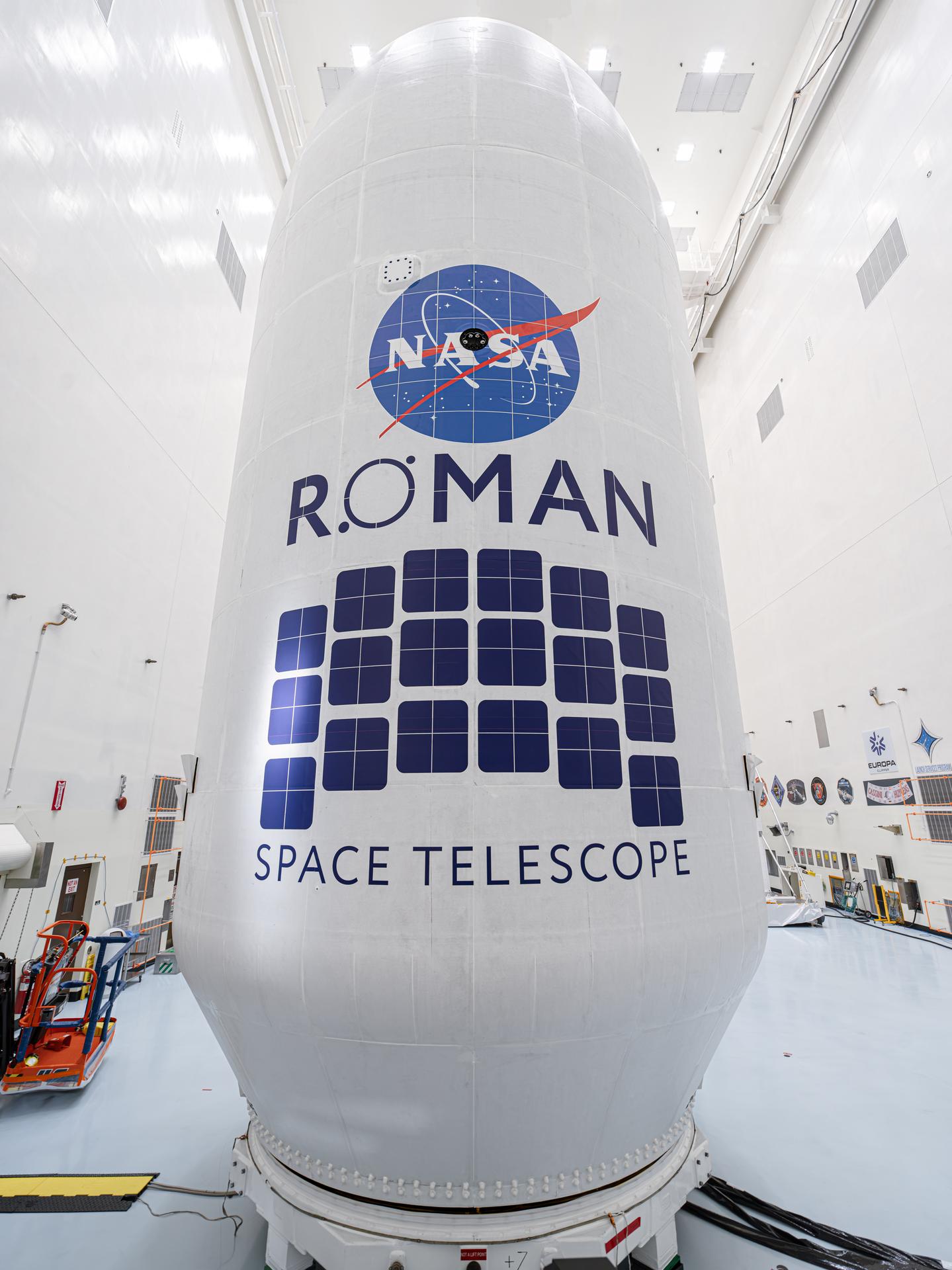
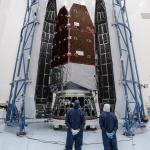
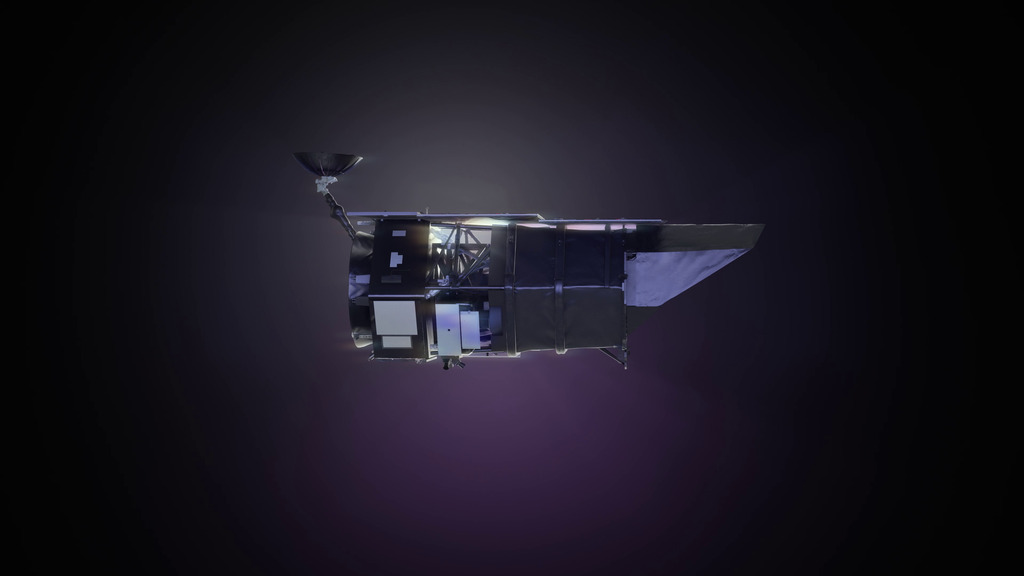
On Saturday, a SpaceX Falcon Heavy rocket carrying NASA’s Nancy Grace Roman Space Telescope rolled out from the hangar to Pad 39A at NASA’s Kennedy Space Center in Florida.
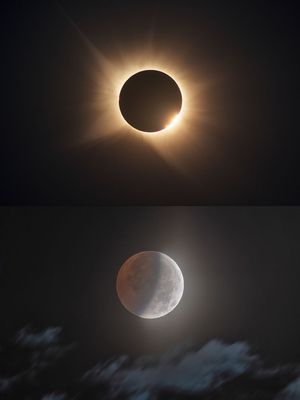
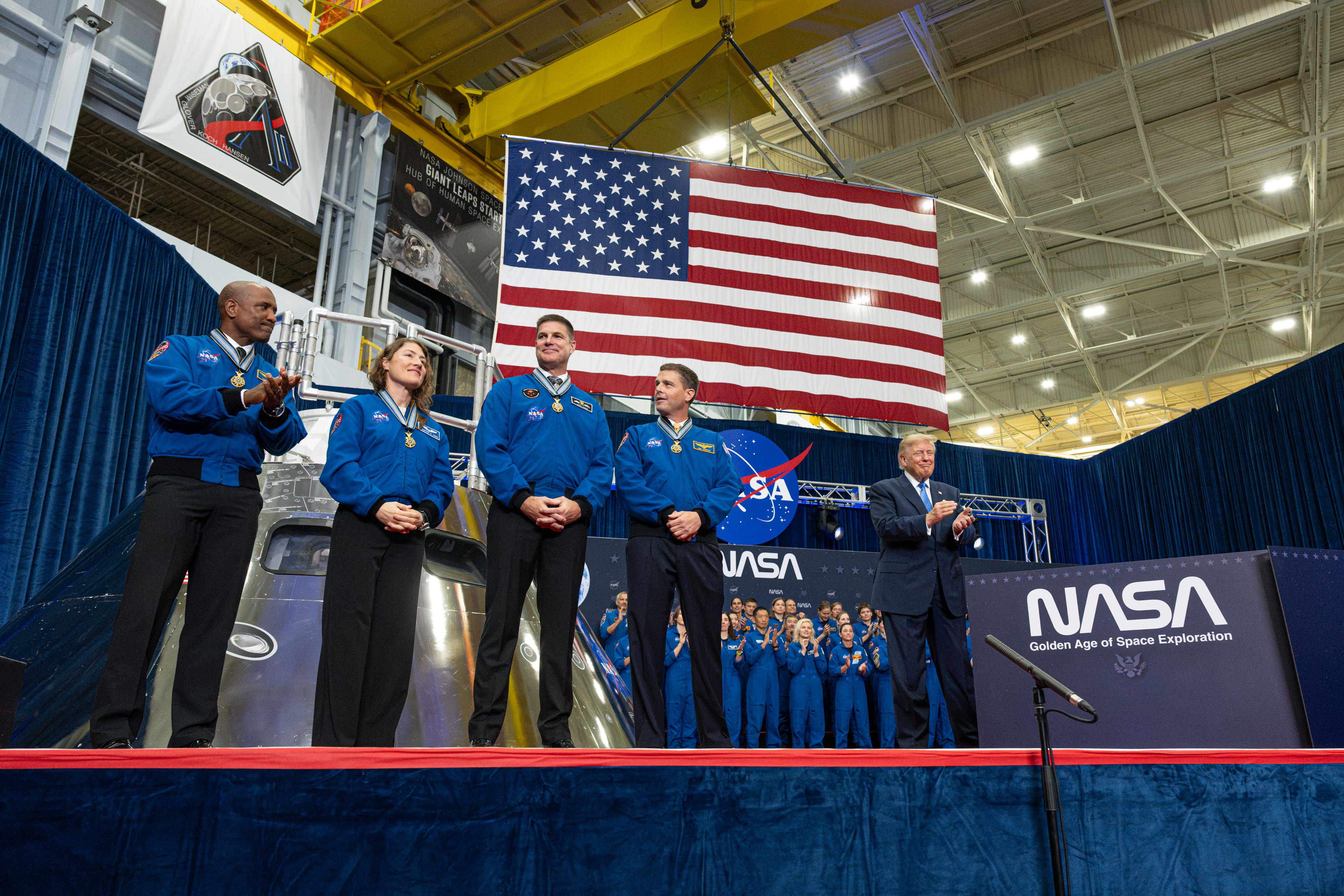
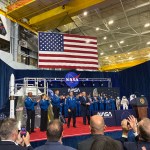
From left to right: NASA astronauts Victor Glover and Christina Koch, CSA (Canadian Space Agency) astronaut Jeremy Hansen, and NASA astronaut Reid Wiseman receive the Congressional Space Medal of Honor from President Donald J. Trump on Aug. 28, 2026, for…
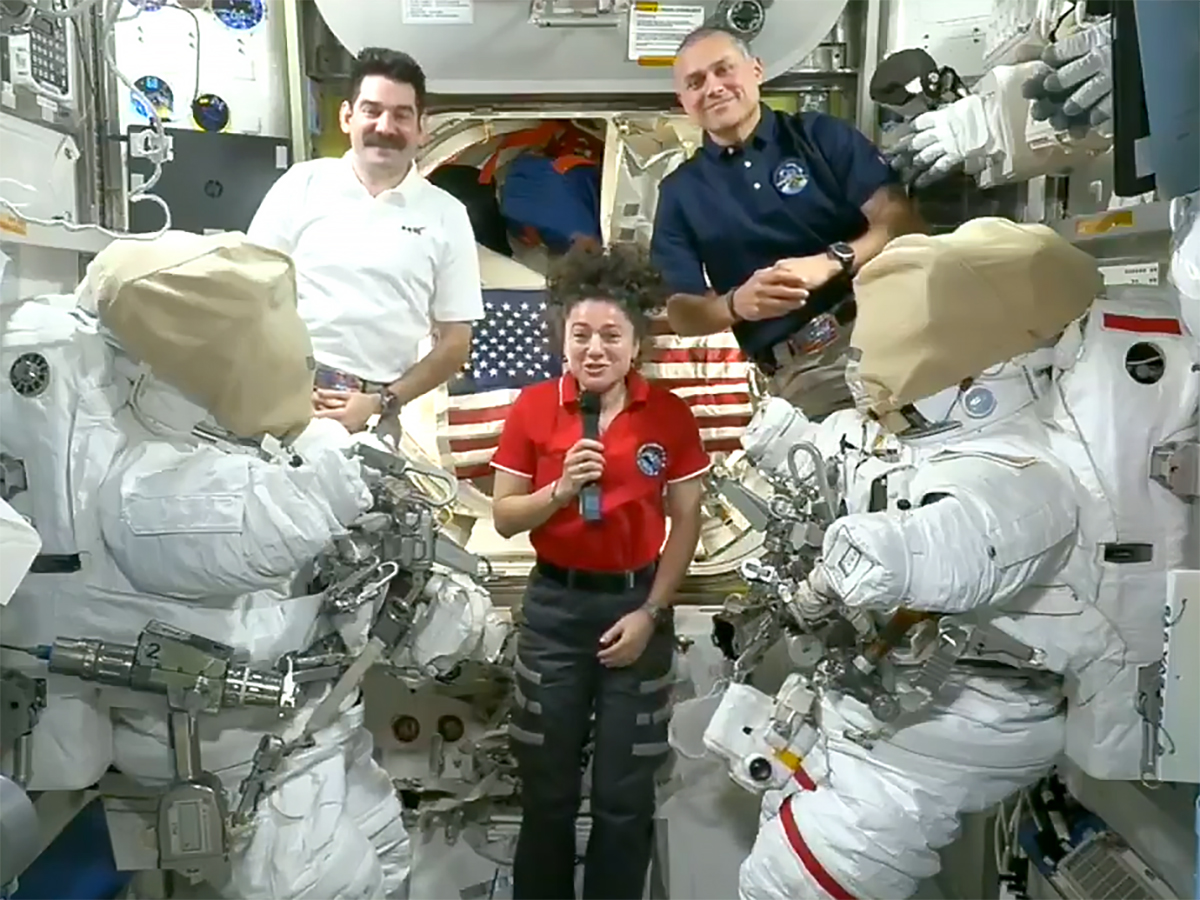
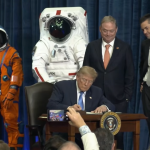
U.S. President Donald Trump spoke to the Expedition 75 crew today from NASA’s Johnson Space Center in Houston, Texas. [Possible quote here]. While at the center, the president also awarded the Congressional Space Medal of Honor to the four-member Artemis…

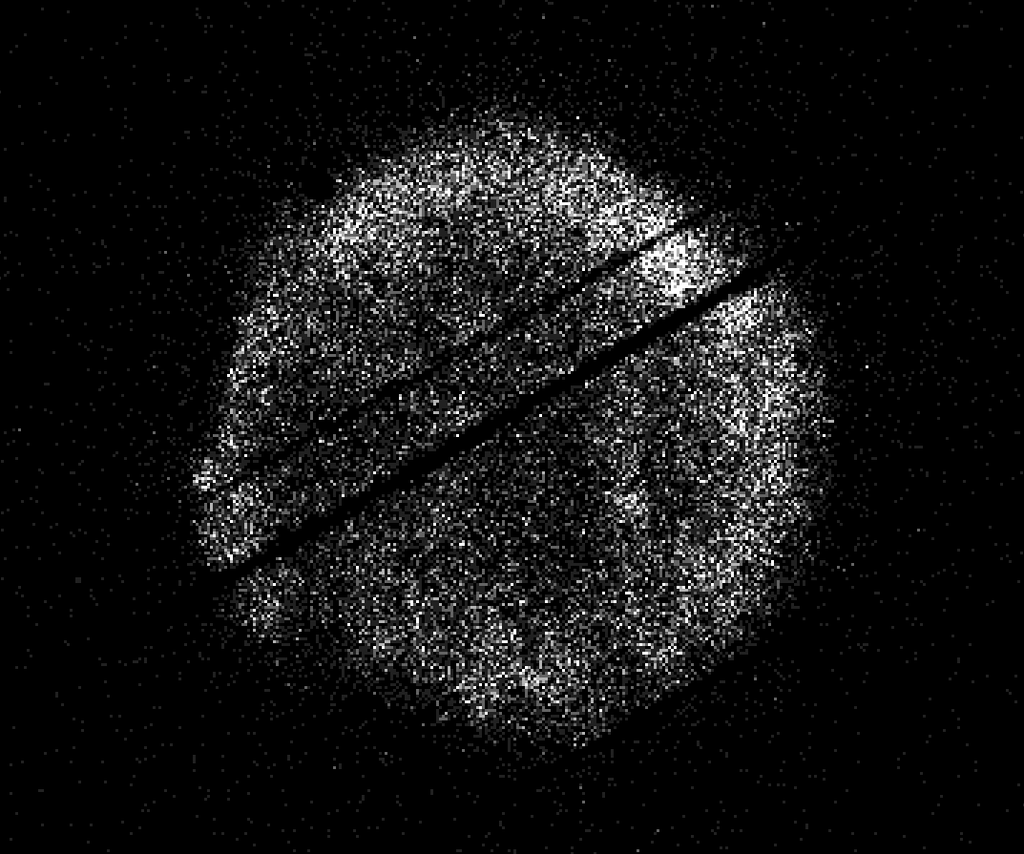
NASA’s Neil Gehrels Swift Observatory has resumed operating two of its three science instruments, following the scaling back of a commercial mission that would have boosted Swift to a higher orbital altitude. That mission is now focused on demonstrating rendezvous…
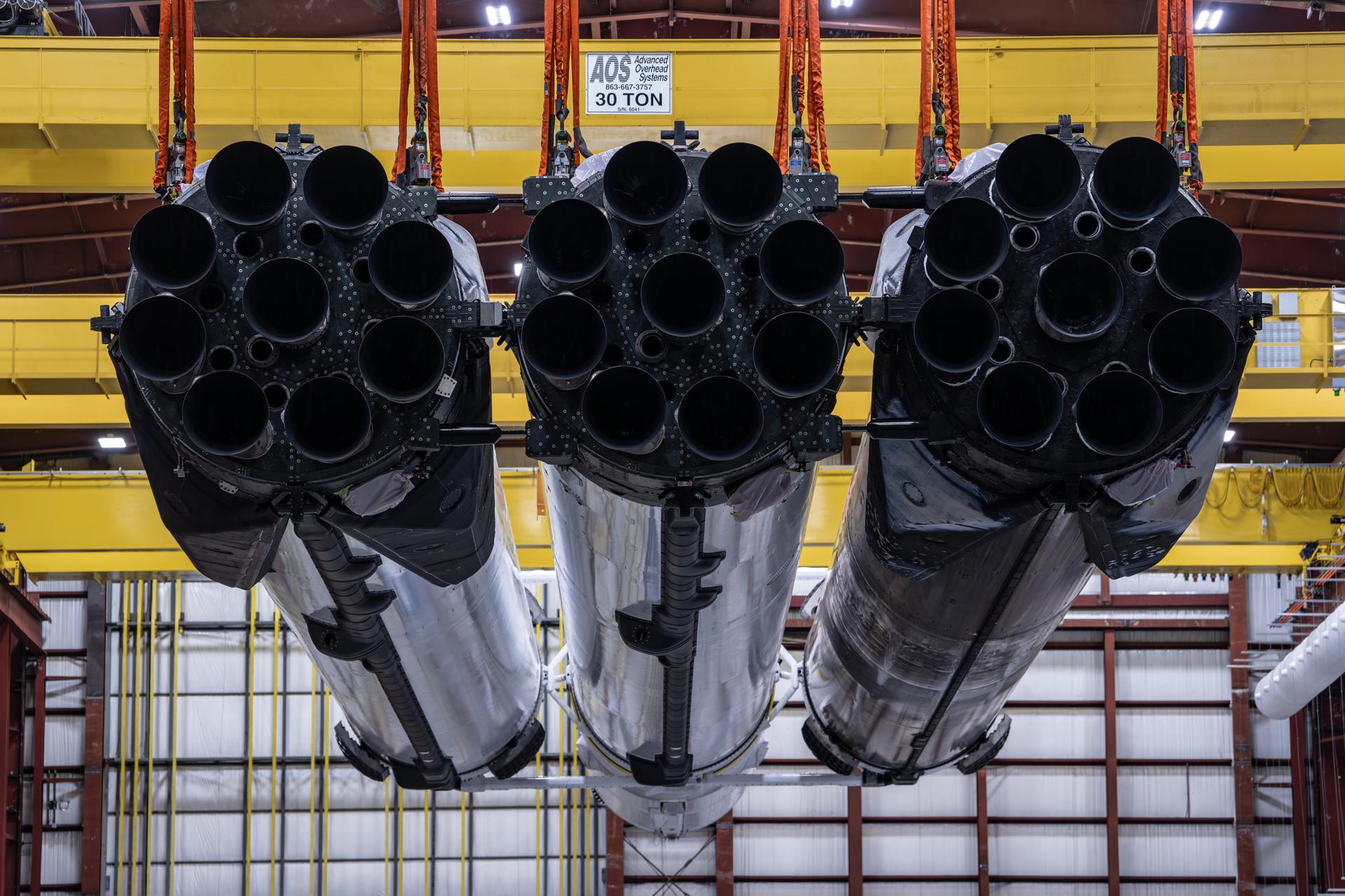
NASA’s Nancy Grace Roman Space Telescope is “go” for launch following completion of the agency and SpaceX’s Launch Readiness Review Friday at NASA’s Kennedy Space Center in Florida.

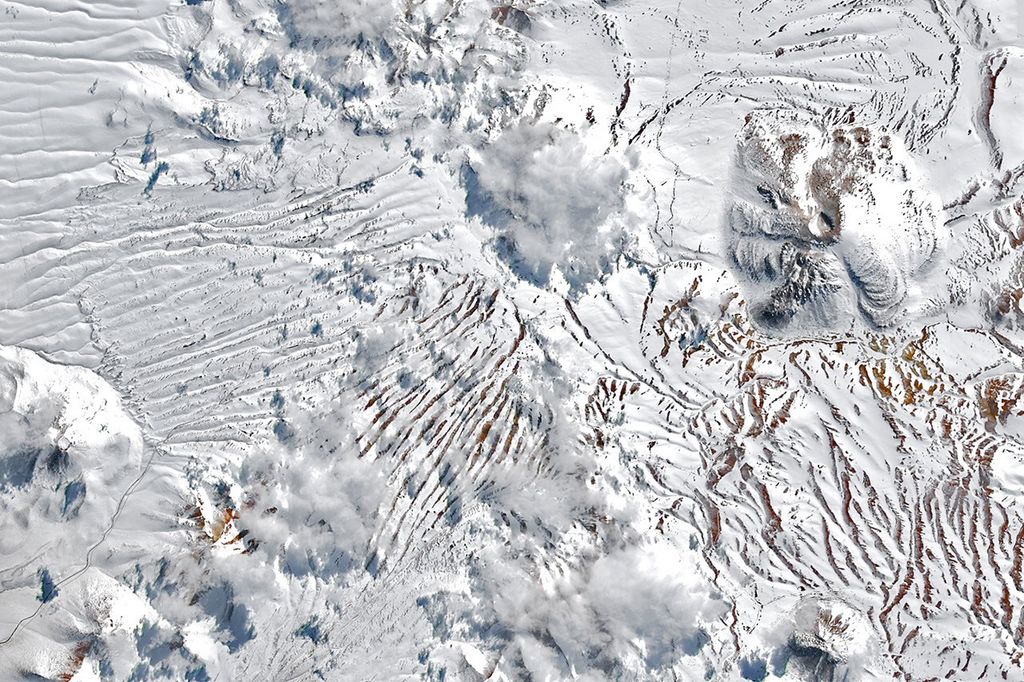
The meandering Congaree River sustains towering forest ecosystems and fashions oxbow lakes as it shifts across its floodplain.
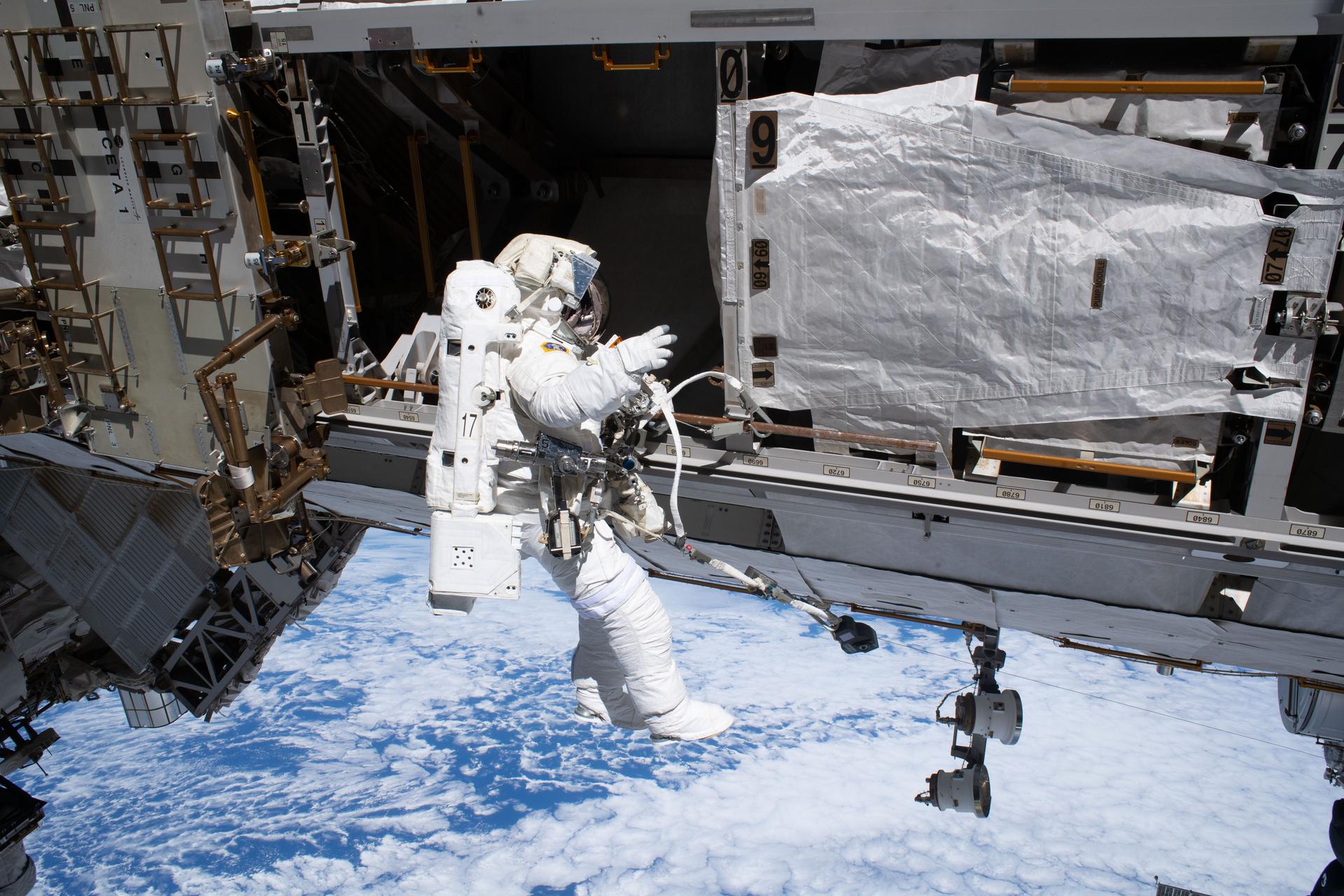
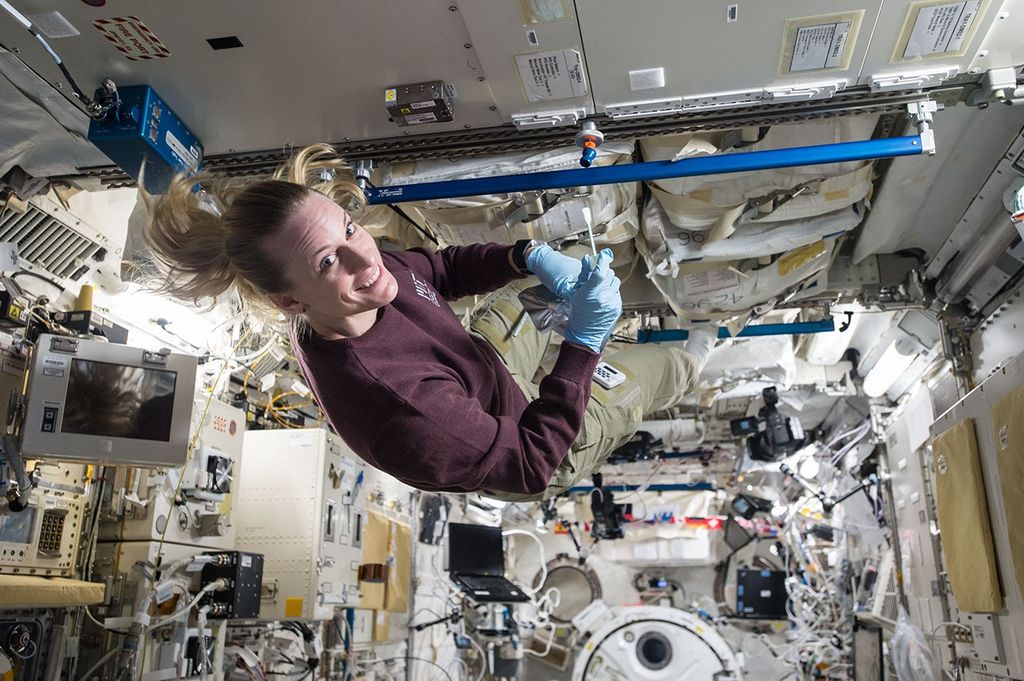
Preparations are ongoing for a spacewalk next week to continue external maintenance on the International Space Station. The Expedition 75 residents are also keeping up biomedical research while maintaining orbital outpost systems. Also, a U.S. cargo craft fired it engines…
NASA’s Nancy Grace Roman Space Telescope is set to launch at 7:26 a.m. EDT on Sunday, Aug. 30. While you wait to watch the launch, brush up on some key facts about this wide-view mission. To learn more about the…