


























Night Sky Network Articles
Astronomy clubs bringing the wonders of the universe to the public

The Ghoul Located within the constellation Perseus lies a star called Algol, also known as ‘Demon Star’ or ‘The Ghoul’. You can spot this star during the autumn months, along with Cassiopeia and Andromeda in the northeastern sky, beginning after…

Depending on your locale, equinoxes can be seen as harbingers of longer nights and gloomy weather, or promising beacons of nicer temperatures and more sunlight. Observing and predicting equinoxes is one of the earliest skills in humanity’s astronomical toolkit. Many…

Bird constellations abound in the night sky, including Cygnus, the majestic swan. Easy to find with its dazzling stars, it is one of the few constellations that look like its namesake, and it is full of treasures. Visible in the…
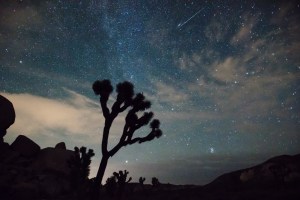
The annual Perseid meteor shower is scheduled to peak this August 11-12. Cross your fingers for good weather, find a nice dark spot to bring a blanket or lounge chair, and get ready to relax and spot some meteors.
If you live in the Northern Hemisphere and look up during July evenings, you’ll see the brilliant star Vega shining overhead. Did you know that Vega is one of the most studied stars in our skies? As one of the brightest summer…
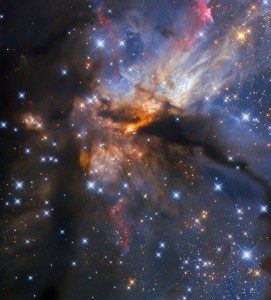
Altair is the last stop on our trip around the Summer Triangle! The last star in the asterism to rise for Northern Hemisphere observers before summer begins, brilliant Altair is high overhead at sunset at the end of the season…
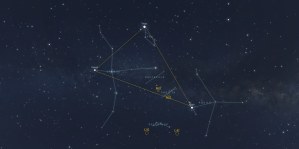
With the Summer Triangle high in the sky, it's a great time to lie back, relax, and explore some of its hidden treasures: the small constellations of Vulpecula, Sagitta, and Delphinus!
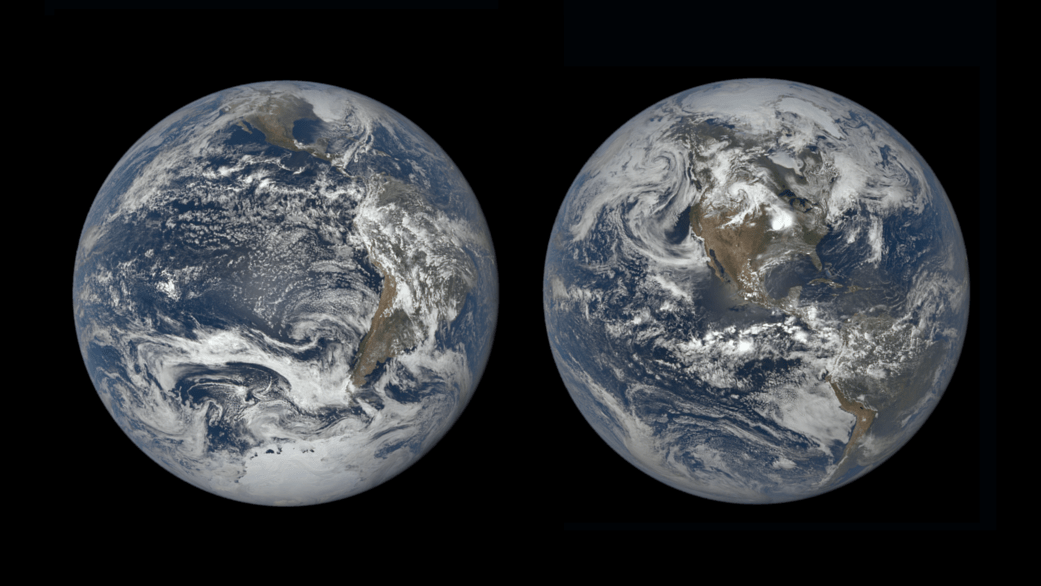
Solstices were some of our earliest astronomical observations, celebrated throughout history via many summer and winter celebrations.
Leo is a prominent sight for stargazers in April. Its famous sickle, punctuated by the bright star Regulus, draws many a beginning stargazer’s eyes, inviting deeper looks into some of Leo’s celestial delights, including a great double star and a…
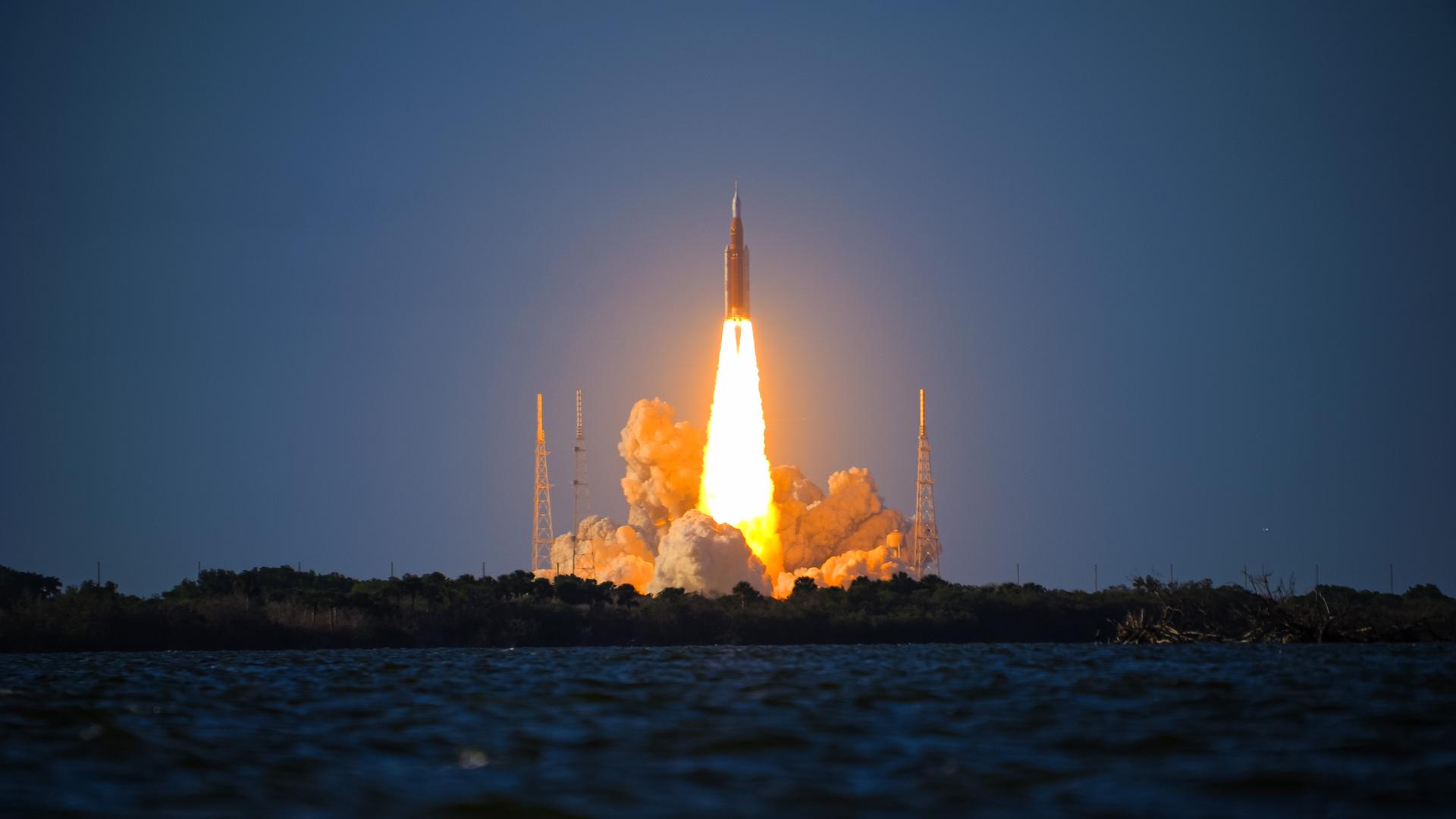
On April 6, 2026, the crew of Artemis II reached a milestone, traveling farther than any humans in recorded history, as they orbited the far side of the Moon, roughly 4,000 miles above the lunar surface. You can rewatch this…