


















The Moon & Eclipses
Anywhere from four to seven times a year, our Earth, Moon and Sun line up just right to create the cosmic-scale shadow show known as an eclipse. The Moon's orbit around Earth is tilted relative to Earth's orbit around the Sun. This tilt is the reason why we have occasional eclipses instead of eclipses every month.
There are two types of eclipses: lunar and solar. During a lunar eclipse, Earth’s shadow obscures the Moon. During a solar eclipse, the Moon blocks the Sun from view.
Lunar Eclipse Basics
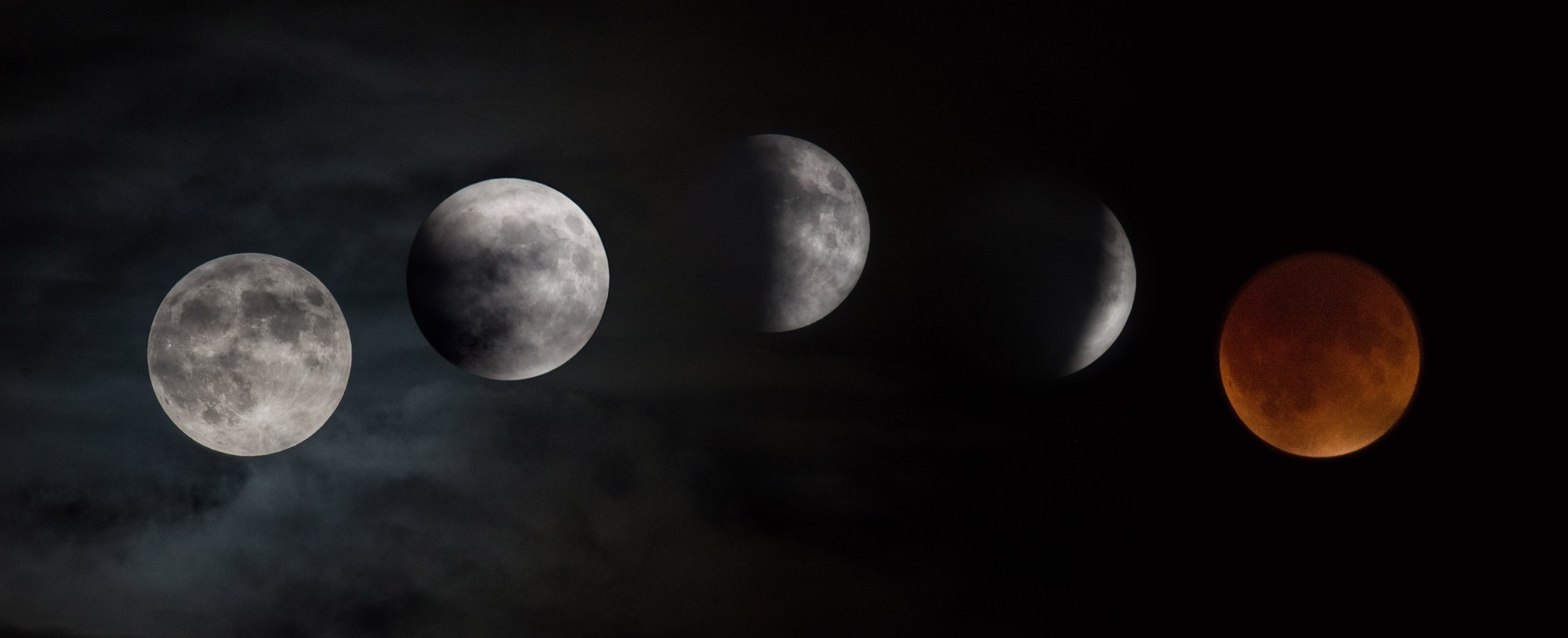
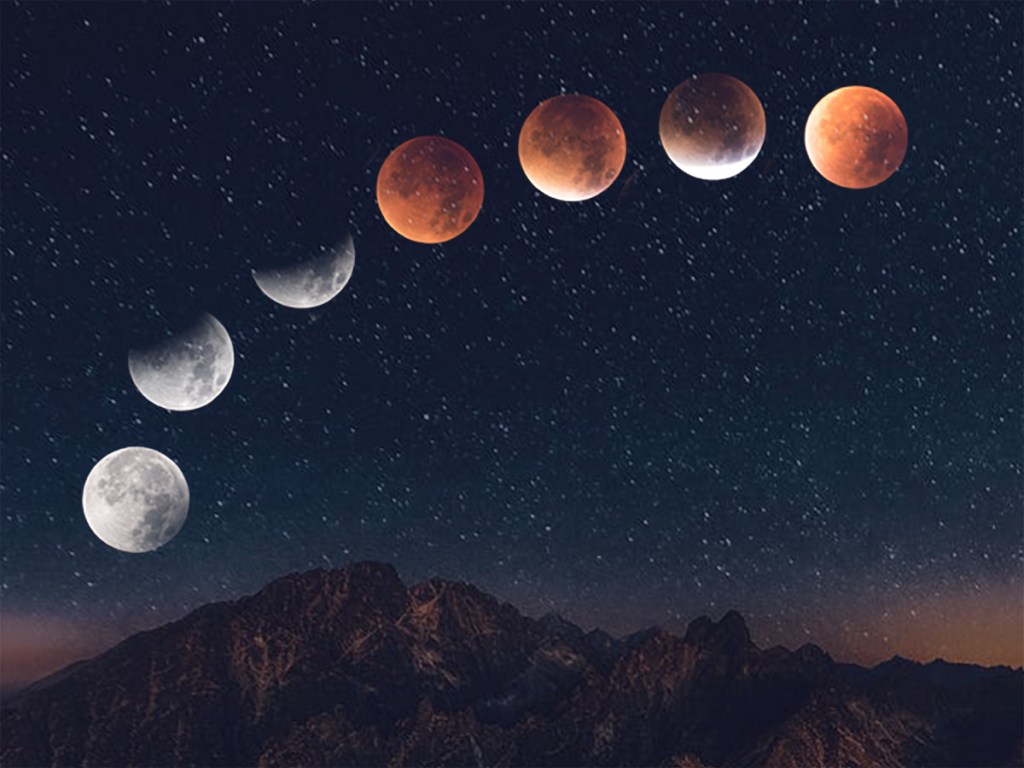
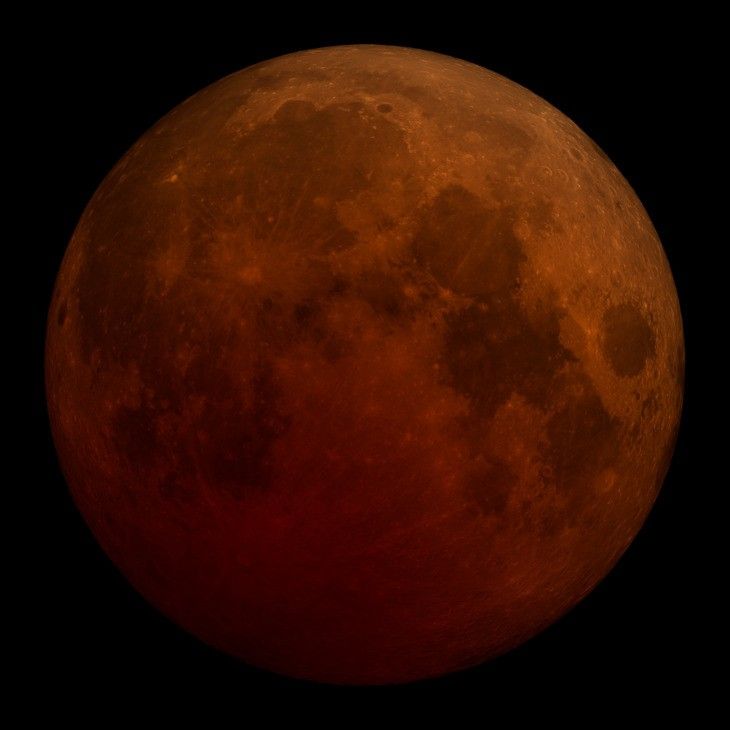
Lunar eclipses occur at the full Moon phase. When Earth is positioned precisely between the Moon and Sun, Earth’s shadow falls upon the surface of the Moon, dimming it and sometimes turning the lunar surface a striking red over the course of a few hours. Each lunar eclipse is visible from half of Earth.
Types of Lunar Eclipses
Total lunar eclipse
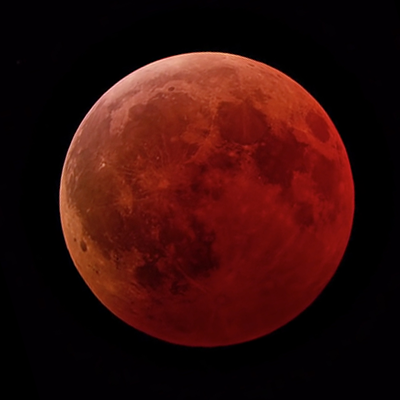
The Moon moves into the inner part of Earth’s shadow, or the umbra. Some of the sunlight passing through Earth’s atmosphere reaches the Moon’s surface, lighting it dimly. Colors with shorter wavelengths ― the blues and violets ― scatter more easily than colors with longer wavelengths, like red and orange. Because these longer wavelengths make it through Earth’s atmosphere, and the shorter wavelengths have scattered away, the Moon appears orangish or reddish during a lunar eclipse. The more dust or clouds in Earth’s atmosphere during the eclipse, the redder the Moon appears.
Partial lunar eclipse
An imperfect alignment of Sun, Earth and Moon results in the Moon passing through only part of Earth's umbra. The shadow grows and then recedes without ever entirely covering the Moon.
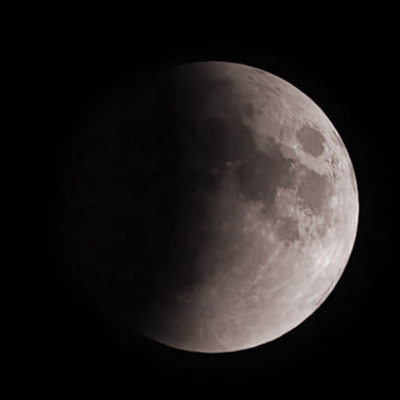
Penumbral eclipse
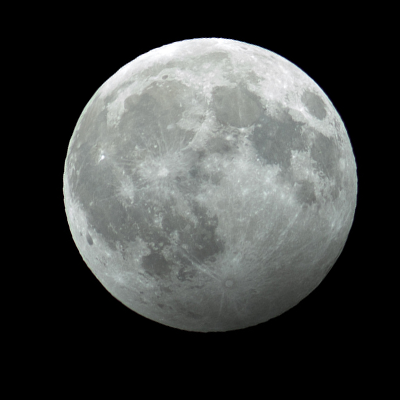
If you don’t know this one is happening, you might miss it. The Moon travels through Earth’s penumbra, or the faint outer part of its shadow. The Moon dims so slightly that it can be difficult to notice.
Upcoming Lunar Eclipses
| Date | Eclipse Type | Geographic Region of Visibility |
|---|---|---|
| August 28, 2026 (UTC) | Partial | East Pacific, Americas, Europe, Africa |
| February 20, 2027 (UTC) | Penumbral | Americas, Europe, Africa, Asia, western Australia |
"Blood Moon": How It Works
The same phenomenon that makes our sky blue and our sunsets red causes the Moon to turn reddish-orange during a lunar eclipse. Sunlight appears white, but it actually contains a rainbow of components—and different colors of light have different physical properties. Blue light scatters relatively easily as it passes through Earth’s atmosphere. Reddish light, on the other hand, travels more directly through the air.
When the Sun is high on a clear day, we see blue light scattered throughout the sky overhead. At sunrise and sunset, when the Sun is near the horizon, incoming sunlight travels a longer, low-angle path through Earth's atmosphere to observers on the ground. The bluer part of the sunlight scatters away in the distance (where it's still daytime), and only the yellow-to-red part of the spectrum reaches our eyes.
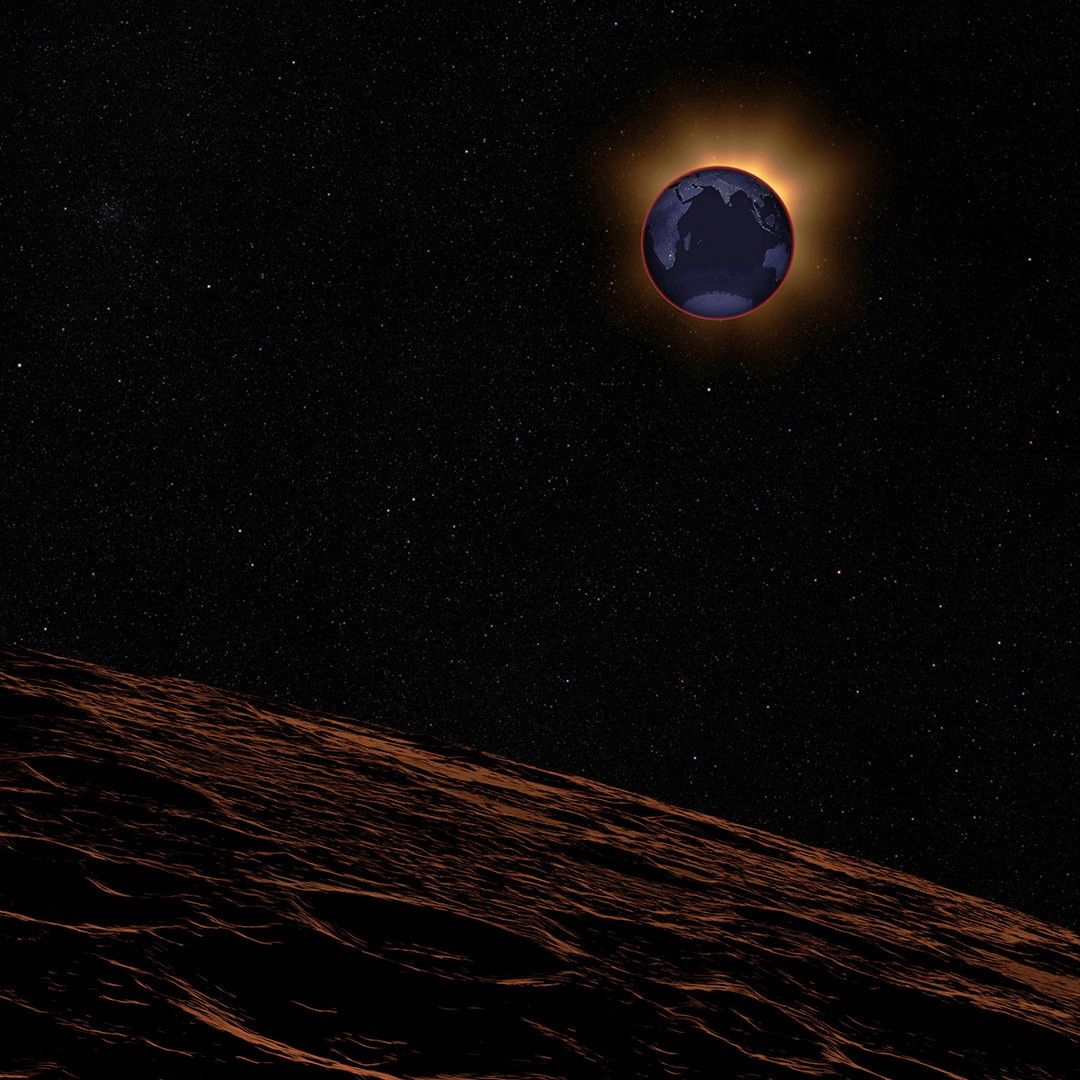
During a lunar eclipse, the Moon appears red or orange because any sunlight that's not blocked by our planet is filtered through a thick slice of Earth’s atmosphere on its way to the lunar surface. It’s as if all the world’s sunrises and sunsets are projected onto the Moon.
The Moon and Solar Eclipses
Solar eclipses happen only at the new Moon phase, when the Moon is between Earth and the Sun. During a solar eclipse, the Moon casts a shadow on Earth, and blocks or partially blocks our view of the Sun. Though solar eclipses happen as often as lunar eclipses, they are visible from such a small area of Earth each time that it’s much rarer to encounter one.
During a solar eclipse, the Moon's shadow on Earth’s surface is only about 300 miles (480 km) wide. The shadow consists of two parts, the umbra, where the Sun is completely blocked, and the penumbra, where the Sun is partially obscured. People in the umbra will see a total eclipse, while people in the penumbra will see a partial eclipse. Though the shadow is narrow and the total eclipse lasts for only minutes, our planet rotates fast enough to bring the shadow a third of the way around Earth's surface before the Moon moves out of alignment with the Sun.
Upcoming Solar Eclipses
| Date | Eclipse Type | Geographic Region of Visibility |
|---|---|---|
| August 12, 2026 (UTC) | Total | Greenland, Iceland, Spain, Russia, and a small area of Portugal (with a partial eclipse in Europe, Africa, North America, the Atlantic Ocean, Arctic Ocean, and Pacific Ocean) |
| February 6, 2027 (UTC) | Annular | Chile, Argentina, and the Atlantic (with a partial eclipse in South America, Antarctica, western & southern Africa) |
| August 2, 2027 (UTC) | Total | Morocco, Spain, Algeria, Libya, Egypt, Saudi Arabia, Yemen, and Somalia (with a partial eclipse in other areas of Africa, Europe, the Middle East, and western & southern Asia) |
That we often get such impressive solar eclipses on Earth is a lucky chance of nature. The Sun is vastly larger than the Moon ― its diameter is about 400 times the Moon’s. But the Moon is roughly 400 times closer to Earth. This makes it possible for the Moon to almost perfectly block out the Sun when everything aligns.
This state of affairs won’t last forever. The Moon started its existence much closer to Earth, and has been slowly drifting outward at the rate of about 1.5 inches (3.8 cm) per year. Once it makes it past 14,600 miles (23,500 km), it’ll appear too small from Earth to cover the Sun. But don’t panic if you haven’t seen an eclipse yet ― you’ve got another 600-million-plus years before that border is breached. In the meantime, you can get a preview during an annular eclipse, when the Sun, Moon and Earth align but the Moon’s orbit places it too far away from Earth to entirely block the disk of the Sun. During an annular eclipse, the sky takes on a twilight cast, but some of the Sun still shows.
The Moon's Tilted Orbit
The Moon’s orbit is tilted about 5 degrees compared to the plane of Earth’s orbit around the Sun. Because of this tilt, the Moon as seen from Earth’s perspective usually passes above or below the Sun when it passes between us and the Sun. The tilt of the Moon’s orbit prevents us from having monthly solar and lunar eclipses.
NASA's Scientific Visualization Studio
Eclipses and Spacecraft
LRO and Lunar Eclipses
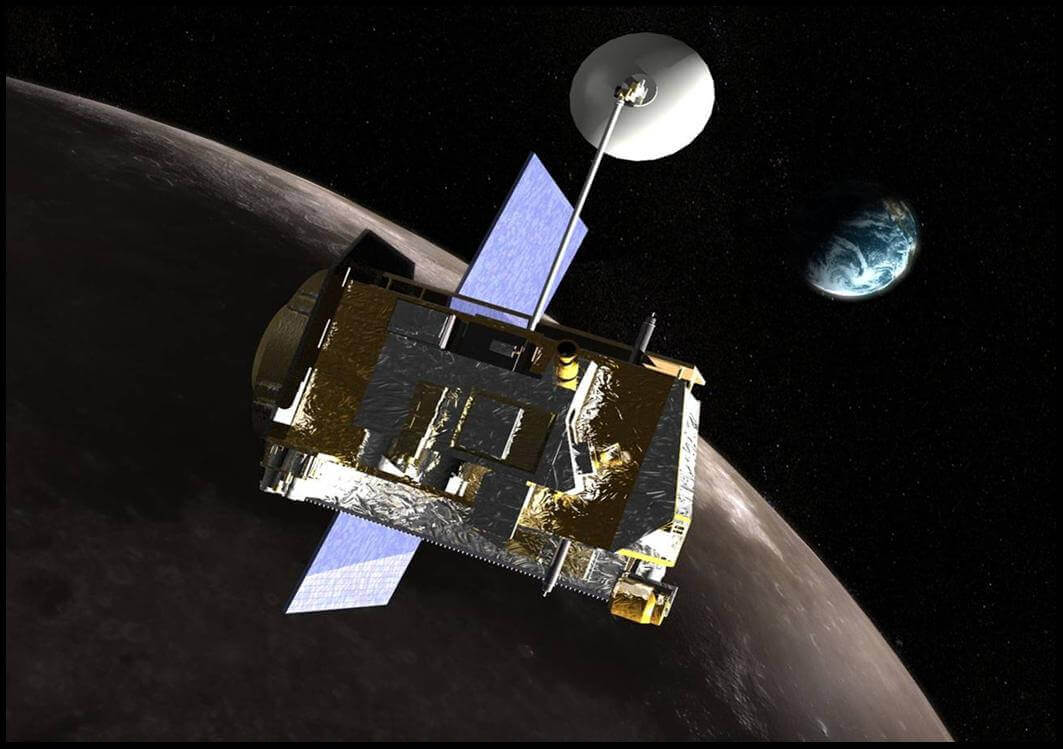
Satellites are designed to travel in and out of the Sun's light and store energy with batteries, so for the most part, eclipses have little to no effect on their operation. But these events can provide unique observation opportunities. During lunar eclipses, mission controllers shut down most instruments on NASA's solar-powered Lunar Reconnaissance Orbiter (LRO) to conserve energy while it's cut off from its source of power but leave active one instrument—called Diviner—that can watch how the lunar surface responds to the rapid change in temperature caused by a lunar eclipse. Since different rock sizes cool at different rates, scientists can use the data to infer the size and density of rocks on the Moon and better understand the composition and properties of the surface.
Learn More: LRO's Dance With Eclipses about LRO and Lunar Eclipses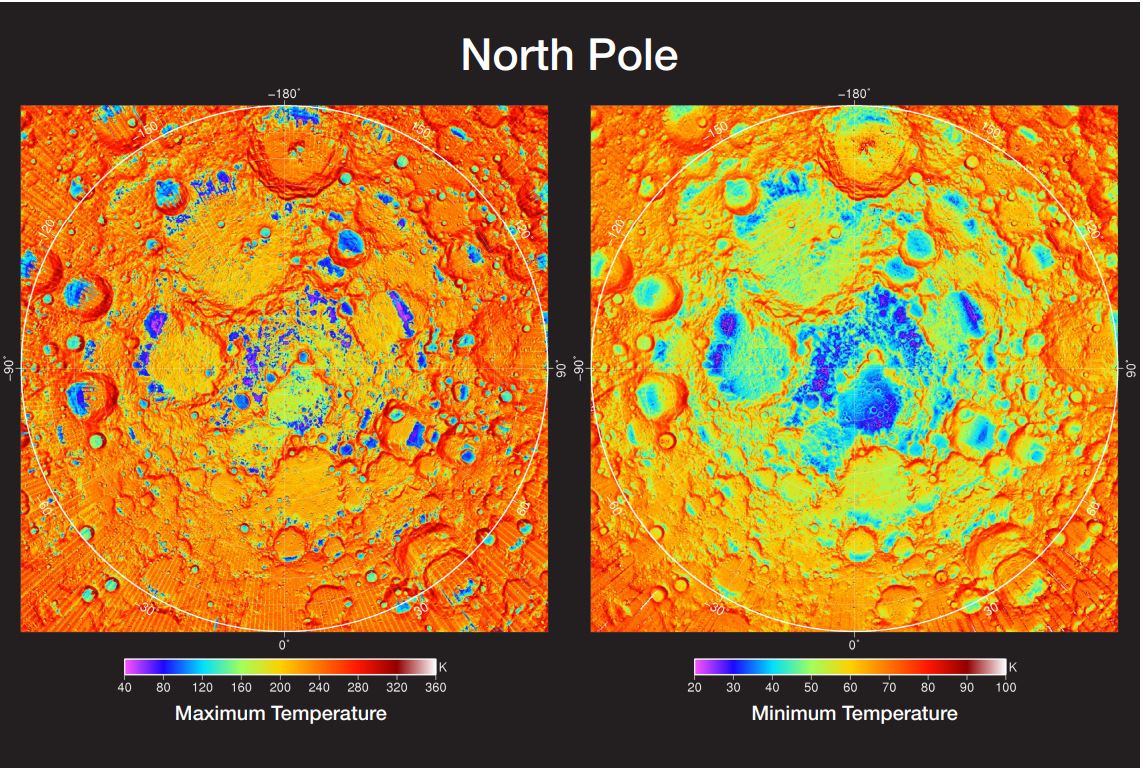
Activities
Explore Further
Expand your knowledge about lunar eclipses and the Moon.
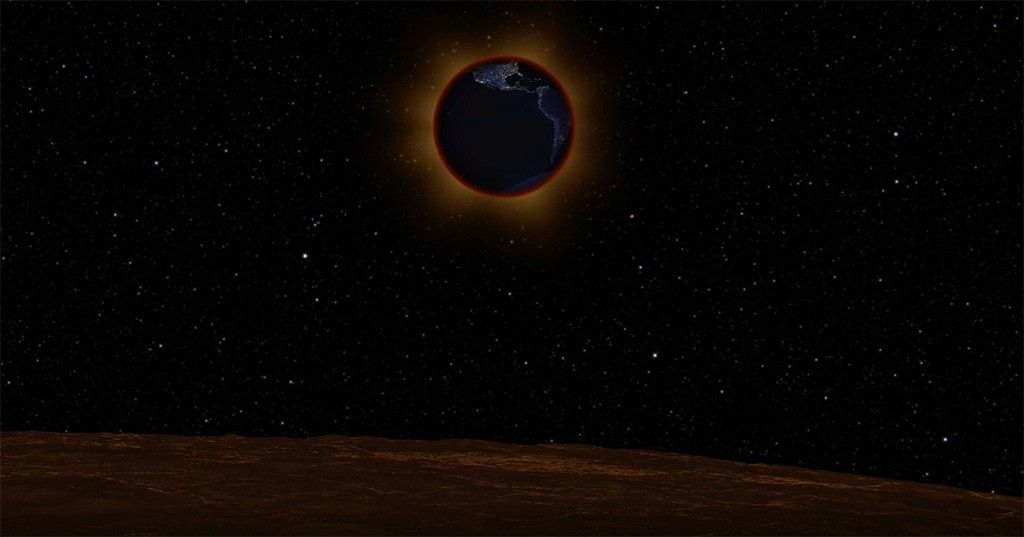
Earth During a Lunar Eclipse
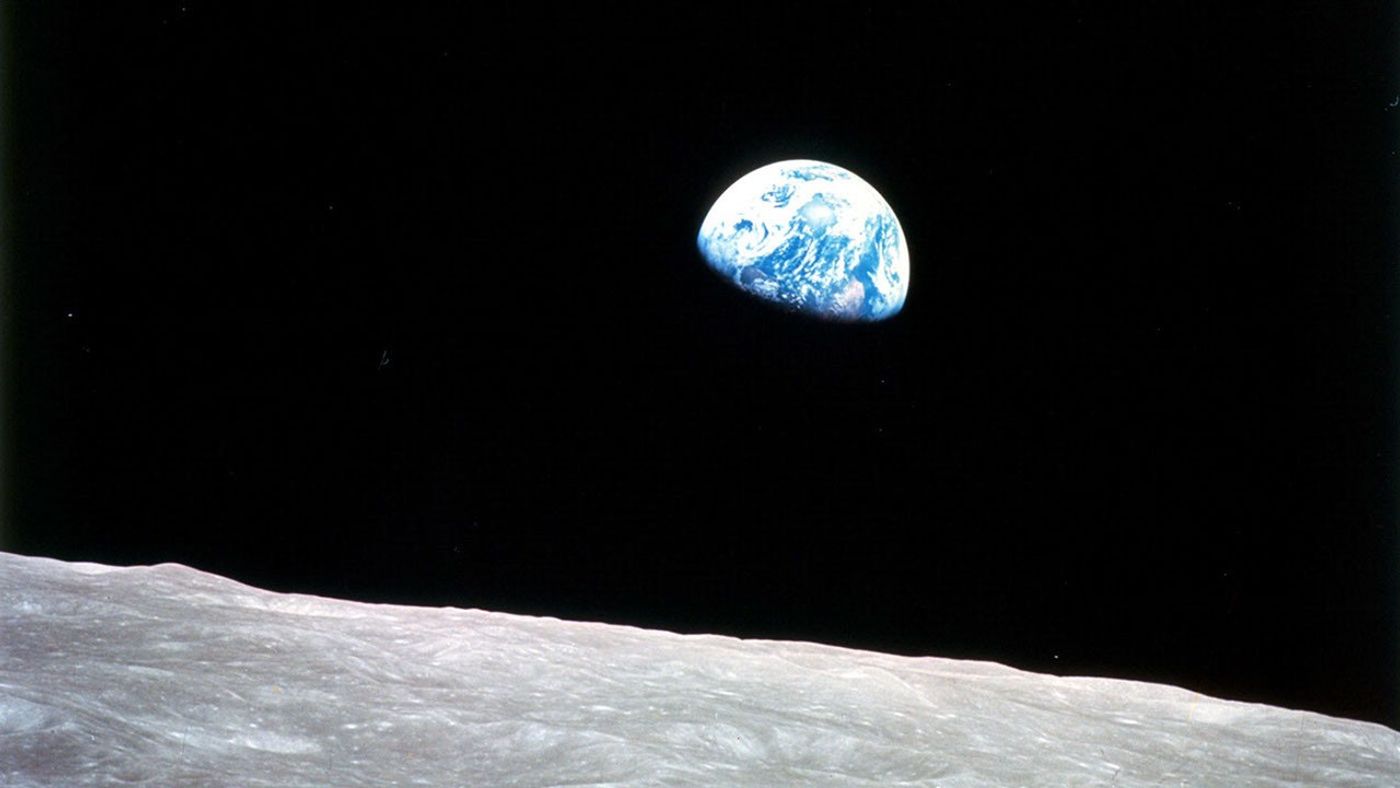
What would Earth would look like from the Moon during an eclipse?
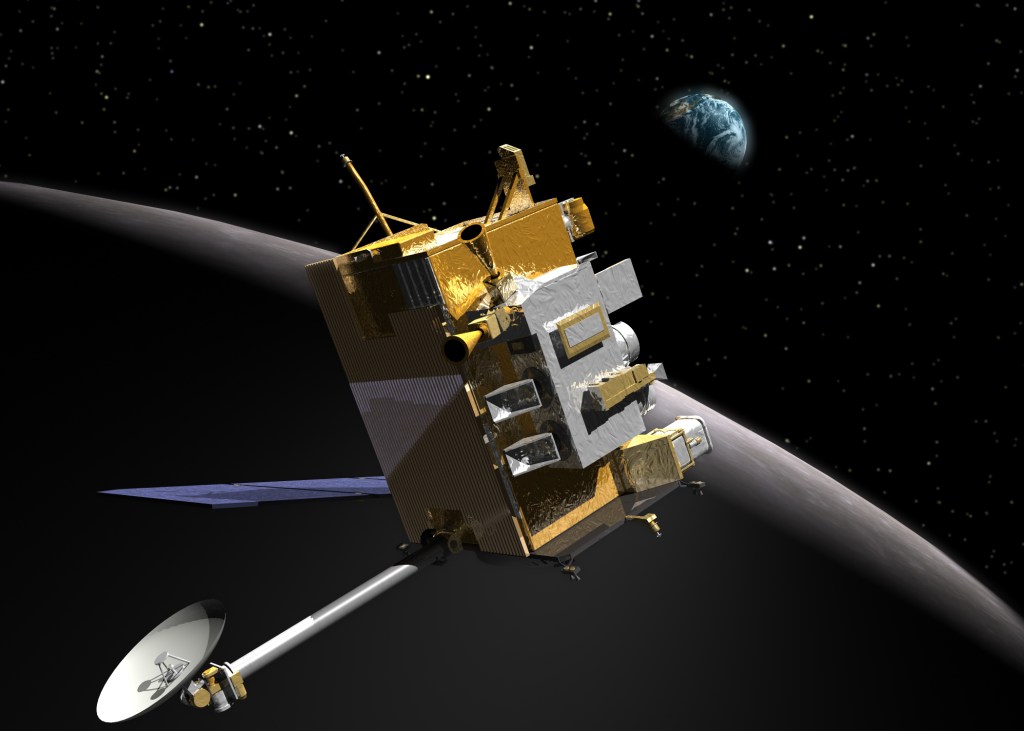
NASA's Lunar Reconnaissance Orbiter
LRO has been mapping and photographing the Moon since 2009.