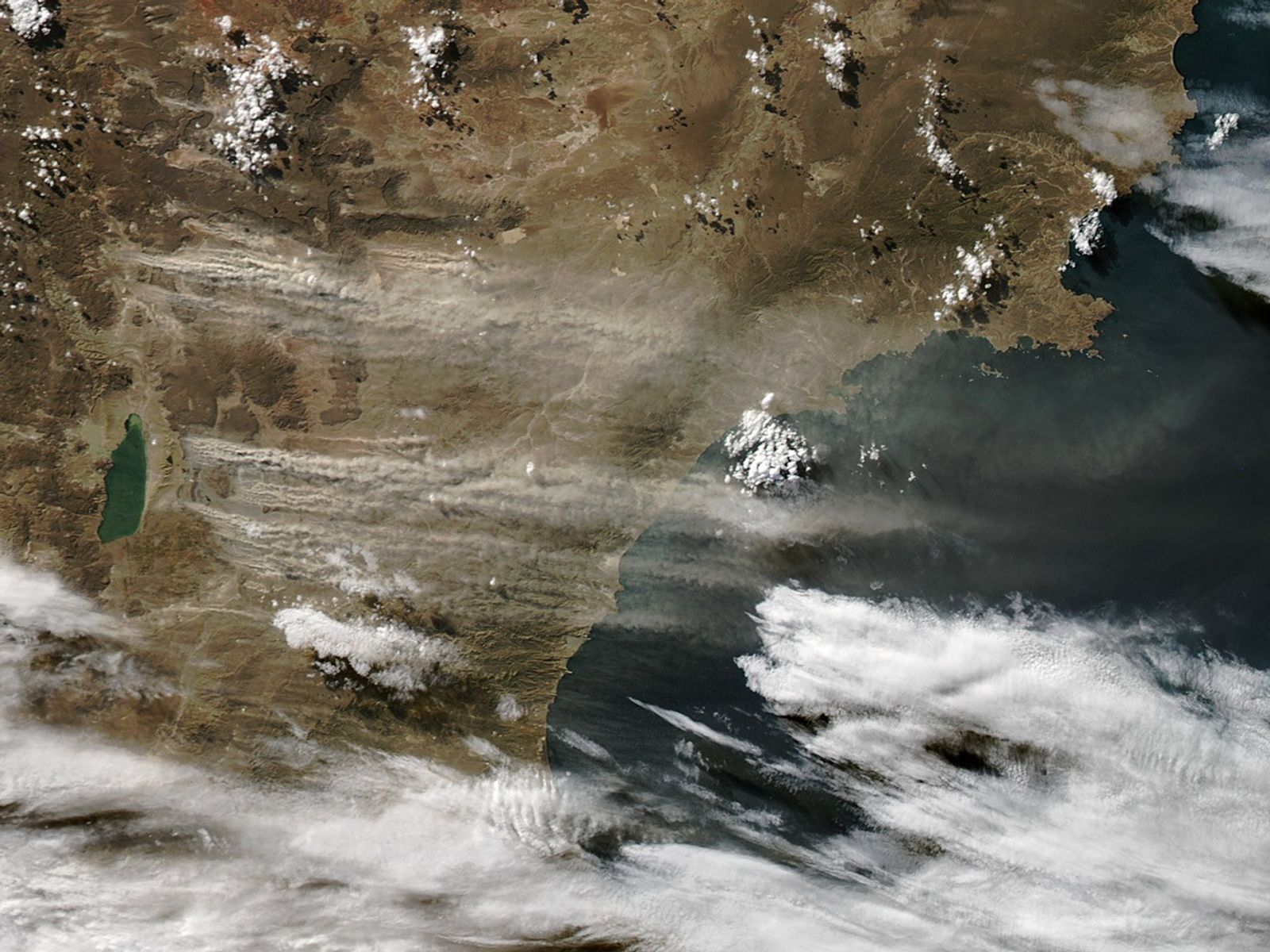



















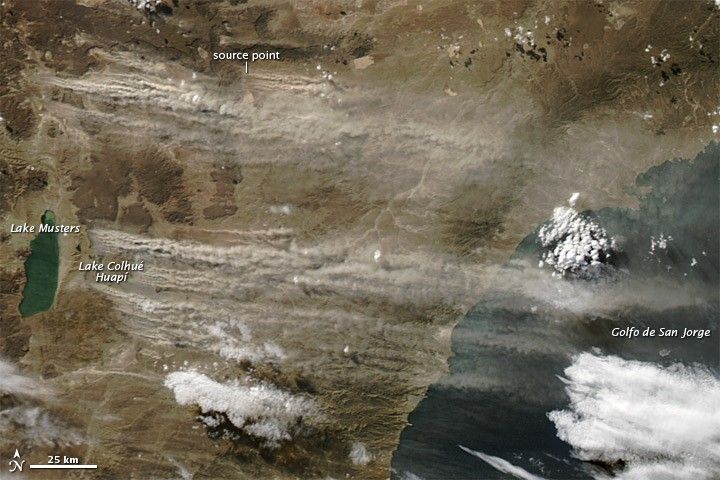
Dust plumes blew out of southern Argentina and over the Atlantic Ocean in early May 2013. The Moderate Resolution Imaging Spectroradiometer (MODIS) on NASA’s Aqua satellite captured this natural-color image on May 12. The dust blew out of the Patagonian Desert, and many of the plumes arose from sediments around a shallow lake.
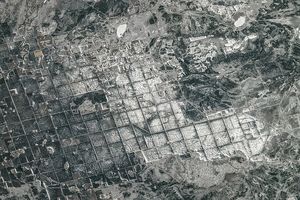
Two neighboring lakes in this region—Lake Musters and Lake Colhué Huapí—are both fed by the same river, yet exhibit substantially different characteristics. Lake Musters is deep enough and dark enough to contrast sharply with the surrounding land. Lake Colhué Huapí is so shallow that it nearly disappears into the beige-and-brown landscape. In May 2013, plumes arose from sediments around this shallow, silt-clogged lake, as well as from dry spots to the north and south.
Winds can transport Patagonian dust far away from its source. Jet Propulsion Laboratory scientist Thomas Painter studies the effects of dust on snow and ice. He notes a correlation between the introduction of sheep to Patagonia around 1935 and an increase in dust deposition on the Antarctic Peninsula. “When you look at the circulation, it goes across Patagonia and then it wraps around the Weddell Sea.”
Closer to Patagonia, dust plumes can sometimes prompt phytoplankton blooms by carrying iron and other nutrients to nearby ocean waters.
References & Resources
- Earth from Space Lakes Musters and Colhue Huapi, Argentina, January 1997. Jet Propulsion Laboratory. Accessed May 13, 2013.
NASA image courtesy Jeff Schmaltz, LANCE/EOSDIS MODIS Rapid Response Team at NASA GSFC. Caption by Michon Scott.