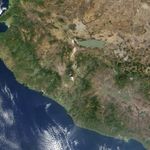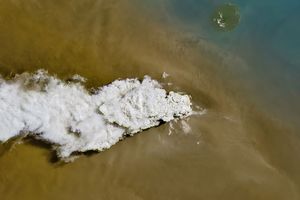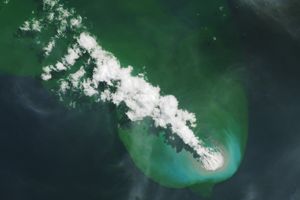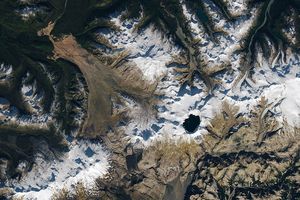


















The Colima Volcano let out a puff of ash on January 4, 2017. Also known as Volcán Fuego, the volcano of fire, Colima erupts often. The Moderate Resolution Imaging Spectroradiometer (MODIS) on NASA’s Terra satellite captured a natural-color image of the scene on the same day.
The Washington Volcanic Ash Advisory Center (VAAC) reported ash plumes above the volcano from December 28, 2016, to January 3, 2017. The plumes rose between 4.6 to 7.6 kilometers (15,000-25,000 feet) above sea level and spread as far as 135 kilometers (83 miles) in multiple directions.
Colima has been active since the 16th century, according to the Global Volcanism Program. The past decade has seen frequent eruptions. According to GVP, “explosive activity in 2015 was extensive, resulting in the Washington VAAC issuing 751 advisories during the year.” Plumes often climbed more than 7 kilometers (23,000 feet) over the volcano.
References & Resources
- Global Volcanism Program at the Smithsonian Institution National Museum of Natural History (2017, January 3) Colima. Accessed January 5, 2017.
- NASA Earth Observatory (2015, February 8) Colima Erupts.
NASA Earth Observatory images by Jesse Allen, using data from the Moderate Resolution Imaging Spectroradiometer (MODIS) on NASA’s Terra satellite. Caption by Pola Lem.