





















Launching the Roman Zooniverse: Getting Started with Roman Galaxy Zoo
PI: Masters, Karen, Haverford College
Wide-Field Science – Regular
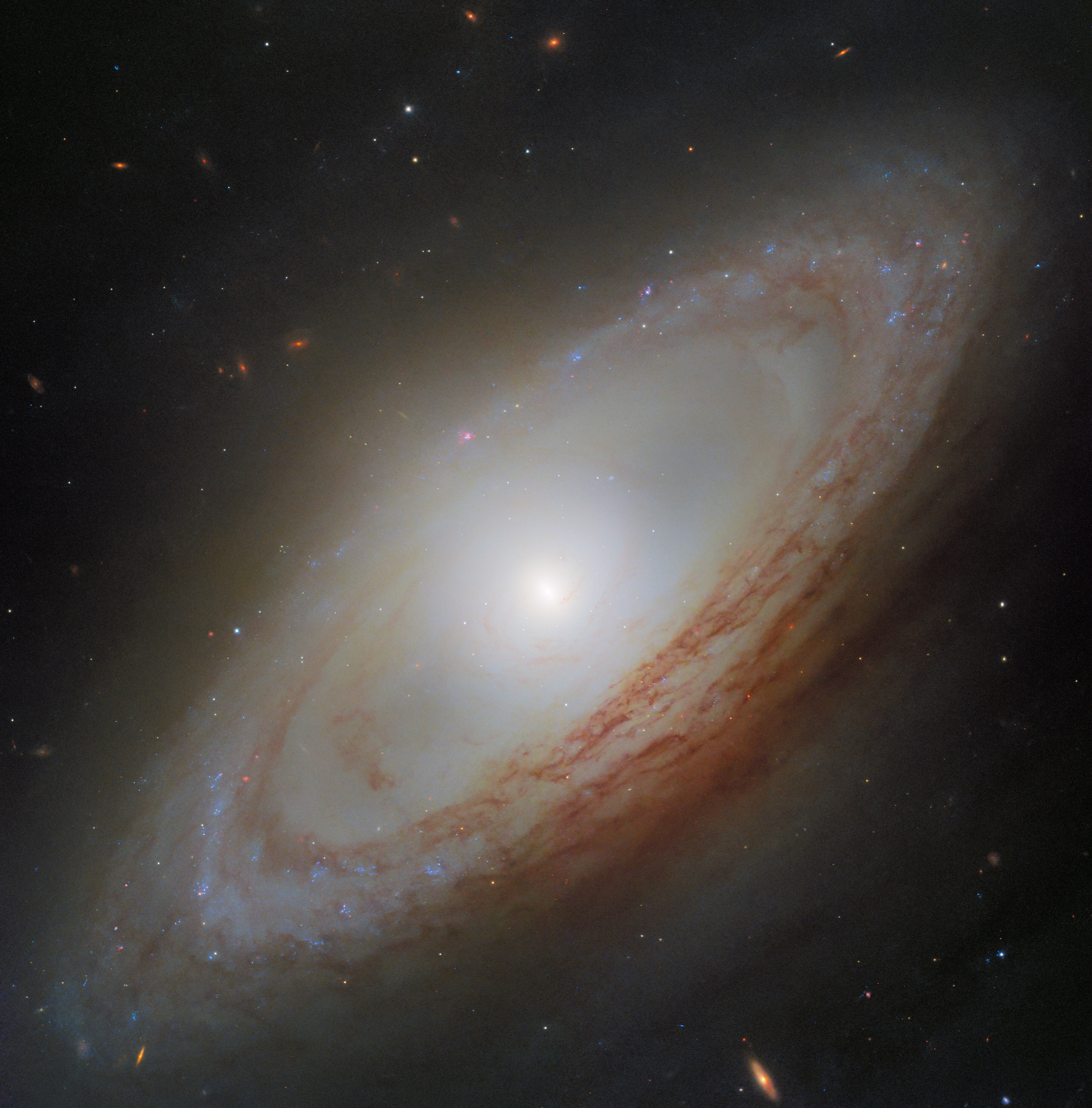
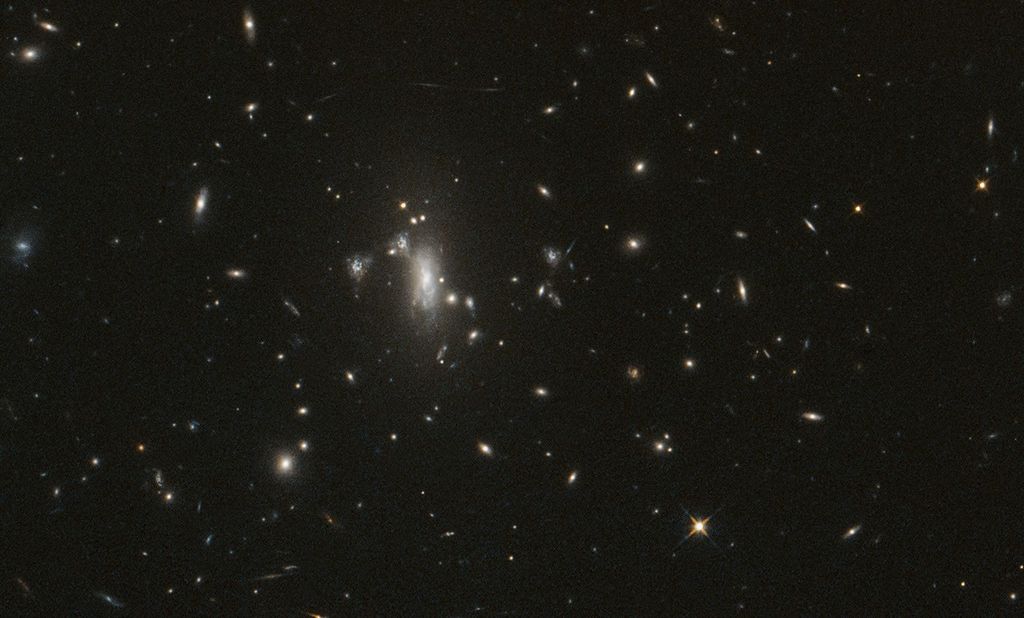
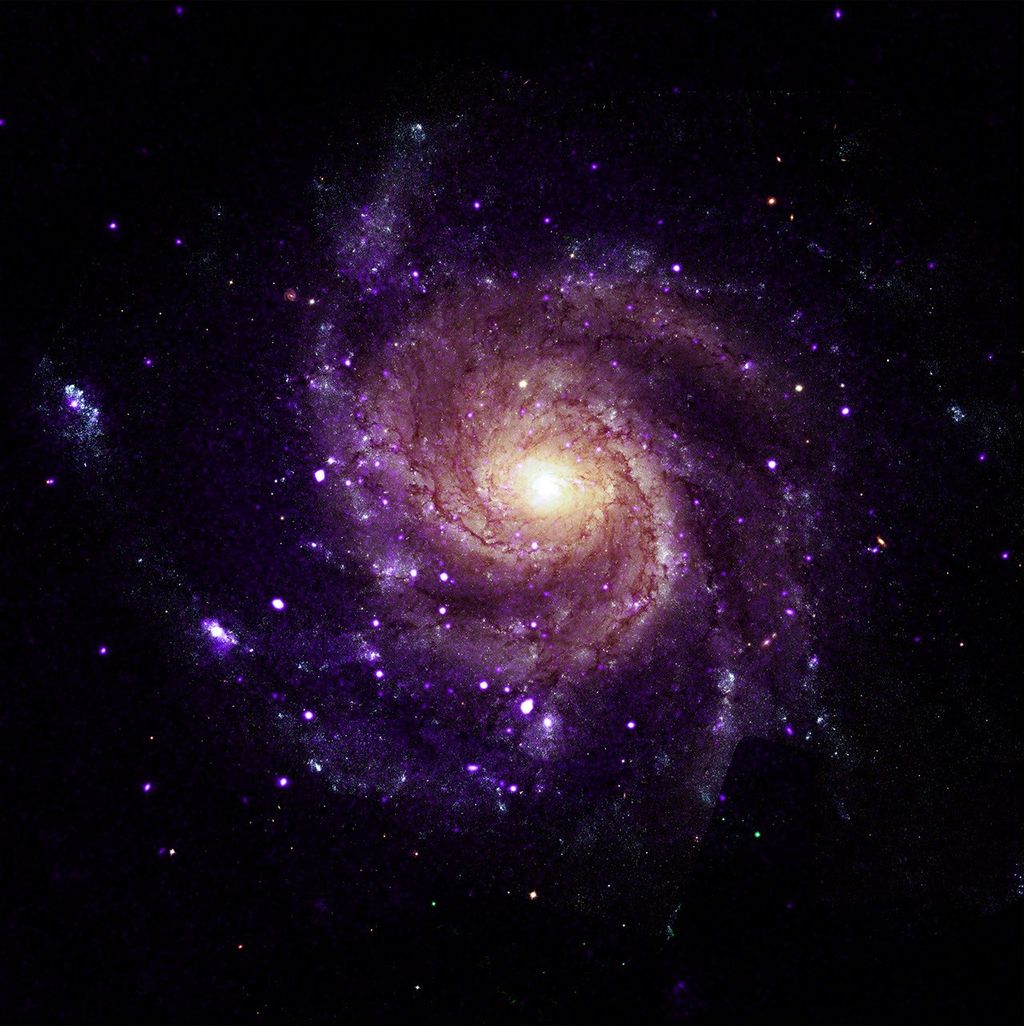
Our Universe is filled with galaxies, revealed in high-resolution images to be complex three-dimensional structures of stars, dark matter, gas and dust. Seen in projection against the sky, astronomers find a beautiful yet bewildering ‘zoo’ of morphologies, including flat disks, spiral arms, central bulges and linear bars. These features reveal secrets of the cosmic assembly of galaxies over time, as well as how galaxies change as they interact with each other and their environment. These questions are part of NASA’s Cosmic Origins (COR) and Physics of the Cosmos (PCOS) science categories which seek to investigate how galaxies evolved over the age of the universe to form the structures we observe today.
Even in the current era of “AI”, one of the best ways to identify the complex features seen in galaxies is through visual inspection of images. However the Roman Space Telescope, which will provide Hubble Space Telescope sensitivity and resolution over up to 5 percent of the entire night sky will provide images for tens of millions of galaxies with complex structure. This is far too many for human inspection by small numbers of astronomers.
We can do this with citizen science, which is also a core component of NASA’s “Vision for Scientific Excellence”. With this project we make a start setting up the Roman Galaxy Zoo. Galaxy Zoo was the founding project of the Zooniverse, which is the largest and most popular platform for “people-powered” research (also known as citizen science). Galaxy Zoo is the world leader in crowd-sourcing the identification of complex shapes and structures in galaxies, and the team running this project has unrivaled expertise in working with citizen scientists to obtain reliable quantitative visual morphologies for millions of galaxies. In recent years Galaxy Zoo has developed “Zoobot” a deep learning algorithm than can both learn from the volunteer classifiers, and assist them to make it possible to extend to even larger samples like that expected from Roman.
This proposal brings together a team from Galaxy Zoo and the Zooniverse with experts working in the Roman Science Operations Center and Data Science Mission Office (DSMO) at STScI to build the Roman Galaxy Zoo interface and make a start on using Roman Galaxy Zoo morphologies to investigate spiral arms in galaxies. To do this we integrate a Roman Image Cut out tool with Zooniverse infrastructure, and provide support and outreach to other Roman scientists on how to integrate Zooniverse citizen science techniques to benefit their own science goals. This meets the objectives of the solicitation to work on techniques to support Roman Wide Field Imager science in general.