























Cosmic Origins Science
The Astrophysics Strategic Technology & Research Accelerator (ASTRA) Initiative
To maintain US leadership, NASA's Astrophysics Division (APD) is launching the Astrophysics Strategic Technology and Research Accelerator (ASTRA) Initiative.
About the ASTRA Initiative
How does the universe work? How did we get here? Are we alone?
At every stage, NASA will collaborate with industry, academia, and international partners to advance necessary technologies, manufacturing capabilities, and reduce costs.
ASTRA aims to reduce the total cost, time-to-science, and schedule risk of future strategic missions, aligning with the guidance from Astro2020, LSSM, and AMP.
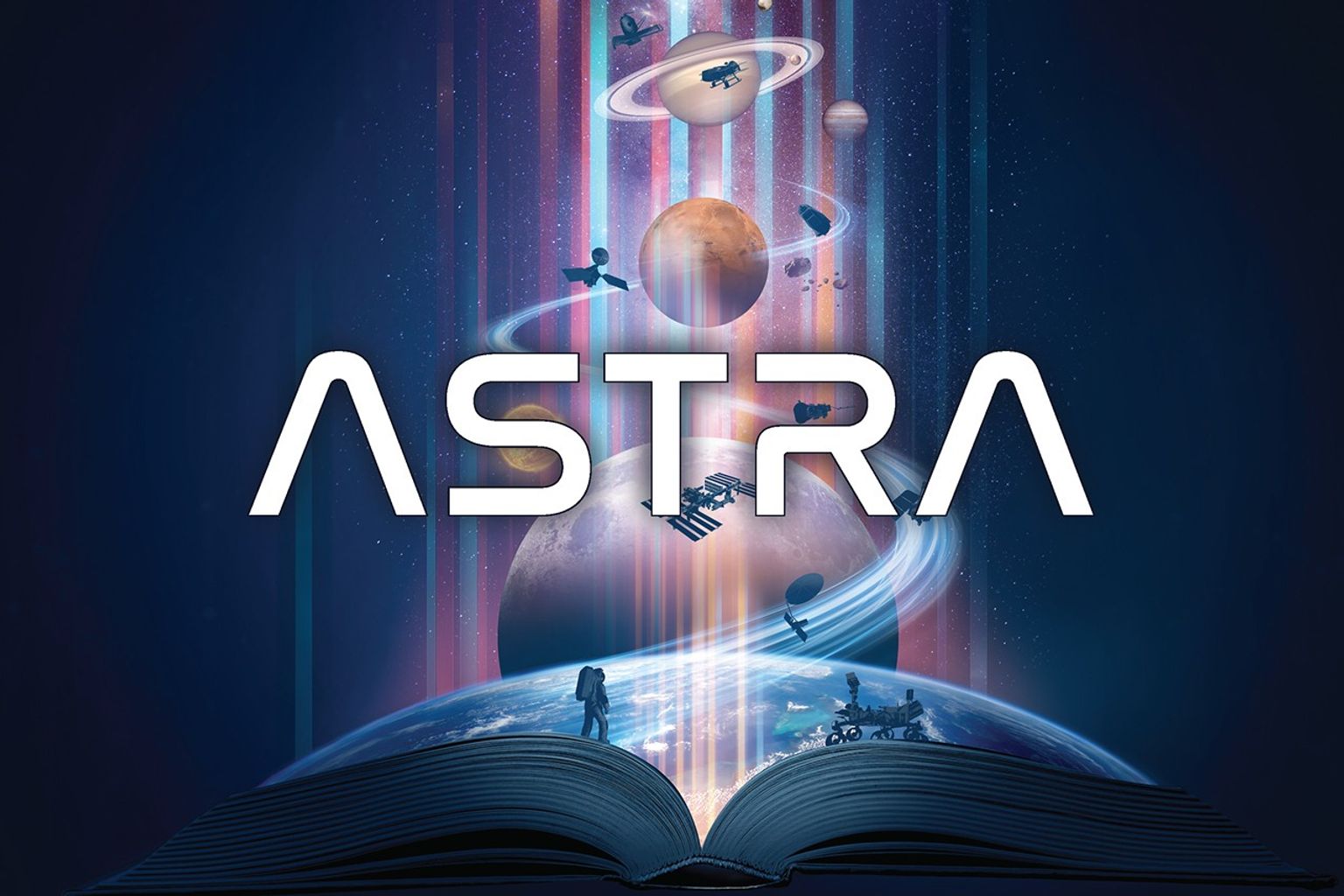
NASA’s telescopes push the boundaries of scientific discovery and technology. To maintain U.S. leadership in space, NASA’s Astrophysics Division is launching the Astrophysics Strategic Technology & Research Accelerator (ASTRA) Initiative. Guided by expert reports like Astro2020, ASTRA will identify and develop early-stage strategic mission concepts. By collaborating with industry, academia, and international partners, ASTRA aims to advance new technologies while significantly reducing the cost, schedule risks, and time-to-science for future missions. ASTRA will:
- identify strategic (flagship/probe) mission concepts that expand our frontier to dramatically advance astrophysics;
- study those concepts at a low fidelity level to inform strategic decisions; and
- advance the concepts ahead of formal pre-Phase A activities for potential projects.
For more details, please review the Mission Concepts for the Astrophysics Strategic Technology & Research Accelerator (ASTRA) Initiative announcement.
Materials to reference:
- Pathways to Discovery in Astronomy and Astrophysics for the 2020s (Astro2020)
- Large Strategic Science Missions (LSSM) Report
- Assessment of Major Projects (AMP).
Submit Your Concept
ExoPAG, COPAG, and PhysPAG request input from the community in the form of brief Concept Study Description documents.
- A template is provided here.
- We request that Concept Study Descriptions are submitted using this form.
The deadline for submission is 11:59 pm PT on 1 July 2026.
Have Questions? Check Out the FAQs
Current listing of submitted ASTRA Initiative Questions with Answers
Submit Questions
Questions regarding this initiative should be submitted using this Slido Tool .
Get Involved
For more information on how to get involved, please contact your SIG lead or those listed here.
| NASA HQ | Jessica Gaskin | Associate Director for Concept and Technology Development, APD |
| COPAG | Shouleh Nikzad | COPAG Chair |
| PhysPAG | Manel Errando | PhysPAG Chair |
| ExoPAG | Ian Crossfield | ExoPAG Chair |
Stay Connected
Join the Ad ASTRA Email List
For ASTRA Initiative news and announcements delivered straight to your inbox.
To subscribe to the Ad ASTRA email list, send an email to Ad-ASTRA-join@lists.nasa.gov with Subject="join"
To unsubscribe, send an email to Ad-ASTRA-leave@lists.nasa.gov with Subject="leave"
Your email address will be used only for the purpose of subscription to the selected email distribution list. For further information, read the NASA Web Privacy Policy.
News & Events
Stay up-to-date with the latest content from ASTRA Initiative as we explore the universe.
Post-Ad ASTRA Community Science Workshop Update. 12:00pm - 1:00pm ET

Thank you to everyone who participated in the Ad ASTRA Community Science Workshop in Pasadena, CA!
SAVE THE DATE: COPAG Post-ASTRA Community Meeting
1-3 September 2026. The Community Science (Ad ASTRA) Workshop is organized by the NASA Astrophysics Division to engage the community in defining future large, strategic astrophysics missions.
We have several important items to share in advance of the Ad ASTRA Community Workshop next week.
In-Person Overflow Rooms, Webinar/Slack Sign-up, and Talk Upload Instructions
Astrophysics Division Technology
The science missions of the Astrophysics Division are enabled by technologies developed through the following programs: Cosmic Origins (COR), Physics of the Cosmos (PhysCOS), Exoplanet Exploration (EXEP), and the Astrophysics Research Program.
Learn More about Astrophysics Division Technology
News Straight to Your Inbox
Subscribe to your community email news list
We will never share your email address.