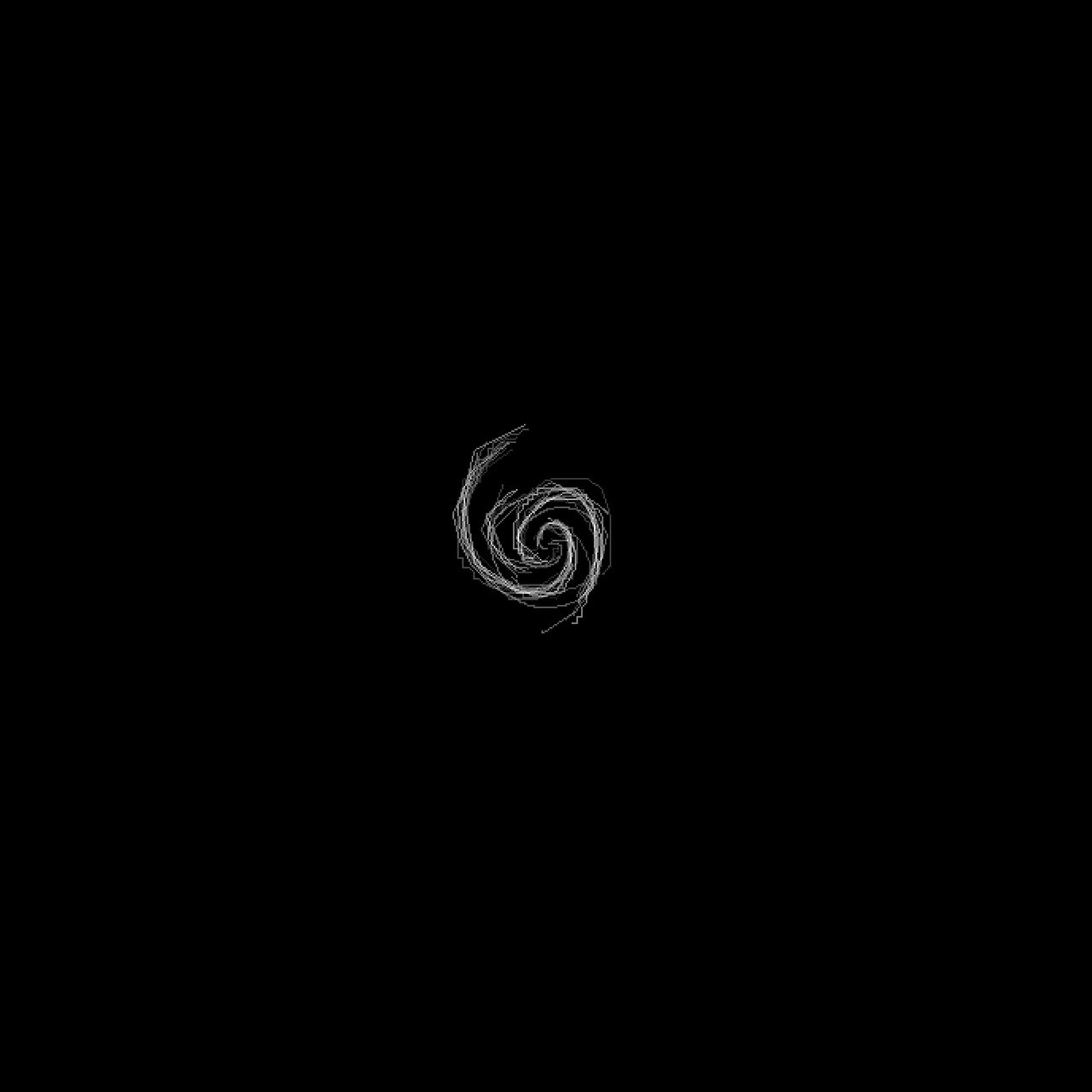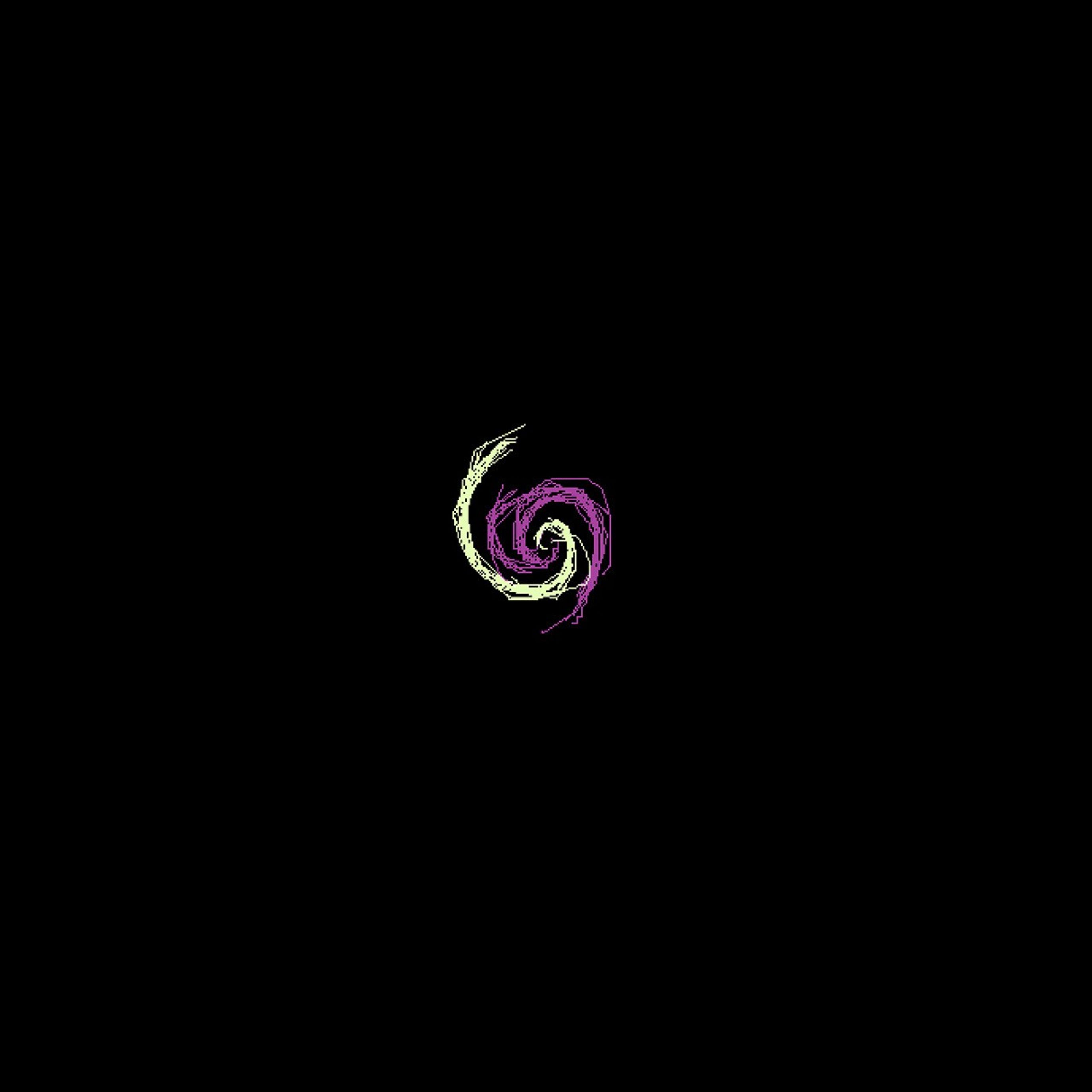














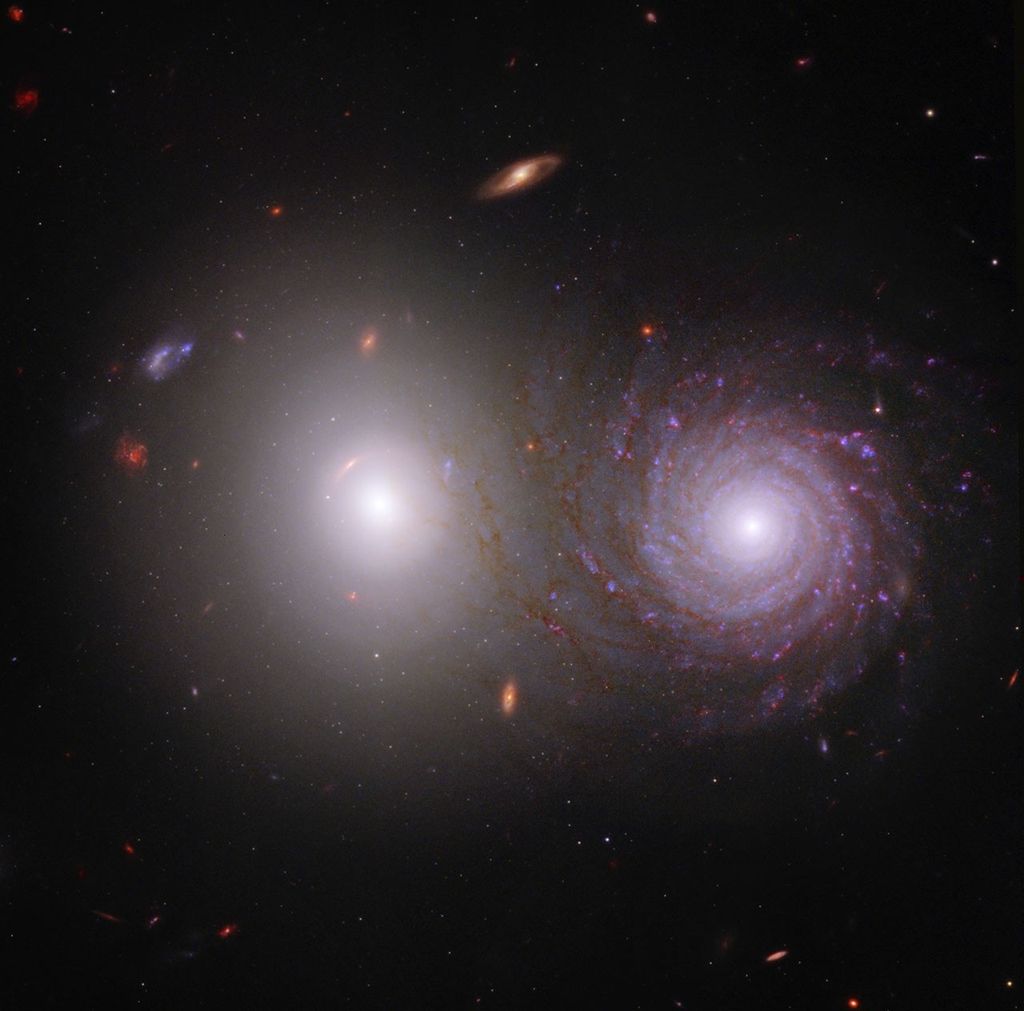




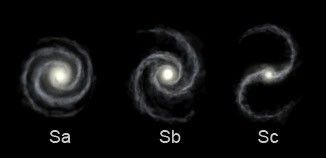
How big is the black hole in the center of that galaxy? Just look at its spiral arms for clues! Some spiral galaxies have arms that are wound up like a tight spring. In others, the arms curl loosely, like a pinwheel. NASA’s new Spiral Graph: Cluster Buster project invites you to help map the arms of spiral galaxies. The tightness of the winding can reveal a galaxy’s dark matter content or the mass of the black hole in its center.
“It's breathtaking to see so many curious minds from across the world come together to study the arms of these spiral galaxies,” said project volunteer and team member Ankit Biswas. “To sustain a project where so many people can unite and help us continue the search for understanding is an amazing feeling."
The Spiral Graph: Cluster Buster project builds on an earlier citizen science project called simply “Spiral Graph.” In this older project, volunteers made tracings of the arms in more than 20,000 images of galaxies. You’ll examine these tracings and compare them to the output of a computer model that tried to organize them into discrete arms. You’ll check that the computer did its job correctly and help scientists train new and better models that use artificial intelligence.
Anyone can take part in Spiral Graph: Cluster Buster. No special training is needed – just curiosity and attention to detail. But for those interested in learning more about galaxies, the project’s team has developed three high school-level modules covering the fundamentals of galaxies: the history of galaxies, types of galaxies, and galaxy formation and organization. The modules can help people who want to learn more about galaxies and anyone who wants to share more about galaxies with students or other groups. All the modules can be found in the Education section of the project website. Each module includes a link to a five-question quiz that you can use to test your own learning or that of your learners.
Join Spiral Graph: Cluster Buster if you love galaxies with spirals. Your work will help astronomers search for rare black holes and study how galaxies evolve. You can also try another NASA project about galaxies, like Galaxy Zoo: Tidal Tales.