


















APOD
Astronomy Picture of the Day
Discover the cosmos! Each day a different image or photograph of our fascinating universe is featured, along with a brief explanation written by a professional astronomer.

Auroras and the Magnetosphere of Jupiter
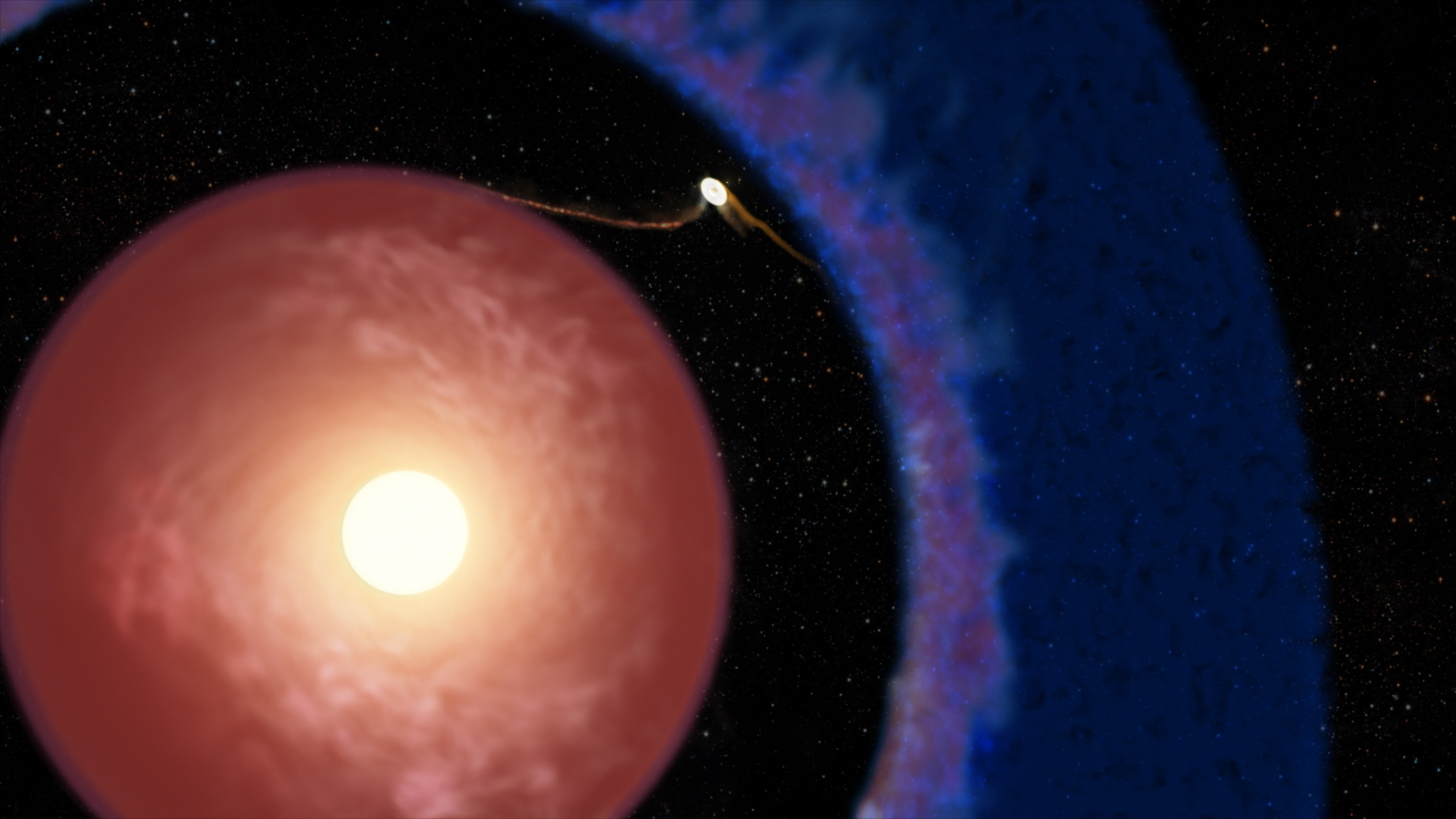
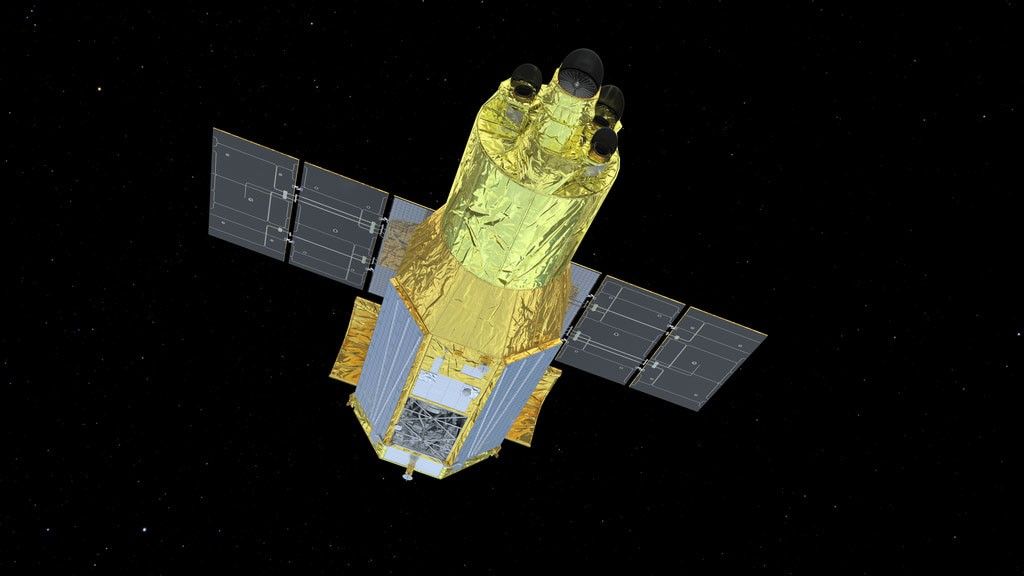
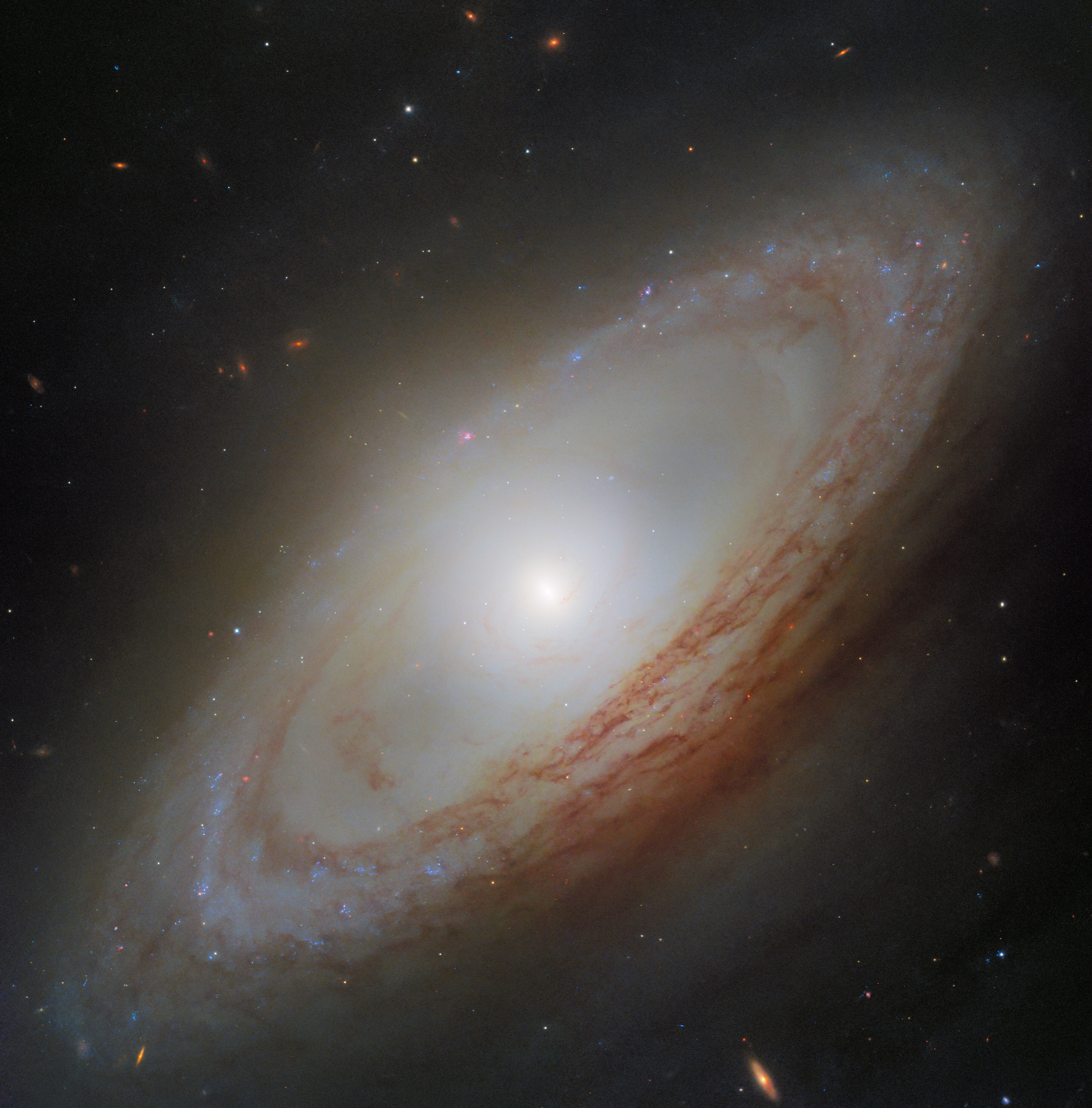
Explanation: Jupiter has auroras. Like near the Earth, the magnetic field of our Solar System 's largest planet compresses when impacted by a gust of charged particles from the Sun . This magnetic compression funnels charged particles towards Jupiter 's poles and down into the atmosphere. There, electrons are temporarily excited or knocked away from atmospheric gases, after which, when de-exciting or recombining with atmospheric ions, auroral light is emitted. The featured illustration portrays the magnificent magnetosphere around Jupiter in action. In the inset image released last month, the Earth-orbiting Chandra X-ray Observatory shows unexpectedly powerful X-ray light emitted by Jovian auroras, depicted in false-colored purple. That Chandra inset is superposed over an optical image taken at a different time by the Hubble Space Telescope . This aurora on Jupiter was seen in October 2011 , several days after the Sun emitted a powerful Coronal Mass Ejection (CME).
| Date | April 6, 2016 |
|---|---|
| Credit | Illustration Credit: JAXA ; Inset Image Credit: NASA , ESA , Chandra , Hubble |
| Authors & editors: | Robert Nemiroff (MTU) & Jerry Bonnell (UMCP) |
| A service of: |
ASD at NASA / GSFC, NASA Science Activation & Michigan Tech. U. |