





















General Investigator Program
Scientists are invited to submit proposals for funding to support science investigations with Roman.
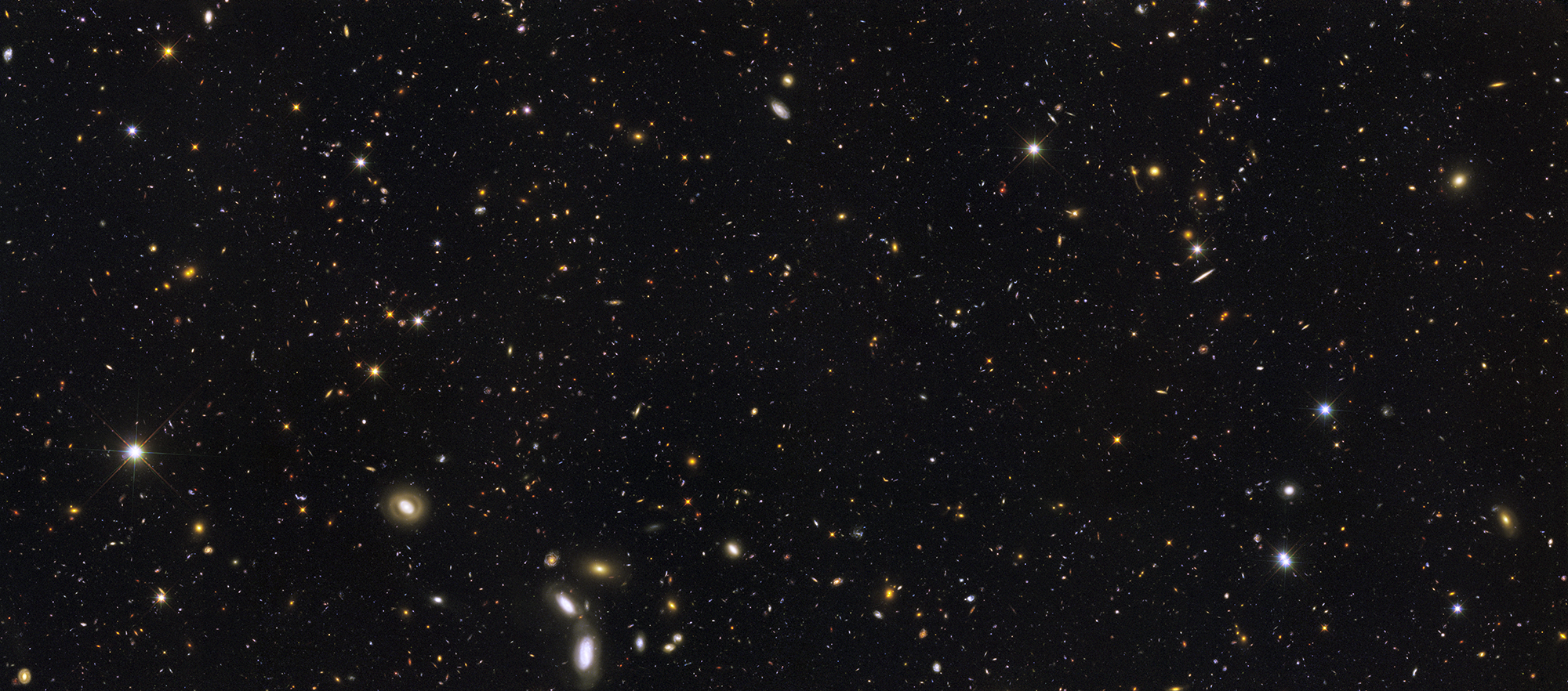
Probing dark matter, dark energy, and exoplanets as thoroughly as Roman will do automatically gives astronomers a treasure trove of data they can comb through for many other purposes, too. That includes discovering and characterizing rogue planets, isolated black holes, starquakes, kilonova explosions, nebulae, cosmic voids, the interstellar medium, stellar streams, planet-forming disks around nearby stars, and much more.
The Roman team will issue calls for proposals each year of Roman's five-year primary mission, giving astronomers opportunities to request research funding to support investigations that rely on data Roman will collect through its planned surveys. Some of the proposal calls may also solicit new observations.
In the summer of 2026, NASA selected 118 proposals for research funding submitted by scientists from across the nation. The selections span an enormous range of science themes, stretching from our outer solar system nearly to the edge of the observable universe. Several of the largest funding awards are detailed below. Scientists will be able to draw on the resources these teams create to conduct extraordinary science for many years to come.
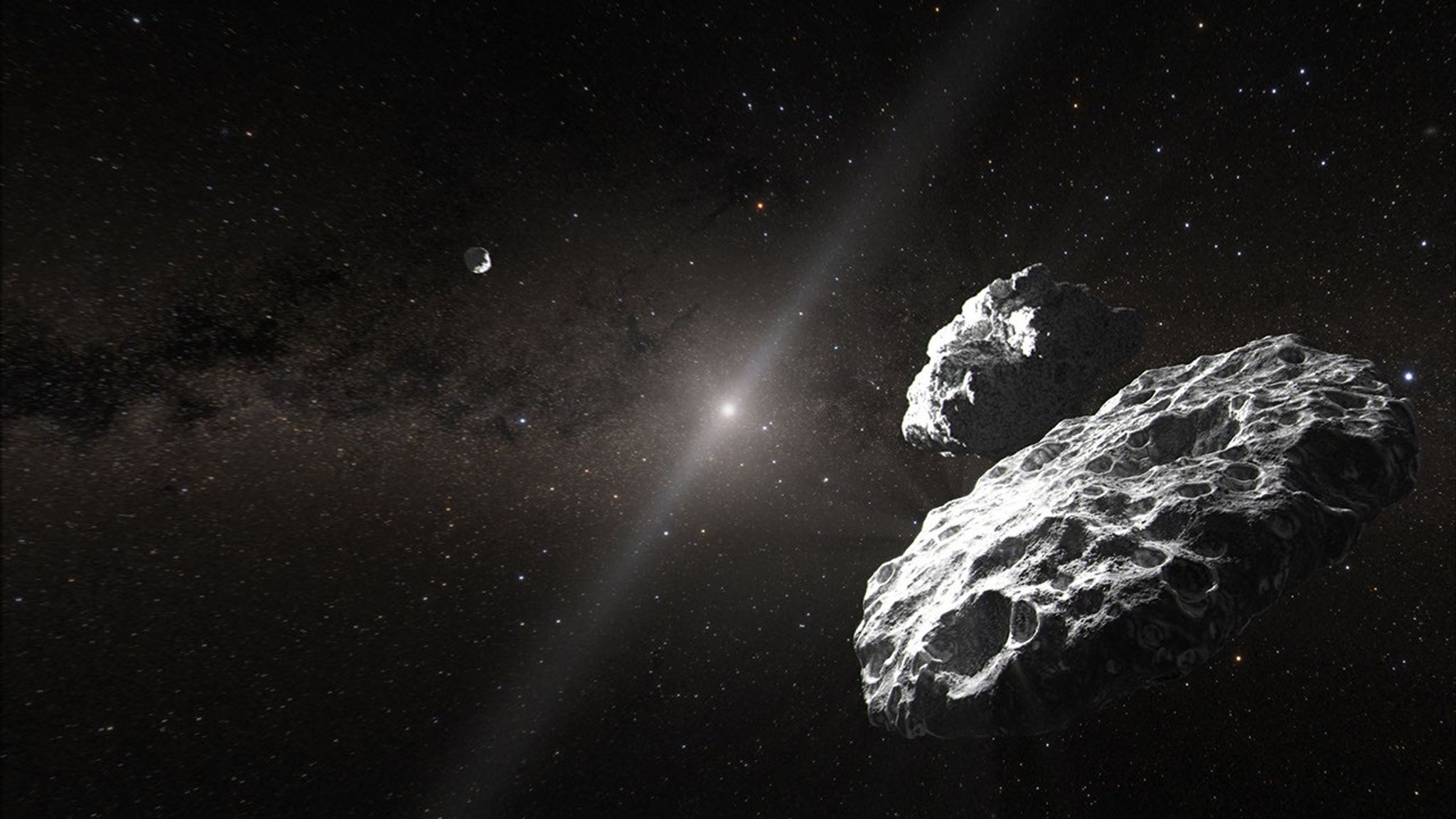
1,000 new Kuiper Belt objects
One team will conduct a deep-drilling expedition in the Kuiper Belt. This doughnut-shaped region lies beyond Neptune’s orbit and is home to large, frozen bodies like Pluto and millions of comets.
Roman’s Galactic Bulge Time-Domain Survey will peer toward the heart of our galaxy repeatedly to monitor hundreds of millions of stars. Since the survey’s location overlaps with the Kuiper Belt, the time-lapse movies it creates will also enable scientists to find and study around 1,000 previously undetected Kuiper Belt objects.
The team will measure the objects' orbits, sizes, shapes, rotation speeds, colors, and even determine whether they're single objects or pairs. The goal is to learn how these distant objects formed and evolved, and compare different groups of objects in the outer solar system.
100,000 strange new worlds
The same core survey, which primarily aims to find planets via the microlensing method, will also discover around 100,000 transiting exoplanets. These worlds temporarily dim their host star’s light as they cross in front of, or transit, them.
One project will analyze the survey data and create a catalog of candidate planets and their host stars. Researchers will release these to the public shortly after each of the survey’s six observing seasons, and then create a final dataset once the survey is complete. Mining the catalog will help astronomers better understand the differences between planets around different types of stars and in different parts of the galaxy.
Tracking 200 million stars
Roman’s Galactic Bulge Time-Domain Survey will also allow scientists to measure the positions of 200 million stars extremely precisely throughout Roman’s five-year primary mission. One project will use those measurements to find and study otherwise invisible objects like black holes and other dead stars by seeing how their gravity shifts nearby stars.
The team will develop tools to identify these signals, measure the hidden objects’ masses, and build a large collection scientists can analyze to better understand how black holes and other stellar remnants are distributed throughout the galaxy.
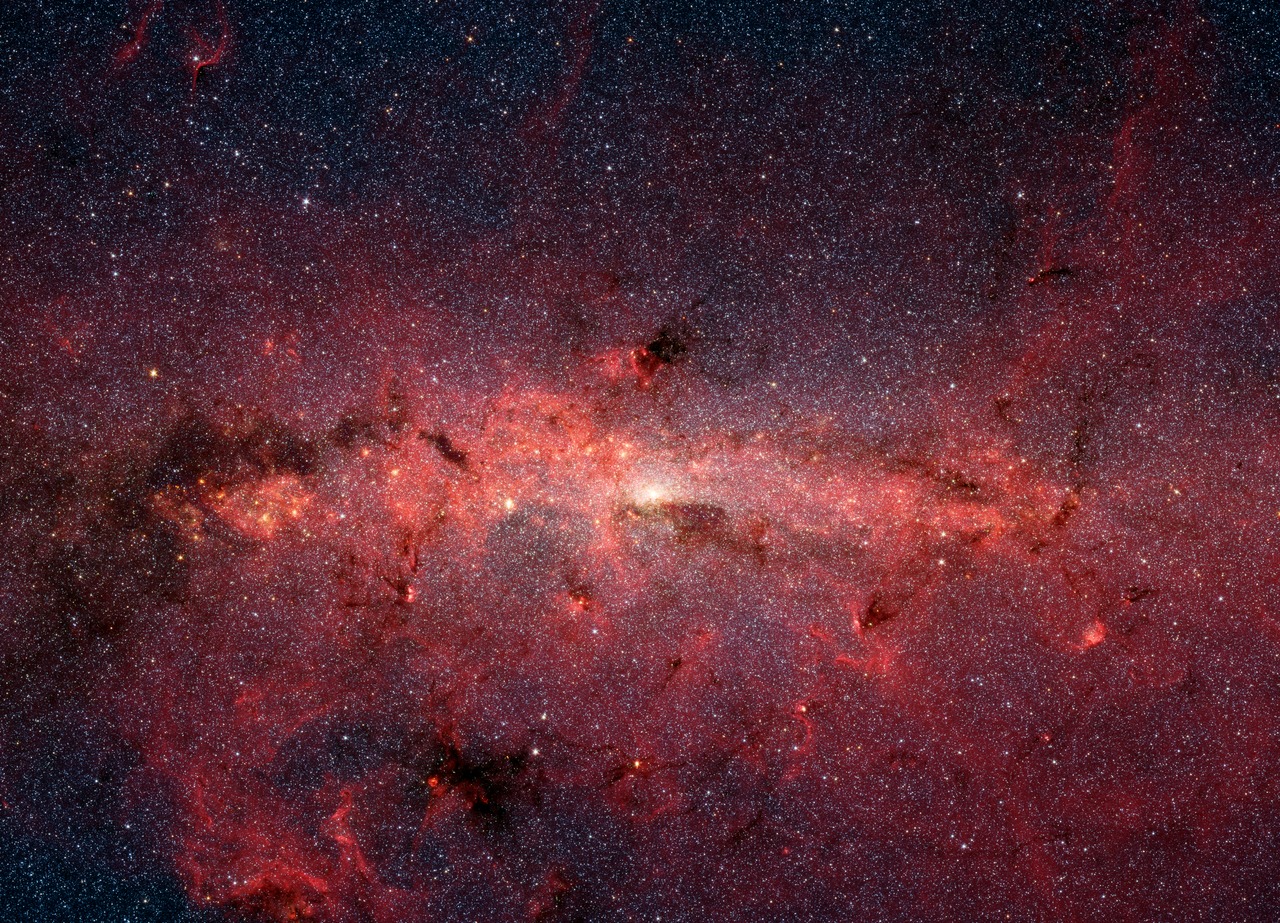
Mapping the Milky Way’s heart
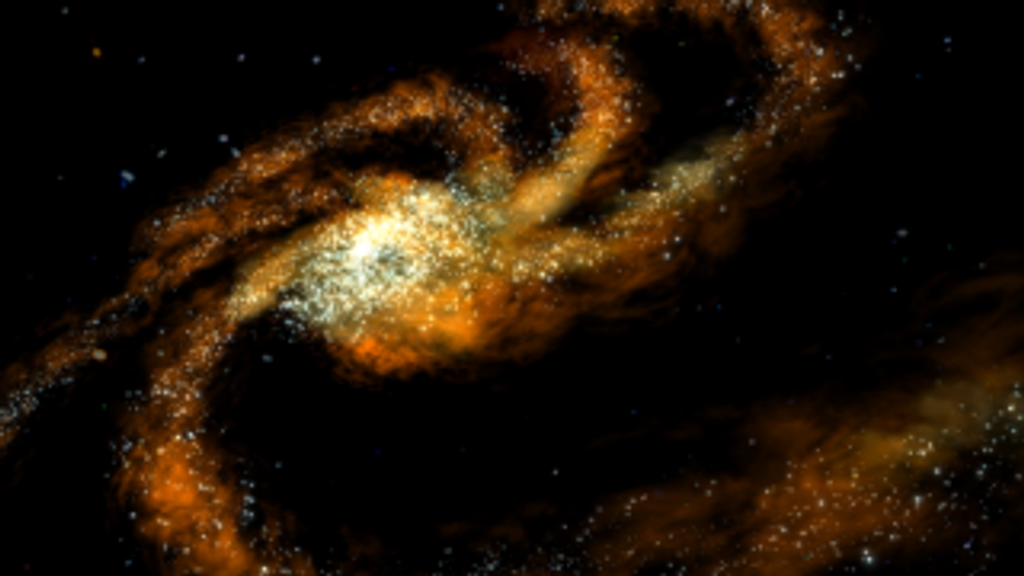
Yet another project relies on Roman’s Galactic Bulge Time-Domain Survey, this time focused on monitoring star positions in the very center of the galaxy. The team’s objective: create the most detailed map ever created of the heart of the Milky Way.
The survey will track the motions of about 7 million stars in this region, far more than any previous study. Compiling and analyzing this data will help researchers better understand the structure and evolution of the galactic core, including the area around the central supermassive black hole.
That includes how stars form in extreme conditions, since the heart of our galaxy is flooded with radiation from densely packed stars (including massive ones that emit enormous amounts of high-energy ultraviolet light and X-rays). The team will also search for star clusters that are breaking apart and trace how clusters evolve over time.
Expanding our Milky Way maps
A different observation program, called the Galactic Plane Survey, will map a far larger swath of the Milky Way. One project will take that raw imaging data and turn it into useful resources for scientists.
That includes catalogs of the survey’s 20 billion or so stars and their properties along with a 3D map of the galaxy’s dust, showing where it’s located and how it dims starlight across the survey area. Combining all this information will offer astronomers the most complete picture yet of the inner Milky Way’s stars and structure.
Credit: NASA’s Goddard Space Flight Center/CI Labs
Group photos of planets
One team will use Roman’s Wide Field Instrument to take photographs of planets and dusty disks around other stars. While Roman is equipped with a Coronagraph designed to use this method, called direct imaging, it focuses on one star at a time. The team will develop special image-processing methods to remove the glare from stars to enable direct imaging en masse with the Wide Field Instrument.
Using observations from Roman’s High-Latitude Wide-Area Survey, researchers anticipate they will discover around 100 brown dwarfs — in-between objects that are too heavy to be classified as planets, but not quite massive enough to become stars — along with several debris disks and a handful of planets.
Cosmic baby pictures
Another project will use data from the same survey to probe galaxies and black holes that existed when the universe was very young. While most telescopes can only study the early universe in tiny patches or lower resolution, Roman will offer a crisp big-picture view that will give astronomers a much stronger sense of what the cosmos was truly like back then.
The team will create a catalog of bright galaxies that existed shortly after the big bang and look for light-bending galaxy clusters that magnify fainter distant objects. They’ll also study how black holes grow and how galaxies are clustered in space to understand the dark matter they’re embedded in, creating catalogs other scientists can draw on, too.
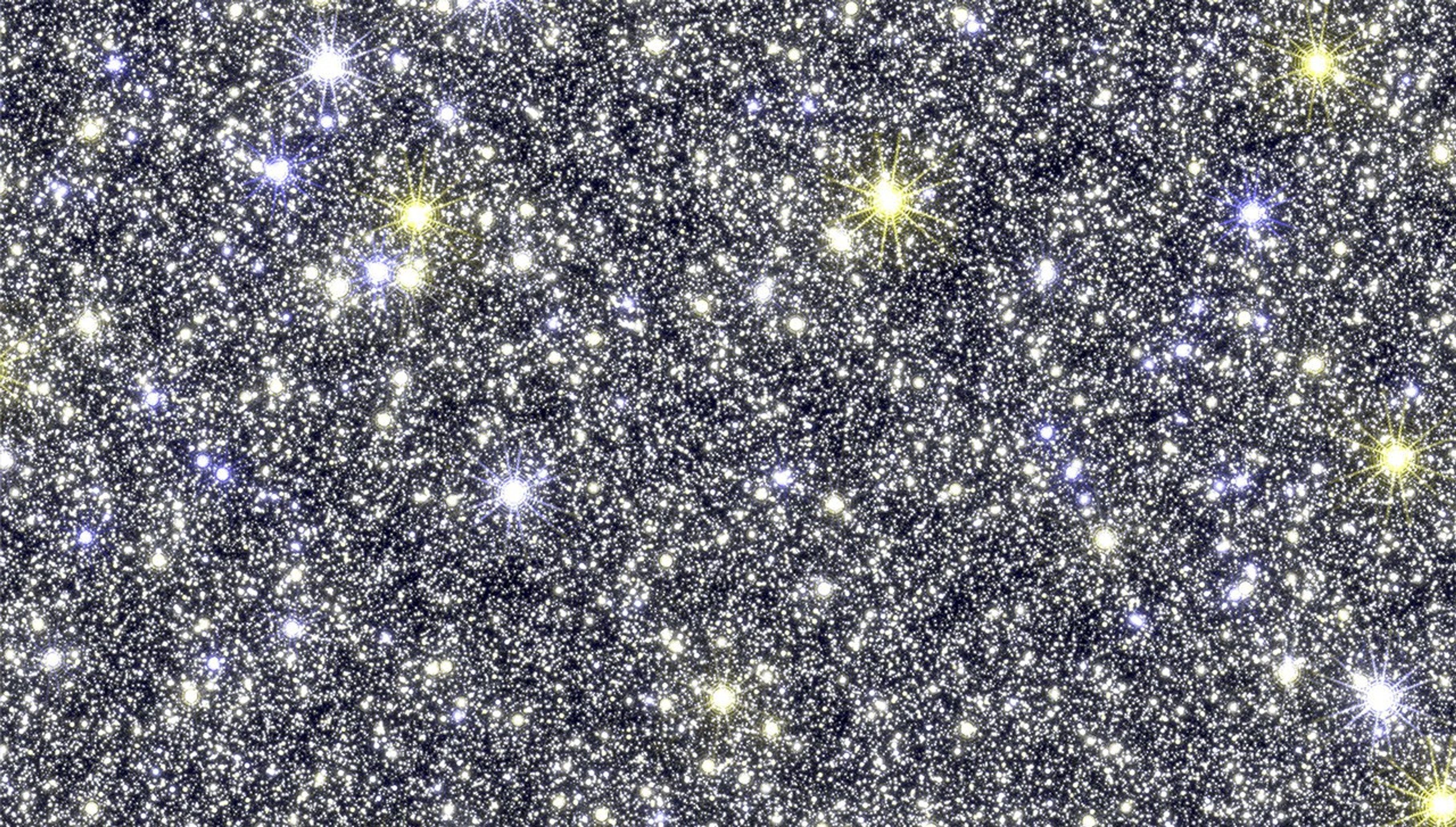
Illuminating dark energy
Roman’s High-Latitude Time-Domain Survey will spot tens of thousands of cosmic explosions, in search of a special type of supernova used to measure the universe’s expansion rate. One project will combine this data with supernova observations from other surveys to create one of the largest and highest-quality supernova datasets ever used for cosmology.
The Roman component will include very distant supernovae, which are typically beyond the reach of other telescopes. This will help astronomers study the universe at much earlier stages and better understand dark energy — the mysterious cosmic pressure thought to be speeding up the universe’s expansion.