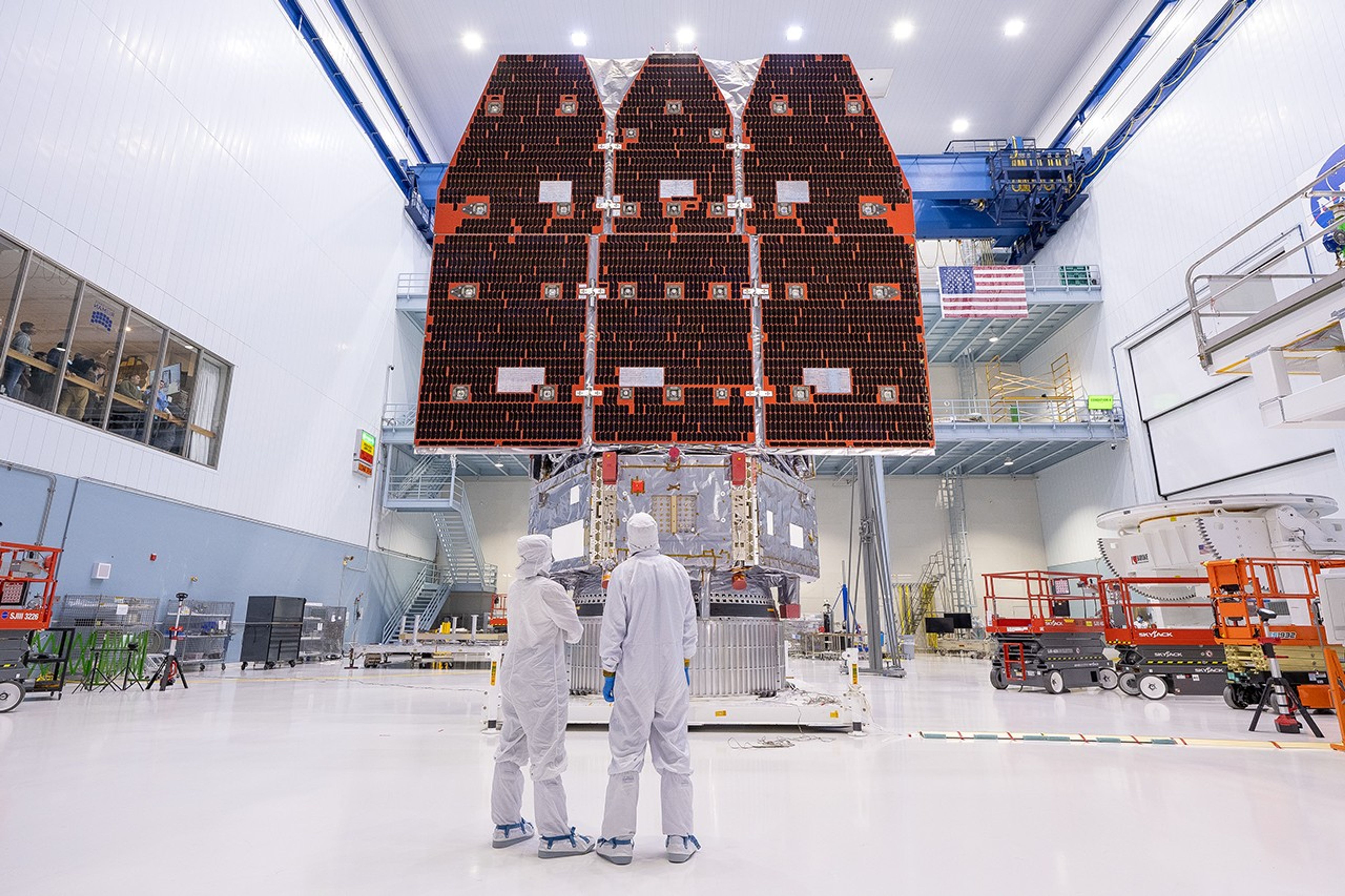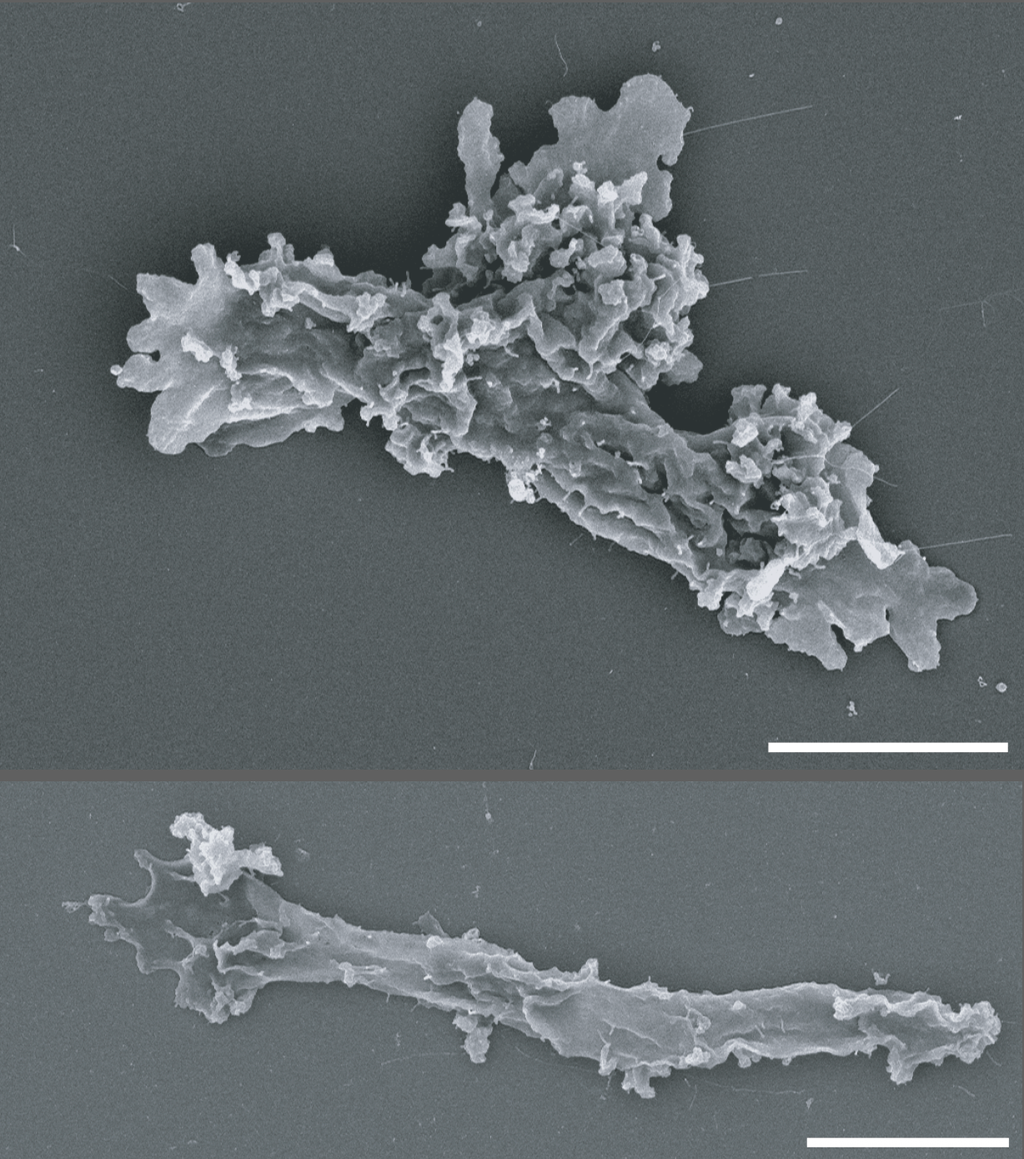
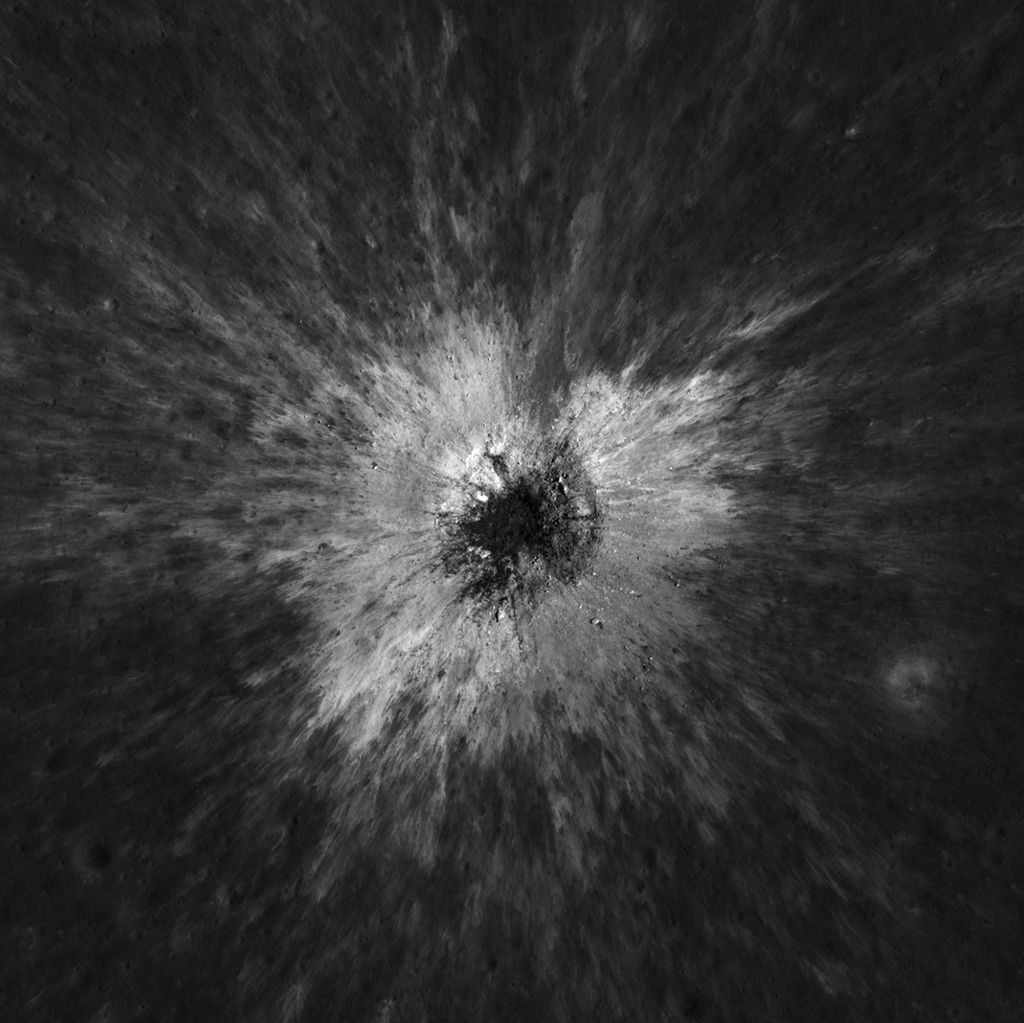






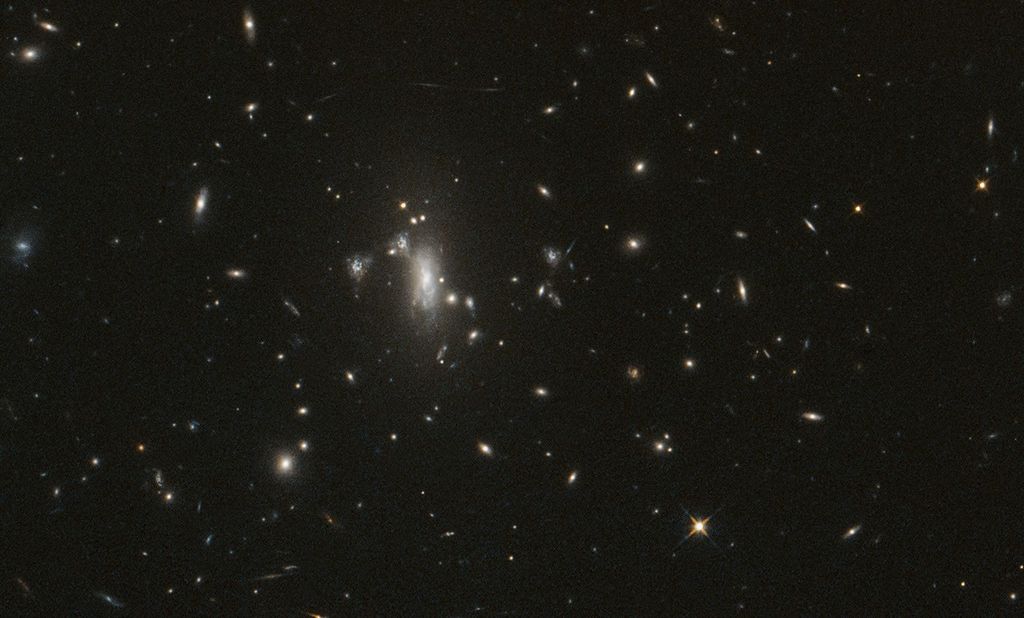

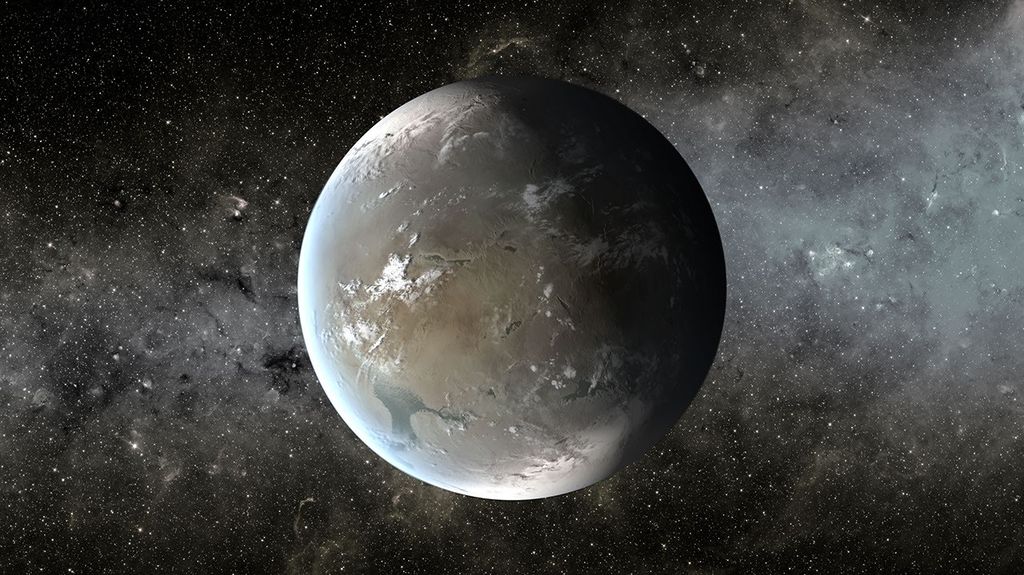
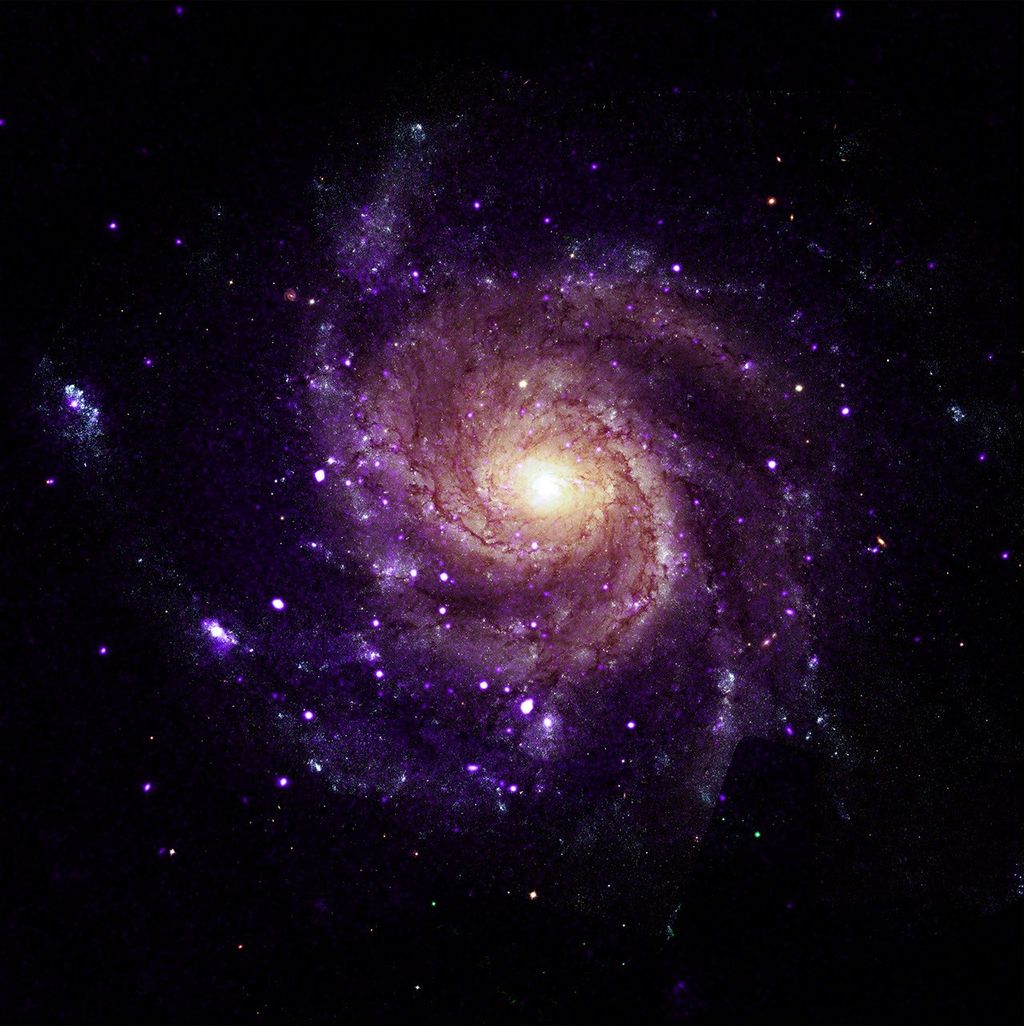









Explore the following topics of the science surveys and programs that the Roman Space Telescope will explore.
Dark Energy
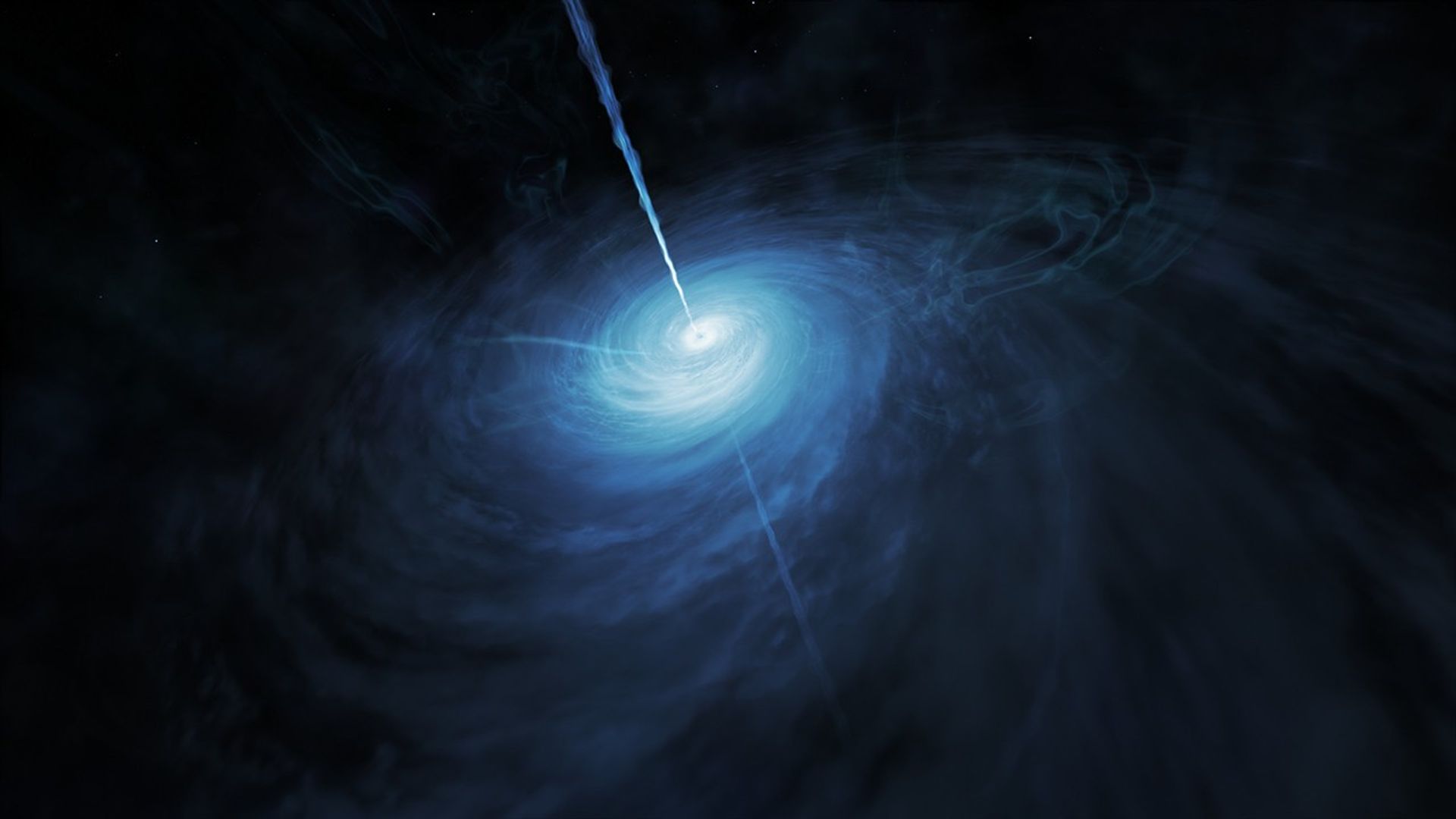
The Roman Space Telescope measurements will help illuminate the dark energy puzzle. With a better understanding of dark energy, we will have a better sense of the past and future evolution of the universe.

Exoplanets
Completing a census of Exoplanets to help answer new questions about the potential for life in the universe. This census makes use of a technique that can find exoplanets down to a mass only a few times that of the Moon.
Dark Matter
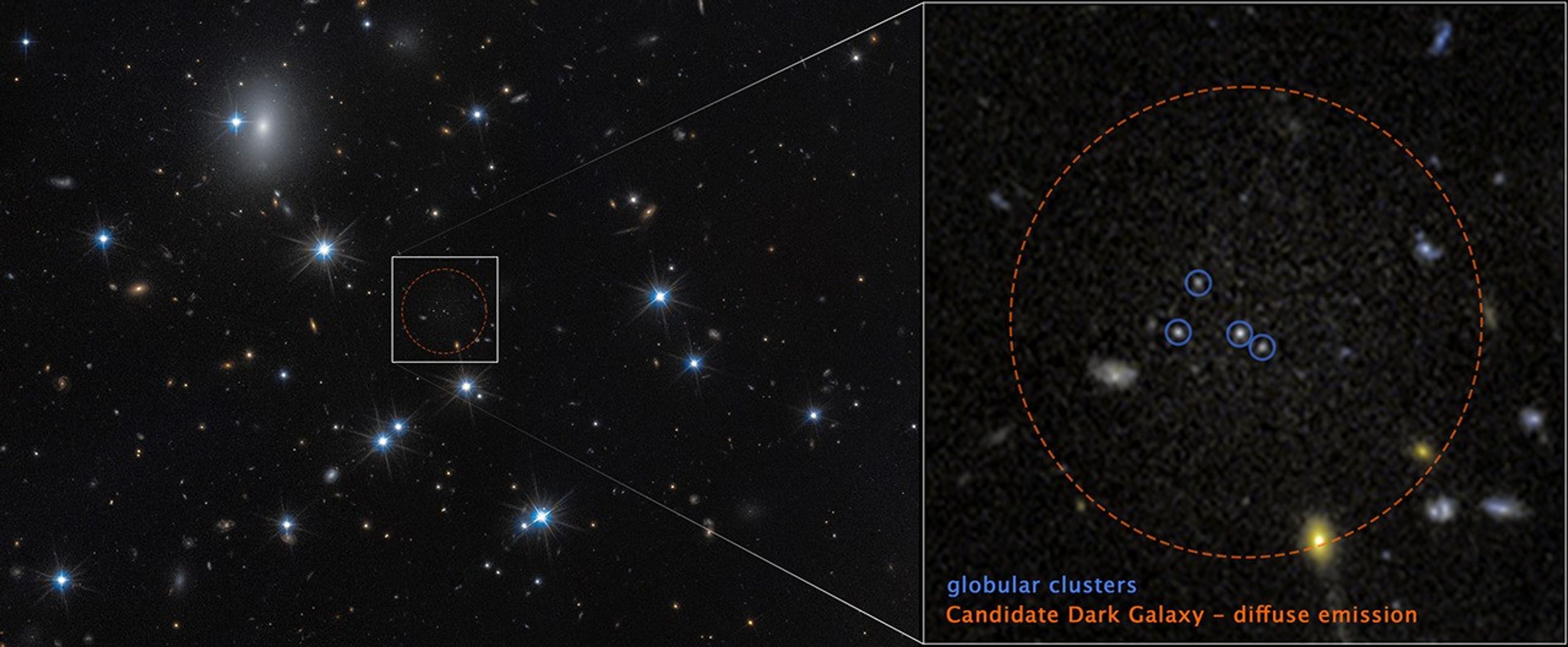
Almost completely undetectable matter whose existence is implied to explain an excess of gravity measured in galaxies and galaxy clusters.
Near Infrared
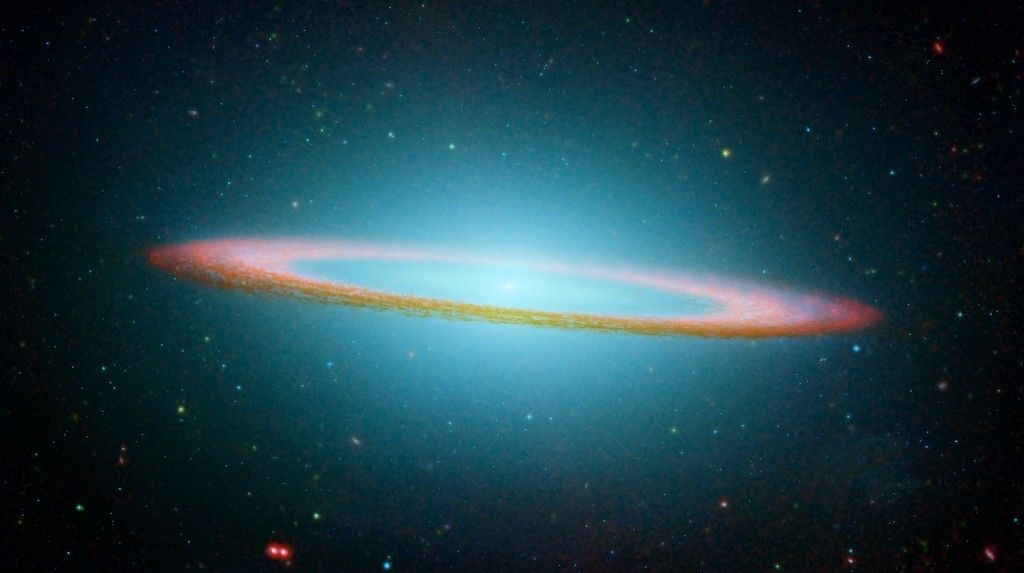
A vast astrophysics treasure trove allowing the exploration of everything from nearby stars to distant galaxies.

Baryon Acoustic Oscillations
Roman will detect vestiges of sound waves, called baryon acoustic oscillations (BAOs), that once rippled through the primordial cosmic sea.
Type Ia Supernovae
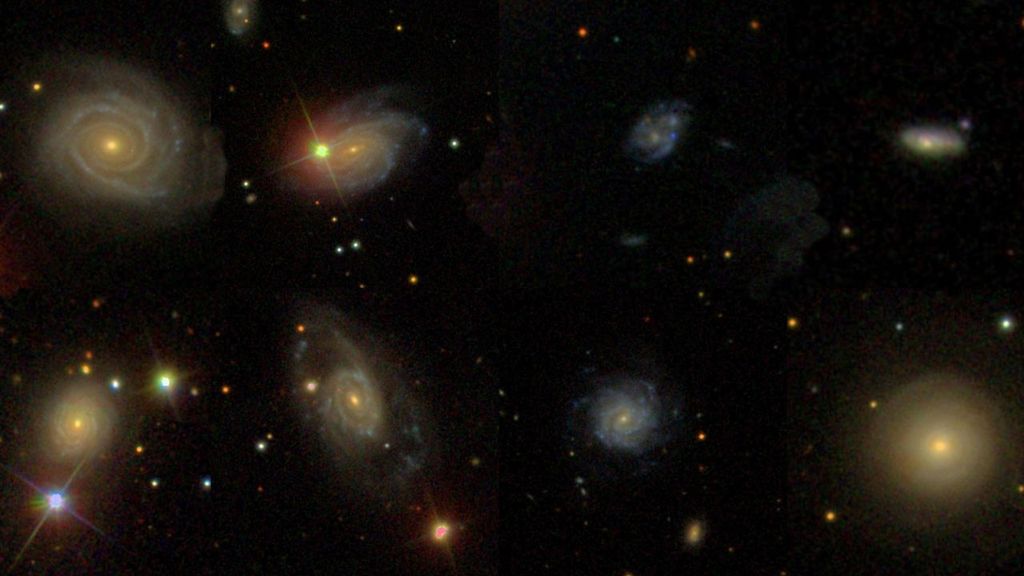
Roman will see thousands of exploding stars called supernovae across vast stretches of time and space.
Weak Lensing
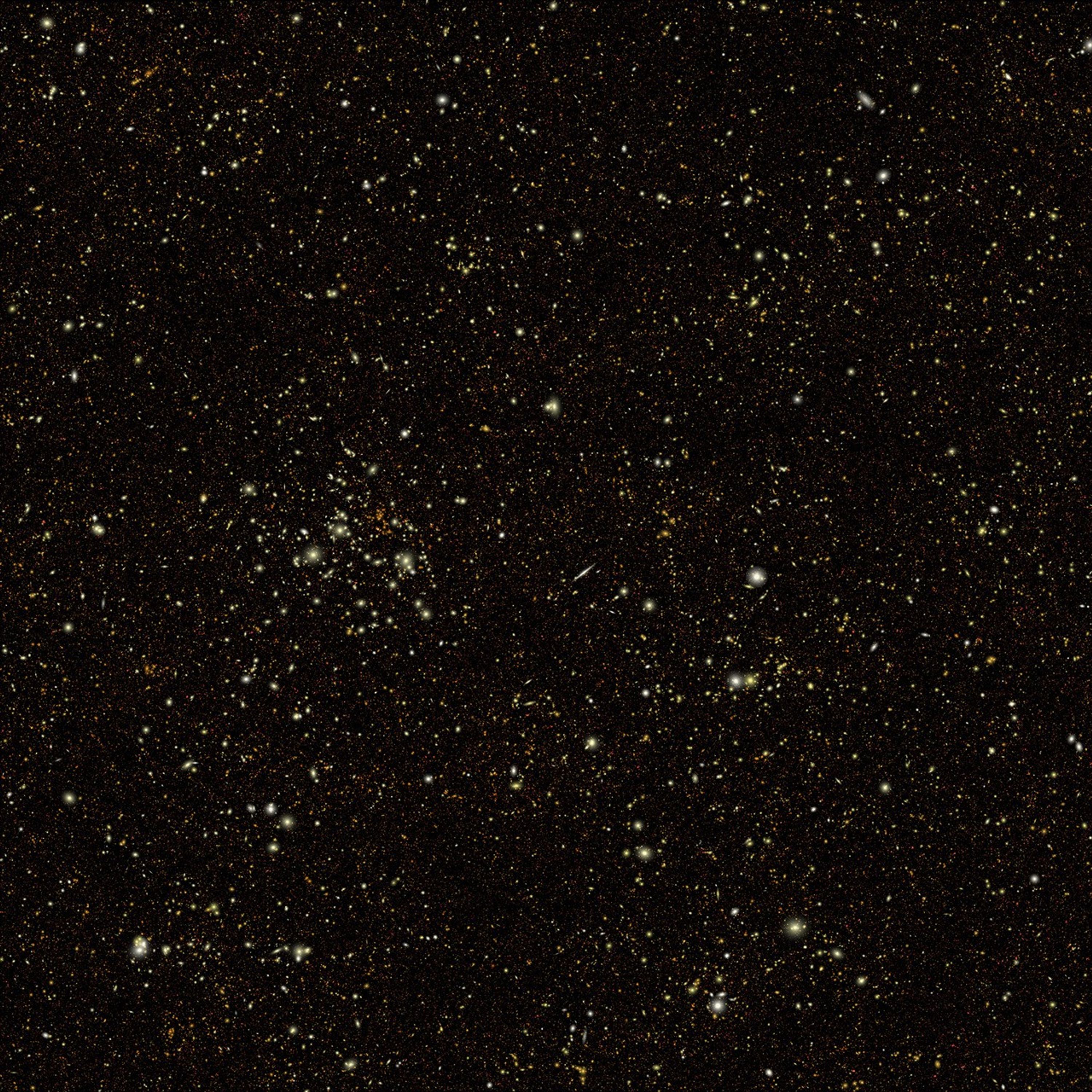
Roman will study how the universe’s web of matter has evolved by measuring how gravity subtly bends the path of light across vast distances.

General Observer Program
The Roman Space Telescope will offer a General Observer program that supports community-based observing programs.
Observation Surveys
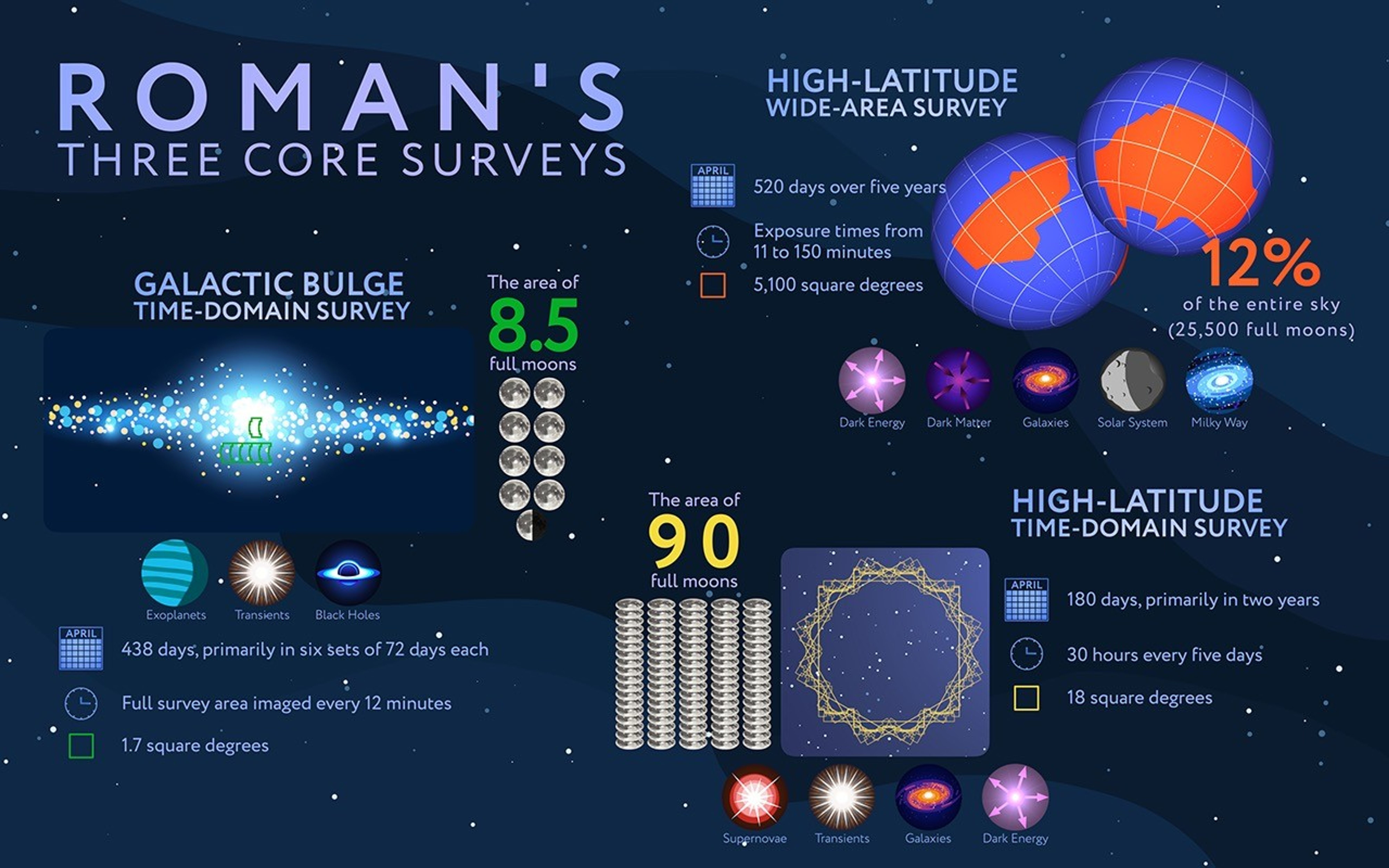
To fulfill the mission’s top-level science objectives, Roman will conduct three core community surveys.
Roman Scientist Resources
The following material is intended specifically for the Roman Science Community.
Learn More