


















Roman Launch
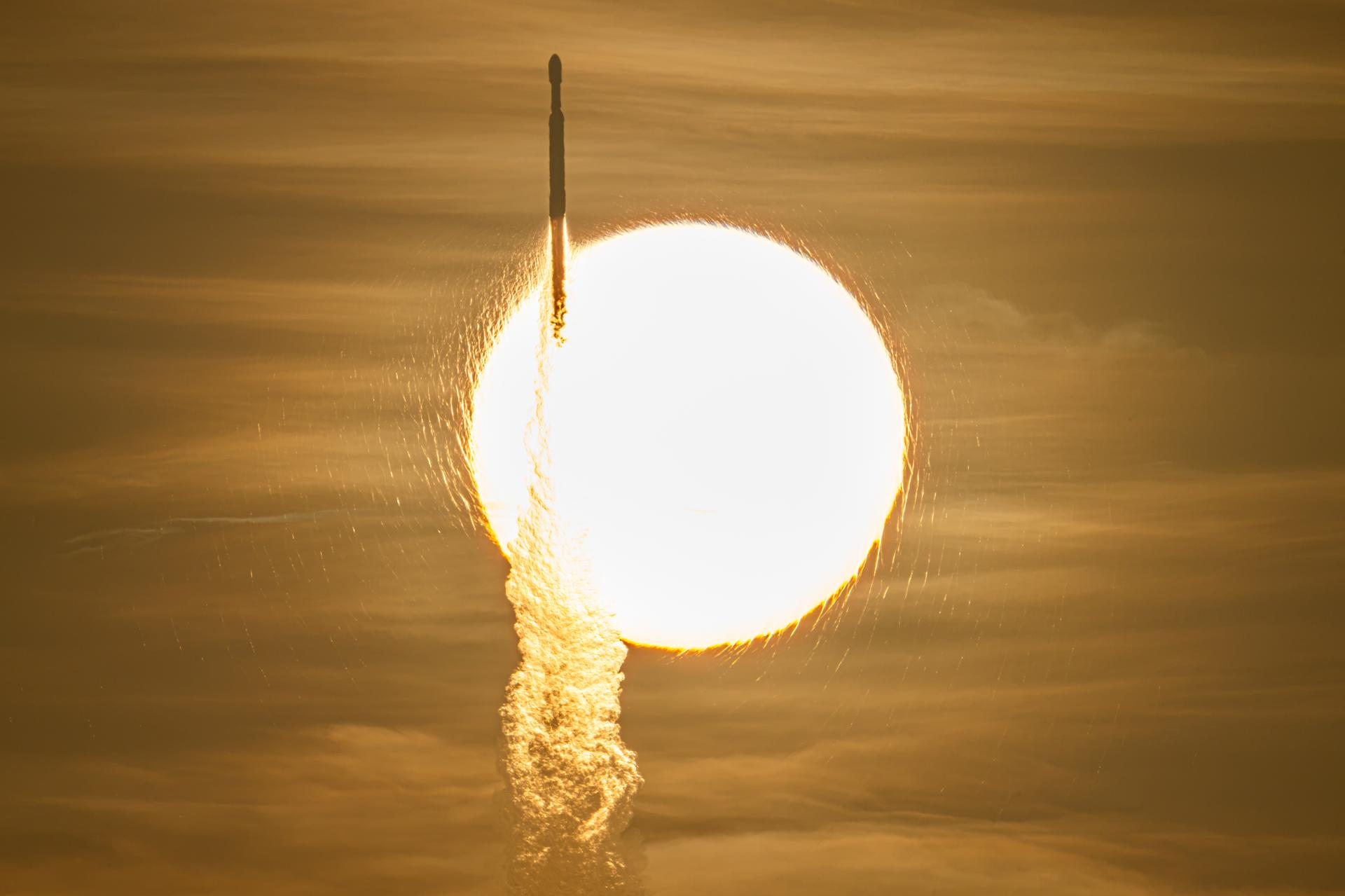
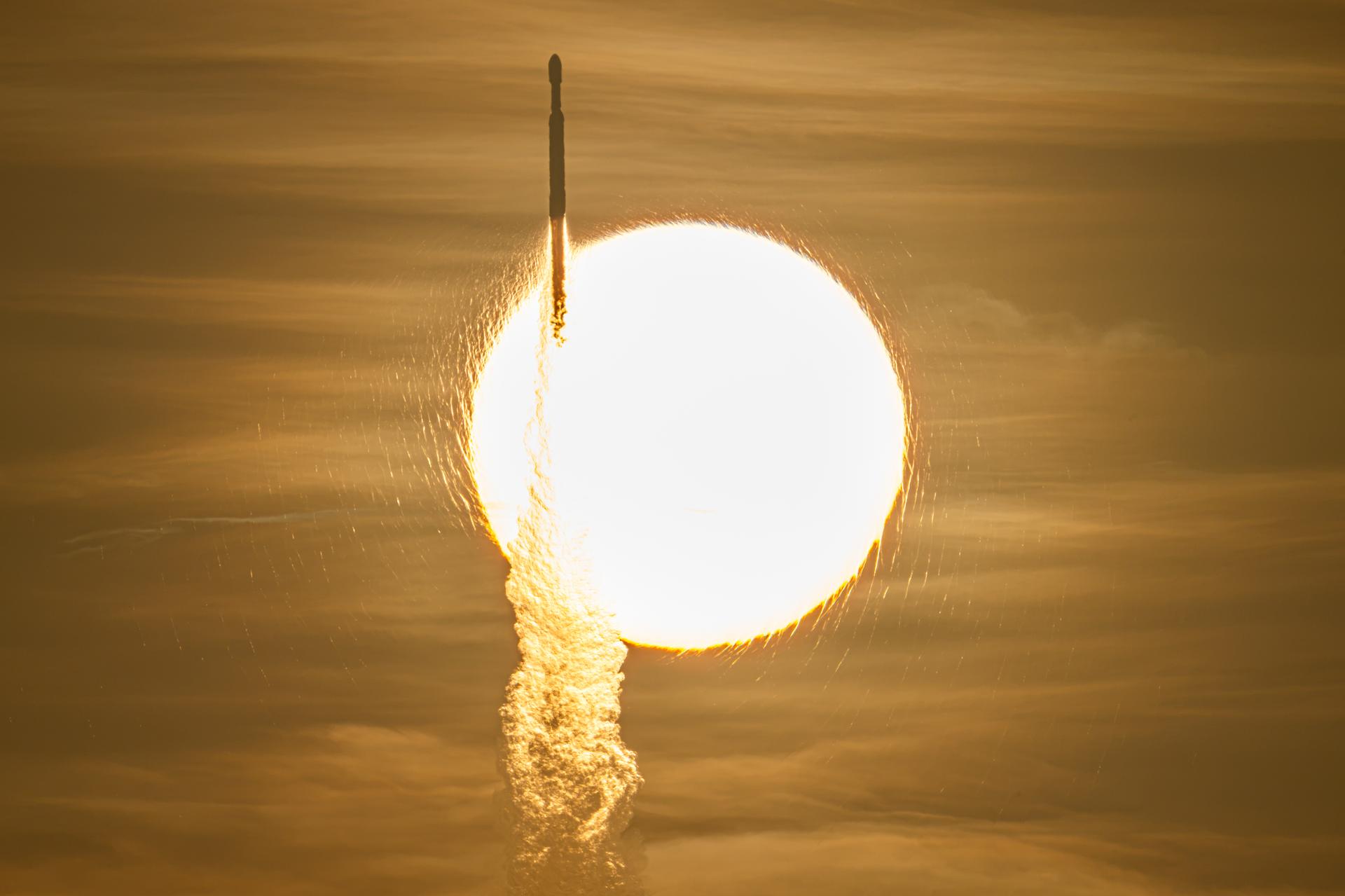
NASA’s Nancy Grace Roman Space Telescope, aboard a SpaceX Falcon Heavy rocket, launched from Launch Complex 39A at the agency’s Kennedy Space Center in Florida on Aug. 30, 2026 at 7:26 a.m. EDT.
The Falcon Heavy’s 27 Merlin engines generate more than 5 million pounds of thrust, pushing the rocket rapidly through the atmosphere and away from Florida’s spaceport. The first stage consists of a center core and two side boosters, while the second stage, mounted atop the center core, carries the Roman observatory.
Falcon Heavy passed Max Q, the point of maximum aerodynamic pressure during ascent. Max Q occurs when the combination of the rocket’s speed and surrounding air pressure places the greatest mechanical stress on the rocket.
Falcon Heavy completed a rapid series of ascent milestones. The center core reached main engine cutoff, or MECO, and seconds later the first and second stages separated. The second stage’s Merlin Vacuum engine ignited for the first second-stage engine start, or SES-1, about four minutes after launch.
Shortly after that, the Falcon Heavy’s fairing separated into two halves and returned to Earth. The fairing protected Roman during the dense lower-atmosphere portion of flight and was no longer needed after the rocket reached thinner air.
Mission controllers acquire a signal from the observatory through NASA’s Tracking and Data Relay Satellite system.
Falcon Heavy’s two side boosters completed their returns toward Florida, landing at Landing Zone 2 and Landing Zone 40. One side booster completed its first flight. The other completed its third flight after previously supporting the GOES-U and Viasat-3 F3 missions.
The Merlin Vacuum engine on the SpaceX Falcon Heavy’s second stage restarted for its second and final burn, known as second-stage engine start 2, or SES-2. The burn lasted around two minutes.
Roman remained attached to the second stage during a five-minute coast.
Roman separated from the Falcon Heavy’s second stage at 7:57 a.m. EDT and is flying on its own.
Communications were established through a NASA Tracking and Data Relay Satellite earlier in ascent at 7:33 a.m. Mission controllers will continue monitoring the observatory as it begins its journey toward an orbit around the second Sun-Earth Lagrange point, or L2, about 1 million miles from Earth.
When Roman begins science operations, the Near Space Network will transmit Roman’s high rate science data, while the Deep Space Network will continue providing critical tracking data, including the precise range and angle measurements that show ground teams where Roman is in space. Additional support for downlinking Roman data will come from ESA (European Space Agency) and JAXA (Japan Aerospace Exploration Agency), through their New Norcia and Misasa ground stations, respectively.
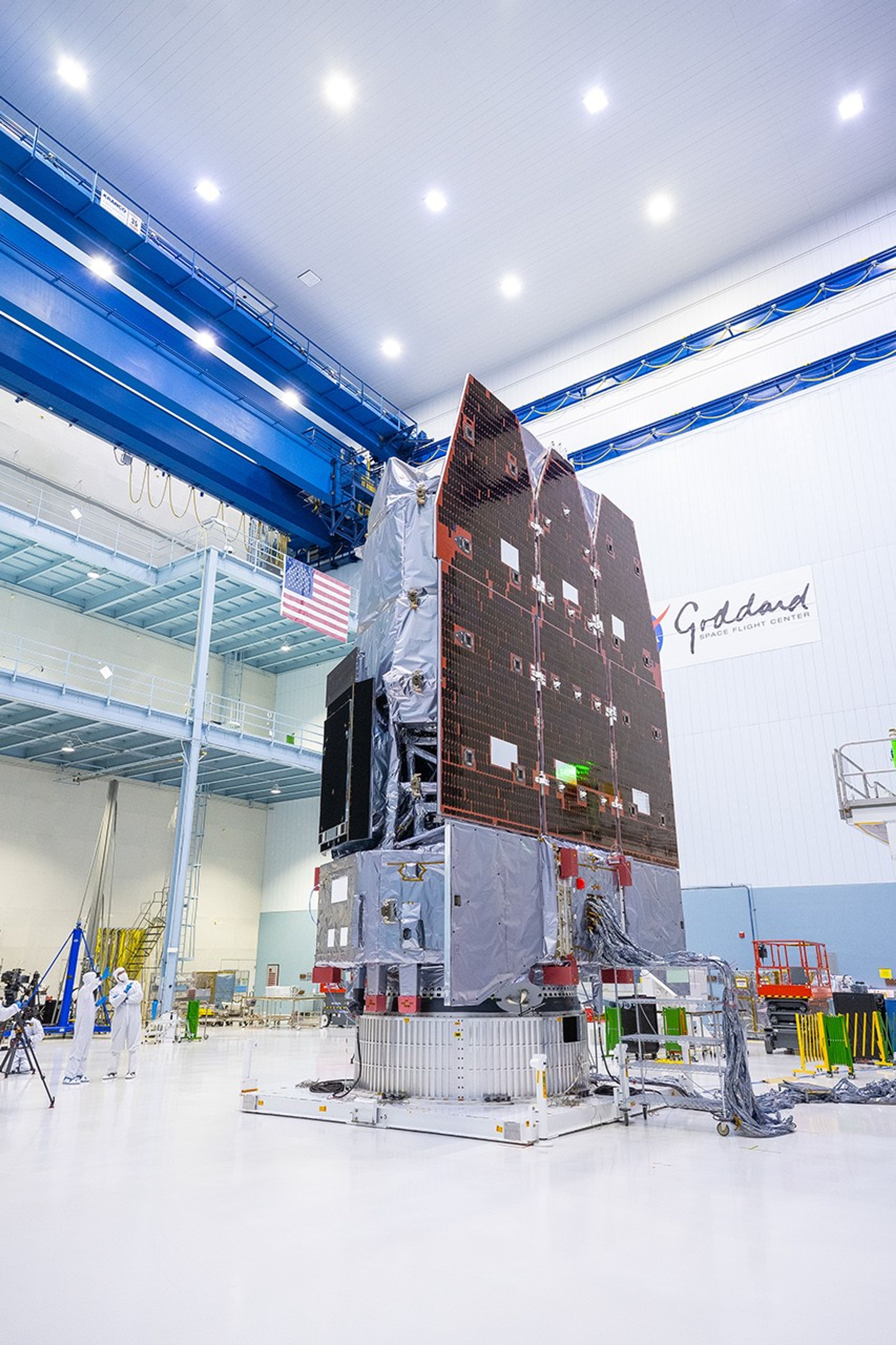
In the next 30 minutes, Roman deployed its Solar Array Sun Shield, which provides power and doubles as a thermal shield. After separation, the four outer panels swing into place to form the full six panel array, keeping the observatory powered and cool for the journey to L2.
Liftoff!
Relive Roman’s launch—and the emotion that goes along with the roar of a rocket—with NASA experts who worked on the telescope for years. Plus, learn what happens next and when to expect Roman’s first images.
Listen here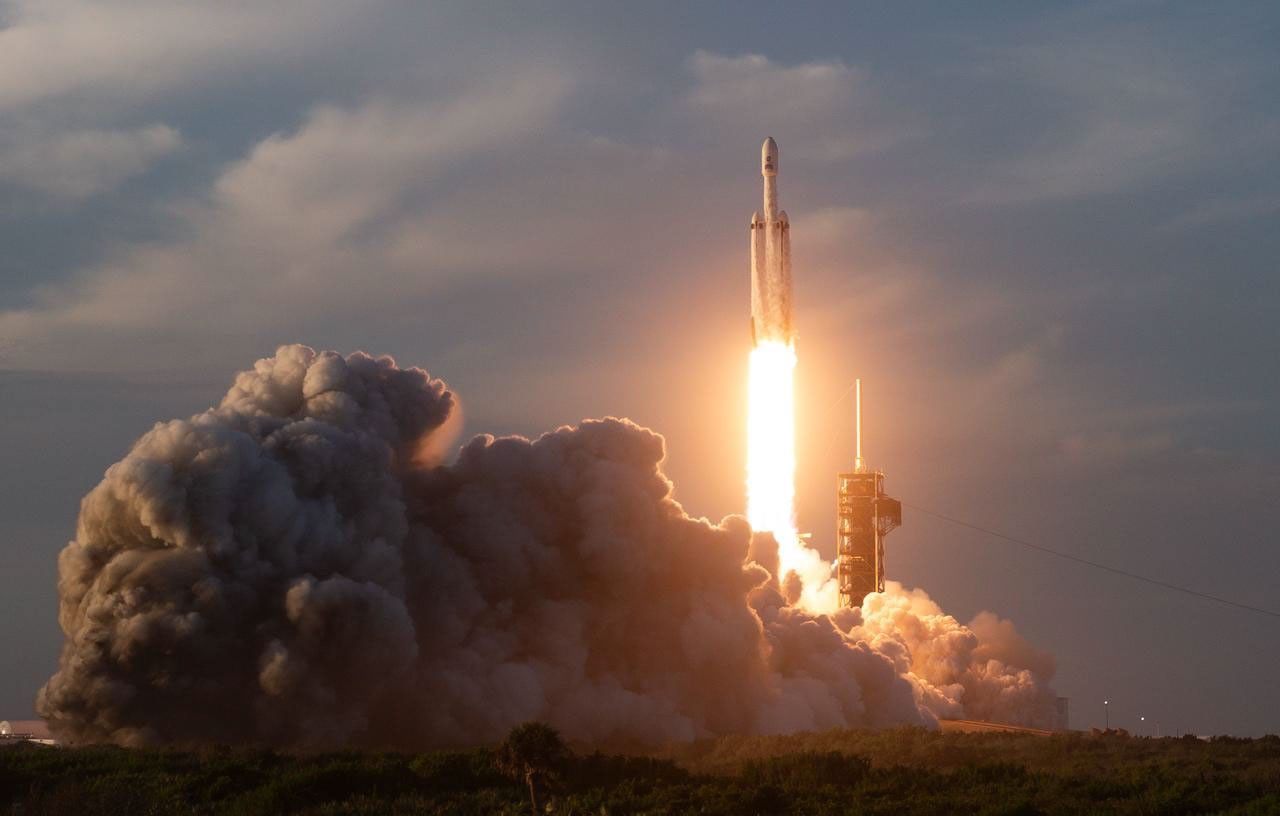
Roman's Launch Site Photos
View NASA’s Nancy Grace Roman Space Telescope photo gallery as it prepares for launch at Kennedy Space Center in Florida.
Go to Album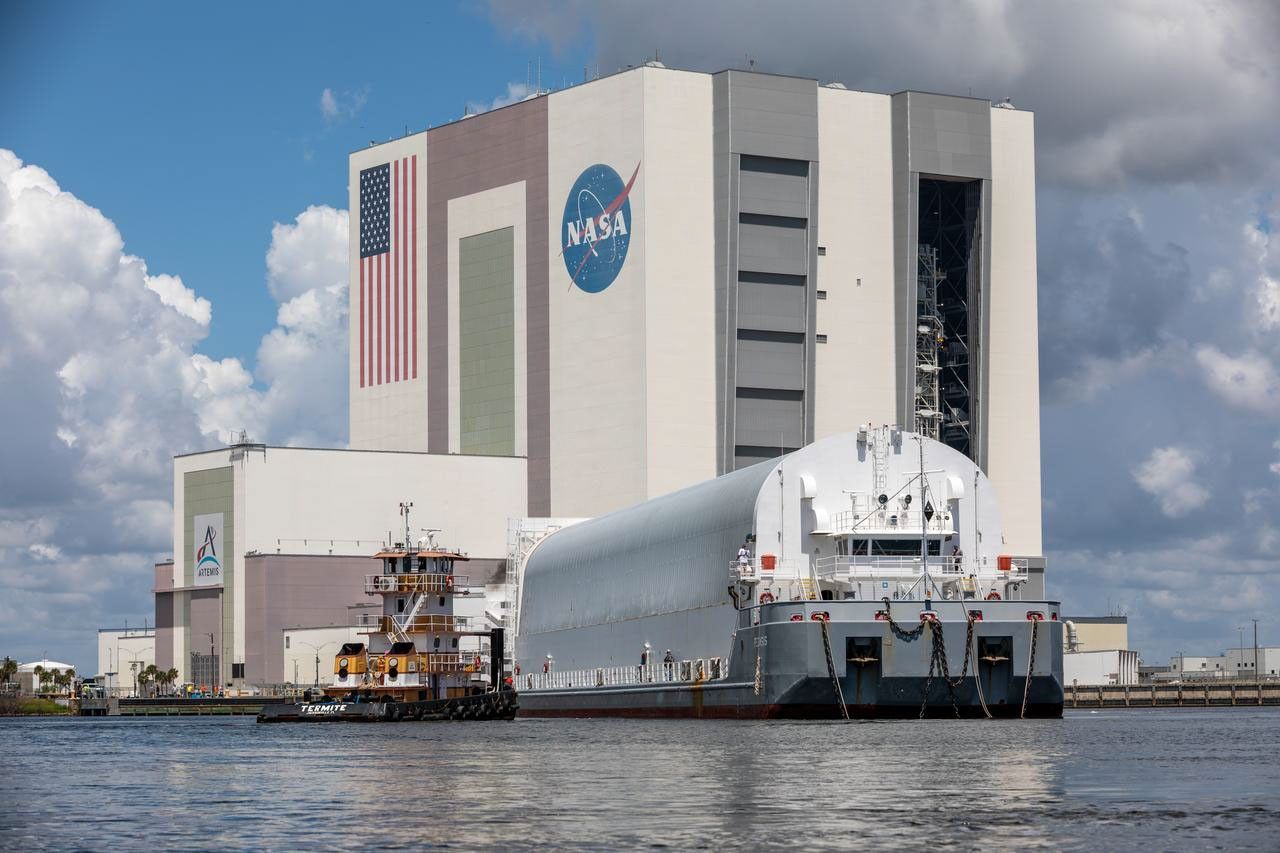
Roman Blog
Hello, World! NASA Shares New Home for Roman Space Telescope Updates. We’re kicking off the inaugural Roman blog post with a launch update: NASA’s Nancy Grace Roman Space Telescope is officially slated to launch Aug. 30, eight months ahead of schedule and even earlier than previously targeted.
Read More