










Exoplanet Citizen Science
NASA’s citizen science projects welcome members of the public to work with NASA data. Collaborating with NASA scientists, volunteers known as citizen scientists have helped make thousands of important discoveries. Learn how you too can help NASA researchers search for and study worlds beyond our solar system.
-
Exoplanet Watch
Observe transiting exoplanets with small telescopes. You do not need to own your own telescope in order to participate.
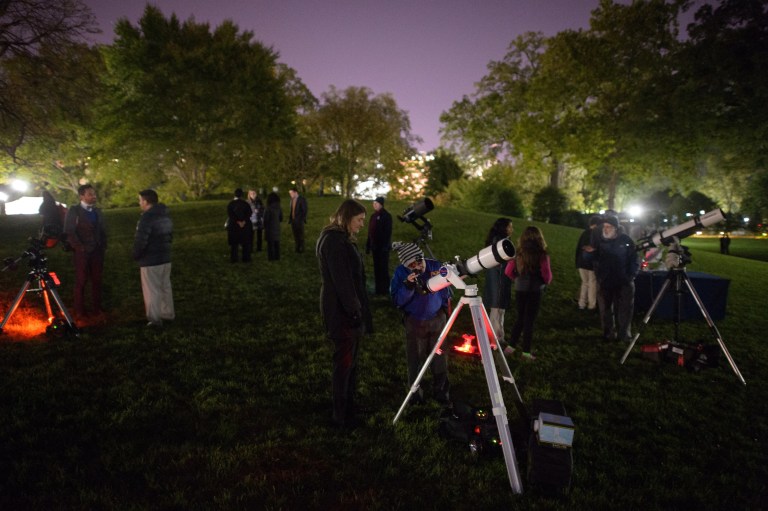 Attendees look through telescopes on the South Lawn of the White House during the second White House Astronomy Night on Monday, Oct. 19, 2015.NASA/Joel Kowsky
 -
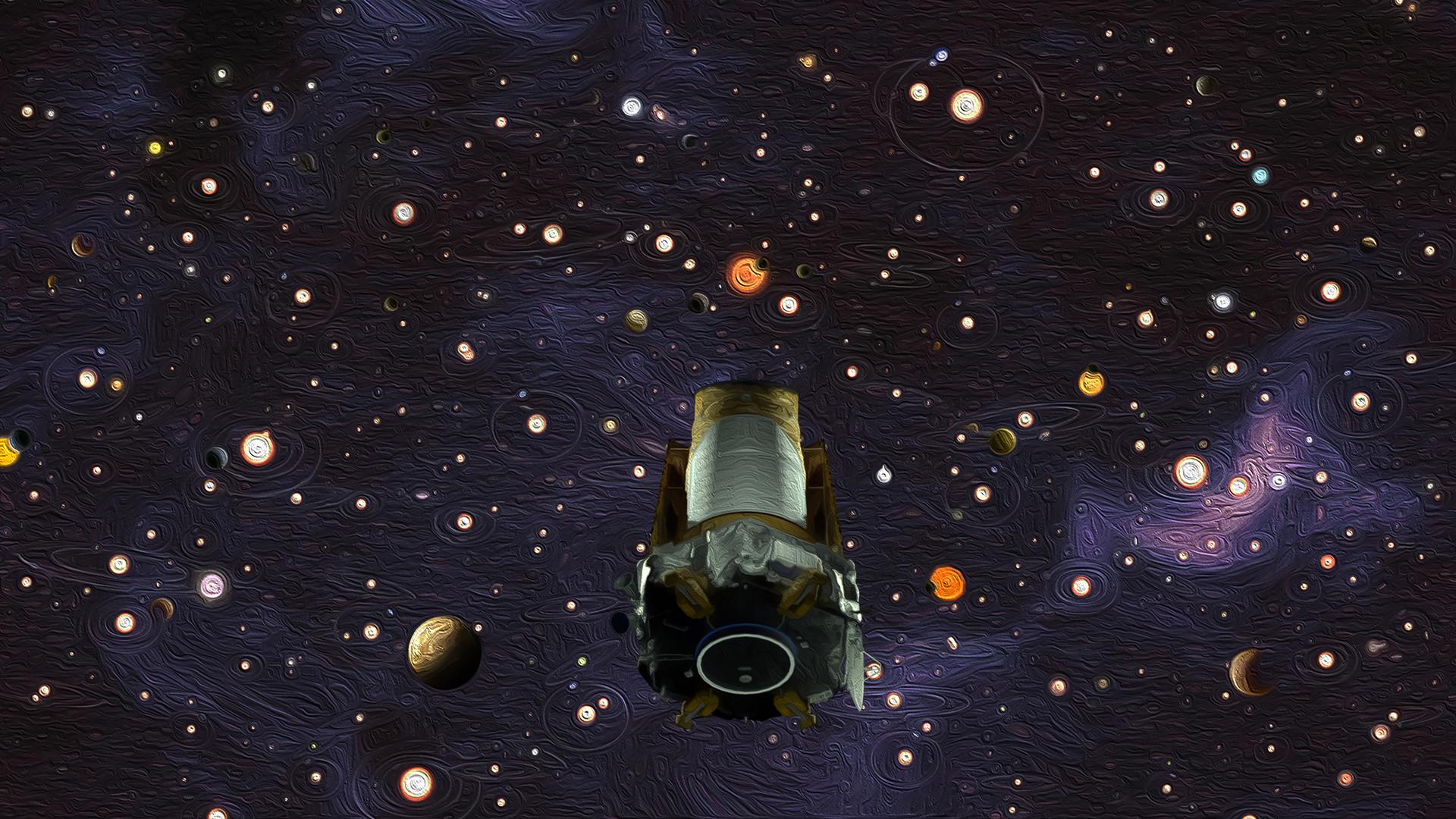
Exoplanet Explorers
Discover new planets orbiting other stars in our galaxy.
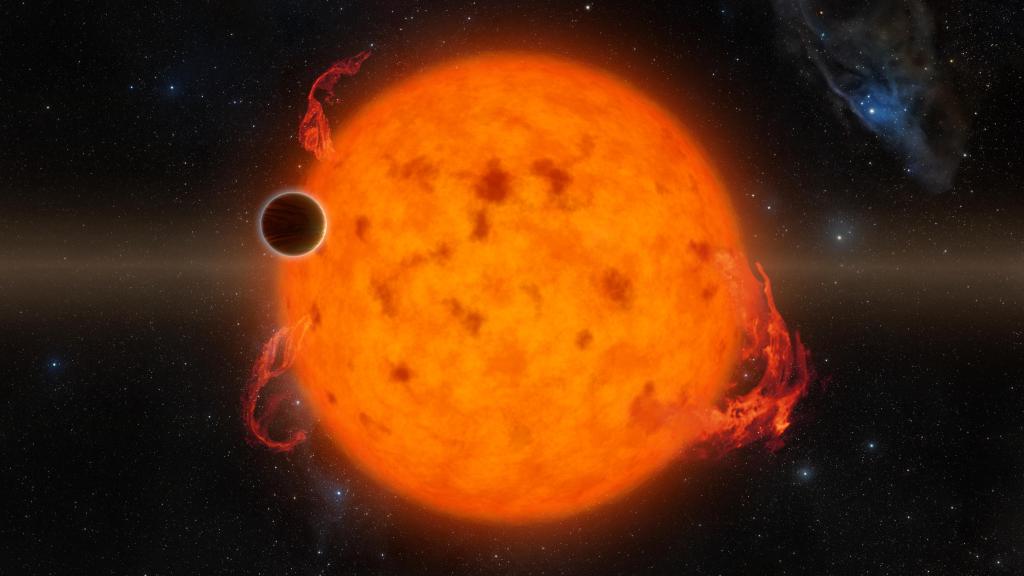
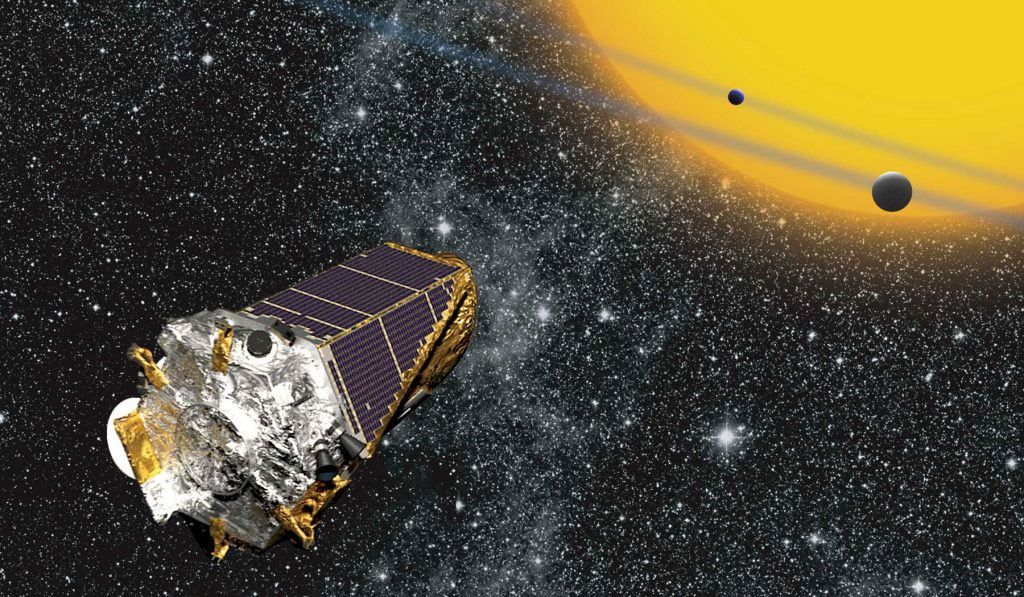 The Kepler Space TelescopeNASA
 -
Planet Hunters TESS
Search for undiscovered worlds using data from NASA’s TESS mission.
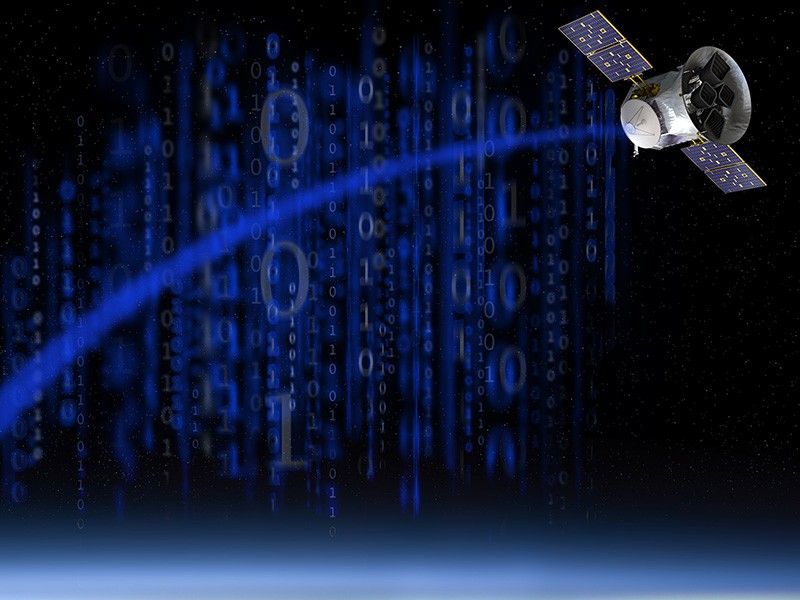 NASA/Ames/Wendy Stenzel
 -
Backyard Worlds
Search the realm beyond Neptune for new brown dwarfs and planets.
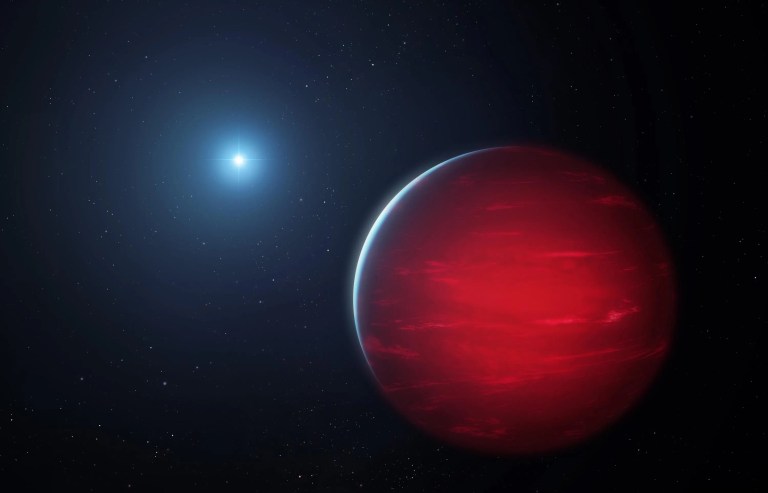 Illustration of an ultracool brown dwarf with a companion white dwarf. Citizen scientist Frank Kiwy, participant in the Backyard Worlds: Planet 9 project, discovered 34 new ultracool dwarf binary systems in the Sun's neighborhood.NOIRLab/NSF/AURA/M. Garlick
 -
Planet Patrol
Help find out which planet candidates from the TESS mission are real.
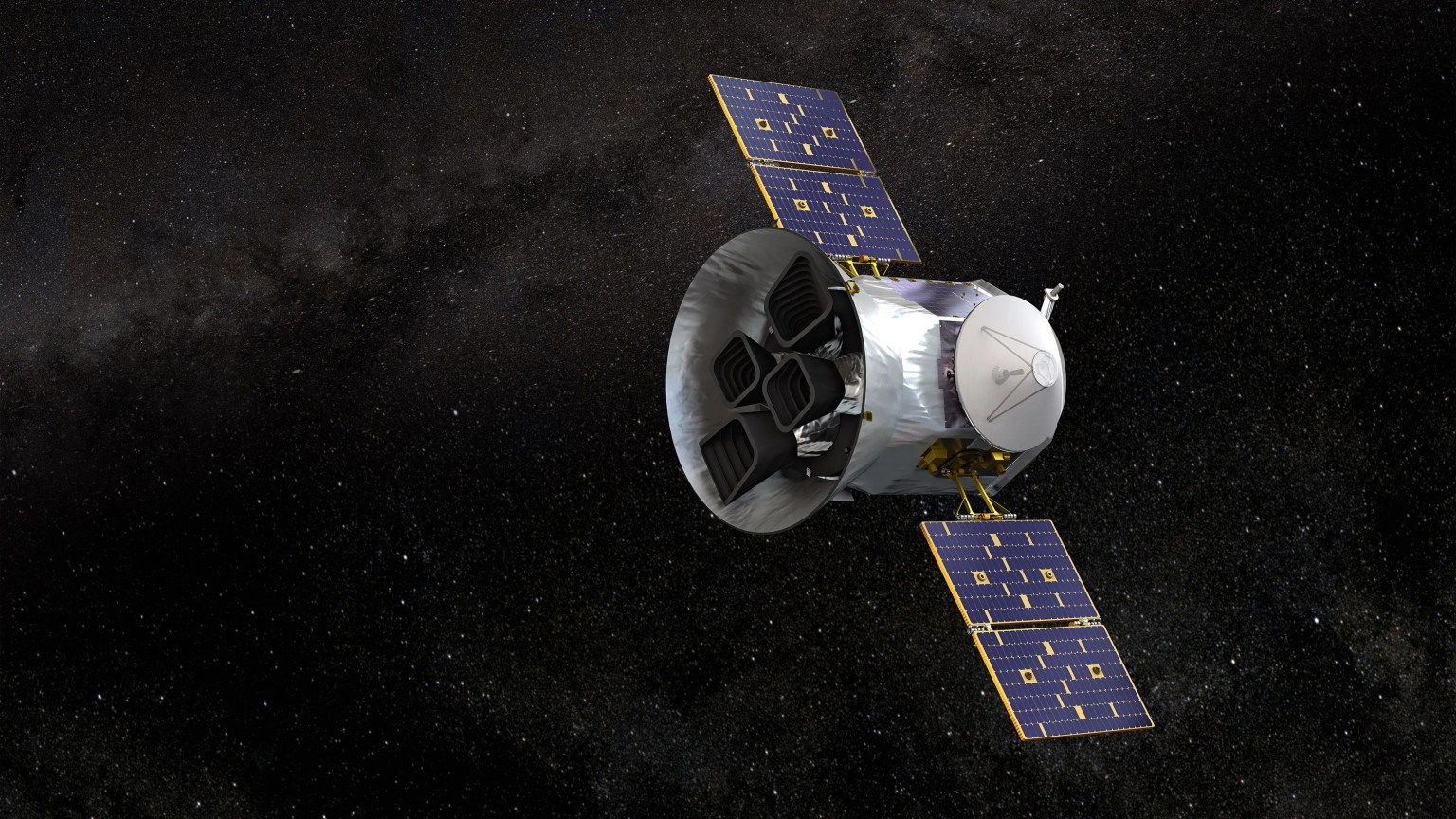
 TESS will look at the nearest, brightest stars to find planetary candidates that scientists will observe for years to come.NASA's Goddard Space Flight Center
 -
Disk Detective
Spot the disks around nearby stars where planets form and dwell.
 This rendering of a disk around an M-dwarf star, created by citizen scientist Jonathan Holden, illustrates a finding from the Disk Detective project.NASA/Jonathan Holden
 -
UNITE: Unistellar Network Investigating TESS Exoplanets
NASA’s TESS mission has identified many new exoplanets, and now astronomers need help to characterize their orbits, as a first step in learning about them. The worldwide Unistellar network of amateur and professional astronomers is documenting the timing of exoplanets' transits, to better describe their orbits.
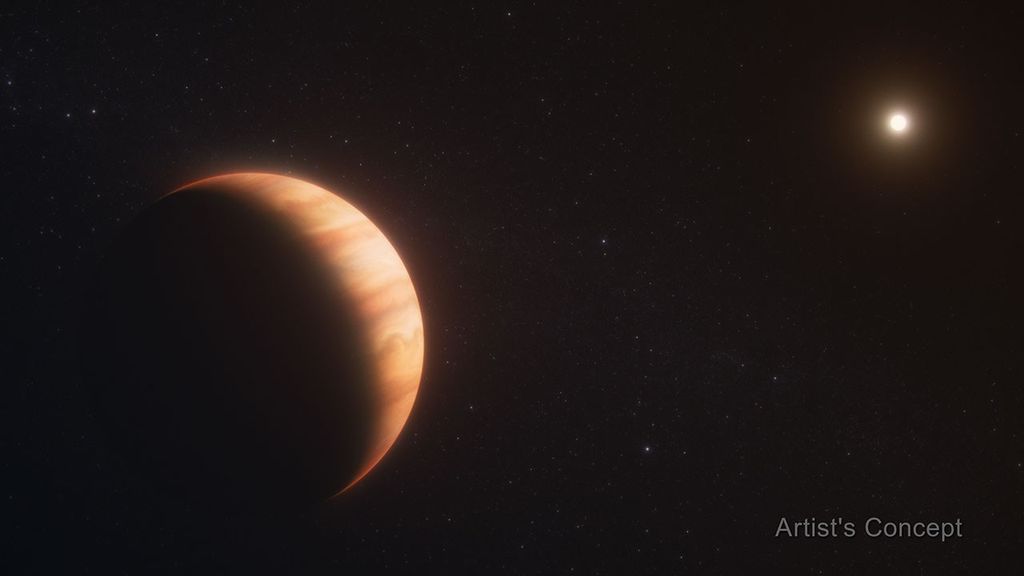
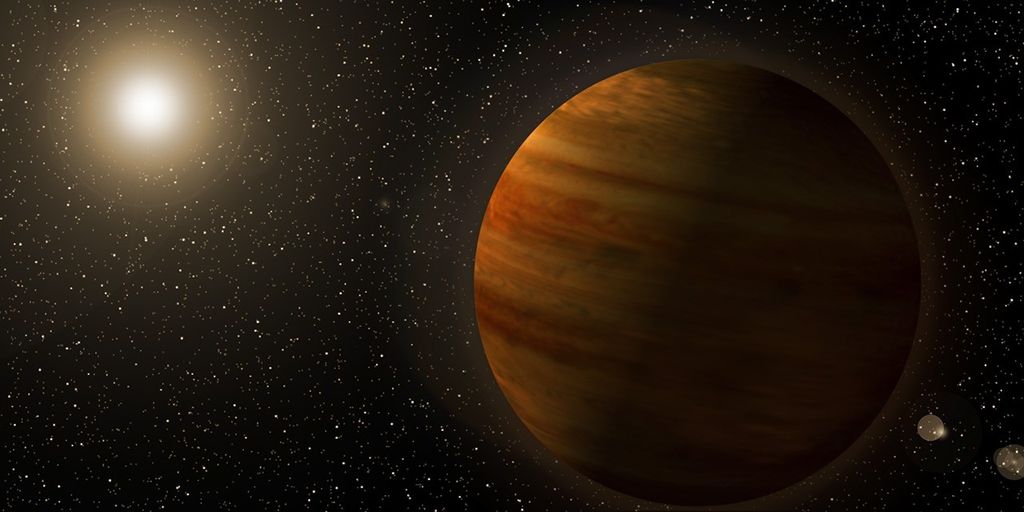
 An artist’s interpretation of a gas giant in its planetary system.NASA/JPL
 -
NASA Citizen Science
NASA offers a range of citizen science projects; some can be done by anyone, anywhere, with just a cellphone or laptop. Check out all the ways you can work on NASA science.
 A new SciGirls TV special called “Dakota Stars” features NASA’s Disk Detective citizen science project.NASA
Citizen Science in Action: Exoplanet Candidate HD 137010 b
-
Research by volunteers led to the discovery of a possible cool, rocky exoplanet, slightly larger than Earth
Exoplanet candidate HD 137010 b was discovered orbiting a Sun-like star 146 light-years away. An international team of professional and amateur astronomers published “A Cool Earth-sized Planet Candidate Transiting a Tenth Magnitude K-dwarf From K2” in The Astrophysical Journal Letters on Jan. 27, 2026. The paper’s authors include several volunteers from NASA’s Planet Hunters citizen science project — Hans Martin Schwengeler, Martti H. Kristiansen, Mark Omohundro, and Ivan A. Terentev, as well as lead author Alexander Venner, who participated in this citizen science project before he completed his Ph.D.
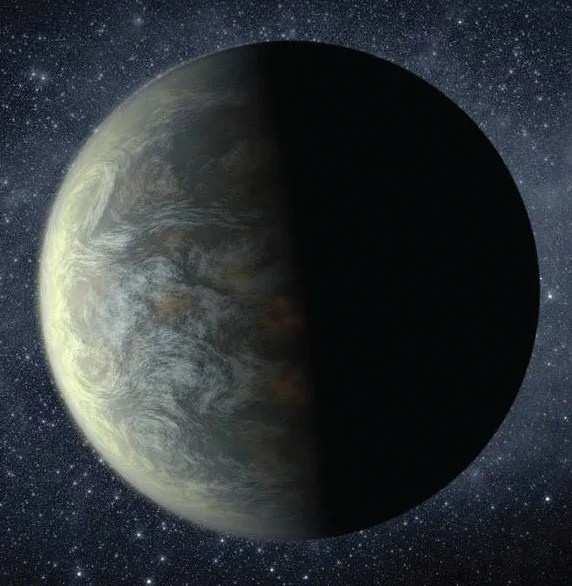
NASA's citizen science projects are collaborations between scientists and interested members of the public. Through these collaborations, volunteers (known as citizen scientists) have helped make thousands of important scientific discoveries. Learn how to get involved with NASA Citizen Science.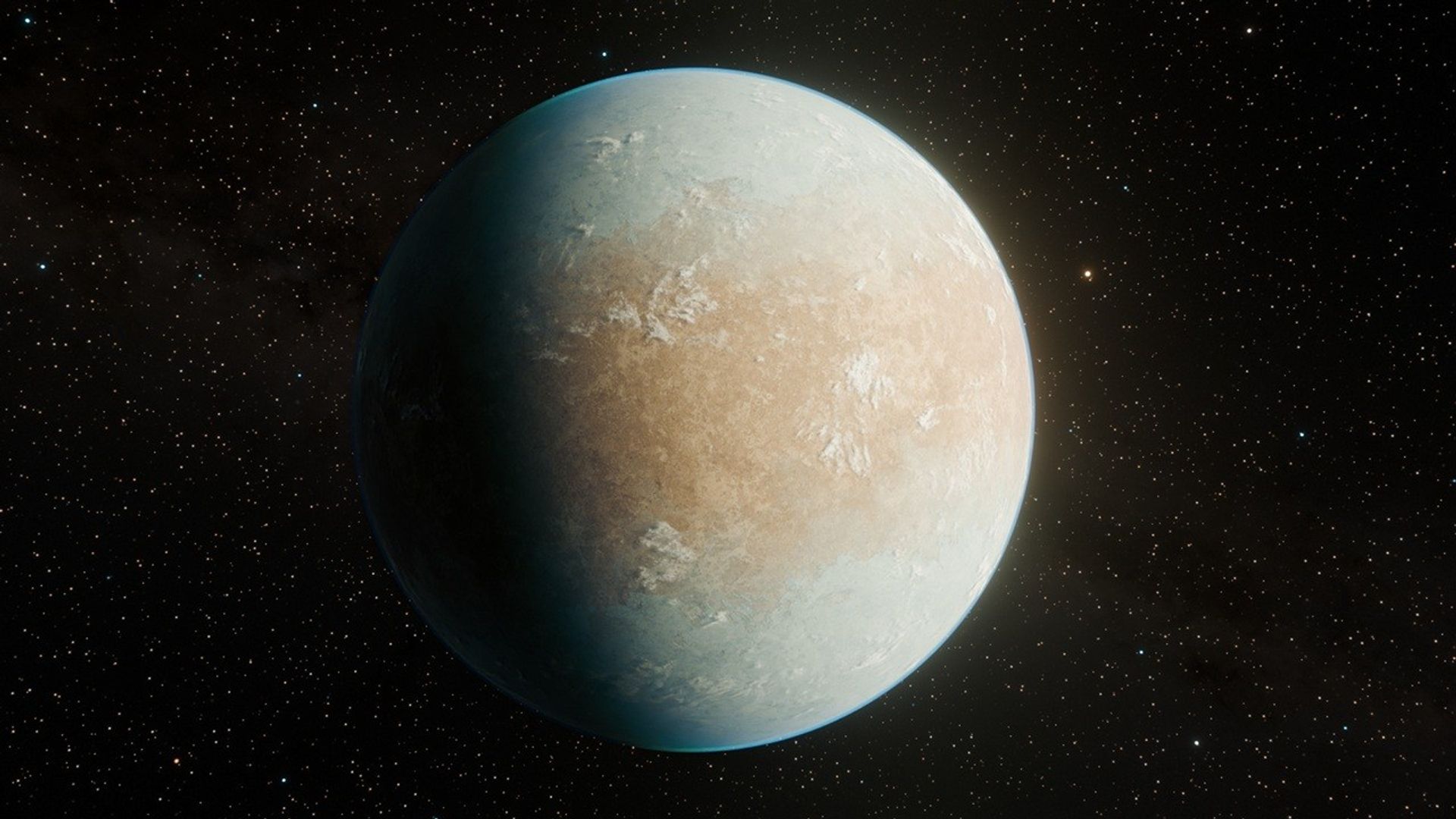 Artist's concept of exoplanet candidate HD 137010 b, dubbed an "ice-cold Earth" because it's a possible rocky planet slightly larger than Earth, orbiting a Sun-like star about 146 light-years away.NASA/JPL-Caltech/Keith Miller (Caltech/IPAC)
Citizens Fueling Exoplanet Research
Exoplanet research has a long involvement with citizen science. Volunteers from the public help professional researchers sift through data collected by the Kepler and TESS space telescopes — among other things helping scientists refine the best time to observe important targets. The flood of data and need for citizen assistance is expected to grow even more, with the launch of future missions, including the Nancy Grace Roman Space Telescope and Habitable Worlds Observatory.
Read 'How NASA Citizen Science Fuels Future Exoplanet Research'