













Exoplanet Missions
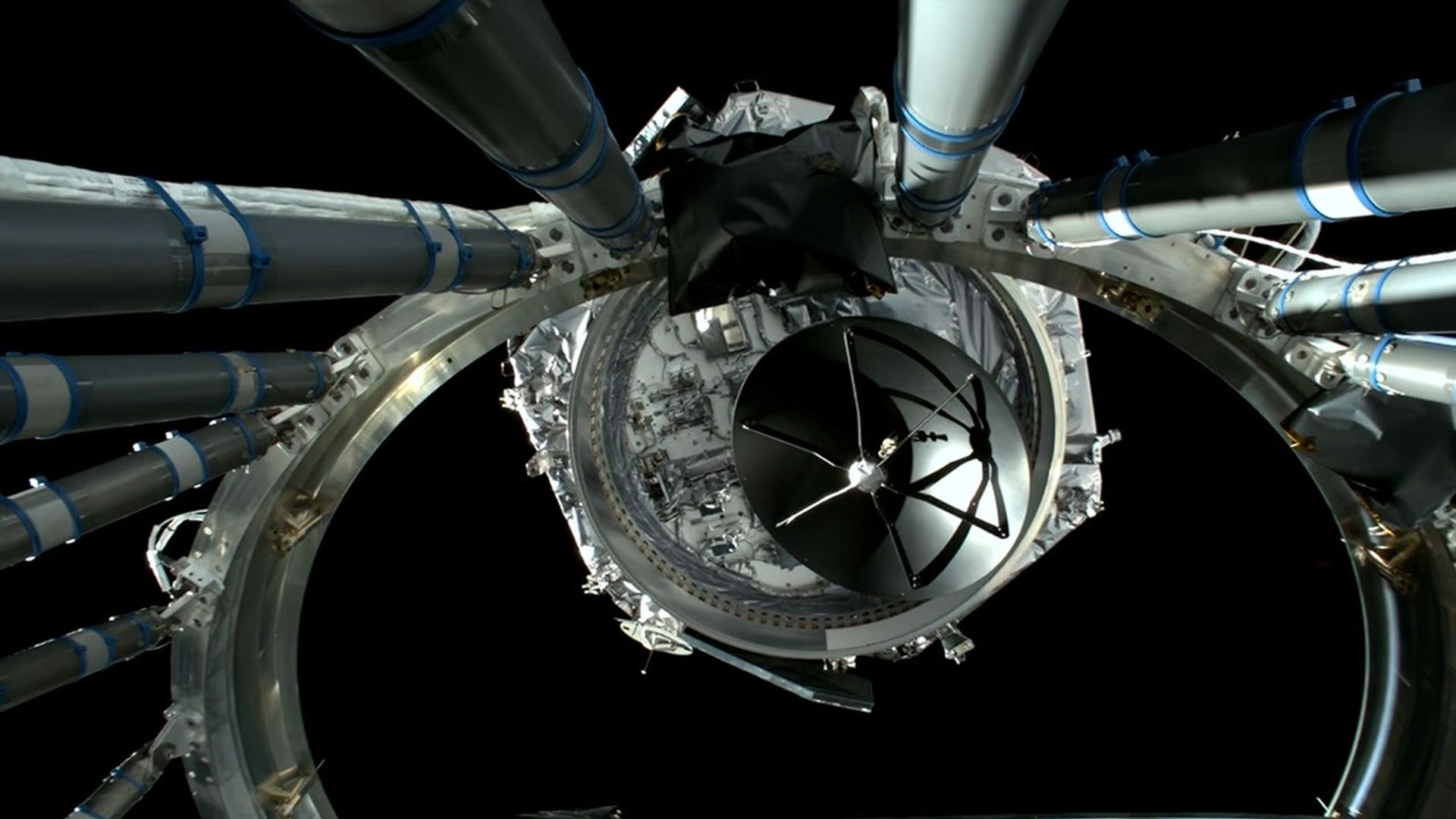
Since scientists confirmed the first planets outside our solar system in the 1990s, these exoplanet hunters have gone from zero to 6,000 in less than three decades, thanks to an ever-expanding array of ground-based observatories and space telescopes. In the search for worlds beyond our own — and any possible life on them — these new tools scan the cosmos in every direction, in almost every wavelength imaginable, stretching for the goal of detecting Earth-sized worlds orbiting Sun-like stars. The next arrow from that quiver took flight Sunday, Aug. 30, with the launch of the Nancy Grace Roman Space Telescope, which itself could discover as many as 100,000 exoplanets.
NASA’s Next Orbital Observatory
The powerhouse Nancy Grace Roman Space Telescope could open new windows of knowledge with its successful launch on Sunday, Aug. 30, 2026. And Roman will have a wide window indeed, about 100 times the field of view of the Hubble Space Telescope.
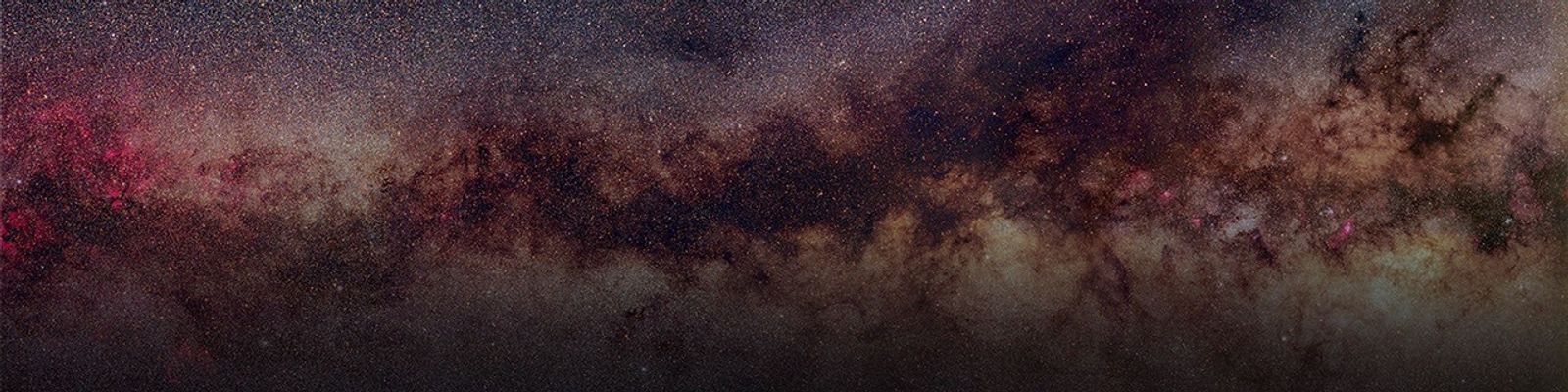
The Roman telescope, named for a NASA pioneer known as the “mother of the Hubble Space Telescope,” and who was the agency’s first Chief of Astronomy, will probe the depths of dark matter and dark energy — mysterious, largely unknown phenomena that make up most of the universe — as well as making direct images and other observations of exoplanets. At the heart of its mission: the star-dense interior of the Milky Way galaxy, where the telescope could find thousands of exoplanets through gravitational microlensing.
Exoplanet-Focused Missions
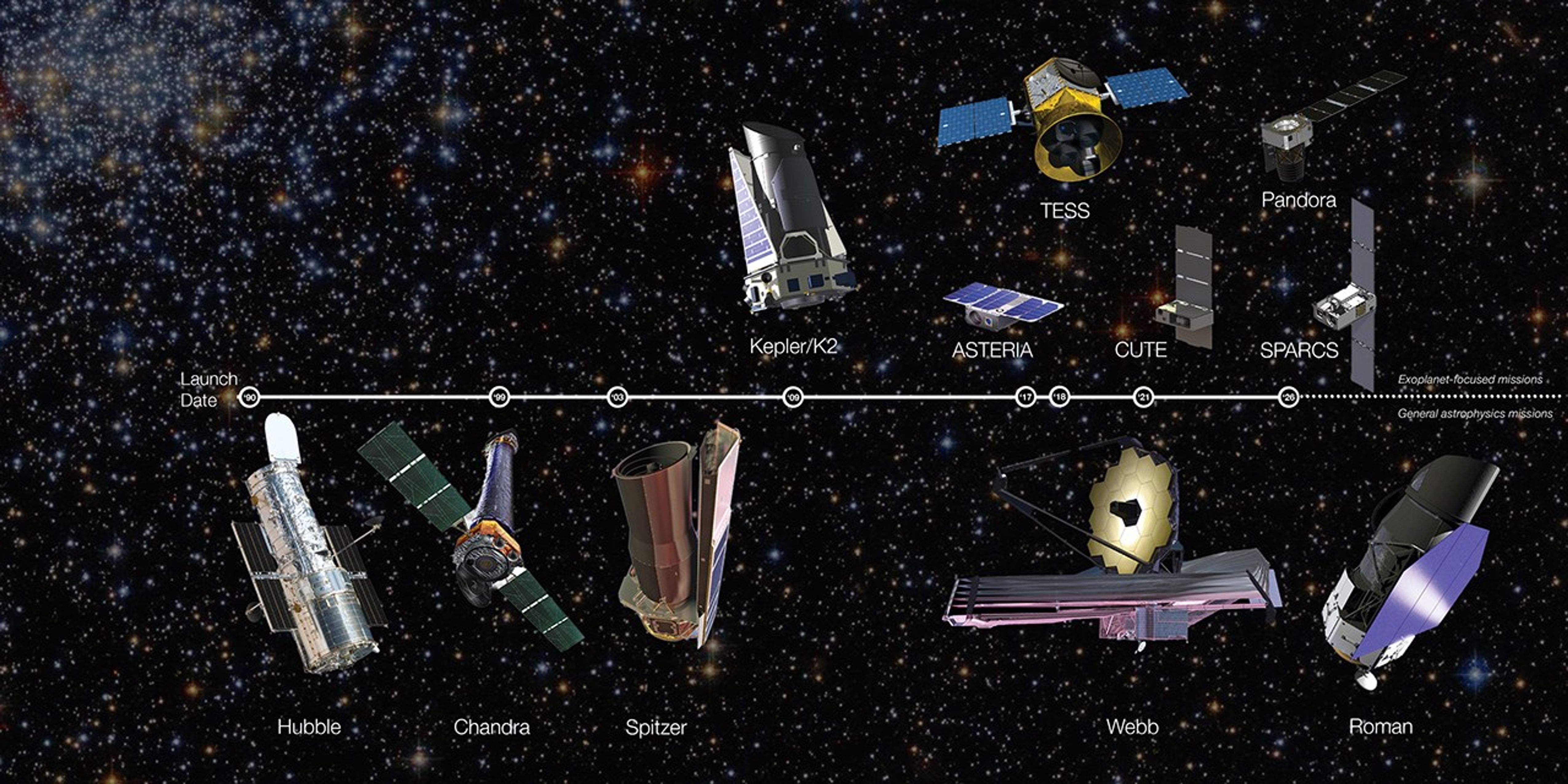
These NASA missions have been designed specifically for exoplanet exploration.
Kepler/K2
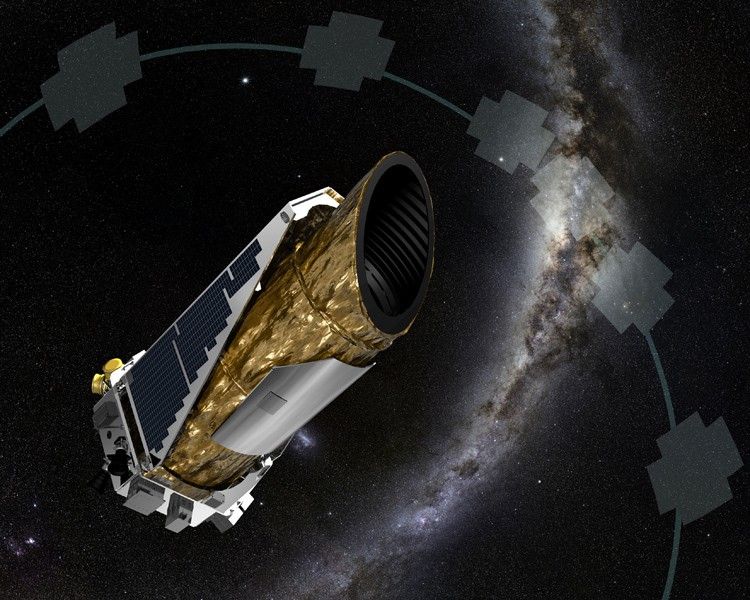
The Kepler space telescope was NASA’s first exoplanet-hunting mission. During nine years in deep space Kepler, and its second act, the extended mission dubbed K2, discovered thousands of transiting exoplanets and showed that there are more exoplanets than stars.
Launch: March 6, 2009
End of mission: Oct. 30, 2018 (Kepler transitioned to K2 on Nov. 4, 2012)
Type: Space Telescope (Discovery Mission)
Wavelengths: Visible/Near IR (420-900 nm)
Exoplanet Techniques: Transits
Arcsecond Space Telescope Enabling Research in Astrophysics (ASTERIA)
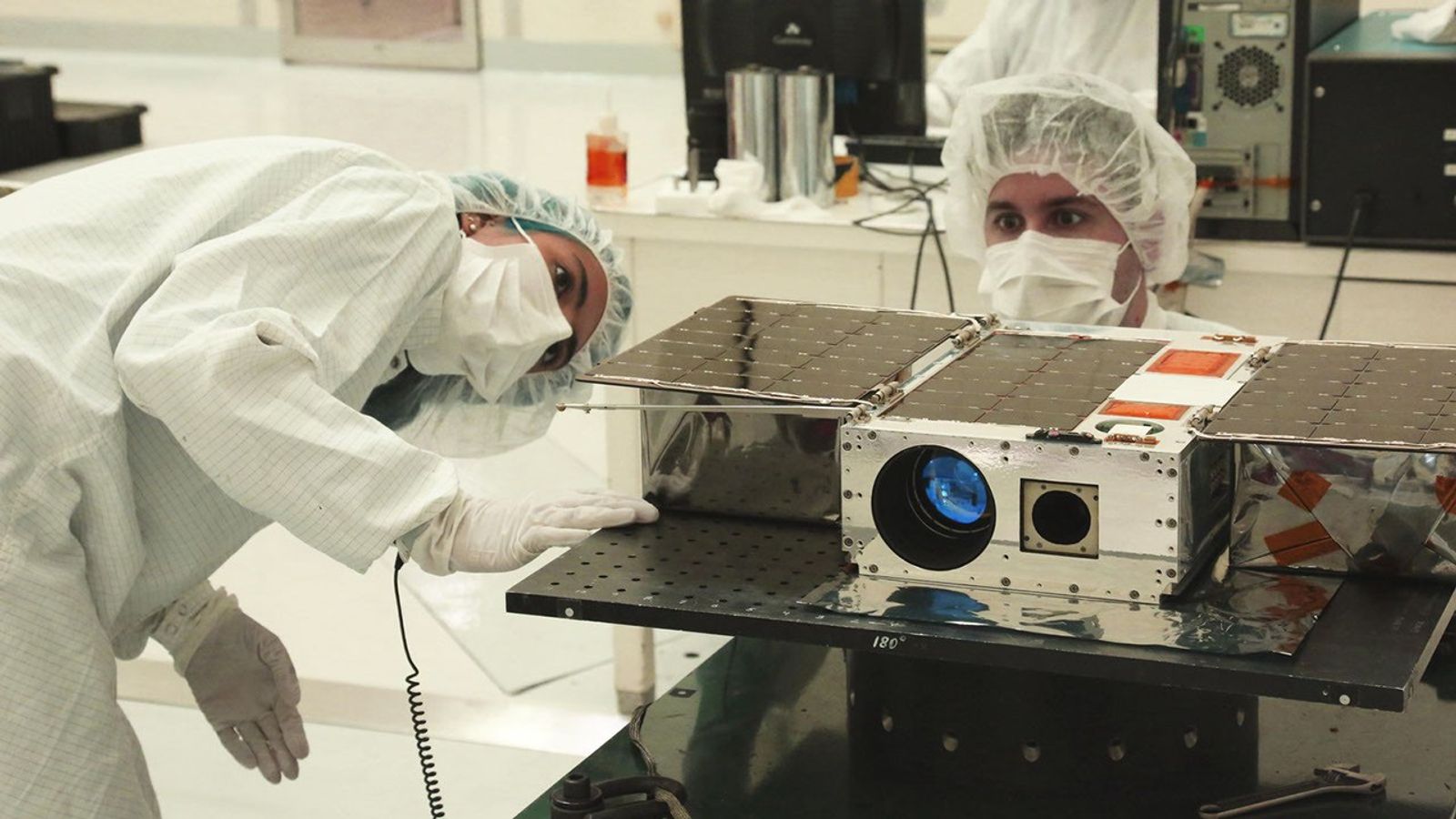
ASTERIA was a 6U CubeSat that demonstrated stable, arcsecond-level pointing and thermal control, important for precision photometry, which is used to measure stellar activity and planet transits. ASTERIA was the first CubeSat to detect an exoplanet transit.
Launch: Aug. 14, 2017
End of mission: Dec. 5, 2019
Type: CubeSat, Technology demonstration
Wavelengths: Visible/Near IR (500-900 nm)
Exoplanet Techniques: Transits
Transiting Exoplanet Survey Satellite (TESS)
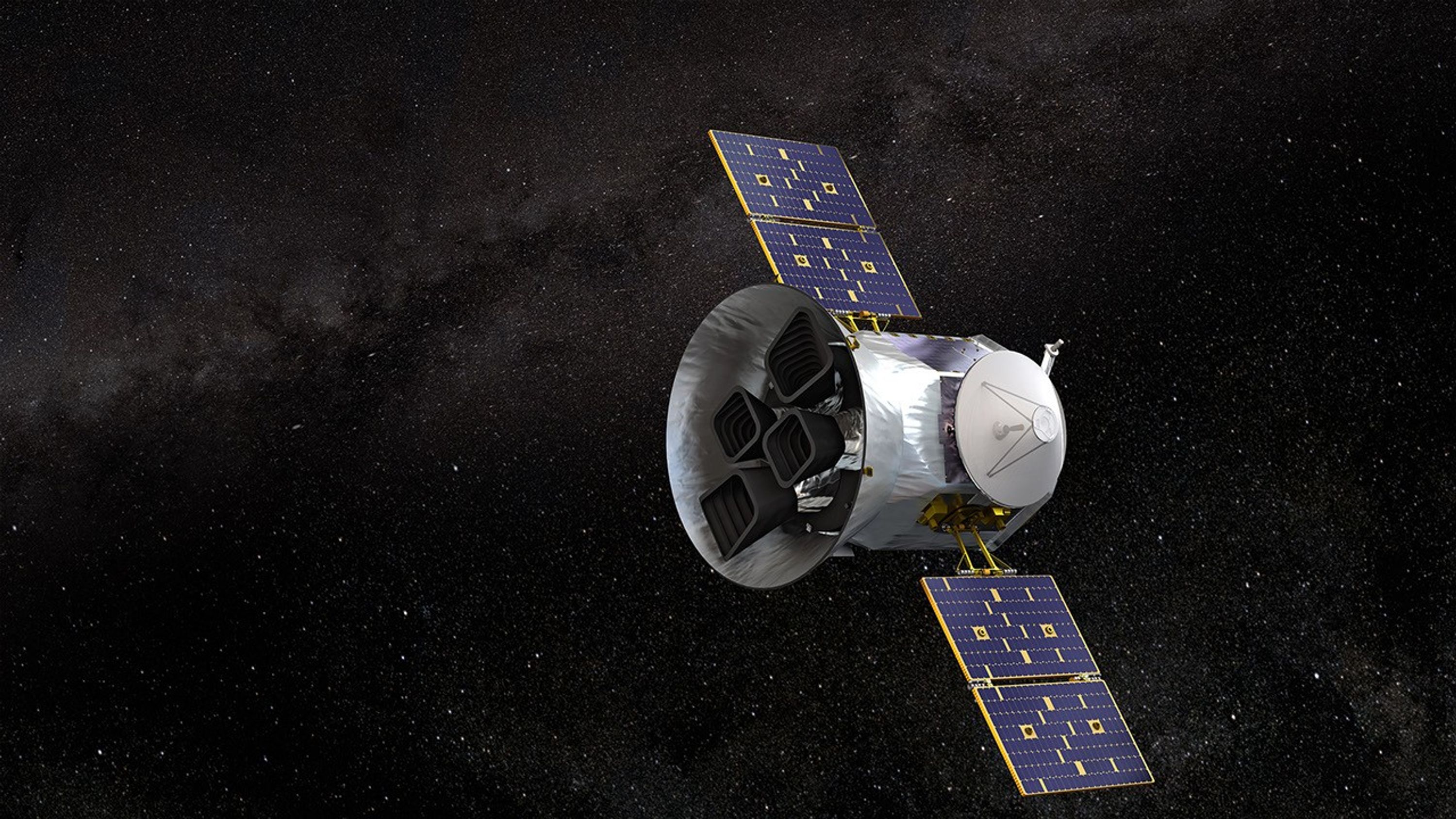
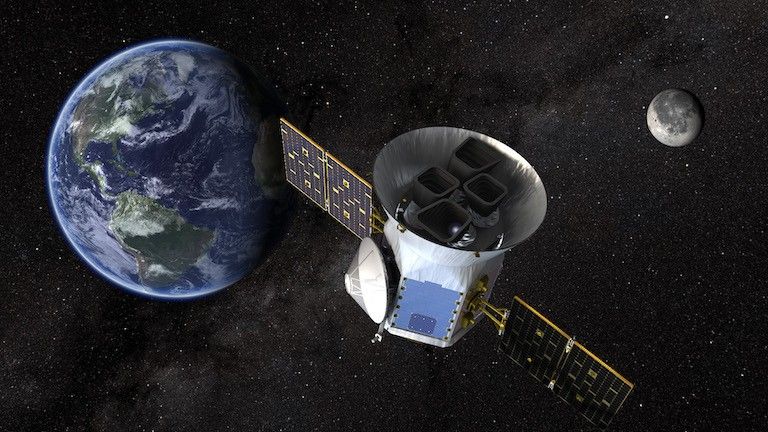
TESS is an all-sky survey, composed of four wide-field cameras, designed to discover transiting exoplanets, particularly small planets around small, bright stars nearby. TESS has discovered thousands of planet candidates.
Launch: April 18, 2018
Type: Space Telescope (Explorer Mission)
Wavelengths: Visible/Near IR (600-1,000 nm)
Exoplanet Techniques: Transits
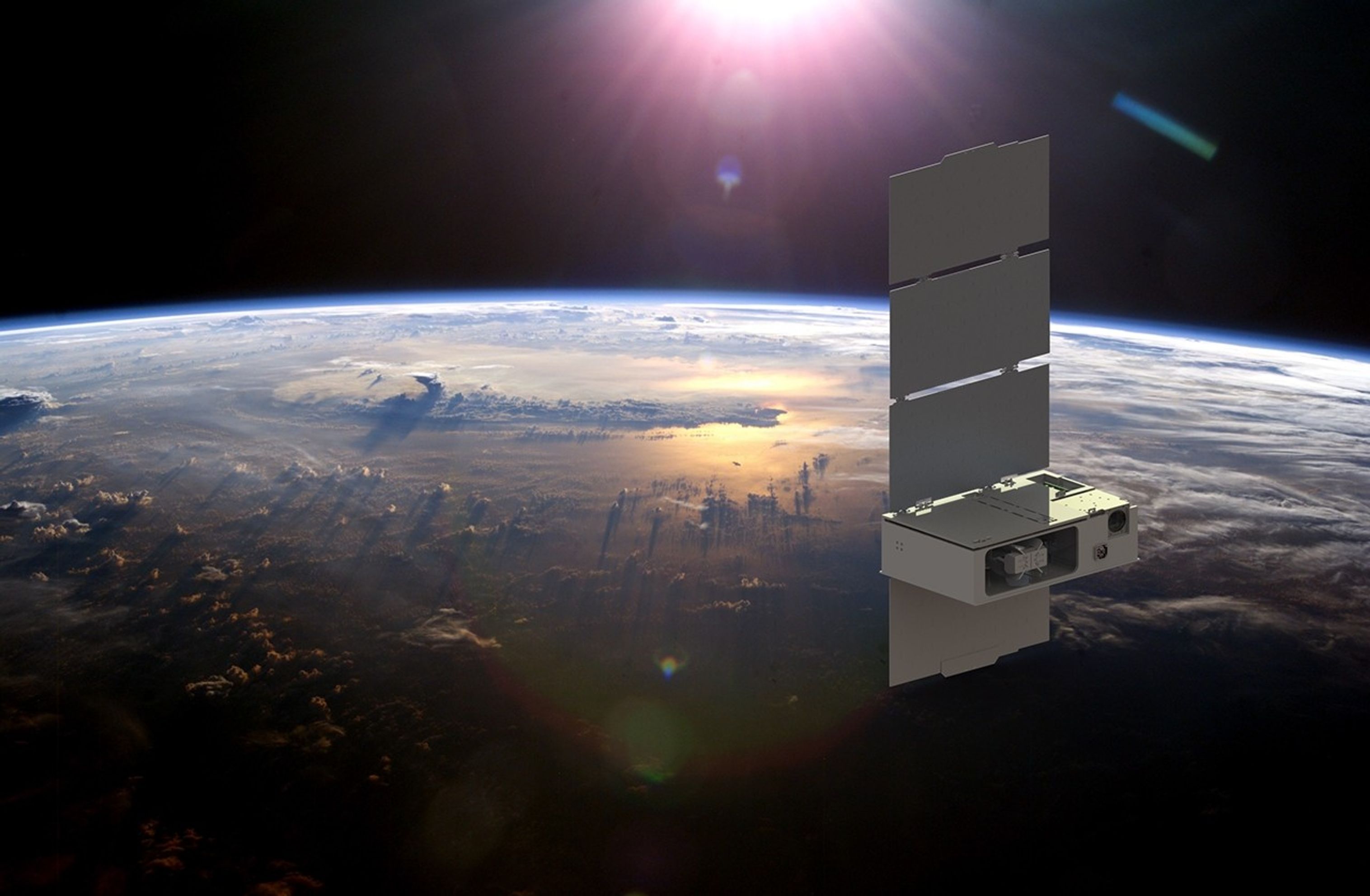
Colorado Ultraviolet Transit Experiment (CUTE)
CUTE is a 6U CubeSat that characterizes the composition and mass-loss rates of transiting exoplanet atmospheres, using near-UV transmission spectroscopy.
Launch: Sept. 27, 2021
Type: CubeSat
Wavelengths: Near-UV (255 - 330 nm)
Exoplanet Techniques: Transits, Spectroscopy

Pandora
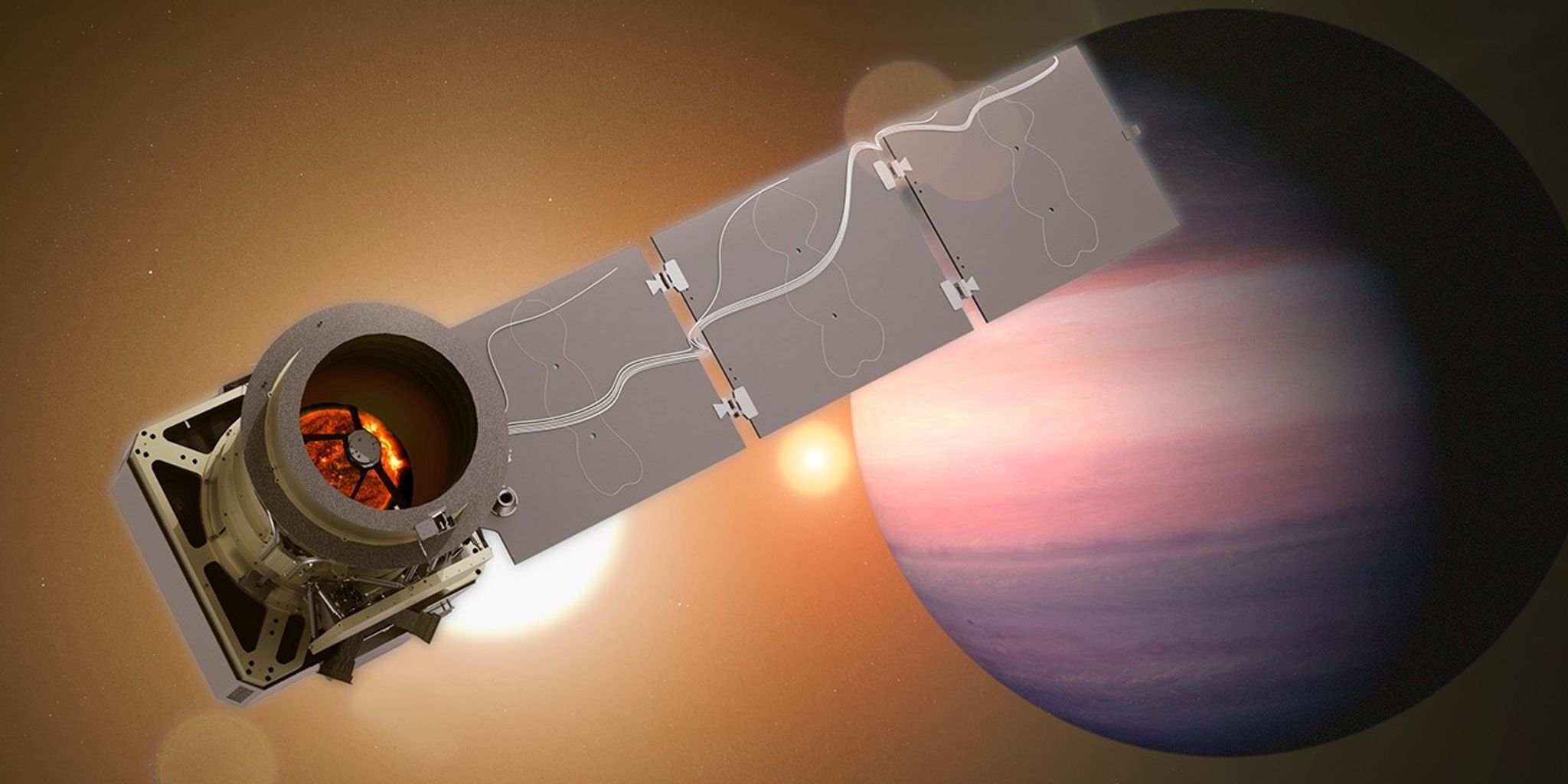
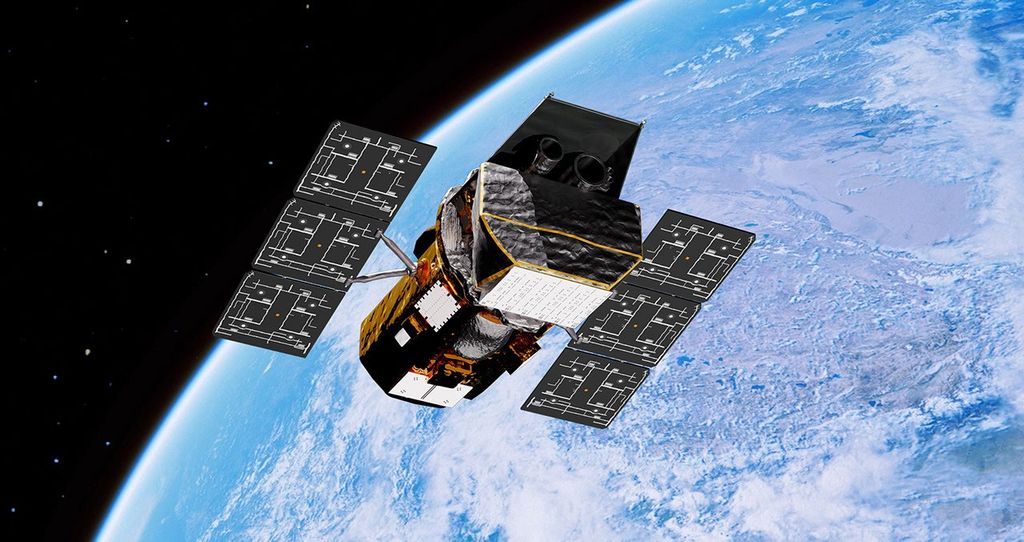
Pandora is a small satellite designed to characterize the atmospheres of transiting exoplanets and the activity of their host stars with long-duration multiwavelength observations.
Launch: Jan. 11, 2026
Type: SmallSat (Pioneers Mission)
Wavelengths: Visible (380-750 nm) & Near-IR (860-1,630 nm)
Exoplanet Techniques: Spectroscopy
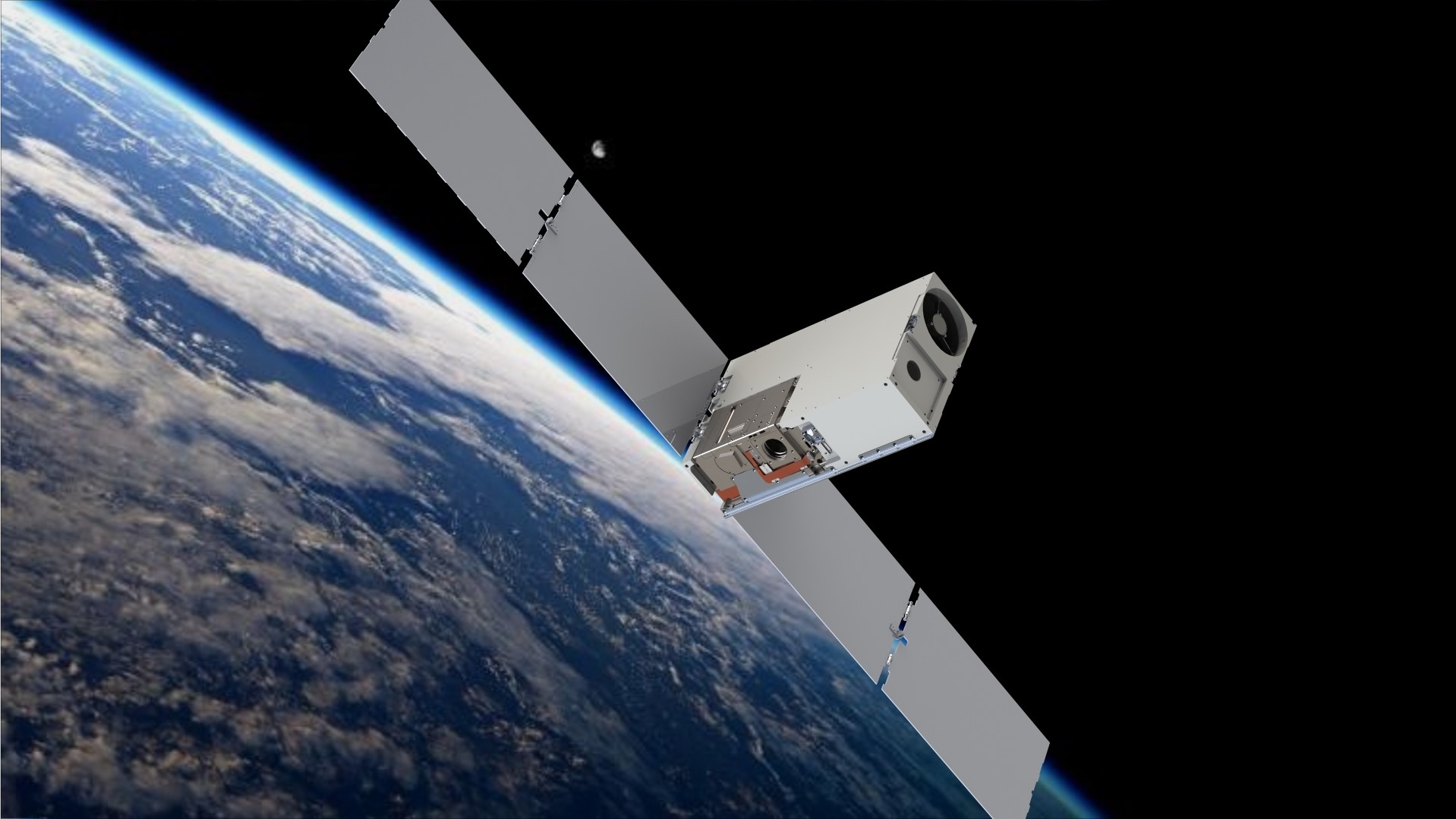
Star-Planet Activity Research CubeSat (SPARCS)
SPARCS is a 6U CubeSat devoted to monitoring 20 low-mass stars, to provide the time-dependent spectral slope, intensity, and evolution of their UV radiation.
Launch: Jan. 11, 2026
Type: CubeSat, Technology demonstration
Wavelengths: Far-UV (153 - 171 nm) & Near-UV (260 - 300 nm)
Exoplanet Techniques: Stellar environment
General Astrophysics Missions
These NASA missions have made valuable contributions across astrophysics, including exoplanet science.
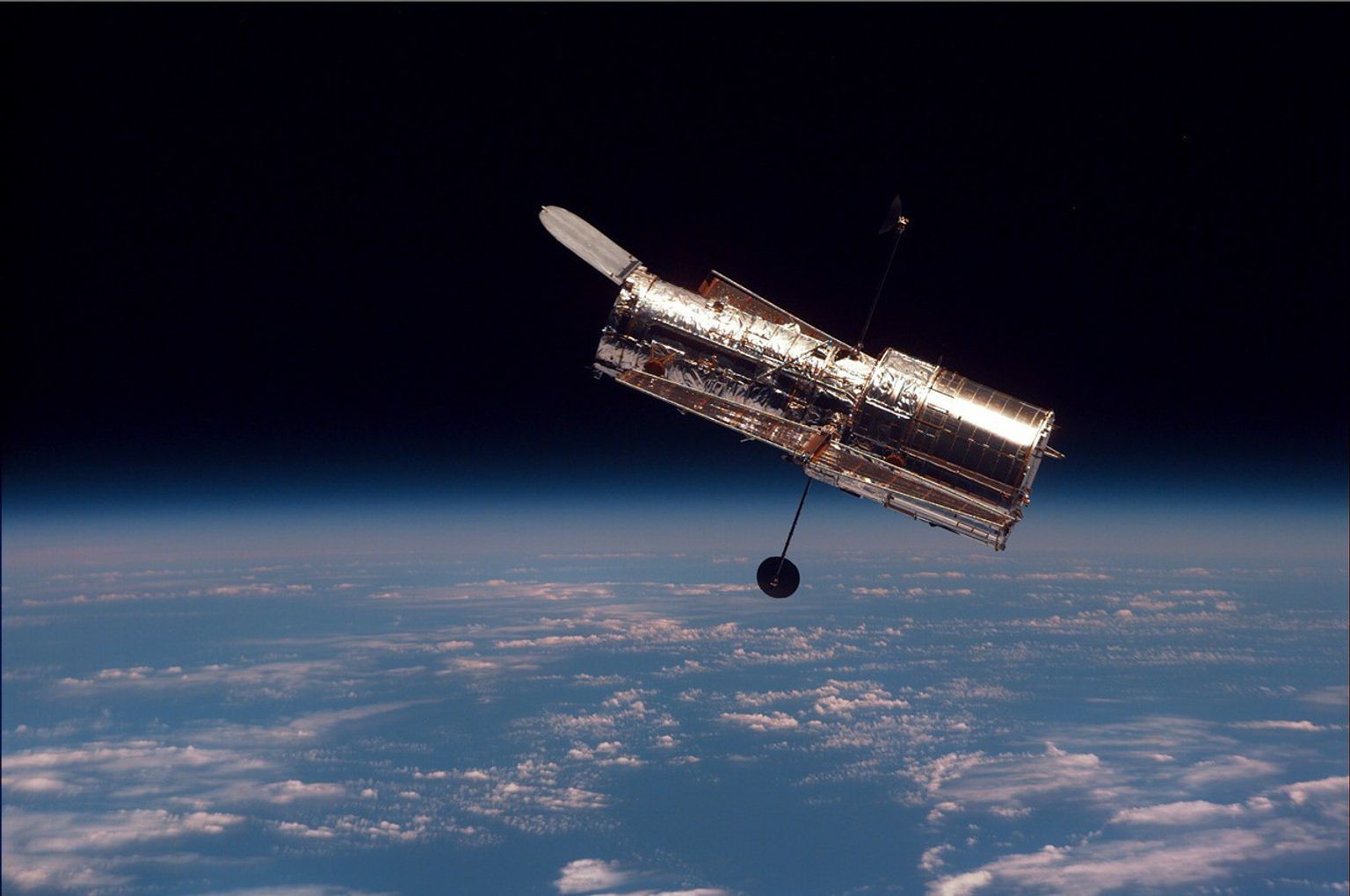
Hubble Space Telescope (HST)
The first of NASA's Great Observatories, Hubble is a 2.4-meter space telescope that has made numerous firsts in exoplanet science, including the first detection of an exoplanet atmosphere, organic molecules on an exoplanet, water vapor on an exoplanet in the habitable zone, and atmospheric escape.
Launch: April 24, 1990
Wavelengths: UV, Visible, & Near-IR (115 -2,500 nm)
Exoplanet Techniques: Transits, Spectroscopy, Imaging
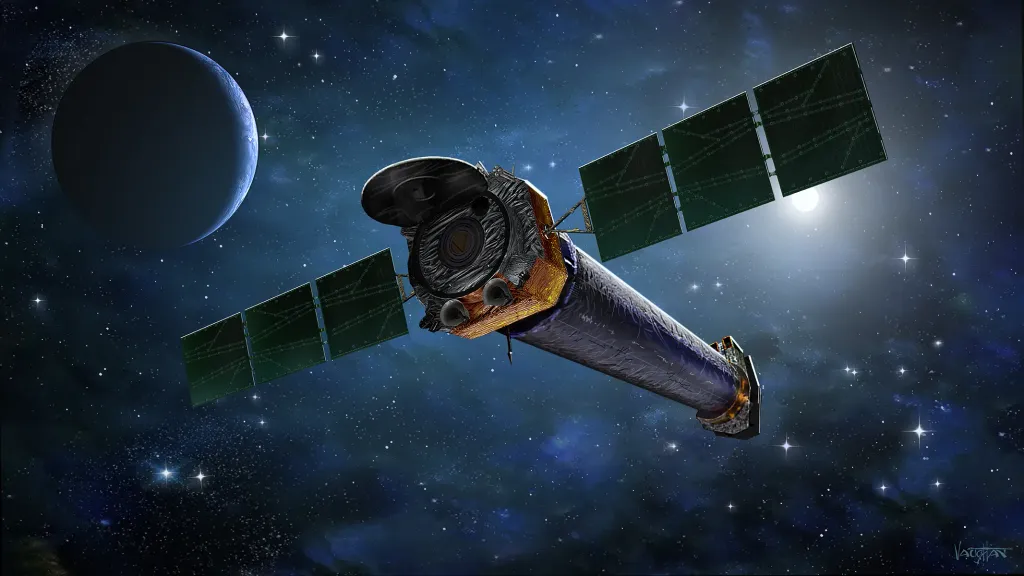
Chandra X-ray Observatory
Chandra is the X-ray component of NASA's Great Observatories. Chandra's measurements have provided information on interactions between exoplanets and their host stars, the environment around potential planet hosts, and detection of a possible exoplanet beyond the Milky Way galaxy.
Launch: July 23, 1999
Wavelengths: X-Ray (0.12 -12 nm)
Exoplanet Techniques: Stellar environment, Transits

Spitzer Space Telescope
Spitzer was the infrared component of NASA's Great Observatories. It was the first telescope to directly detect light from an exoplanet, and its measurements were used to make the first weather map of an exoplanet, showing temperature variations across the face of the planet.
Launch: Aug. 25, 2003
End of mission: Jan. 30, 2020
Wavelengths: IR (3,600-160,000 nm)
Exoplanet Techniques: Phase curves, Transits, Spectroscopy
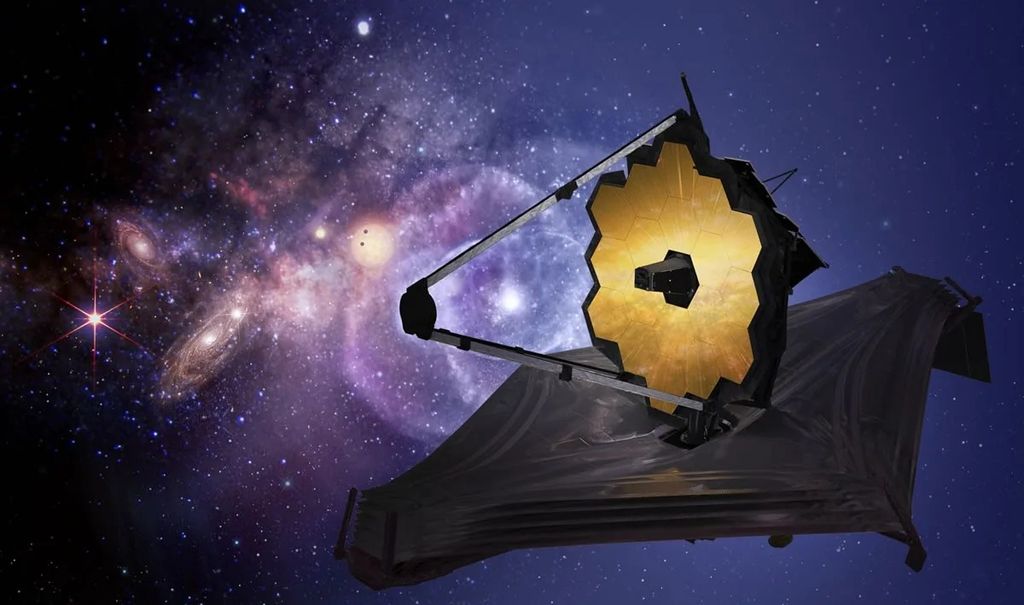
James Webb Space Telescope (JWST)
Webb is a 6.5-meter infrared observatory that is characterizing exoplanets in unprecedented detail. It has made the first detection of numerous molecules, including carbon dioxide and sulfur dioxide, in an exoplanet atmosphere, and discovered planets using coronagraphy.
Launch: Dec. 25, 2021
Wavelengths: Near-IR (600-5,000 nm) & Mid,Long-IR (5,000-27,000 nm)
Exoplanet Techniques: Spectroscopy, Imaging
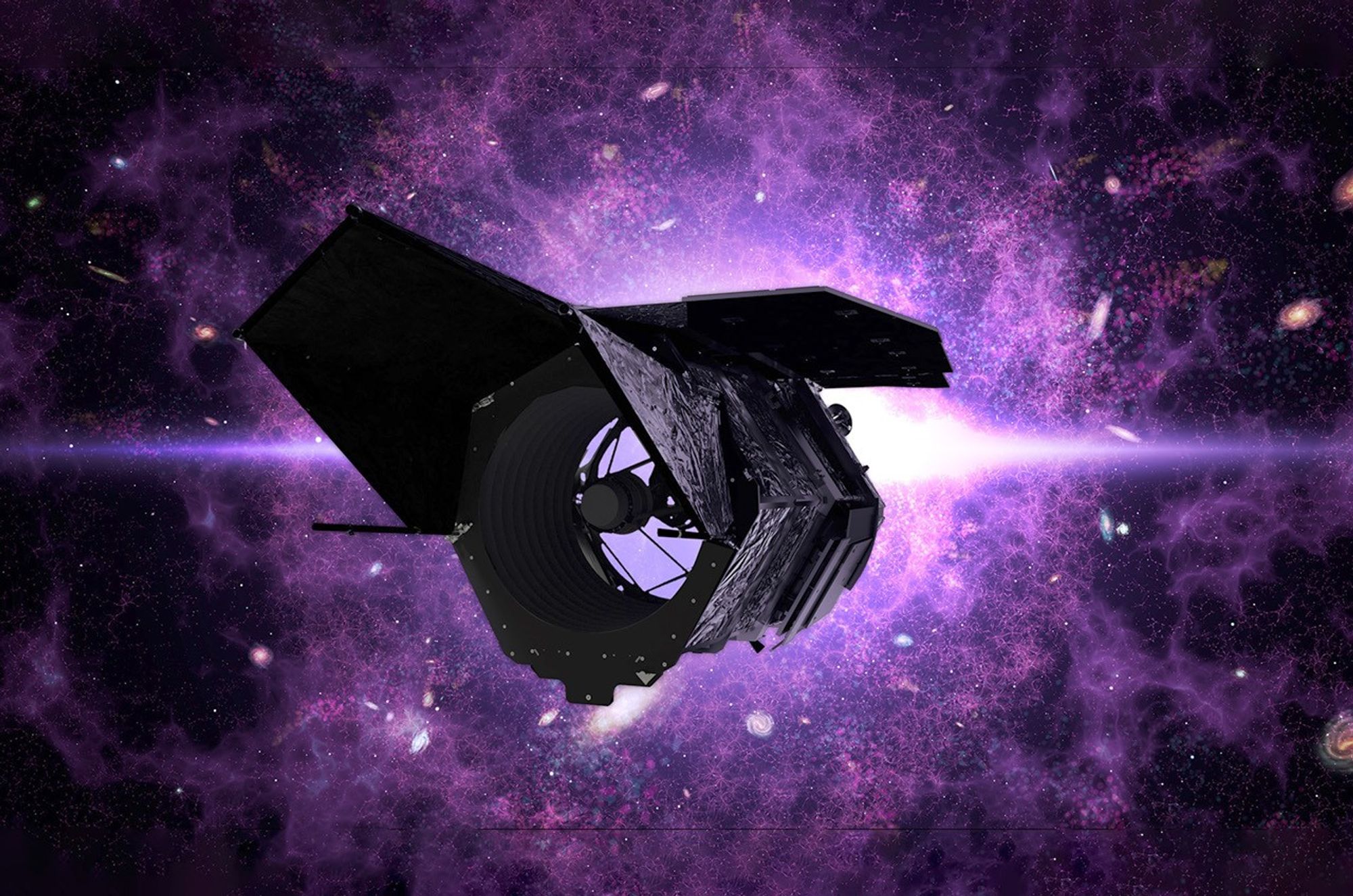
Nancy Grace Roman Space Telescope
Roman is a 2.4-meter space telescope with a wide-field instrument that is expected to discover thousands of exoplanets through microlensing and transits, in its survey of the inner Milky Way. Roman will also demonstrate the coronagraphy technology needed to image exoplanets 10 million times dimmer than their host stars.
Launch: Aug. 30, 2026
Wavelengths: IR (500-2,000 nm)
Exoplanet Techniques: Microlensing, Transits, Imaging
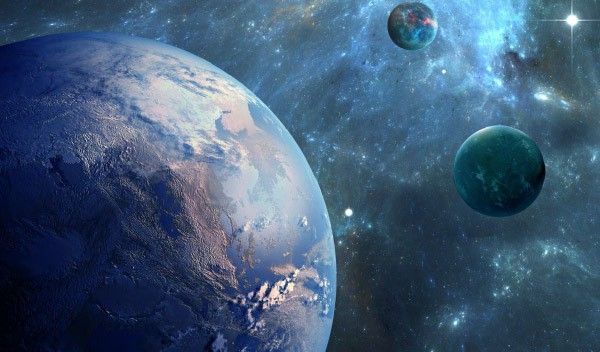
Habitable Worlds Observatory (HWO)
HWO is a future large near-infrared/optical/ultraviolet space telescope currently in development. HWO will be the first telescope designed specifically to search for signs of life on Earth-sized planets orbiting other stars, through direct imaging and spectroscopy
Launch: TBD
Wavelengths: UV, Visible, IR
Exoplanet Techniques: Imaging, Spectroscopy
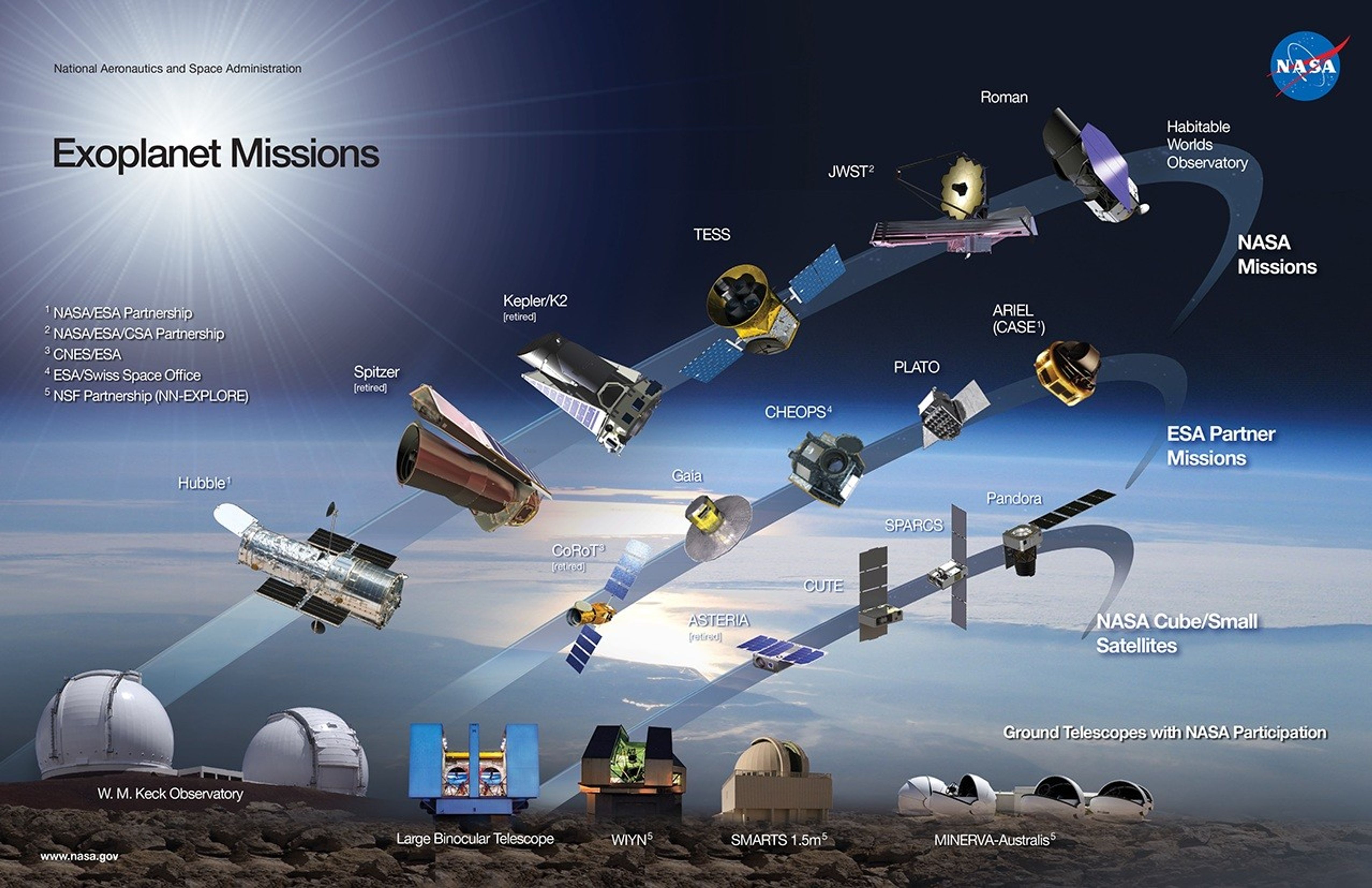
Fast facts: How many space telescopes does NASA have?
NASA has more than a dozen space telescopes studying the universe:
- the Hubble Space Telescope
- the Neal Gehrels Swift Observatory, formerly Swift Gamma Ray Burst Explorer
- the Transiting Exoplanet Survey Satellite (TESS)
- Chandra X-ray Observatory
- Fermi Gamma-ray Space Telescope
- NuSTAR (Nuclear Spectroscopic Telescope Array)
- the Neutron star Interior Composition Explorer on the International Space Station (NICER)
- the Imaging X-ray Polarimetry Explorer (IXPE)
- the James Webb Space Telescope
- SPHEREx (Spectro-Photometer for the History of the Universe, Epoch of Reionization and Ices Explorer)
- Pandora
- SPARCS (Star-Planet Activity Research CubeSat)
- and the Nancy Grace Roman Space Telescope (launched Sunday, Aug. 30, 2026)
The Planet Hunters
Observing from Earth, and from orbit
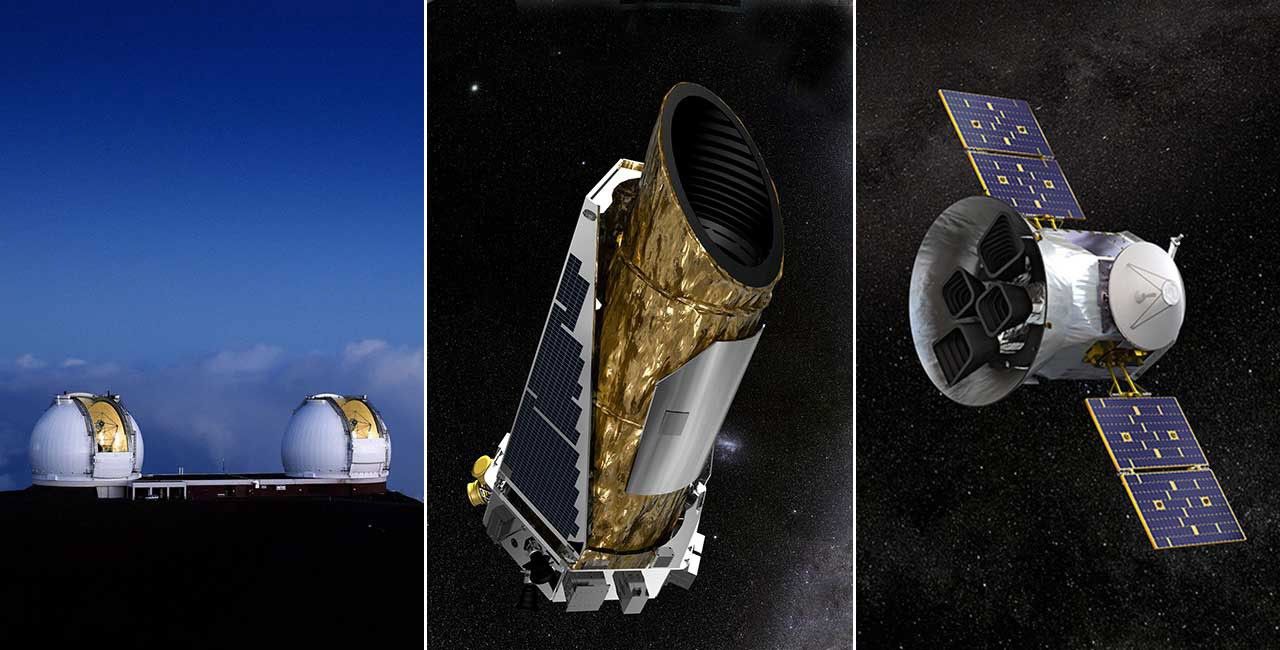
The very first planets detected around other stars were wild, extreme worlds. Some orbited a spinning stellar corpse — the core of an exploded star — called a pulsar, and were regularly raked by pulses of radiation. Another, a scorching gas giant with about half the heft of our own planet Jupiter, hugged its star so tightly that a year — one trip around its star — took only four days.
Their extreme nature, however, also made them easier to find with the early planet-hunting technology of the 1980s and ’90s. Ground-based observatories took the reins, providing the historic first burst of exoplanet discovery. The technology got better and the planet count ran into the hundreds. Still, Earth’s thick atmosphere and its rippling interference kept even the best ground-based telescopes from seeing more clearly.
Lifting our telescopes above the veil of Earth's atmosphere revealed a dazzling universe across the light spectrum. It also extended our reach in the search for planets around other stars. Now we count these confirmed distant worlds — exoplanets — in the thousands, many of them about the size of Earth and orbiting in their stars’ "habitable zones." The next generation of space telescopes will open new windows in the search for life as we peer into the atmospheres of these planets, and taste their skies.
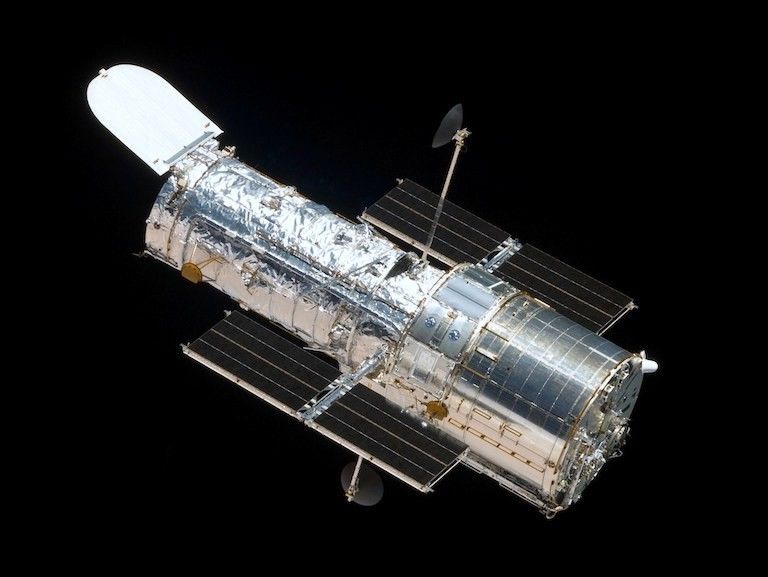
Legacy of light: Hubble
NASA's Hubble Space Telescope, in orbit since 1990, was a pioneer in the search for planets around other stars; Hubble has even been used to make some of the earliest profiles of exoplanet atmospheres.
Kepler and K2
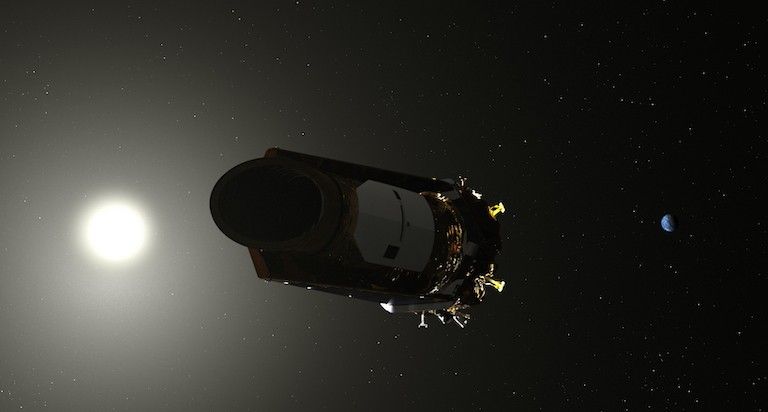
Another space explorer, NASA's Kepler Space Telescope, made history with its discovery of thousands of exoplanets, searching for tiny dips in starlight as planets crossed the faces of their stars. In its first mission, from 2009 to 2013, Kepler monitored more than 150,000 stars watching for these tiny fluctuations in starlight, called "transits." The first mission ended in 2013 when technical problems caused the spacecraft to lose much of its pointing ability. In 2014, it began its second mission, dubbed K2, and continued discovering exoplanets despite its diminished directional capability. Decommissioned in 2018, Kepler remains credited with discovering the most exoplanets of any mission so far — more than 2,600. Researchers are still finding planets in Kepler’s data and will continue to for years.
Spitzer
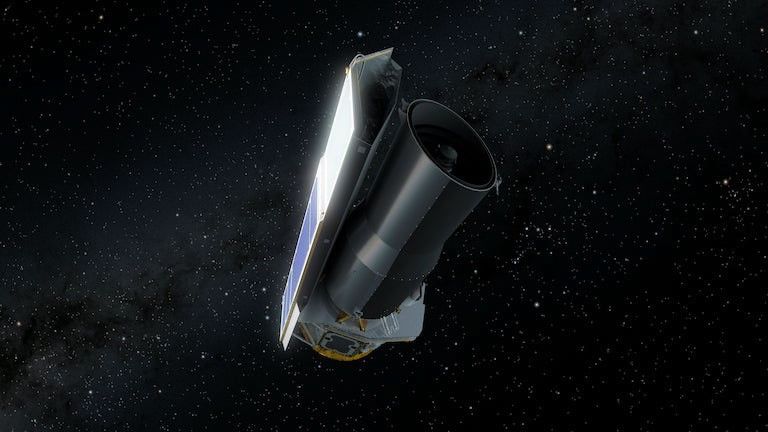
The Spitzer Space Telescope probed the heavens in the infrared portion of the spectrum, capturing images of newborn stars nestled inside thick clouds of dust along with millions of other images. The space telescope was retired in 2020, although — like with Kepler — the data it gathered will be mined by scientists for years to come, likely yielding a continuing stream of discovery.
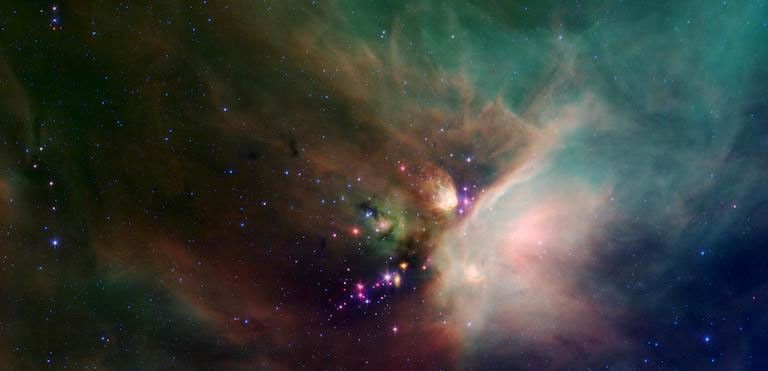
One of NASA's four Great Observatories, a distinction it shares with Hubble, Chandra, and the Compton Gamma Ray Observatory, Spitzer proved a powerful contributor to the hunt for exoplanets and the analysis of their atmospheres. Among its most celebrated work is the detection of seven planets roughly the size of Earth orbiting a star called TRAPPIST-1; Spitzer was able to determine both the masses and densities of these worlds. It ended its 16-year observing run in January 2020.
NASA/JPL-Caltech
Taking the baton: TESS
The Transiting Exoplanet Survey Satellite (TESS) picked up where Kepler and K2 left off, again conducting a grand survey of the sky. But while Kepler in a sense drilled core-samples into the heavens – taking deep, penetrating looks into small patches – TESS's star pictures are painted in broad strokes. TESS is conducting a nearly all-sky survey in sequential segments, first the dome of stars that would be seen from the Southern Hemisphere, then the Northern. Its mission is to find planets around brighter, closer stars, again by searching for shadows: the incredibly tiny subtraction of light from a star when a planet crosses in front of it.
During its four-year prime mission, Kepler was a statistical transit survey designed to determine the frequency of Earth-sized planets around other stars. Kepler revealed thousands of exoplanets orbiting stars in its 115 square degree field-of view, which covered about 0.25 percent of the sky. While Kepler was revolutionary in its finding that Earth-to-Neptune-sized planets are common, the bulk of the stars in the Kepler field lie at distances of hundreds to thousands of light-years, making it difficult to obtain ground-based follow-up observations for many systems.
TESS is designed to survey more than 85% of the sky (an area of sky 400 times larger than covered by Kepler) to search for planets around nearby stars (within about 200 light-years). TESS stars are typically 30-100 times brighter than those surveyed by Kepler. Planets detected around these stars are therefore far easier to characterize with follow-up observations, resulting in refined measurements of planet masses, sizes, densities, and atmospheric properties.
James Webb Space Telescope
We took a bold step forward in 2021 with the launch of the James Webb Space Telescope, the largest and most complex space science observatory ever built.
This giant spacecraft could cover a typical tennis court with its sunshield. It launched from French Guiana on Dec. 25, 2021. Atop the sunshield is the largest primary mirror ever sent into space – some 6.5 meters (21 feet, 4 inches) across. Seeing the universe in infrared light, the Webb telescope is expected to become the premier observatory of the decade, studying billions of years of the universe's history and reaching back nearly to the Big Bang. It can reveal details of the formation of planetary systems like our own, and even sample (via the rainbow spectrum of captured light) the composition of exoplanet atmospheres.

NASA’s Webb Discovers Hidden Planet in Famous Star System
Astronomers using NASA’s James Webb Space Telescope have discovered a giant planet outside our solar system, called an exoplanet, hiding…
Read the Story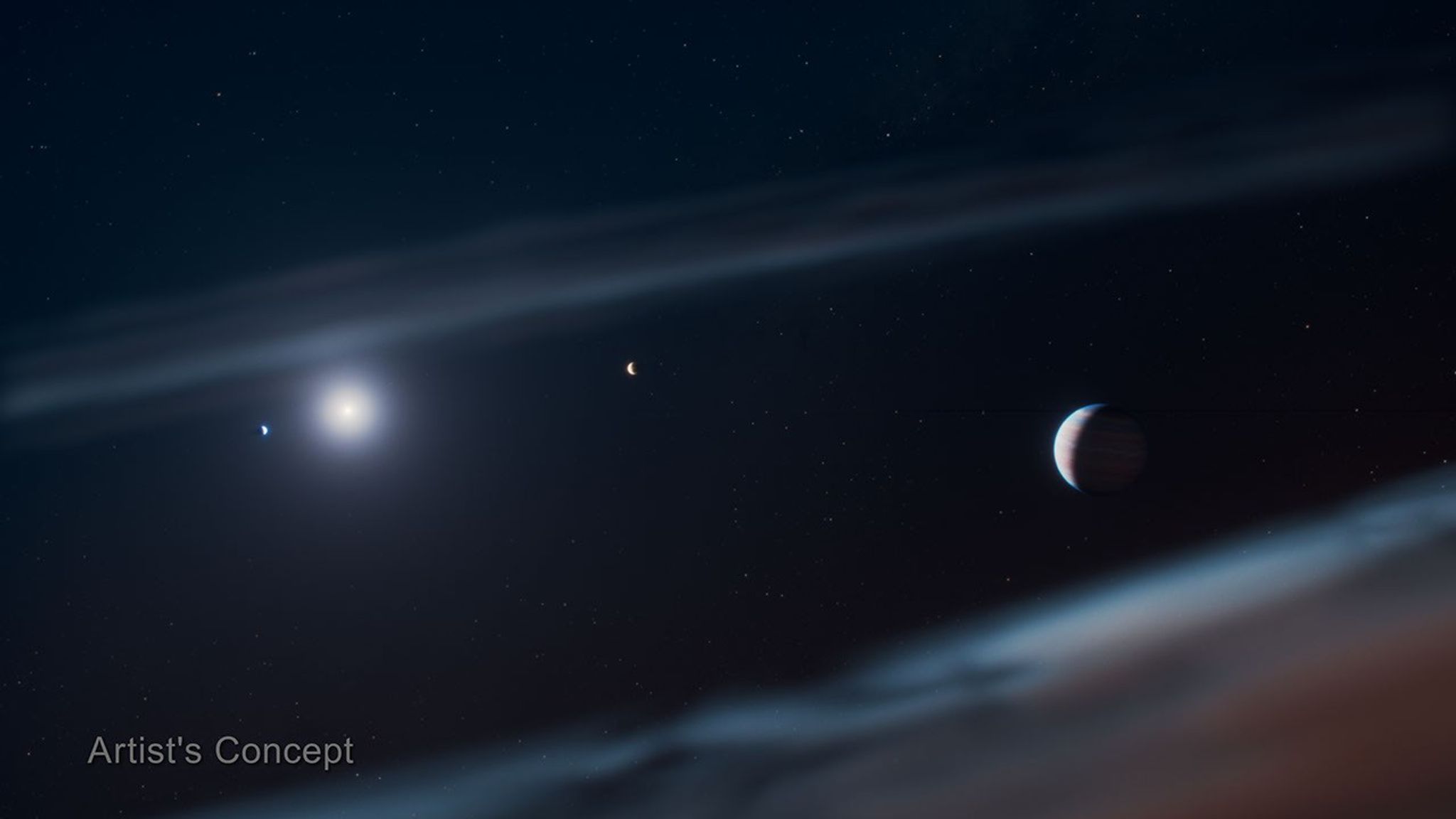
Partnerships — from the ground up
NASA works with partners across the country and around the world to investigate exoplanets – whether studying them from space or from the ground.
Collaborating with ground-based telescope teams is essential. When the TESS space telescope captures evidence of a new exoplanet, observations from the ground not only can confirm its existence but tell us more about the planet itself. Measurements of the planet's "mass," or heft, can be combined with TESS' measurement of its diameter, yielding its density. That, in turn, can tell us whether it's a gas planet, like Neptune, or a more dense, rocky world like ours.
Ground-based telescopes that have helped confirm and characterize exoplanets, or will soon, include the Magellan II at Las Campanas Observatory in Chile, the NEID instrument on the WIYN telescope at Kitt Peak, Arizona, the Keck Observatory on Mauna Kea, Hawaii, and the Hale Telescope at the Palomar Observatory in Southern California to name just a few among dozens. They will work with space-based telescopes — TESS and, soon, the James Webb Space Telescope — to provide details of exoplanet atmospheres, composition and other vital statistics.

Missions to come
Powerful next-generation instruments will bring us closer to what would be a long-anticipated, profound discovery: a small, rocky, habitable world somewhere in the galaxy with an atmosphere that reminds us of our own.
Habitable Worlds Observatory
One tool to be trained on that search will be the Habitable Worlds Observatory (HWO), a large infrared/optical/ultraviolet space telescope being planned for the coming decades — the first telescope being designed specifically to search for signs of life on planets orbiting other stars.
HWO was recommended by the National Academies’ ”Pathways to Discovery in Astronomy and Astrophysics for the 2020s,” the survey NASA requests every 10 years of the National Academies of Sciences, Engineering, and Medicine to identify the most compelling science goals, and necessary activities and investments, in the decade ahead. The report advocates for the ambitious project that could launch in the 2040s, to observe planets 10 billion times fainter than their host stars, with spectroscopic capabilities covering near-infrared, visible, and ultraviolet wavelengths to study the atmospheres of Earth-like, habitable-zone planets. Scientists have already compiled a catalog of nearby target stars for HWO to study, promising candidates that could be hosting such planets.
Next: Get to know some of NASA's exoplanet explorers, from storytellers to scientists
Tiny NASA Spacecraft Delivers Exoplanet Mission’s First Images
With the first images from the spacecraft now in hand, the team behind NASA’s Star-Planet Activity Research CubeSat, or SPARCS,…
Read the Story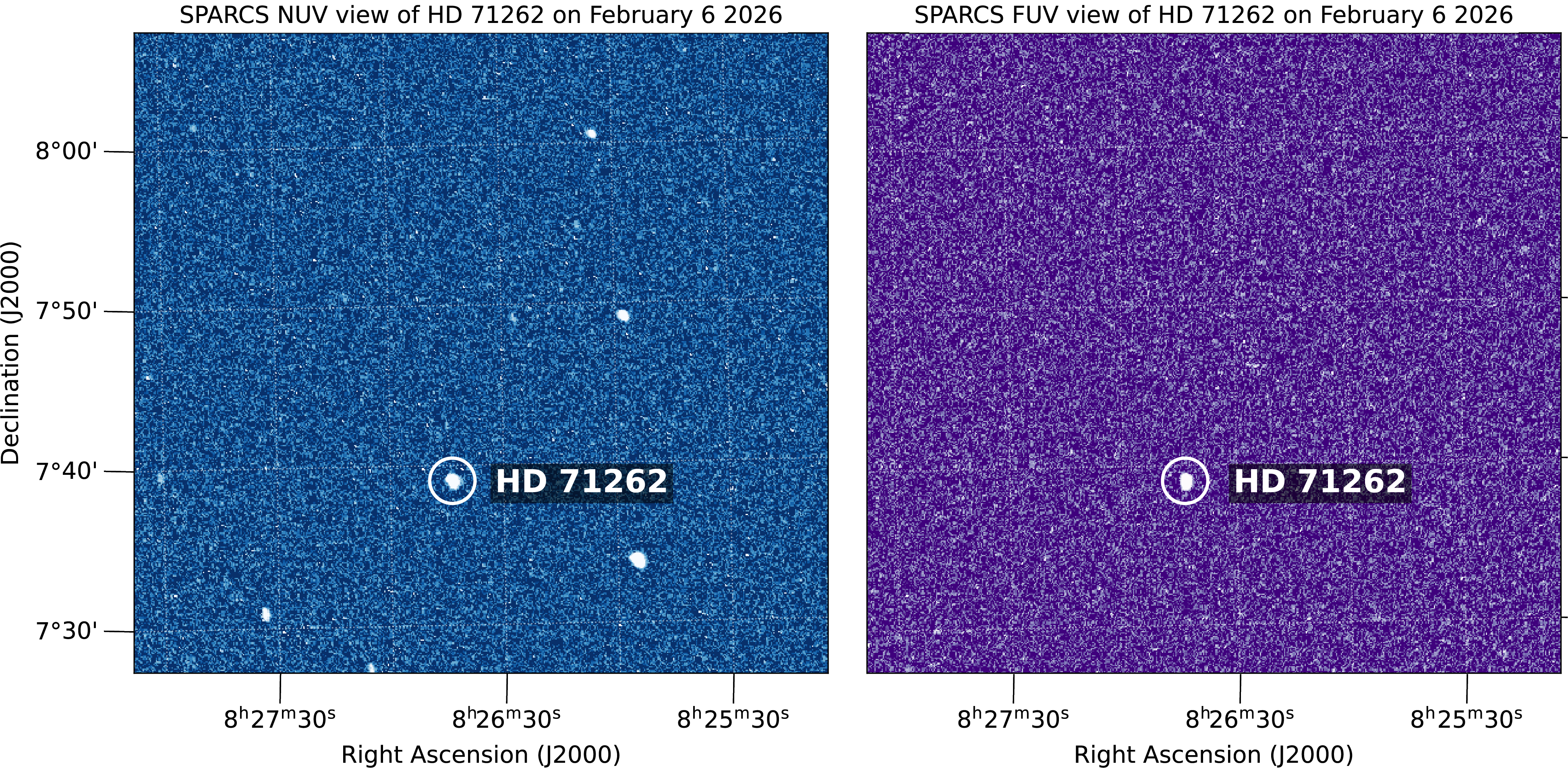
NASA’s Pandora Satellite, CubeSats to Explore Exoplanets, Beyond
A new NASA spacecraft called Pandora is launching to study the atmospheres of exoplanets and their stars.
Read the Story